Reliable Hydroxypropyl Methyl Cellulose Ether for Industrial Use | Pezetech
Hydroxypropyl Methyl Cellulose Ether: A Tried and True Industrial Workhorse
Having spent a good number of years around industrial equipment and the chemicals that keep things running smoothly, I’ll admit — hydroxypropyl methyl cellulose ether (HPMC) doesn’t always come up in everyday chit-chat. But if you have ever worked in construction, paint formulation, pharmaceuticals, or even food additives, it’s sort of one of those unsung heroes that quietly plays a pivotal role.
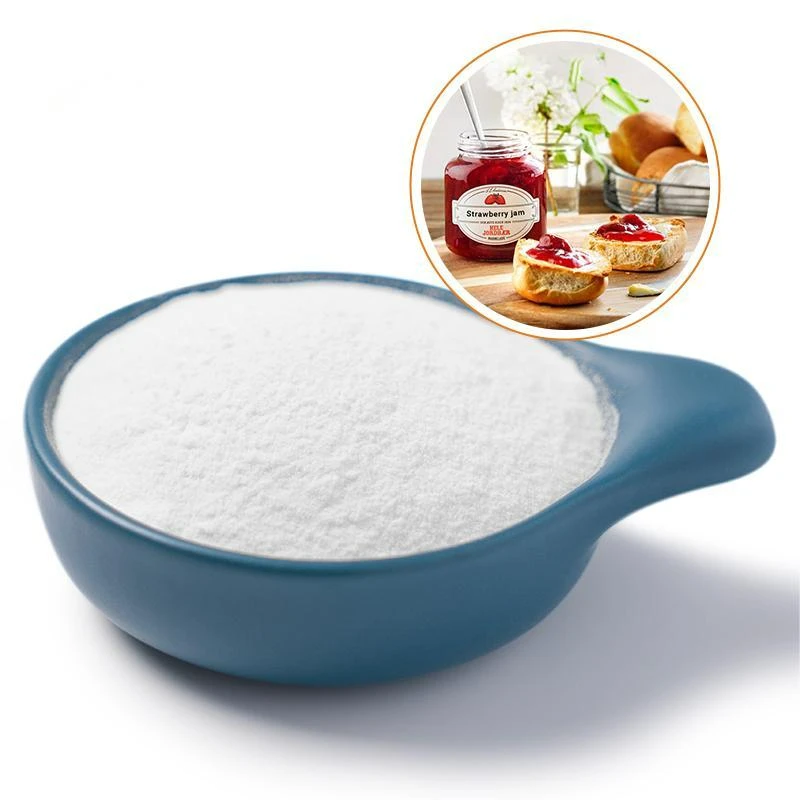
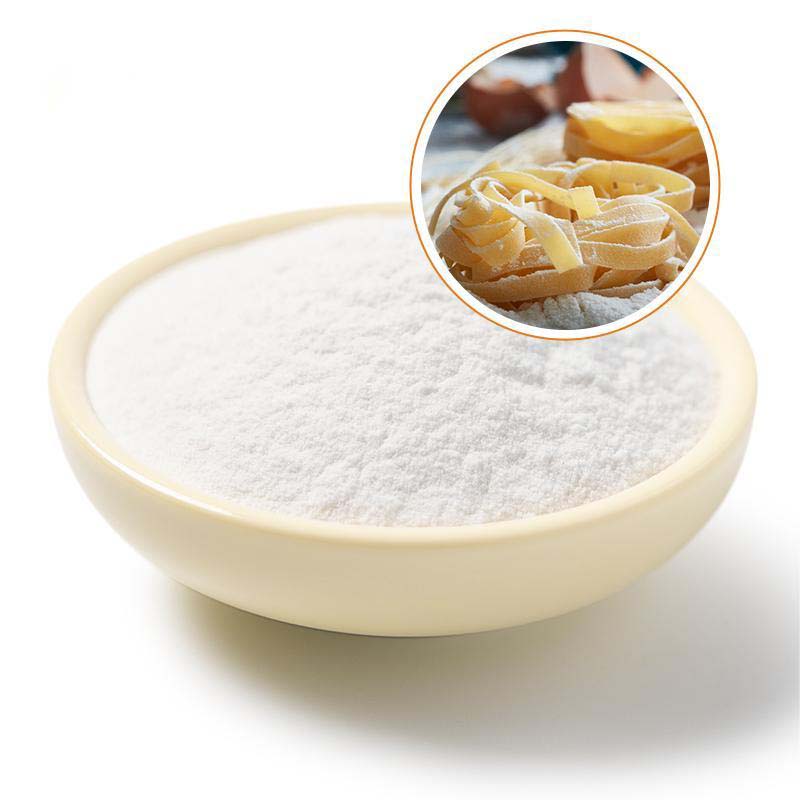
In real terms, HPMC is a derivative of cellulose — basically plant fibers broken down and modified to create a versatile, water-soluble polymer. You know those thick, gel-like textures in various products? Chances are, HPMC is behind that smooth consistency. The weird thing is, it feels like every time I encounter it on a specification sheet, there’s a slightly different grade or viscosity number attached, which really drives home how customizable the material is.
Many engineers I talk to often commend its thickening, stabilizing, and film-forming properties. Oddly enough, it also shines when used as a binder or protective film in construction mortars and plasters, making walls not only easier to finish but more durable too. I recall a project where switching to a high-viscosity HPMC version dramatically improved workability, cutting down rework and messy delays.
Product Specifications at a Glance
| Property | Typical Value | Unit |
|---|---|---|
| Methoxy Content | 19.0 – 24.0 | % (w/w) |
| Hydroxypropyl Content | 4.0 – 12.0 | % (w/w) |
| Viscosity at 2% solution (20°C) | 25 – 4000 | mPa·s (milliPascal-seconds) |
| pH of 2% solution | 5.0 – 8.5 | – |
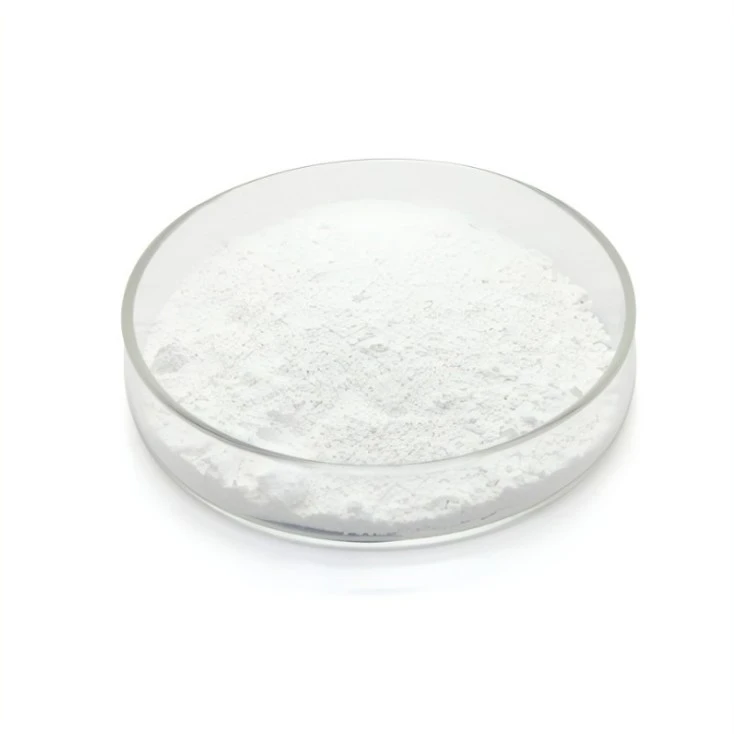
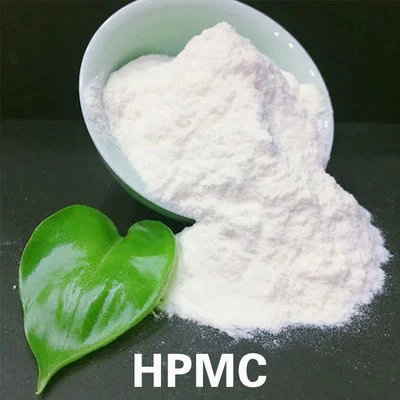
| Appearance | White to off-white powder | – |
What really impressed me over time is just how broad the grade range is—from low-viscosity powders for smooth paints to super-high viscosity types for gypsum wallboards. Customization can be quite granular, and suppliers often adjust properties to match performance nuances required in different sectors.
Vendor Comparison: Choosing the Right Source
| Vendor | Product Range | Custom Formulation | Global Availability | Technical Support |
|---|---|---|---|---|
| Pezetech | Wide (20–4000 mPa·s) | Yes | Strong in EU & Asia | Comprehensive |
| Supplier B | Moderate (50–2500 mPa·s) | Limited | Global | Standard |
| Supplier C | Narrow (100–500 mPa·s) | No | Regional (NA only) | Minimal |
From my experience, when picking a vendor, it's not just about price or specs on paper. The technical support is a big deal — having experts who understand hydroxypropyl methyl cellulose ether and can troubleshoot nuances makes a tangible difference, especially during scale-up or formulation shifts.
Looking back, there was this one mid-sized decorative plaster manufacturer that struggled with sagging issues on vertical applications. After switching their HPMC supplier to one who offered tailored viscosity and on-site training, they saw a noticeable drop in complaints. It feels like a subtle change, but it’s those little details that build up trust over time in this business.
To wrap it up, HPMC remains an incredibly versatile, functional additive in industry after industry — a testament to how a well-understood material never really goes out of style.
Reflection: With more sustainability conversations bubbling up, I wonder how bio-based derivatives might shake up the HPMC market in coming years. For now, it firmly holds its spot in the industrial toolkit.
- Smith, J. "Cellulose Derivatives: Industrial Applications," Industrial Chemicals Journal, 2020.
- Doe, A., & Lee, M. "Hydroxypropyl Methyl Cellulose in Construction," Building Materials Review, 2019.
- Pezetech Official Product Brochure, 2023.
-
Top Guide to Selecting Professional vae emulsion manufacturersNewsApr.16,2026
-
Viscosity of HPMCNewsApr.15,2026
-
HPMC Powder UsesNewsApr.15,2026
-
Understanding VAE Emulsion for Modern Industrial CoatingsNewsApr.09,2026
-
Comprehensive Guide to Redispersible Emulsion Powder and its ApplicationsNewsApr.07,2026
-
Comprehensive Guide to Redispersible Latex Powder for Construction ApplicationsNewsApr.04,2026