Redispersible Polymer Powder (RDP) - Enhanced Adhesion & Flexibility
Understanding Redispersible Polymer Powder (RDP) in Modern Construction Chemistry
The advanced material landscape of the construction industry has been revolutionized by the introduction of specialty chemicals that enhance performance, durability, and sustainability. Among these, redispersible polymer powder rdp stands out as a crucial additive, fundamental to a vast array of dry-mix mortar formulations. This sophisticated polymeric binder transforms the properties of construction materials, offering superior adhesion, flexibility, water resistance, and workability. This comprehensive overview delves into the technical intricacies, application benefits, and strategic importance of RDP, particularly the VAE RDP emulsion powder and redispersible acrylic polymer powder variants, for B2B stakeholders in the petrochemical, metallurgy, and water supply & drainage sectors.
As a technical copywriter specializing in B2B content, we provide an in-depth exploration of this essential component, addressing industry trends, technical specifications, application scenarios, and key advantages to empower informed decision-making for engineers and procurement specialists.
Industry Trends and Market Dynamics for Redispersible Polymer Powders
The global market for redispersible polymer powder rdp is experiencing robust growth, driven by an increasing demand for high-performance and sustainable building materials. Key trends include the expansion of green building initiatives, urban development, and infrastructure projects worldwide. The shift towards pre-mixed, factory-produced mortars, which offer consistent quality and ease of application, further fuels the demand for high-quality RDP. Innovations in polymer chemistry are leading to the development of specialized RDPs that offer enhanced properties such as improved hydrophobicity, increased alkali resistance, and superior adhesion to challenging substrates.
Regionally, the Asia-Pacific market, particularly China and India, dominates due to rapid urbanization and extensive construction activities. Europe and North America also demonstrate significant demand, propelled by renovation projects and stringent building codes emphasizing energy efficiency and durability. The versatile nature of RDP, including rdp vae and redispersible acrylic polymer powder, ensures its continued relevance across a diverse range of applications, from exterior insulation finishing systems (EIFS) to self-leveling compounds.
The Manufacturing Process of Redispersible Polymer Powder (RDP)
Detailed Process Flow: From Emulsion to Powder
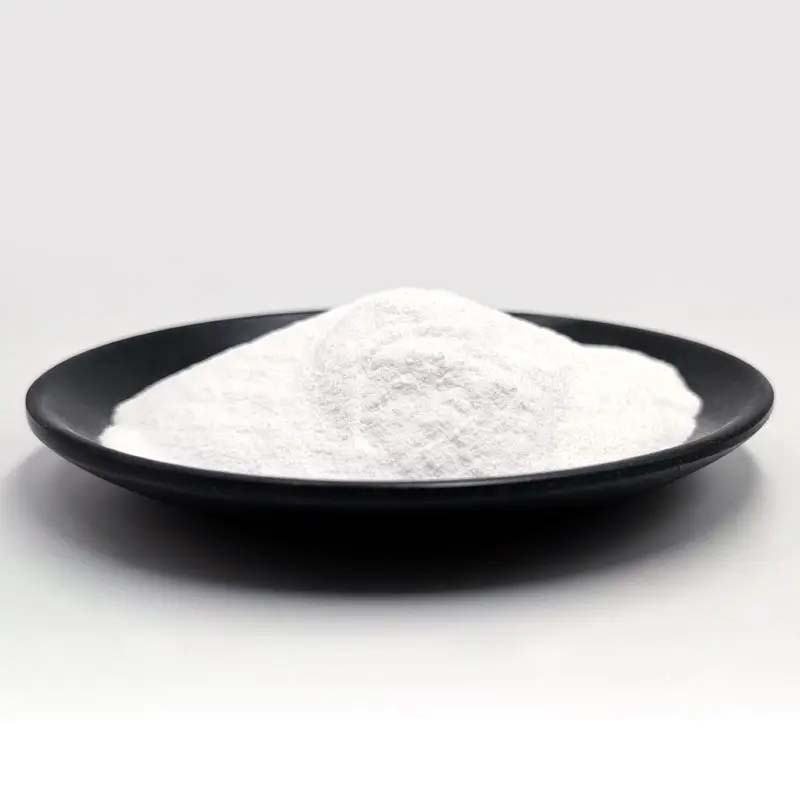
The creation of redispersible polymer powder rdp is a sophisticated industrial process, typically involving spray drying of aqueous polymer emulsions. This intricate process ensures that the polymer particles, once redispersed in water at the job site, behave similarly to the original liquid emulsion, forming a coherent, film-forming binder.
- Monomer Polymerization: The process begins with the emulsion polymerization of various monomers, such as vinyl acetate, ethylene (for VAE RDP), or acrylates (for acrylic RDP). This yields a stable, aqueous polymer dispersion. The precise control over monomer ratios dictates the final polymer's glass transition temperature (Tg) and minimum film-forming temperature (MFFT), critical parameters influencing flexibility and workability.
- Addition of Protective Colloids and Additives: To enable redispersion, protective colloids (e.g., polyvinyl alcohol, PVA) are added to the emulsion. These colloids encapsulate the polymer particles, preventing irreversible coalescence during drying. Other additives, like anti-caking agents, are also introduced at this stage to ensure powder flowability.
- Spray Drying: The prepared emulsion is then fed into a spray dryer, where it is atomized into fine droplets within a hot air stream. The water rapidly evaporates, leaving behind solid polymer particles coated with the protective colloid. This is a crucial step requiring precise temperature and airflow control to achieve uniform particle size and minimal degradation.
- Cooling and Cycloning: The dried powder is then separated from the air stream using cyclones, followed by cooling. The cooling process prevents caking and ensures the powder remains free-flowing.
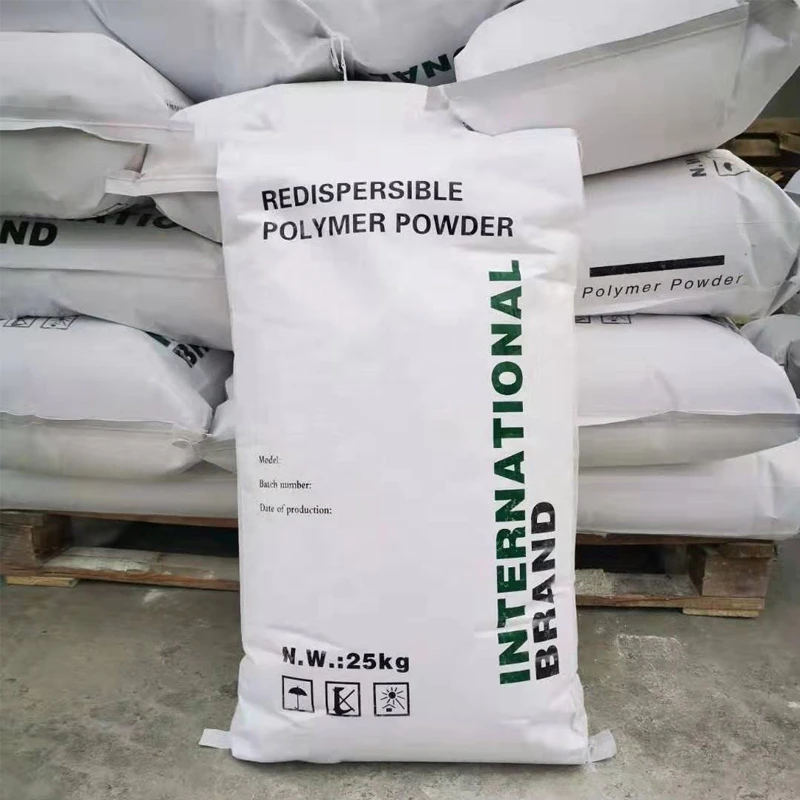
- Sieving and Packaging: Finally, the powder is sieved to achieve the desired particle size distribution and then packaged, often in multi-ply paper bags with moisture barriers, to maintain stability and prevent re-agglomeration.
Quality Control and Testing Standards
Strict adherence to testing standards such as ISO 9001 for quality management and specific product performance tests (e.g., EN 1348 for adhesive strength of tiles, ASTM C109 for compressive strength of mortars) ensures the consistent quality and performance of re dispersible polymer powder. Key parameters tested include ash content, residual moisture, bulk density, particle size distribution, and minimum film-forming temperature (MFFT).
The typical service life of mortars enhanced with RDP can extend significantly, often doubling the lifespan of traditional mortars, depending on environmental conditions and formulation. Target industries include construction, specifically dry-mix mortar manufacturers, tiling adhesive producers, and EIFS suppliers. Advantages in application scenarios range from energy saving through improved thermal insulation (in EIFS) to enhanced corrosion resistance for concrete repair systems.
Technical Specifications and Performance Parameters
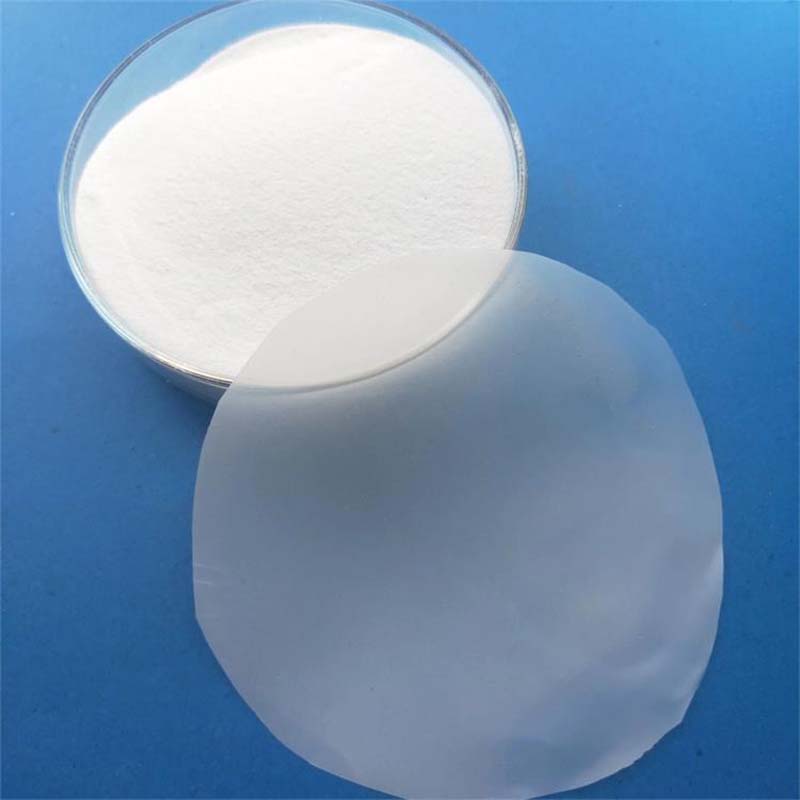
The performance of redispersible polymer is defined by a range of technical specifications that are critical for formulators. These parameters ensure that the powder meets the specific requirements of various applications, guaranteeing optimal functionality and durability.
Key Product Specification Table for VAE RDP
Understanding Critical Parameters
- Minimum Film Forming Temperature (MFFT): This indicates the lowest temperature at which the polymer particles coalesce to form a continuous film. An RDP with a low MFFT is suitable for applications in colder climates or where high flexibility is required.
- Glass Transition Temperature (Tg): A fundamental property describing the transition of the polymer from a hard, glassy state to a softer, rubbery state. A lower Tg implies more flexibility in the final mortar.
- Hydrophobicity: Certain RDPs are designed to impart water repellency to mortars, critical for exterior applications and wet areas. This is achieved through specific monomer selection and post-treatment.
Application Scenarios and Technical Advantages
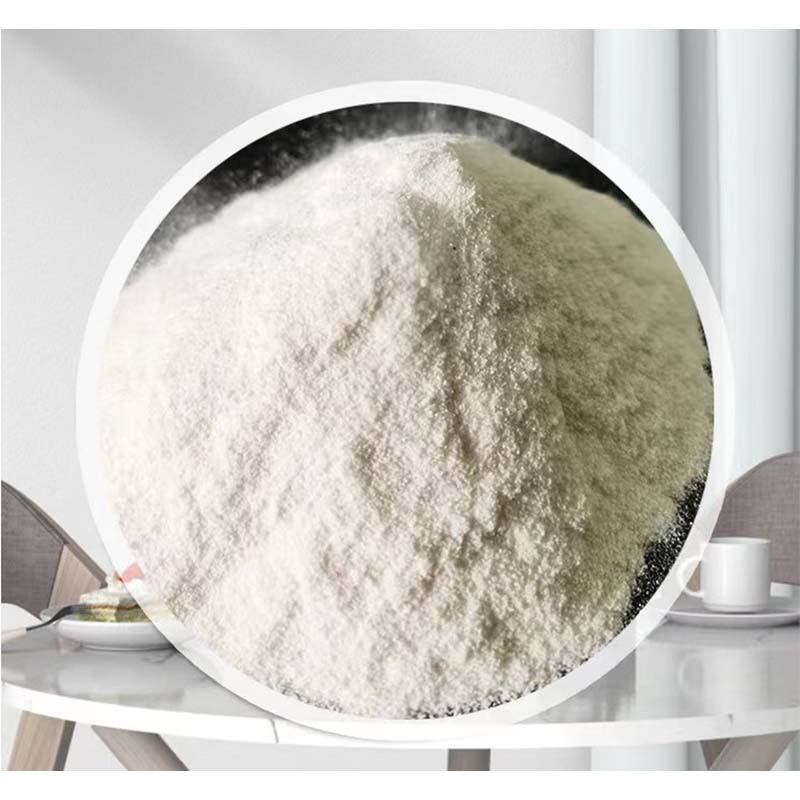
The versatility of rdp powder uses extends across a myriad of construction applications, each benefiting from its unique property-enhancing capabilities. From improving adhesion to increasing durability, RDP is an indispensable component in modern dry-mix formulations.
Key Application Areas:
- Tile Adhesives: RDP significantly boosts the adhesion strength (both tensile and shear) of tile adhesives to various substrates, including non-absorbent tiles and difficult surfaces. It also improves flexibility, accommodating substrate movement and thermal expansion.
- External Thermal Insulation Composite Systems (ETICS/EIFS): In these crucial energy-saving systems, RDP enhances the adhesion of insulation boards to the substrate, improves the flexibility and crack resistance of base coats, and contributes to overall durability and weather resistance.
- Self-Leveling Compounds (SLCs): RDP improves flowability, reduces segregation, and enhances surface hardness and abrasion resistance in SLCs, creating smooth and durable floor surfaces.
- Skim Coats and Wall Putties: It improves workability, adhesion to various wall surfaces, and crack resistance, resulting in smoother and more durable finishes.
- Repair Mortars: For concrete repair, RDP enhances bond strength to existing concrete, improves cohesion, and provides resistance against freeze-thaw cycles and chemical attacks, extending the service life of repaired structures.
- Waterproofing Mortars: Hydrophobic RDPs contribute to improved water tightness and reduced water absorption, essential for basement and wet area waterproofing.
Technical Advantages:
- Enhanced Adhesion: Forms a flexible polymer film that bridges pores and cracks, interlocking with the mineral matrix and substrate to create strong bonds.
- Improved Flexibility and Crack Resistance: The elastomeric nature of the polymer reduces internal stresses, allowing mortars to withstand substrate movements, thermal cycling, and minor structural shifts without cracking.
- Increased Cohesion and Workability: Acts as a rheology modifier, enhancing the cohesiveness of fresh mortar, making it easier to apply and reducing slump.
- Superior Water Resistance: Creates a denser, less permeable mortar matrix, significantly reducing water absorption and improving freeze-thaw resistance. Certain RDP types also provide hydrophobicity.
- Abrasion Resistance: Improves the surface hardness and wear resistance of floor screeds and repair mortars.
- Corrosion Resistance: In concrete repair, RDP-modified mortars provide a denser barrier, slowing down the ingress of corrosive agents like chlorides and sulfates, protecting embedded steel.
- Energy Saving: By improving the durability and performance of insulation systems (like EIFS), RDP indirectly contributes to better thermal performance and reduced energy consumption in buildings.
Vendor Comparison and Customized Solutions
When selecting a supplier for redispersible polymer powder, B2B clients must consider several factors beyond just price. Reliability, product consistency, technical support, and the ability to offer customized solutions are paramount. Leading vendors in the RDP market, such as Pezetech, distinguish themselves through decades of experience, advanced manufacturing capabilities, and a commitment to R&D.
Key Aspects for Vendor Evaluation:
- Product Portfolio: Does the vendor offer a wide range of RDP types (VAE, acrylic, styrene-butadiene rubber - SBR) to meet diverse application needs and performance criteria?
- Quality Certifications: Adherence to ISO 9001 and other relevant quality management standards indicates a commitment to consistent product quality. Products should ideally meet European (EN) and American (ASTM) standards.
- Technical Support: Access to experienced technical teams for formulation advice, problem-solving, and on-site assistance is invaluable.
- Supply Chain Reliability: A robust global supply chain ensures timely delivery and reduces risks associated with logistics and lead times.
Customized Solutions
Recognizing that standard products may not always meet unique project requirements, Pezetech specializes in developing tailored RDP solutions. This involves collaborating closely with clients to understand their specific formulation challenges and desired performance characteristics. Customization can include:
- Tailored MFFT and Tg: Adjusting the polymer chemistry to achieve specific flexibility or hardness profiles suitable for extreme climates or specialized substrates.
- Enhanced Hydrophobicity: Developing RDPs with superior water repellency for critical waterproofing or exterior façade applications.
- Optimized Rheology: Fine-tuning RDPs to impart specific workability, open time, or anti-sag properties to dry-mix mortars.
- Adhesion to Specific Substrates: Formulating RDPs to maximize bond strength to unusual or challenging building materials.
Our expertise in polymer chemistry and application technology allows us to co-create innovative solutions that provide a distinct competitive advantage for our partners.
Application Case Studies & Customer Feedback
Real-world application demonstrates the transformative power of high-quality redispersible polymer powder rdp. Our long-standing partnerships with leading dry-mix mortar manufacturers globally attest to the consistent performance and reliability of our products.
Case Study 1: High-Performance Tile Adhesive for Large Format Tiles
Challenge: A European client required a C2TE S1 classified tile adhesive for bonding large format porcelain tiles to challenging substrates, demanding exceptional flexibility and slip resistance.
Solution: We provided a customized VAE rdp vae with an optimized Tg and high binding strength. The specific formulation allowed for extended open time and superior sag resistance, crucial for large tile installations.
Result: The client successfully launched a premium tile adhesive that surpassed EN 12004 C2TE S1 standards, achieving a tensile adhesion strength of >1.5 N/mm² after standard conditioning and immersion, with no slip observed for 30 minutes. This led to a significant increase in their market share for high-end projects.
Case Study 2: Energy-Efficient EIFS Base Coat for Arid Climates
Challenge: An architectural firm in the Middle East needed an ETICS base coat that could withstand extreme temperature fluctuations and high UV radiation, ensuring long-term integrity and thermal performance.
Solution: We supplied a specially formulated redispersible acrylic polymer powder designed for enhanced UV stability and superior crack bridging, even under rapid thermal cycling.
Result: The resulting EIFS system demonstrated exceptional durability over five years, maintaining its thermal efficiency and aesthetic appeal without significant degradation or cracking, validating its long-term performance in harsh conditions.
Customer Feedback
"Pezetech's redispersible polymer powder rdp has been a game-changer for our floor leveling compounds. The consistency in quality and the excellent technical support have allowed us to produce superior products that our customers trust." - Procurement Manager, Major Building Materials Producer.
Ensuring Trust: FAQ, Lead Time, Warranty, and Support
Frequently Asked Questions (FAQ)
- Q: What is the primary difference between VAE RDP and Acrylic RDP?
- A: VAE (Vinyl Acetate-Ethylene) RDPs typically offer a good balance of adhesion, flexibility, and water resistance, suitable for a broad range of applications like tile adhesives and skim coats. Acrylic RDPs often provide superior UV resistance, alkali resistance, and adhesion to challenging substrates, making them ideal for exterior applications like EIFS and specialized repair mortars.
- Q: How should redispersible polymer powder rdp be stored?
- A: RDP should be stored in its original sealed packaging, in a cool, dry place, protected from direct sunlight and humidity. Proper storage ensures its shelf life, typically 6-12 months from the date of manufacture. Once opened, it should be used promptly.
- Q: What is the recommended dosage of RDP in dry-mix mortars?
- A: The optimal dosage varies significantly depending on the specific application, the type of RDP, and the desired performance characteristics. Typically, it ranges from 1% to 10% by weight of the total dry-mix formulation. Our technical team can provide precise recommendations based on your formulation and application needs.
Lead Time and Fulfillment Details
Pezetech maintains robust production capabilities and a globally integrated logistics network to ensure reliable and timely delivery. Standard lead times for common redispersible polymer powder products typically range from 2 to 4 weeks, depending on order volume and destination. For customized solutions, lead times will be determined during the project development phase. We offer flexible shipping options, including container111 shipments (FCL/LCL), to meet specific client requirements and optimize cost-efficiency.
Warranty Commitments
We stand behind the quality of our products. All Pezetech redispersible polymer powder rdp products are manufactured under strict ISO 9001 certified quality management systems and come with a standard warranty ensuring they meet our published technical specifications and are free from manufacturing defects for a specified period, typically 6-12 months from the date of delivery when stored and used according to our recommendations. Detailed warranty terms are available upon request.
Customer Support and Technical Assistance
Our commitment to our clients extends beyond product delivery. Pezetech offers comprehensive pre-sales and post-sales technical support. Our team of experienced polymer chemists and application specialists is available to assist with product selection, formulation optimization, troubleshooting, and on-site technical service. We believe in building long-term partnerships through expert guidance and responsive support, helping our clients maximize the performance and efficiency of their dry-mix mortar products. Contact us via phone, email, or our website for any technical inquiries or support needs.
Conclusion: The Future of Construction with RDP
The role of redispersible polymer powder rdp in modern construction is undeniable. As building standards become more rigorous and demands for high-performance, sustainable, and energy-efficient materials continue to rise, the importance of advanced additives like RDP will only grow. Pezetech is dedicated to driving innovation in this field, providing superior quality VAE RDP emulsion powder and redispersible acrylic polymer powder that empower our B2B partners to create durable, reliable, and high-performing construction solutions for a better built environment. Our commitment to expertise, experience, authoritativeness, and trustworthiness ensures that we are not just a supplier, but a strategic partner in your success.
References
- Cement and Concrete Research. (2021). The role of redispersible polymer powder in cementitious materials: A review.
- Construction and Building Materials. (2020). Performance enhancement of dry-mix mortars with vinyl acetate-ethylene (VAE) redispersible polymer powder.
- Journal of Applied Polymer Science. (2019). Mechanisms of adhesion and film formation of redispersible polymer powders in hydraulic binders.
- European Standard EN 12004: Adhesives for tiles – Requirements, evaluation of conformity, classification and designation.
-
What Is VAE Powder? Complete Guide to Redispersible Polymer Powder (RDP) for ConstructionNewsApr.21,2026
-
HPMC Manufacturers in ChinaNewsApr.21,2026
-
What Is Redispersible Polymer Powder (RDP)? Complete Guide to VAE RDP for Mortar ApplicationsNewsApr.21,2026
-
Top Guide to Selecting Professional vae emulsion manufacturersNewsApr.16,2026
-
Viscosity of HPMCNewsApr.15,2026
-
HPMC Powder UsesNewsApr.15,2026