Reliable Hydroxypropyl Methyl Cellulose Supplier – Quality & Innovation for Industry
What’s the Big Deal About Hydroxypropyl Methyl Cellulose Suppliers?
Hydroxypropyl methyl cellulose (HPMC) might sound like a mouthful, but for many industries worldwide, it’s a pretty indispensable ingredient. As a versatile cellulose ether, it finds a home in pharmaceuticals, construction, food production, and more. The role of a hydroxypropyl methyl cellulose supplier is therefore crucial in keeping these sectors moving smoothly.
Why should we care about this? Frankly, in a world where sustainable materials and multifunctionality are king, HPMC stands out as a kind of “quiet hero.” It can improve product quality, support eco-friendly initiatives, and solve tricky technical problems. So understanding what suppliers bring to the table means navigating not just a product but a key link in an industrial supply chain with global implications.
The Global Landscape of Hydroxypropyl Methyl Cellulose Supply
Looking at the bigger picture, global demand for cellulose derivatives like HPMC is on a steady rise — tipped to grow by about 6-7% annually through this decade (source: Statista). This growth closely ties into booming construction markets in Asia-Pacific, pharma innovations in Europe, and food tech advancements everywhere else.
However, challenges remain. Raw material quality varies considerably, and supply chain disruptions (which became dramatically evident during the COVID era) challenge vendors globally. Moreover, industries demanding HPMC often require tailored specifications, so generic supply won’t cut it. This makes finding a reliable hydroxypropyl methyl cellulose supplier a real strategic decision.
Mini takeaway:
- Global demand for HPMC is growing steadily
- Industry needs increasingly call for customization
- Supply chain reliability is a contemporary challenge
Defining Hydroxypropyl Methyl Cellulose Supplier in Plain Terms
A hydroxypropyl methyl cellulose supplier is essentially an entity — a company or distributor — that provides HPMC materials to manufacturers and industries. They source, sometimes synthesize, and deliver HPMC under various grades and forms like powders or pellets. Think of them as the essential “middlemen” or even “partners” who ensure you get the right quality chemistry for your tablet coatings, adhesives, or paint formulations.
The supplier’s role extends beyond mere selling: they often support product development, advise on specifications, and ensure regulatory compliance. Given the broad use of HPMC in pharmaceuticals (as binders or controlled-release agents), construction (as a thickener or water retention agent), and even food (as stabilizers or emulsifiers), suppliers must maintain rigorous quality controls.
Mini takeaway:
- Suppliers connect raw materials to critical manufacturing applications
- Quality control and regulatory knowledge are core to their value
- They offer technical support besides just product delivery
Core Components That Shape HPMC Supply Quality
1. Purity & Consistency
You’d think purity is a no-brainer, but with cellulose derivatives, the extraction and substitution process can introduce variability. Suppliers invest heavily to ensure consistency batch to batch, which is vital for pharma formulations where even slight deviations can cause big issues.
2. Particle Size & Form
How HPMC is presented slightly changes its behavior. Powders, fibers, or granules all have distinct flow, mixing, and solubility characteristics. A smart supplier offers tailored particle engineering suited to client needs.
3. Functional Grades & Substitutions
HPMC isn’t a one-size-fits-all material. Levels of hydroxypropyl and methyl substitution differ, influencing viscosity, solubility, and thermal stability. Suppliers with broad product ranges or formulation customization capabilities hold an edge.
4. Supply Chain Transparency & Certifications
ISO certification, FDA compliance for food/pharma grades, and transparent sourcing matter a great deal. Knowing exactly where and how your HPMC is made builds trust and reduces risk.
5. Technical Support & Service
Many end-users depend on their suppliers not just for materials but for expertise — helping troubleshoot manufacturing issues or optimizing formulations.
Mini takeaway:
- Raw material purity directly impacts final product quality
- Physical form customization supports processing needs
- Certifications simplify regulatory hurdles
- Technical backing is a hidden but valuable service
How Hydroxypropyl Methyl Cellulose Suppliers Impact Real-World Operations
From towering construction projects in Dubai to tablet manufacturing lines in Europe, HPMC’s footprints are everywhere.
- Construction Sector: HPMC suppliers provide additives that improve mortar workability, water retention, and adhesion — particularly critical in dry climates or challenging geographies.
- Pharmaceutical Industry: Precise control over release profiles in medications often hinges on reliable HPMC supply. Without trusted vendors, drug efficacy can be compromised.
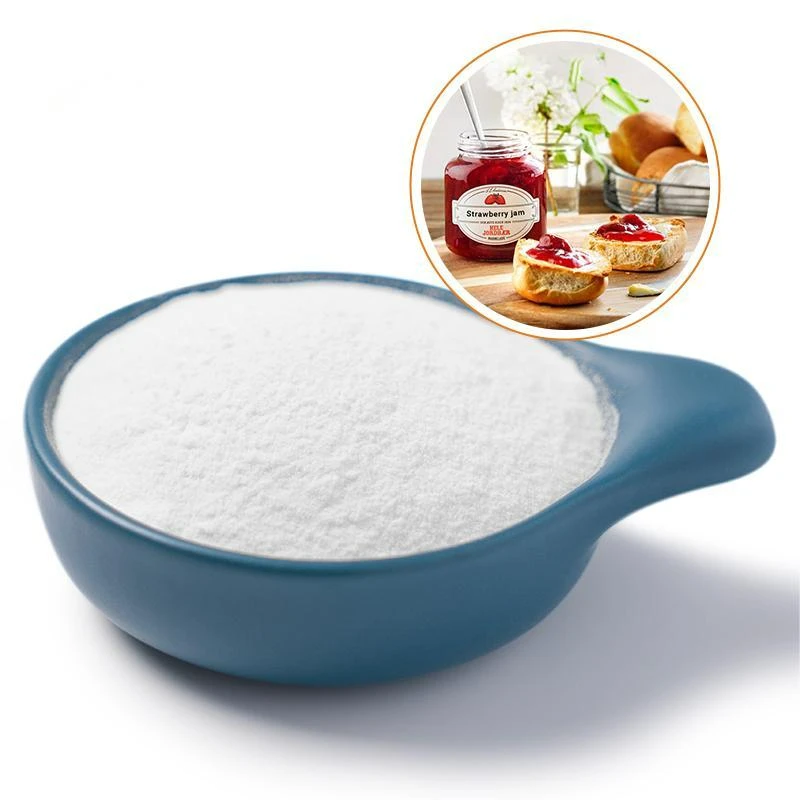
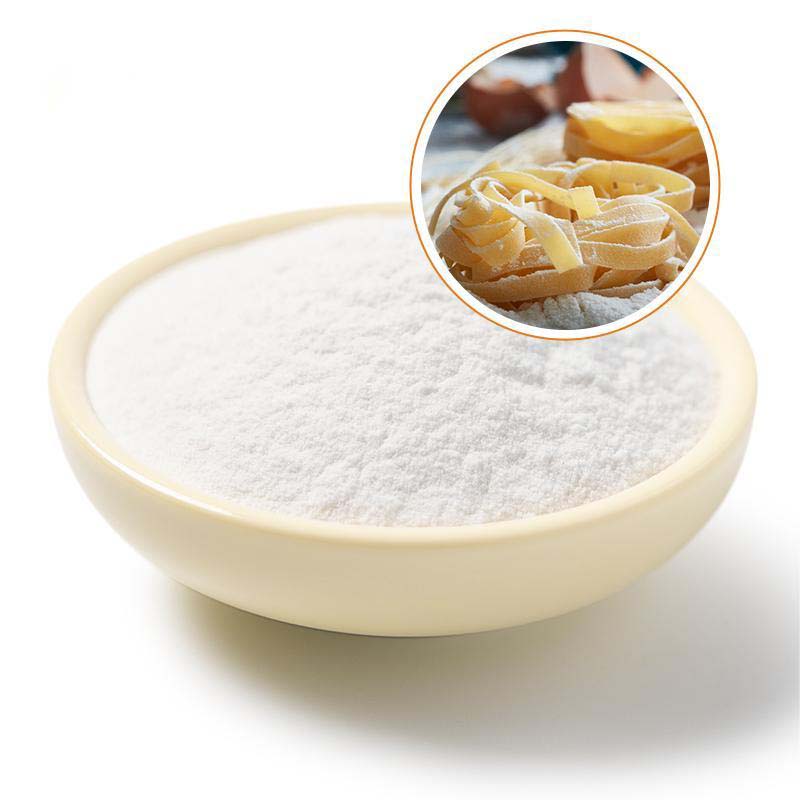
- Food Production: Suppliers help provide food-grade HPMC that acts as thickening agents, enhancing texture and shelf life.
- Paints & Coatings: Here, suppliers deliver HPMC grades that stabilize formulations and improve finish quality.
Even humanitarian relief organizations depend on these materials when deploying fast-setting construction materials or pharmaceutical kits in remote areas. In such settings, product consistency and supply continuity aren’t luxuries — they’re life essential.
Mini takeaway:
- HPMC application spans pharma, construction, food, and coatings
- Trusted suppliers enable high-quality, safe products in demanding environments
- Reliability in supply affects logistics and operational success worldwide
Advantages & Long-Term Value of Choosing the Right Supplier
Choosing a top-tier hydroxypropyl methyl cellulose supplier isn’t just about the product cost. It’s about minimizing risk across entire supply chains and adding intangible benefits.
- Cost Efficiency: Stable supply and quality reduce waste and production failures, which frankly is where money often leaks.
- Sustainability: Responsible suppliers increasingly use renewable cellulose sources and environmentally friendly processing — a big plus if your company values green credentials.
- Social Impact: Reliable supply boosts industries that improve lives (medicine, housing). There’s pride and purpose in working with partners who understand that.
- Innovation: Suppliers that innovate with new HPMC grades or blends help you stay competitive.
- Trust & Safety: Compliance with global standards is non-negotiable in pharma and food; a good supplier eases those worries.
Mini takeaway:
- Choosing suppliers affects long-term operational resilience and cost
- Sustainability and innovation in supply chains are growing priorities
- Reliable partnerships can elevate your product and brand reputation
Emerging Trends & Innovations Shaping Hydroxypropyl Methyl Cellulose Supply
Interestingly, several innovations are reshaping the future of HPMC supply chains:
- Green Chemistry: New extraction techniques reduce chemical waste, aligned with global sustainability goals (ISO 14000).
- Digital Traceability: Blockchain and IoT tech are beginning to track raw material origins, increasing transparency.
- Customized Functional Grades: Advances in polymer science allow manufacturers to design HPMC tailored to very specific viscosity or release profiles.
- Automation & Smart Logistics: To mitigate supply chain disruptions, suppliers invest in automated warehouses and AI forecasting.
Mini takeaway:
- Eco-friendly, traceable, and tech-enabled supply chains are the future
- Customization and automation enhance supplier responsiveness
- Innovation ensures industry demands are met sustainably
Common Challenges and How Smart Suppliers Tackle Them
It’s not all smooth sailing. Some bumps on the road include:
- Raw Material Scarcity: Cellulose sources may fluctuate seasonally or geopolitically.
- Quality Variations: Different processing plants yield uneven properties.
- Regulatory Complexity: Different markets impose varying requirements on product specs and documentation.
Top suppliers work around these with flexible sourcing, multiple production sites, rigorous QA, and dedicated compliance teams. Some even co-develop products with clients to fine-tune specifications. In real terms, it feels like having a partner rather than just a vendor.
Hydroxypropyl Methyl Cellulose Supplier Product Specifications
| Specification | Typical Range | Notes |
|---|---|---|
| Methoxy Content (%) | 19.0 – 24.0 | Affects solubility and gelation |
| Hydroxypropyl Content (%) | 4.0 – 12.0 | Influences viscosity and stability |
| Viscosity (mPa.s at 2% solution) | 5,000 – 150,000 | Tunable to customer need |
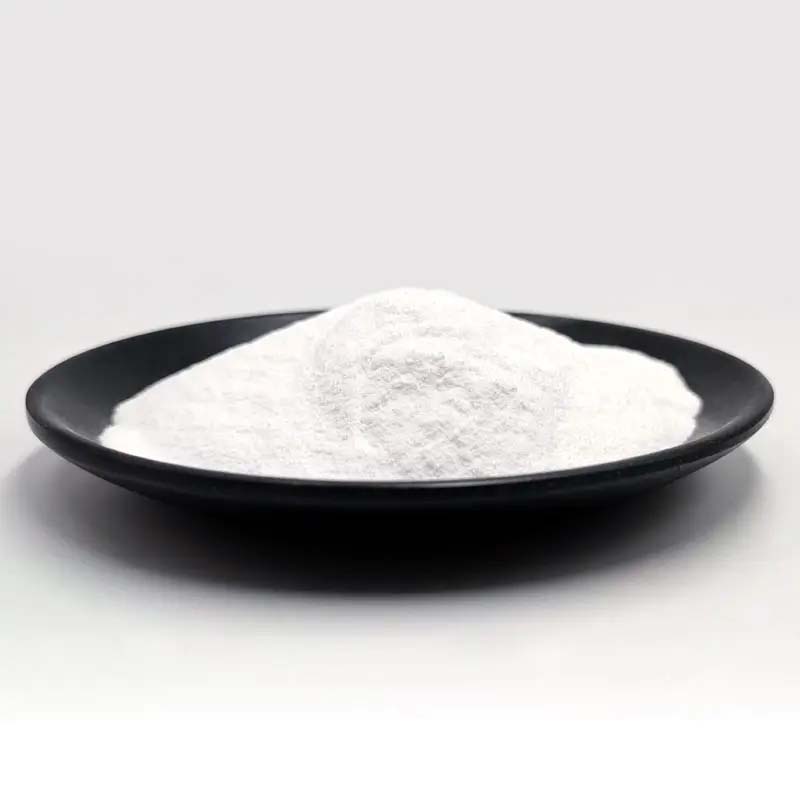
| Appearance | White to off-white powder | Typical physical state |
| pH of 2% solution | 5.0 – 8.5 | Moderate acidity-neutral |
Comparing Leading Hydroxypropyl Methyl Cellulose Suppliers
| Supplier | Product Range | Certifications | Technical Support | Global Presence |
|---|---|---|---|---|
| Supplier A | Broad range, pharma & construction | FDA, ISO 9001, Halal | On-site & remote technical teams | 20+ countries |
| Supplier B | Specializes in food-grade products | ISO 22000, Organic certified | Technical data sheets and consultancy | Europe-focused |
| Supplier C | Custom formulations & R&D collaboration | ISO 9001, REACH compliant | Dedicated innovation lab | Asia-Pacific, Americas |
Frequently Asked Questions About Hydroxypropyl Methyl Cellulose Supplier
- What should I look for when choosing a hydroxypropyl methyl cellulose supplier?
- Besides price, focus on supplier certifications (ISO, FDA), product consistency, technical support quality, and their ability to offer specific functional grades tailored to your application.
- How does variability in HPMC affect my manufacturing process?
- Variations in viscosity or purity can impact product texture, shelf life, or drug release rates. It’s critical to work with suppliers that guarantee tight quality control to minimize production hiccups.
- Can I get eco-friendly or organic HPMC?
- Yes, some suppliers offer HPMC sourced from sustainably farmed cellulose and processed with greener chemistry. Certifications like organic or ISO 14001 can guide you in making eco-conscious choices.
- How do suppliers support regulatory compliance?
- Good suppliers provide detailed documentation, certifications, and sometimes help with registration processes to ensure materials meet country-specific pharma or food regulations.
- Is it possible to co-develop custom HPMC formulations?
- Many suppliers welcome collaboration and have R&D teams to create custom grades for unique industrial or pharma needs, speeding up innovation and market entry.
Wrapping Up: Why Your Choice of Hydroxypropyl Methyl Cellulose Supplier Matters
At the end of the day, partnering with the right hydroxypropyl methyl cellulose supplier isn’t just about buying a chemical — it’s about securing quality, reliability, and a bit of peace of mind. From ensuring your medicines work as intended to making construction adhesives hold fast, this relationship drives your product’s success and often sustainability goals.
If you want to explore dependable suppliers or learn more about innovative HPMC grades, I suggest visiting our website for detailed insights and expert advice. As industries evolve, staying ahead means building trusted partnerships — and that starts here.
References
-
What Is VAE Powder? Complete Guide to Redispersible Polymer Powder (RDP) for ConstructionNewsApr.21,2026
-
HPMC Manufacturers in ChinaNewsApr.21,2026
-
What Is Redispersible Polymer Powder (RDP)? Complete Guide to VAE RDP for Mortar ApplicationsNewsApr.21,2026
-
Top Guide to Selecting Professional vae emulsion manufacturersNewsApr.16,2026
-
Viscosity of HPMCNewsApr.15,2026
-
HPMC Powder UsesNewsApr.15,2026