Sodium Carboxymethyl Cellulose | High Purity, Food & Pharma
Sodium Carboxymethyl Cellulose is a key solution in the energy industry, specifically within oil and gas and Oilfield Chemicals. This article explores how Pengze Technology (Shijiazhuang) Co., Ltd. supports professionals with durable, high-performance products, and explains why this product is an ideal choice for businesses in these sectors.
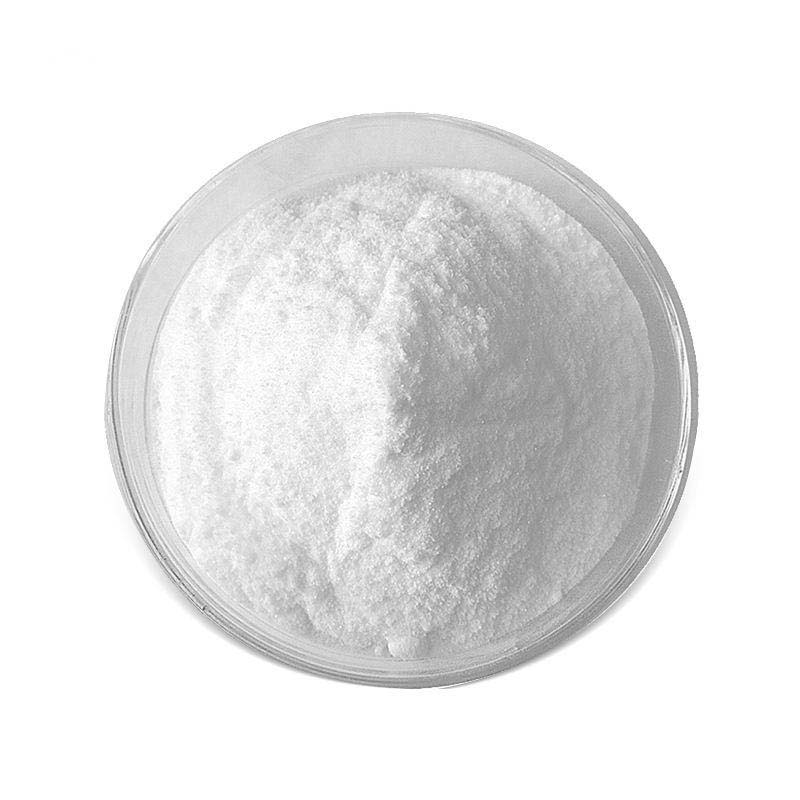
Table of Contents
- Sodium Carboxymethyl Cellulose Overview
- Benefits & Use Cases of Sodium Carboxymethyl Cellulose in Oilfield Chemicals
- Cost, Maintenance & User Experience
- Sustainability & Market Trends in energy
- Conclusion on Sodium Carboxymethyl Cellulose from Pengze Technology (Shijiazhuang) Co., Ltd.
Sodium Carboxymethyl Cellulose Overview
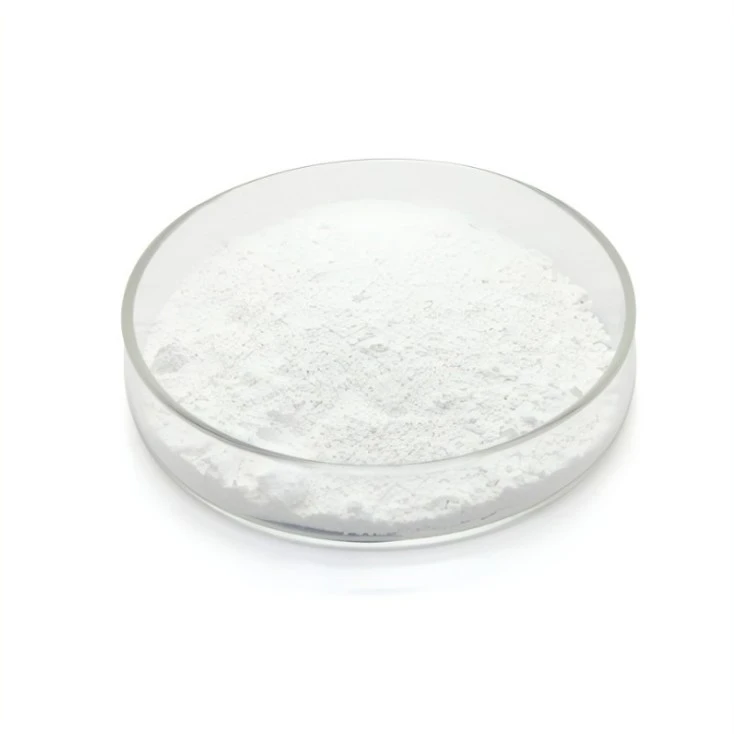
Sodium Carboxymethyl Cellulose (often abbreviated as CMC-Na, “cellulose sodium,” or colloquially called sodium methyl cellulose) is an anionic, water-soluble cellulose ether widely used to control rheology and filtrate loss in water-based drilling fluids. In oilfield chemicals, it hydrates to form a stable sodium carboxymethyl cellulose gel that builds viscosity, suspends solids, and forms a tight, low-permeability filter cake—helping maintain wellbore stability from spud muds to reservoir drill-in fluids. Beyond energy, its safety profile supports everyday uses such as sodium carboxymethyl cellulose in toothpaste, underscoring its versatility.
- Typical drilling-grade specifications include controlled degree of substitution (DS) and viscosity ranges tailored for LV/HV performance in fresh water and brines, delivering predictable rheology and API fluid-loss control.
- Engineered salt/calcium tolerance supports performance in KCl/NaCl systems and weighted muds, while low insolubles minimize screen plugging and solids contamination.
- Pengze Technology (Shijiazhuang) Co., Ltd. supplies consistent, drilling-grade CMC (including practical F/BF families and LV/HV options) backed by rigorous quality controls and reliable global logistics.
Benefits & Use Cases of Sodium Carboxymethyl Cellulose in Oilfield Chemicals
In drilling operations, Sodium Carboxymethyl Cellulose is a workhorse additive for water-based muds. It increases low-shear-rate viscosity to suspend cuttings and weighting agents, builds a robust filter cake to reduce filtrate invasion, and stabilizes rheology under varying temperatures and salinity. Operators commonly deploy CMC in surface hole spud muds, intermediate sections with reactive shales, reservoir drill-in fluids requiring minimal formation damage, and workover/completion pills where clean, low-solids fluid is essential.
- Applications: viscosity modification and API fluid-loss control in fresh to brackish water, KCl/NaCl brines, and weighted systems with barite/hematite; compatible with bentonite, PAC, and xanthan for tailored rheology.
- Advantages: fast hydration, consistent DS, low residue, salt tolerance, and stable gel strengths—helping minimize stuck-pipe risk, torque/drag, and differential sticking. Dosages are typically optimized in the low kg/m³ range to meet desired rheology without over-treating.
- Pengze Technology (Shijiazhuang) Co., Ltd. offers multiple viscosity grades and packaging formats with technical support for mud design, enabling operators and service companies to lower complexity and improve fluid performance on-site.
Cost, Maintenance & User Experience
Total cost of ownership with Sodium Carboxymethyl Cellulose is driven by predictable dosing, reduced dilution rates, and fewer non-productive time events stemming from fluid loss and wellbore instability. Because CMC rapidly hydrates and forms a resilient gel structure, it helps stabilize mud properties, lowering additive consumption over the well’s life. The result is a practical ROI: better cuttings transport, cleaner hole cleaning, and tighter filtrate control that can translate into fewer trips and improved rate of penetration continuity.
- Durability and handling: dry, free-flowing powder with long shelf life when stored sealed in a cool, dry environment; easy to mix through a mud hopper with adequate shear. Routine mud checks confirm stable PV/YP and gel strengths.
- User feedback: drilling and service companies report consistent API fluid-loss reductions and smoother rheology control compared with lower-purity alternatives. Pengze Technology (Shijiazhuang) Co., Ltd. supports field crews with dosing guidance and troubleshooting for both LV and HV formulations.
Sustainability & Market Trends in energy
As energy companies expand water-based drilling programs and tighten environmental standards, bio-based polymers like Sodium Carboxymethyl Cellulose gain relevance. Derived from natural cellulose, CMC is inherently biodegradable and non-toxic, fitting the shift toward lower-impact fluid systems and aligning with regulatory expectations across major basins. Its performance in brines makes it a practical substitute or complement to purely synthetic polymers, balancing efficiency with environmental stewardship.
- Trendlines: rising adoption of high-performance WBM, emphasis on reduced formation damage, and preference for additives with favorable HSE profiles—supported by transparent supply chains and consistent specifications.
- Pengze Technology (Shijiazhuang) Co., Ltd. invests in modernized production and responsible operations, offers packaging options to reduce waste, and provides dependable logistics—positioning the company as a forward-thinking, eco-conscious partner for oilfield chemicals.
Conclusion on Sodium Carboxymethyl Cellulose from Pengze Technology (Shijiazhuang) Co., Ltd.
For B2B decision makers in oil and gas, Sodium Carboxymethyl Cellulose delivers dependable rheology control, robust filtrate reduction, and broad brine compatibility—driving drilling efficiency and reducing risk. Backed by Pengze Technology (Shijiazhuang) Co., Ltd.’s quality manufacturing and technical support, CMC-Na (cellulose sodium) provides consistent, field-proven performance across water-based mud designs. Contact us to discuss grade selection and logistics tailored to your operations.
- Value recap: reliable viscosity, tight API fluid loss, and cleaner operations in drilling and workover fluids.
- Supplier you can trust: Pengze Technology (Shijiazhuang) Co., Ltd. combines dependable quality with practical field support.
- Strong CTA: Contact us: email: ben@pezetech.com — Visit our website: https://www.pezetech.com — Product page: Sodium Carboxymethyl Cellulose
-
Top Guide to Selecting Professional vae emulsion manufacturersNewsApr.16,2026
-
Viscosity of HPMCNewsApr.15,2026
-
HPMC Powder UsesNewsApr.15,2026
-
Understanding VAE Emulsion for Modern Industrial CoatingsNewsApr.09,2026
-
Comprehensive Guide to Redispersible Emulsion Powder and its ApplicationsNewsApr.07,2026
-
Comprehensive Guide to Redispersible Latex Powder for Construction ApplicationsNewsApr.04,2026