Sodium carboxymethyl cellulose in toothpaste: why choose it?
What formulators really ask about sodium carboxymethyl cellulose in toothpaste
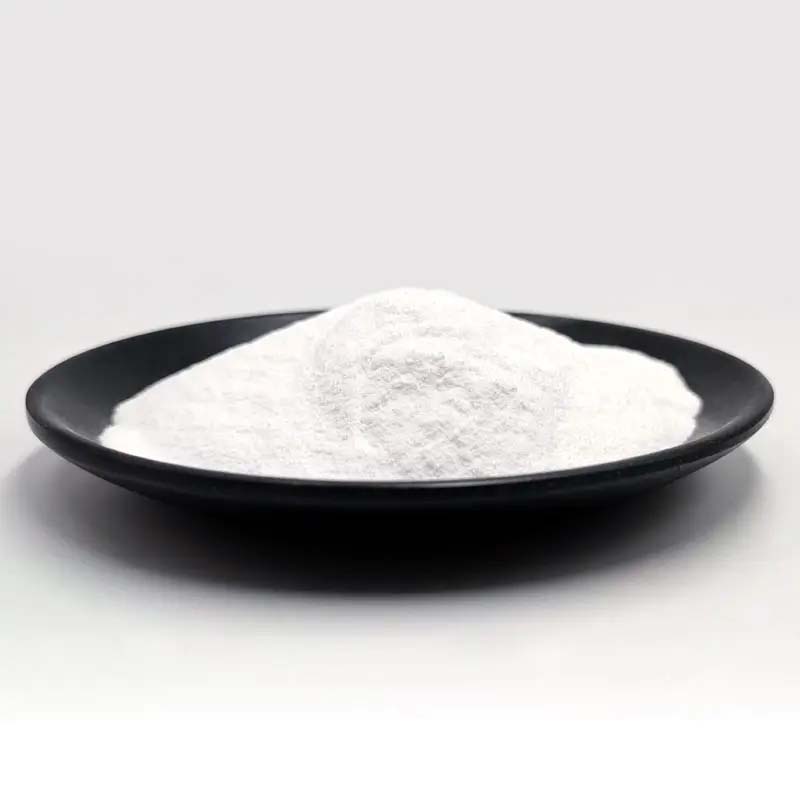
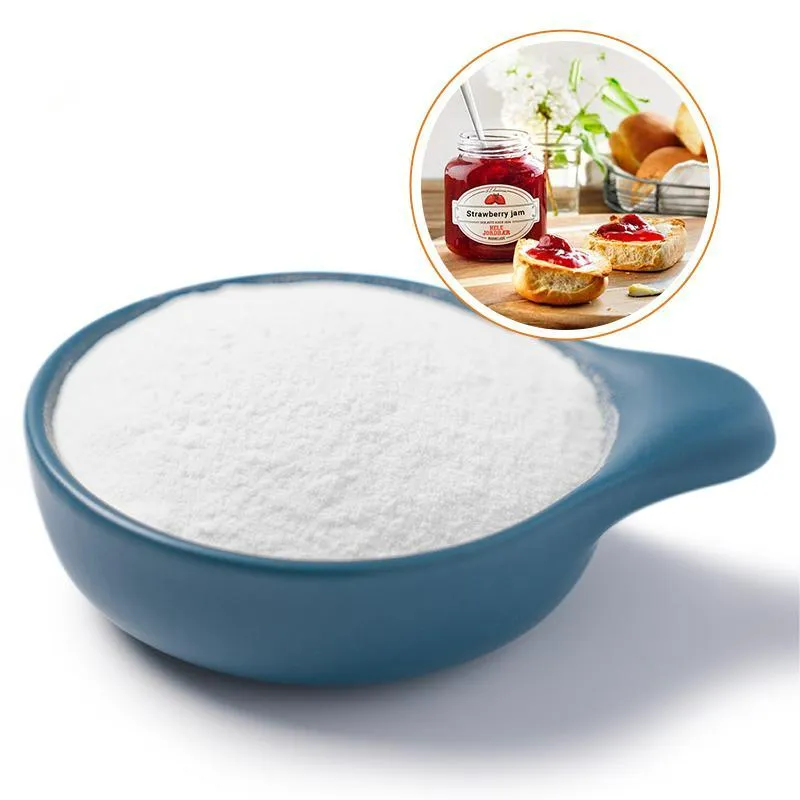
If you spend time in oral care labs (I do, probably too much), you’ll hear a recurring theme: predictable viscosity without gelling disasters. That’s where High Quality Sodium Carboxymethyl Cellulose CMC from Pezetech has been quietly winning projects. The material isn’t glamorous, but it’s the backbone of a stable paste—keeps abrasives suspended, fluoride uniformly distributed, and the ribbon neat on the brush. And, to be honest, when tube stability fails, everything else is noise.
Trends I’m seeing right now
- Cold processing to reduce energy use; CMC hydrates fast in ambient water, which helps.
- Microplastic-free rheology (no crosslinked polyacrylates); sodium carboxymethyl cellulose in toothpaste fits the bill.
- Fluoride performance scrutiny per ISO 11609; stable binders protect bioavailability.
- “Sulfate-free” and “clean-label” claims; cellulose ethers read well to consumers, surprisingly.
Technical snapshot (real-world ranges)
| Parameter | Typical spec (≈) | Comments |
|---|---|---|
| Degree of Substitution (DS) | 0.70–0.95 | Higher DS → better salt tolerance |
| Viscosity (1% aq., 25°C) | 2,000–8,000 mPa·s | Brookfield LV, spindle/rpm per COA |
| pH (1% sol.) | 6.5–8.5 | Compatible with fluoride salts |
| Purity (NaCl + NaGlycolate) | ≤7.0% | Meets FCC/USP monographs |
| Moisture (LOD) | ≤10% | Dry-flow grades available |
| Microbiological | TAMC | USP / methods |
In practice, formulators tell me a 0.4–0.8% use level of sodium carboxymethyl cellulose in toothpaste gives a smooth ribbon and consistent stand-up in laminated tubes, with less flavor “lock-up” versus some crosslinked polymers.
Process flow: toothpaste with CMC
- Hydrate CMC in deionized water (room temp) under moderate shear; allow 20–30 min for full hydration.
- Add humectants (sorbitol/glycerin), then abrasives (e.g., silica) and fluoride source; maintain pH 7–8.
- Blend sweetener, flavors, color; defoam. Cold process is common now—saves energy, I guess.
- QC: Brookfield viscosity (25°C), stand-up/ribbon, fluoride availability (ISO 11609), micro (USP).
- Filling: laminate or HDPE tubes; target 24–36 months shelf life depending on packaging and water activity.
Where it shines
- Kids’ gels (clear systems), whitening pastes, herbal lines, high-fluoride OTC, peroxide-compatible pre-mixes.
- Also used beyond oral care: pharma gels, food saucing, and home care—handy if your plant cross-utilizes inventory.
Vendor snapshot (what buyers compare)
| Vendor | Certifications | Customization | Lead time | Notes |
|---|---|---|---|---|
| Pezetech (Hebei, CN) | ISO 9001; Halal/Kosher (on request) | Viscosity, DS, particle size | ≈2–4 weeks | Origin: 1601, Block B, New Century Diamond Plaza, No. 466 Zhongshan East Road, Chang'an District, Shijiazhuang |
| Vendor A | ISO 22000 | Limited | 3–6 weeks | Higher MOQ |
| Vendor B | USP/FCC compliant | Viscosity only | ≈4 weeks | Premium pricing |
Customization and QA
Pezetech tunes sodium carboxymethyl cellulose in toothpaste for DS and viscosity windows, provides COAs with Brookfield method details, and can add low-bioburden handling. Many customers say documentation lands fast, which reduces change-control headaches.
Mini case notes
- Mid-market whitening paste: swapped 0.6% CMC for 0.45% blend (CMC + xanthan), cut cost 8% while keeping ISO 11609 fluoride availability >80% of label after 12 weeks at 40°C.
- Kids’ clear gel: 0.5% CMC with low-iron silica yielded haze
Actually, the quiet advantage is sensory—CMC gives that “cushioned” brush feel without plastic-like drag. Real users notice, even if they can’t name it.
Compliance, testing, and standards
- ISO 11609: Dentifrice requirements and tests (fluoride, abrasivity, stability).
- USP–NF/FCC monographs for Carboxymethylcellulose Sodium (identity, purity).
- USP / microbiological quality; optional ISO 21149 for cosmetics.
- GRAS status in the US (21 CFR 182.1745) for certain uses—handy for global dossiers.
References
- ISO 11609:2017 Dentistry — Dentifrices — Requirements, test methods and marking.
- USP–NF Monograph: Carboxymethylcellulose Sodium; FCC Monograph, latest editions.
- 21 CFR §182.1745 — Sodium carboxymethylcellulose (GRAS).
- USP / Microbiological Examination of Nonsterile Products.
- American Dental Association, Seal Program Guidance for Dentifrices (public criteria).
-
What Is VAE Powder? Complete Guide to Redispersible Polymer Powder (RDP) for ConstructionNewsApr.21,2026
-
HPMC Manufacturers in ChinaNewsApr.21,2026
-
What Is Redispersible Polymer Powder (RDP)? Complete Guide to VAE RDP for Mortar ApplicationsNewsApr.21,2026
-
Top Guide to Selecting Professional vae emulsion manufacturersNewsApr.16,2026
-
Viscosity of HPMCNewsApr.15,2026
-
HPMC Powder UsesNewsApr.15,2026