Top Guide to Selecting Professional vae emulsion manufacturers
Choosing the Right VAE Emulsion Manufacturers for Industrial Success
In the modern chemical landscape, the quality of your adhesive or coating depends heavily on the purity and stability of your raw materials. Partnering with professional vae emulsion manufacturers is critical for businesses aiming to optimize production efficiency and product longevity. Vinyl Acetate Ethylene (VAE) emulsions offer a versatile, eco-friendly alternative to traditional binders, providing exceptional flexibility and adhesion. Whether you are in the construction, textile, or packaging industry, understanding the technical nuances of VAE production ensures you select a supplier that meets international quality standards. In this guide, we will explore how to evaluate manufacturers and the technical advantages of high-grade VAE emulsions.
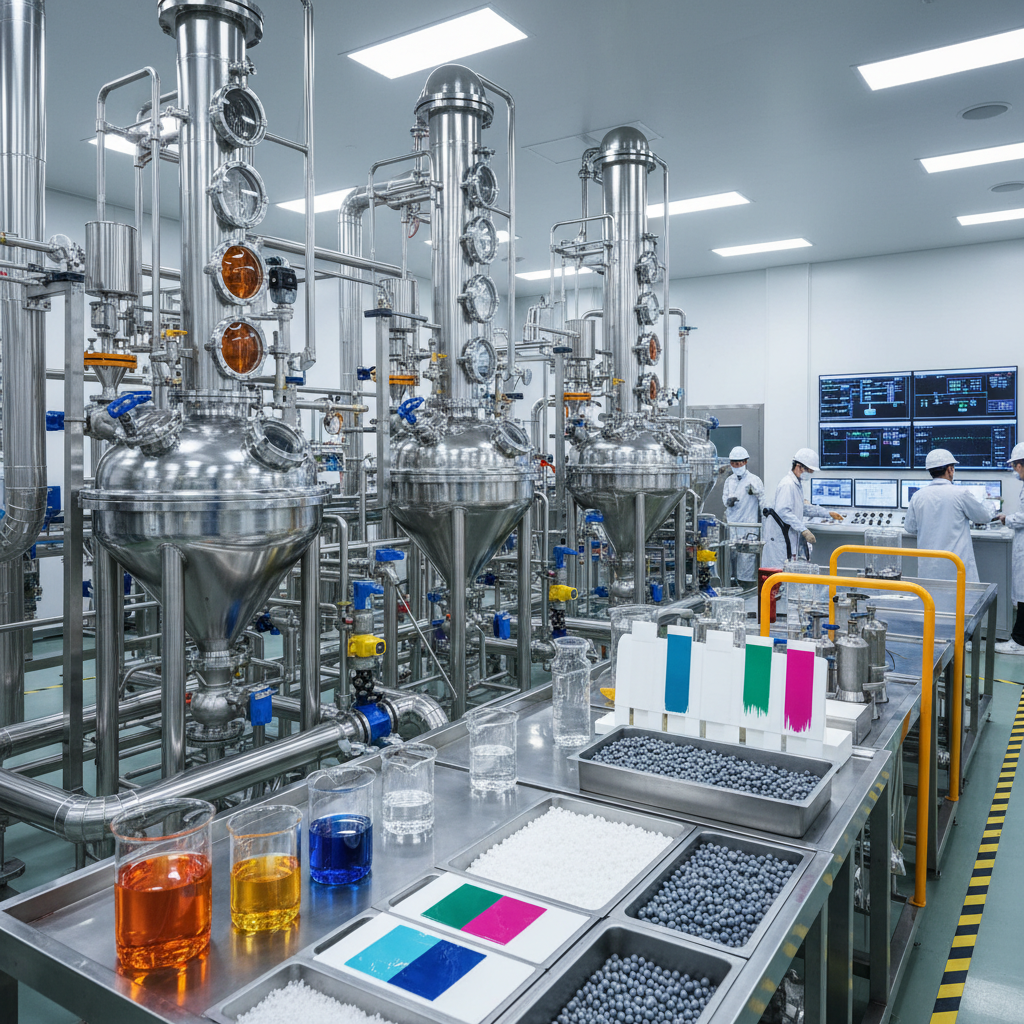
The Core Role of VAE Emulsions in Modern Industry
VAE emulsions are copolymer dispersions known for their low toxicity and high stability. Unlike some solvent-based adhesives, VAE is water-borne, making it a preferred choice for environmentally conscious brands. Leading vae emulsion manufacturers employ advanced polymerization techniques to control particle size and distribution, which directly affects the final product's viscosity and drying time. These emulsions are widely used as binders in interior wall paints, wood adhesives, and non-woven fabrics, where they provide an ideal balance of hardness and elasticity.
Industry Insight: The shift toward VOC-free (Volatile Organic Compounds) materials has pushed the demand for VAE emulsions, as they provide superior performance without compromising air quality in indoor environments.
Technical Specifications from Leading VAE Emulsion Manufacturers
When sourcing from vae emulsion manufacturers, technical data sheets (TDS) are the most reliable way to compare quality. Key parameters such as solid content, glass transition temperature (Tg), and pH value determine the application suitability. For instance, a higher solid content typically means better coverage and lower water consumption during application. Below is a typical specification table for industrial-grade VAE emulsions used in adhesives and coatings.
VAE Emulsion vs. PVA Emulsion: Which is Better?
A common dilemma for procurement managers is choosing between Polyvinyl Acetate (PVA) and VAE. While both are widely produced by vae emulsion manufacturers, the addition of ethylene in VAE provides a significant upgrade in performance. PVA is often more brittle and susceptible to water damage. In contrast, VAE emulsions offer superior water resistance and flexibility, making them indispensable for outdoor applications or high-stress joints in construction.
Key Advantages of VAE over PVA:
• Enhanced flexibility and impact resistance
• Better adhesion to diverse substrates (plastic, metal, wood)
• Improved water-repellency after drying
• Lower overall VOC emissions
Evaluating Global VAE Emulsion Manufacturers
Not all vae emulsion manufacturers are created equal. To ensure consistent quality, you must look beyond the price tag. First, verify their quality control (QC) systems—ISO certifications are a baseline, but batch-to-batch consistency reports are a sign of a true professional. Second, assess their R&D capabilities. A manufacturer that can customize the glass transition temperature or viscosity for your specific application will save you thousands in formulation trials. Finally, check their supply chain reliability to avoid production shutdowns caused by raw material shortages.
Applications and Market Trends for VAE Products
The demand for VAE is evolving. Current trends show a surge in "green building" materials, where vae emulsion manufacturers are developing specialized grades for low-emission adhesives. In the textile industry, VAE is being used to create high-performance non-woven fabrics for medical gowns and filters. The versatility of these emulsions allows them to be blended with other polymers to achieve specific properties, such as increased fire retardancy or antimicrobial characteristics, expanding their utility across diverse industrial sectors.
Optimizing Storage and Handling of VAE Emulsions
To maintain the integrity of the product supplied by vae emulsion manufacturers, proper storage is non-negotiable. Because they are water-based, VAE emulsions are susceptible to freeze-thaw cycles. If the emulsion freezes, the polymer particles can coagulate, leading to "grittiness" in the final application. It is recommended to store these materials in temperature-controlled warehouses between 5°C and 35°C. Additionally, using stainless steel or plastic-lined containers prevents metallic contamination, which could otherwise destabilize the emulsion pH.
Conclusion: Securing Your Supply Chain with Quality VAE
Choosing the right vae emulsion manufacturers is not just about purchasing a chemical; it is about securing the performance and reliability of your end products. By focusing on technical specifications, comparing VAE to PVA, and ensuring rigorous storage protocols, businesses can achieve a competitive edge in quality and sustainability. Invest in partners who prioritize R&D and consistency to ensure your production line remains efficient and your customers remain satisfied.
Frequently Asked Questions (FAQs)
How do I determine if a VAE emulsion is suitable for my specific project?
The best way to determine suitability is to request a sample and a Technical Data Sheet (TDS) from the vae emulsion manufacturers. You should focus on the Glass Transition Temperature (Tg); a lower Tg provides more flexibility (ideal for textiles), while a higher Tg provides more hardness (ideal for wood adhesives). Conduct a small-scale trial to test the adhesion strength and drying time on your specific substrate before committing to a bulk order.
What is the typical shelf life of a VAE emulsion?
Typically, VAE emulsions have a shelf life of 6 to 12 months, provided they are stored in original, unopened containers under recommended temperature conditions. Because they are biological environments, contamination can lead to spoilage. We recommend a "First-In, First-Out" (FIFO) inventory system to ensure you are using the freshest material. Always check for signs of phase separation or unusual odors before use, as these may indicate the product has exceeded its stable lifespan.
Are VAE emulsions safe for use in indoor residential applications?
Yes, VAE emulsions are highly regarded for indoor use because they are water-borne and have very low VOC emissions compared to solvent-based alternatives. Most professional vae emulsion manufacturers ensure their products are non-toxic and comply with global environmental standards. This makes them ideal for wall coatings, flooring adhesives, and furniture glues in homes, hospitals, and schools where air quality is a priority.
Can VAE emulsions be mixed with other binders?
In many cases, yes. VAE emulsions are often blended with acrylics or PVA to create a hybrid binder that combines the best properties of each. For example, blending VAE with acrylics can increase UV resistance and weatherability for semi-outdoor use. However, it is critical to ensure that the pH levels of the blending components are compatible to prevent the emulsion from "breaking" or coagulating. We recommend consulting with your manufacturer's technical team to determine the optimal mixing ratio.
-
Viscosity of HPMCNewsApr.15,2026
-
HPMC Powder UsesNewsApr.15,2026
-
Understanding VAE Emulsion for Modern Industrial CoatingsNewsApr.09,2026
-
Comprehensive Guide to Redispersible Emulsion Powder and its ApplicationsNewsApr.07,2026
-
Comprehensive Guide to Redispersible Latex Powder for Construction ApplicationsNewsApr.04,2026