Comprehensive Guide to Redispersible Polymer Powders for Construction Excellence
Redispersible Polymer Powders: A Comprehensive Guide
Redispersible polymer powders (RDP) are crucial additives in the construction industry, enhancing the performance and workability of cementitious materials. These powders, when added to dry-mix mortars, improve adhesion, flexibility, and water retention. Understanding the properties and applications of redispersible polymer powders is vital for professionals seeking high-quality construction materials. This article provides an in-depth look at RDPs, their benefits, and how they contribute to superior construction outcomes.
What are Redispersible Polymer Powders?
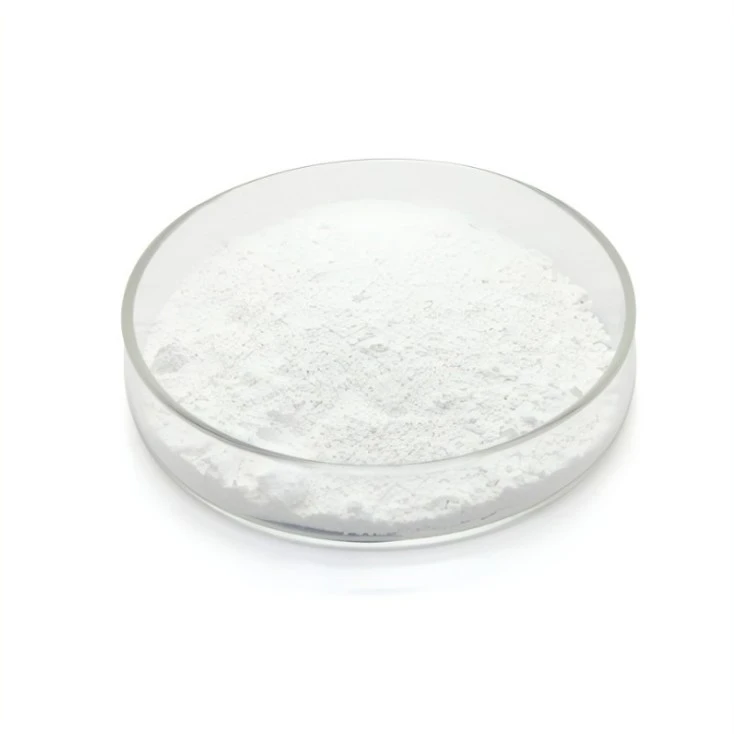
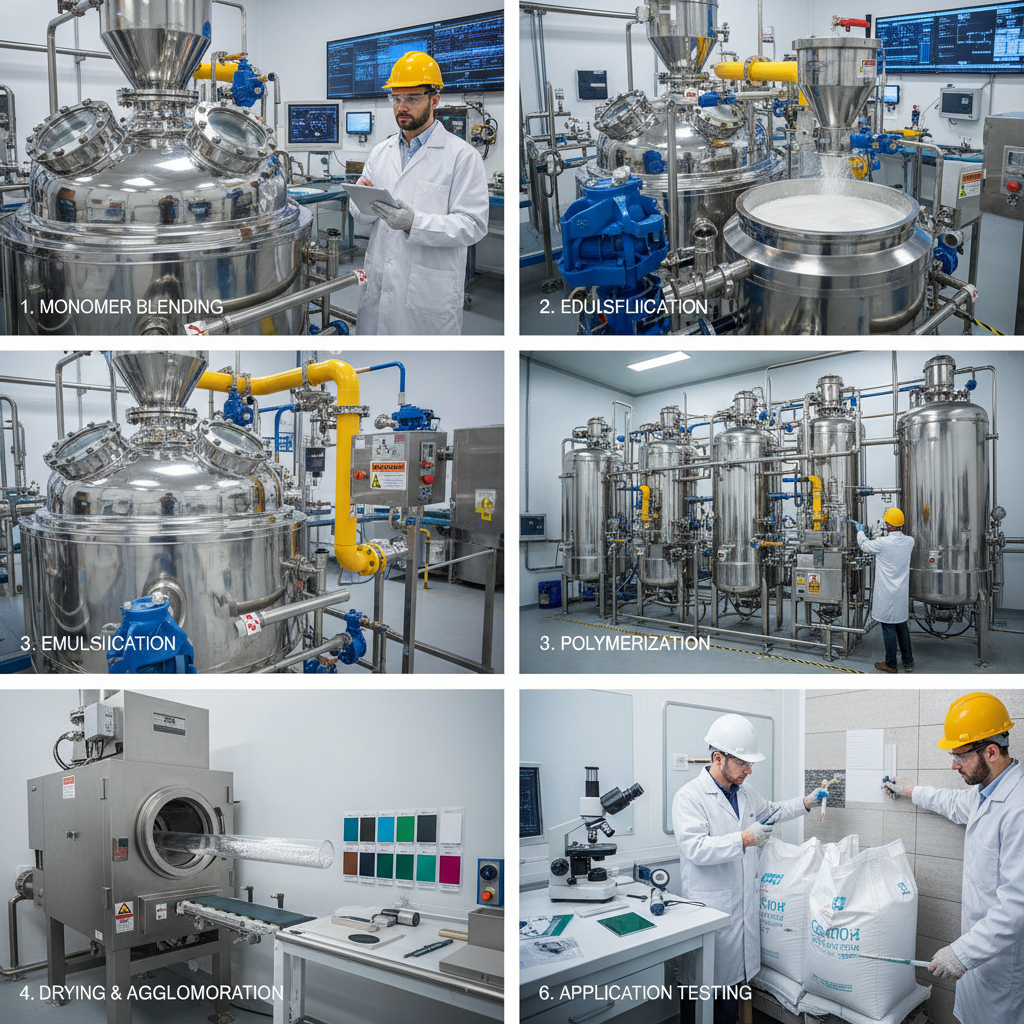
Redispersible polymer powders are produced by spray-drying polymer emulsions. This process transforms a liquid emulsion into a free-flowing powder, which can be easily mixed with dry-mix mortars. Upon the addition of water, the powder readily redisperses, reforming the original polymer emulsion. This characteristic is the key to their functionality. The polymers commonly used include vinyl acetate ethylene (VAE), vinyl acetate-vinyl versatate (VAc-VV), and styrene-butadiene rubber (SBR). Each polymer type offers unique properties, influencing the final performance of the mortar. Pezetech offers a comprehensive range of RDPs tailored to various application needs.
Key Highlights: Produced by spray-drying polymer emulsions, easily mixed with dry-mix mortars, and readily redisperses upon water addition.
The Benefits of Using Redispersible Polymer Powders
Incorporating RDPs into cementitious systems delivers numerous benefits. Improved adhesion to substrates is a primary advantage, leading to stronger and more durable bonds. Enhanced flexibility reduces cracking and improves resistance to thermal and mechanical stresses. Water retention capabilities allow for better hydration of cement, increasing strength development and workability. Furthermore, RDPs enhance the sag resistance of mortars, making them easier to apply on vertical surfaces. They also contribute to reduced dust generation and improved open time.
Benefits at a Glance:
• Improved adhesion and bonding strength
• Enhanced flexibility and crack resistance
• Increased water retention for better cement hydration
• Enhanced sag resistance for easier application
Redispersible Polymer Powder Types and Their Applications
Different polymer types are suited for specific applications. VAE-based RDPs offer excellent adhesion and flexibility, commonly used in tile adhesives and self-leveling compounds. VAc-VV RDPs provide superior water resistance and are ideal for exterior applications like external wall insulation systems (EWIS). SBR-based RDPs exhibit high strength and durability, making them suitable for repair mortars and concrete strengthening. Selecting the right RDP is crucial for achieving optimal performance. Pezetech’s technical team can provide expert guidance on polymer selection.
Application Areas for Redispersible Polymer Powders
The versatility of RDPs allows for use in a wide variety of construction applications. These include tile adhesives, cement renders, self-leveling compounds, repair mortars, exterior insulation finishing systems (EIFS), grouts, and concrete admixtures. The correct dosage of RDP is critical and depends on the specific application and desired properties. Overdosing can lead to reduced strength, while underdosing may not provide sufficient performance enhancement.
Quality Control and Standards for Redispersible Polymer Powders
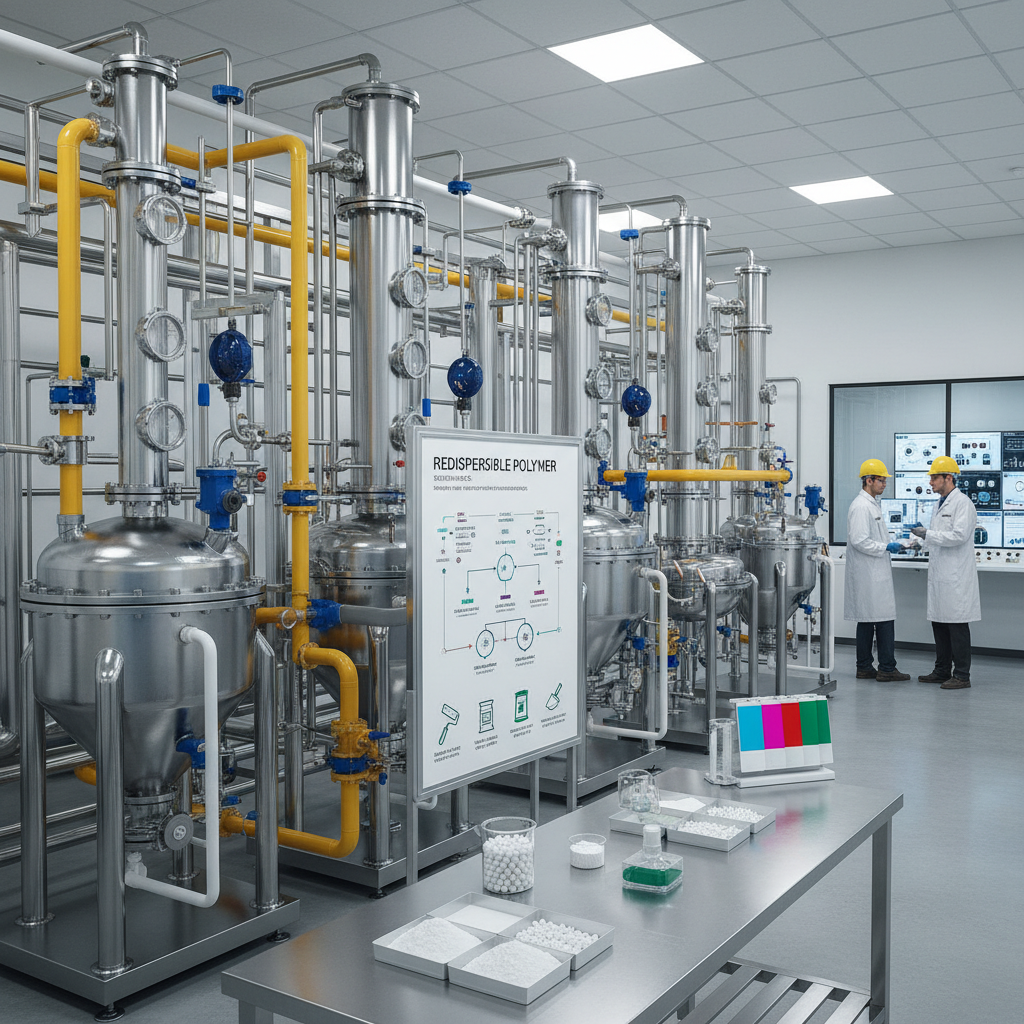
Ensuring the quality of RDPs is paramount for consistent performance. Key quality control parameters include particle size distribution, viscosity, residual moisture content, and polymer content. Reputable manufacturers adhere to stringent quality standards, such as ISO 9001. It is essential to select a supplier who provides detailed product specifications and certificates of analysis. Pezetech is committed to delivering high-quality RDPs that meet or exceed industry standards.
Conclusion: Enhancing Construction Performance with RDPs
Redispersible polymer powders are indispensable additives for modern construction, delivering significant performance improvements in a wide range of applications. By understanding the different polymer types and their properties, professionals can select the optimal RDP for their specific needs. Investing in high-quality RDPs, such as those offered by Pezetech, ensures durable, reliable, and high-performing construction projects.
Frequently Asked Questions (FAQs)
What is the recommended dosage of RDP in tile adhesives?
The optimal dosage of RDP in tile adhesives typically ranges from 2% to 6% by weight of the cementitious material. However, the specific dosage depends on the type of cement, the aggregate size, and the desired performance characteristics. Higher dosages generally improve adhesion and flexibility but can also increase the cost and potentially reduce early strength development. It's crucial to follow the manufacturer’s recommendations and conduct trial mixes to determine the ideal dosage for your specific application.
How should RDP be stored to maintain its quality?
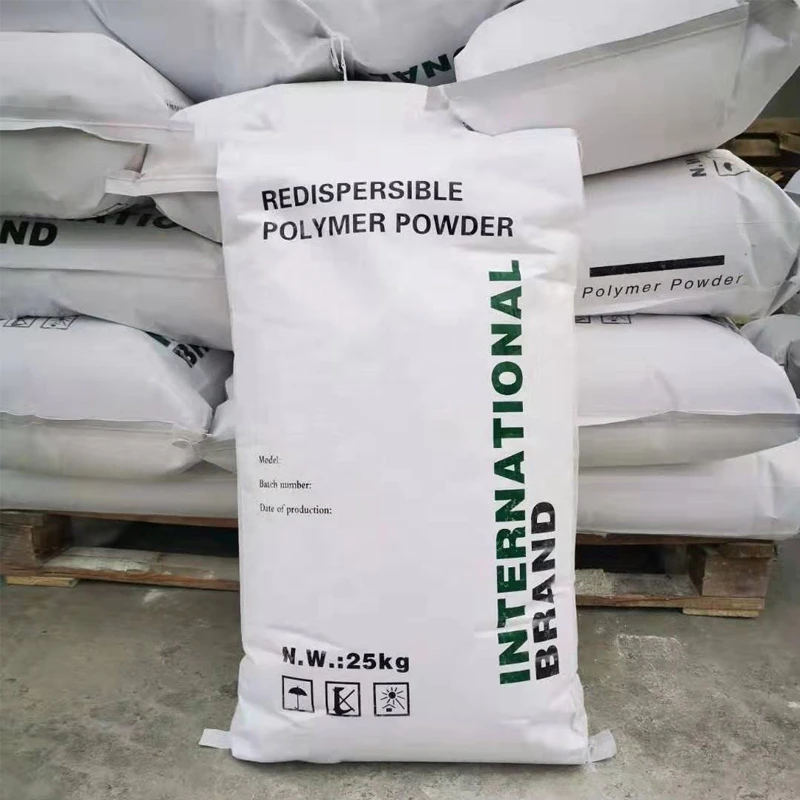
RDP should be stored in a cool, dry, and well-ventilated area, away from direct sunlight, heat sources, and moisture. It's best to keep the product in its original, unopened packaging to prevent contamination and maintain its quality. Avoid stacking pallets too high to prevent compression and damage. Proper storage conditions are essential to ensure the RDP remains free-flowing and redispersible when used.
What are the environmental benefits of using RDPs?
RDPs contribute to environmental sustainability in several ways. By improving the durability and lifespan of construction materials, they reduce the need for frequent repairs and replacements, minimizing waste. Enhanced adhesion and reduced cracking lead to lower energy consumption for heating and cooling. Furthermore, many RDP manufacturers are committed to sustainable production practices, reducing their carbon footprint and minimizing environmental impact.
-
Top Guide to Selecting Professional vae emulsion manufacturersNewsApr.16,2026
-
Viscosity of HPMCNewsApr.15,2026
-
HPMC Powder UsesNewsApr.15,2026
-
Understanding VAE Emulsion for Modern Industrial CoatingsNewsApr.09,2026
-
Comprehensive Guide to Redispersible Emulsion Powder and its ApplicationsNewsApr.07,2026
-
Comprehensive Guide to Redispersible Latex Powder for Construction ApplicationsNewsApr.04,2026