9049 76 7 Hydroxypropyl Starch | High Purity & Fast Delivery
Hydroxypropyl Starch Ether (E1440) for Food: What’s Moving the Market and What Actually Works
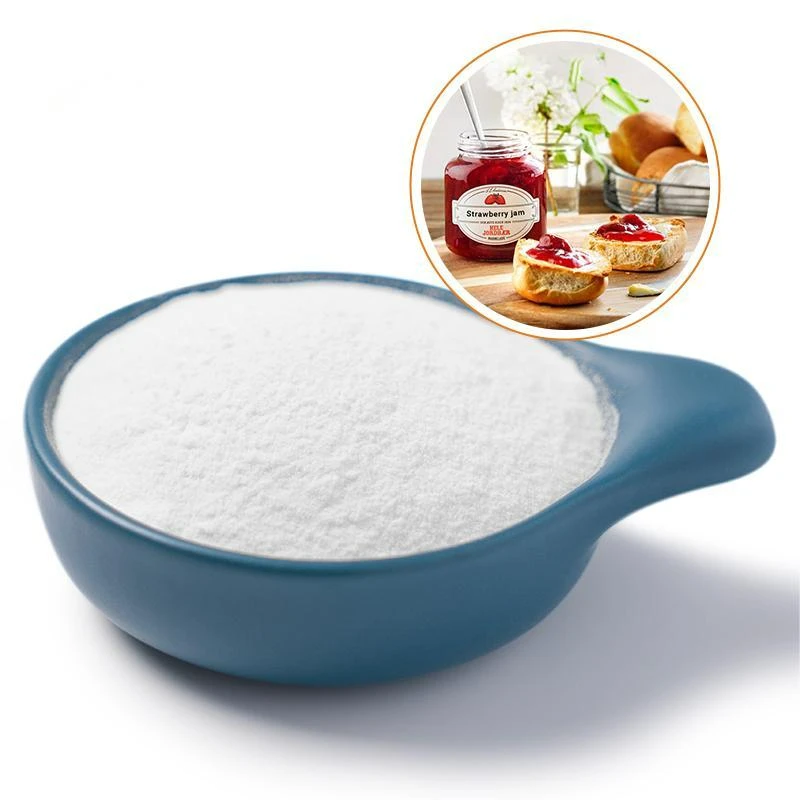
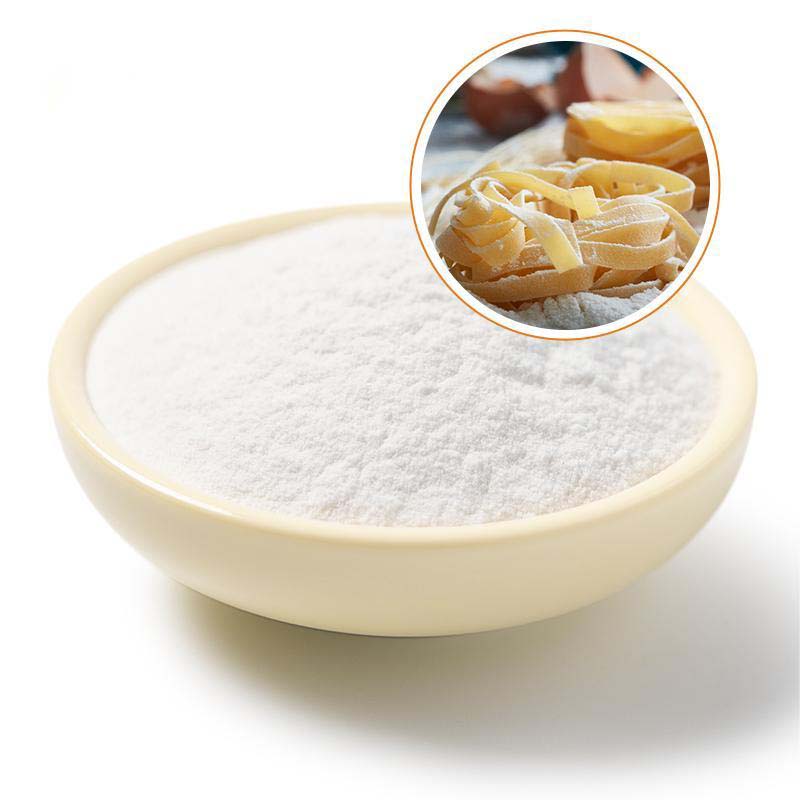
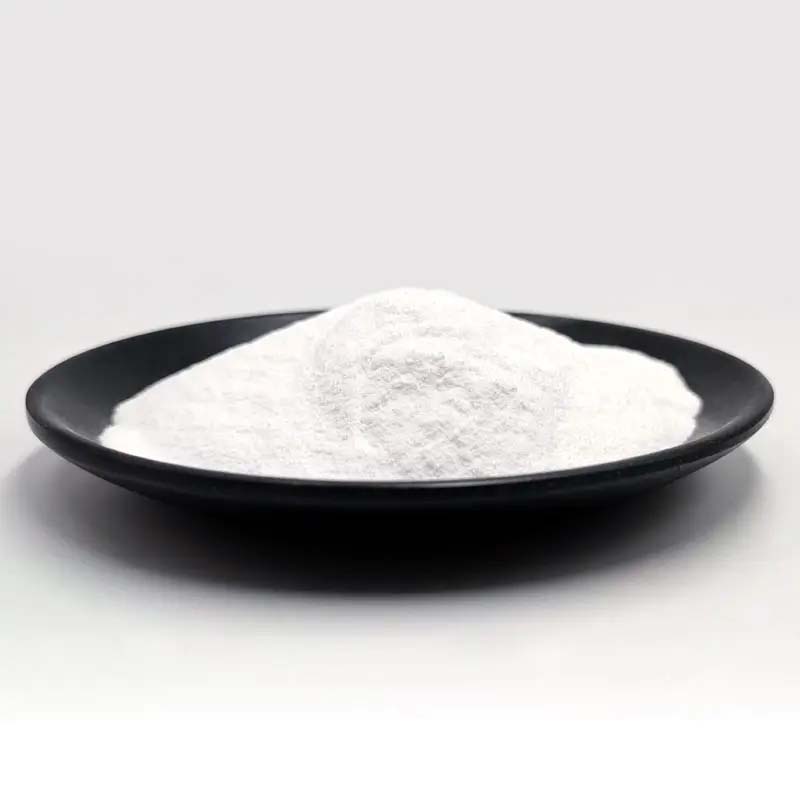
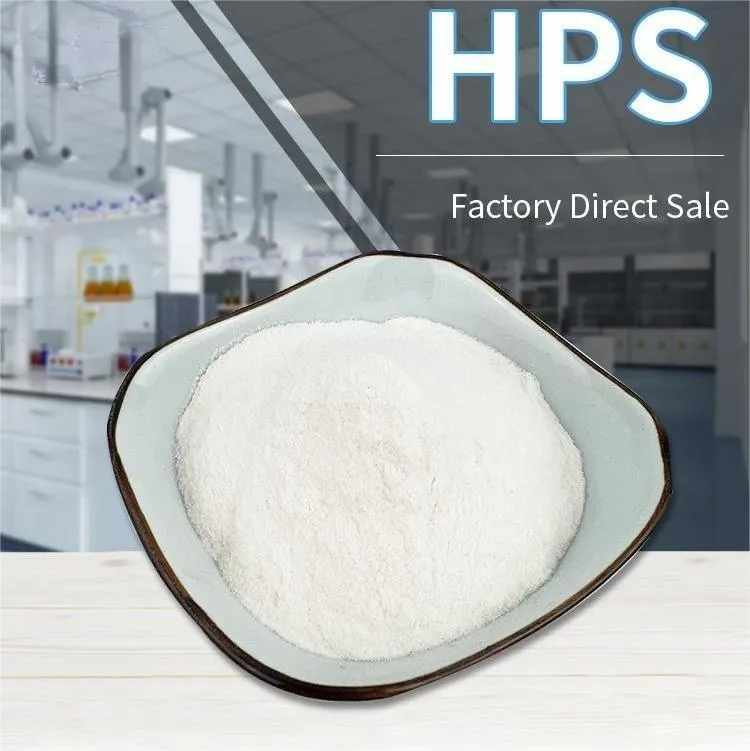
If you’ve been hunting for [9049 76 7] in a practical, production-ready grade, here’s the reality from the factory floor. Hydroxypropyl starch ether (HPS) is that quietly essential white powder food technologists rely on for stable viscosity, clean taste, and freeze–thaw reliability. It’s made from natural plant starch and then smartly etherified—no plasticizer, spray-dried, consistent. I’ve seen it slot into lines without drama, which, frankly, is what you want.
Industry Trends at a Glance
- Shift to label-friendly modified starches (E1440) with tighter DS control and predictable shear stability.
- Demand for freeze–thaw stability in frozen meals and bakery fillings continues to climb.
- Vendors competing on documentation: HACCP, ISO 22000, Halal/Kosher—buyers ask early now.
What It Is (Quick Tech)
HPS is a fine, free-flowing powder derived from corn or tapioca, etherified with propylene oxide, then washed and spray-dried. It’s not your grandmother’s starch; it’s engineered for consistent paste clarity, acid tolerance, and hot/cold process versatility. Many customers say viscosity “just holds” through retort or frozen storage—less fire-fighting on line.
Typical Specifications
| Parameter | Typical Range (≈ / real-world may vary) |
| Appearance | White to off-white powder |
| Degree of Substitution (DS) | ≈0.08–0.20 |
| Viscosity (2% sol., 25°C, Brookfield RVT, 20 rpm) | ≈300–3500 mPa·s |
| Moisture | ≤12% |
| pH (1% slurry) | 5.0–8.0 |
| Ash | ≤0.5% |
| Regulatory | E1440; 21 CFR 172.892 compliant; per EU 231/2012 specs |
Process Flow, Materials, and Testing
Materials: food-grade native starch (corn/tapioca), alkali, propylene oxide, potable water. Methods: slurry prep → alkalization → etherification under controlled temperature/pressure → neutralization → washing → filtration → spray drying (no plasticizer) → sieving → packing. Quality tests: DS by titration/GC; viscosity by Brookfield (ISO 2555 reference); moisture by Karl Fischer (ASTM E203) or oven; microbiology (ISO 4833-1, ISO 21527); heavy metals by ICP-OES. Shelf life: ≈24 months, cool & dry, sealed sacks.
Applications and Advantages
- Soups, sauces, gravies: stable thickness, good sheen, acid tolerance.
- Bakery fillings, custards: reduced syneresis, freeze–thaw stability.
- Noodles and coatings: improved bite and anti-stick behavior.
- Dairy and RTD beverages: suspension stability with clean taste.
Dose guide: 0.3–1.5% typically; pilot up or down based on shear/thermal load. To be honest, small bench tests save a lot of plant-time later.
Vendor Comparison (What Buyers Actually Ask)
| Factor | Pezetech HPS | Supplier A (Generic) | Supplier B (EU) |
| DS Control | Tight, batch COA | Medium variance | Tight |
| Viscosity Options | Low–high grades | Limited | Moderate |
| Certifications | ISO 22000/HACCP, Halal/Kosher (on request) | Basic HACCP | BRC/IFS |
| Lead Time | ≈2–3 weeks | ≈4–6 weeks | ≈3–5 weeks |
Customization and Real-World Feedback
Custom DS and viscosity windows, granulation for dust control, and blends with phosphate or acetylated starches—those are common requests. One sauce brand reported ≈40% syneresis reduction in frozen reheats switching to [9049 76 7]. A bakery client pushed retort cycles harder without viscosity collapse; QC graphs looked boring—in a good way.
Compliance, Docs, Origin
E1440 spec per EU 231/2012 and FDA 21 CFR 172.892; JECFA monograph available. COA with DS, viscosity, moisture, ash, microbiology. Factory traceability and allergen statement available. Origin: 1601, Block B, New Century Diamond Plaza, No. 466 Zhongshan East Road, Chang'an District, Shijiazhuang City, Hebei Province. For food safety audits, site dossiers help close SQF and retailer requirements quickly. Also, yes, [9049 76 7] integrates nicely with gluten-free matrices—worth piloting.
Testing Standards Referenced
- Viscosity: Brookfield RVT (ISO 2555 reference)
- Moisture: ASTM E203 or AOAC oven methods
- Micro: ISO 4833-1 (TPC), ISO 21527 (yeast/mold)
Citations:
1) FDA, 21 CFR 172.892 Food starch-modified.
2) Commission Regulation (EU) No 231/2012, E1440 specifications.
3) JECFA, Modified Starches Monograph (FAO/WHO).
4) GB standards for food additives, Hydroxypropyl Starch (reference use in China).
-
What Is VAE Powder? Complete Guide to Redispersible Polymer Powder (RDP) for ConstructionNewsApr.21,2026
-
HPMC Manufacturers in ChinaNewsApr.21,2026
-
What Is Redispersible Polymer Powder (RDP)? Complete Guide to VAE RDP for Mortar ApplicationsNewsApr.21,2026
-
Top Guide to Selecting Professional vae emulsion manufacturersNewsApr.16,2026
-
Viscosity of HPMCNewsApr.15,2026
-
HPMC Powder UsesNewsApr.15,2026