Fabric Reactive Dye: High Fixation, Vibrant, Eco-Friendly
A Practical Insider’s Guide to fabric reactive dye Printing Pastes
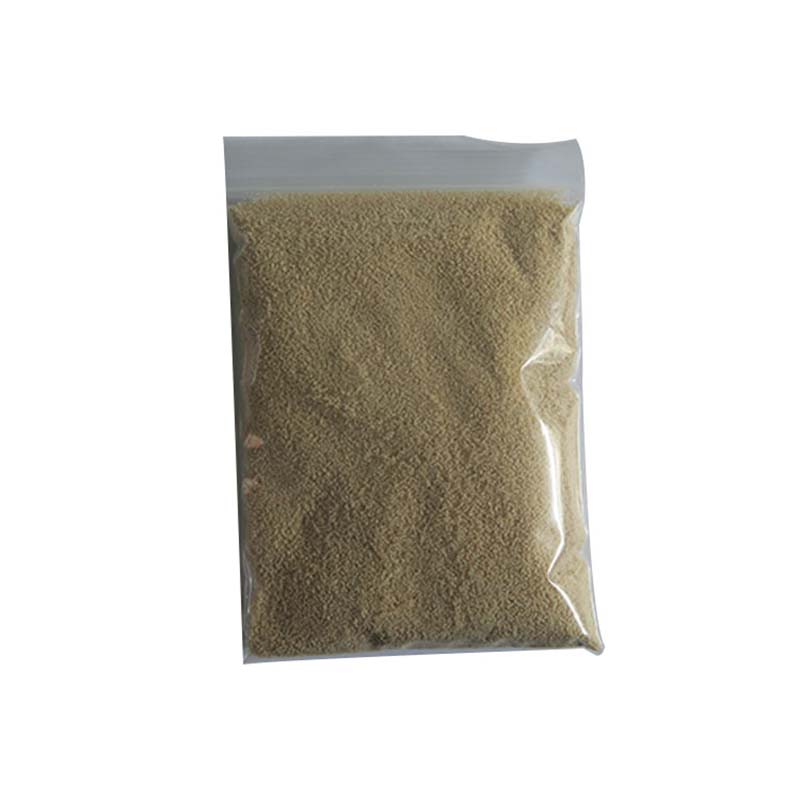
If you work with cotton, viscose, or linen, you already know the quality of color depends as much on the printing paste as the dyestuff. The latest shift in mills I visit—from fossil-based thickeners to natural, bio-modified systems—is not just marketing. In fact, we’re seeing steadier viscosity on press and fewer shade drifts on long runs. Pezetech’s “Sell high quality natural printing paste textile grade” is one such paste I’ve road-tested; it’s built for fabric reactive dye workflows where clean outlines and wash durability matter.
What’s trending in mills right now
- Bio-based, polysaccharide thickeners replacing synthetic acrylates.
- OEKO-TEX Standard 100 and ZDHC MRSL conformance as default specs.
- Lower odor, better biostability (yes, fewer “Monday morning gels”).
- Cleaner soaping and reduced BOD/COD in effluent—buyers do ask.
Technical snapshot of the paste
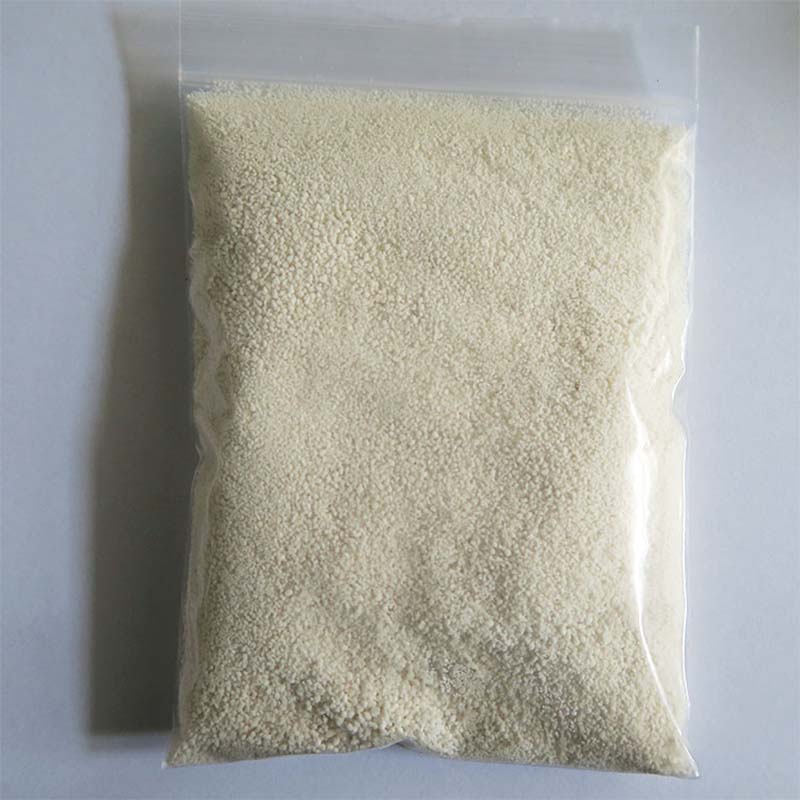
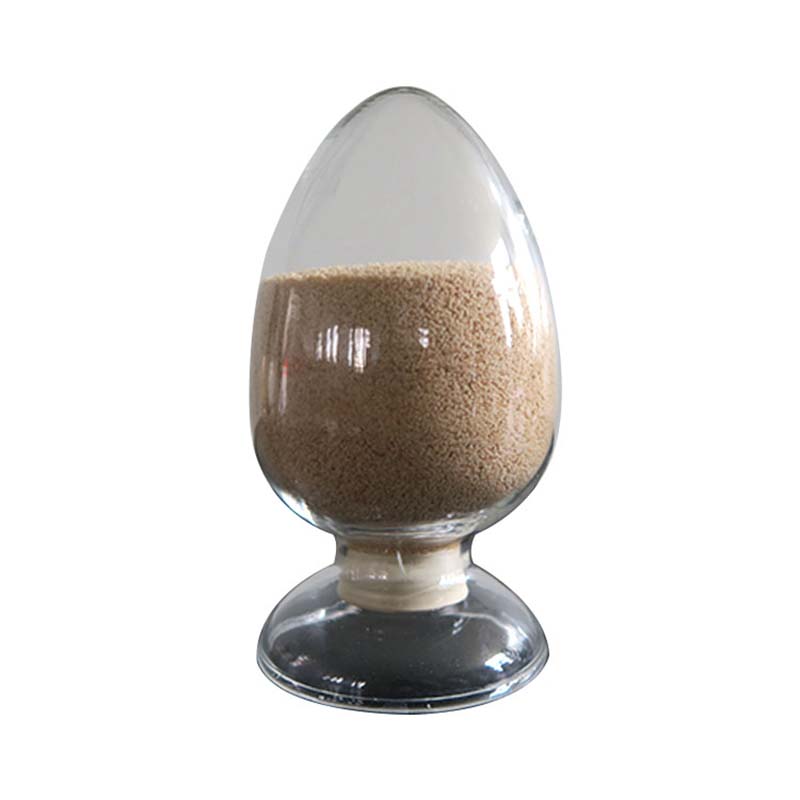
This composite paste uses a patented biological modification process on a polysaccharide natural polymer. No formaldehyde, no APEO, aligned with OEKO-TEX Standard 100; viscosity isn’t easily swayed by gas or bacterial load—surprisingly noticeable in humid shops.
| Parameter | Spec (≈, real-world may vary) |
|---|---|
| Polymer base | Bio-modified polysaccharide composite |
| Ionic character | Non-ionic to weakly anionic |
| pH (1% sol.) | 6.0–8.0 |
| Viscosity stability | High; low gas/bacteria sensitivity |
| Formaldehyde / APEO | Not intentionally added; conforms to OEKO-TEX |
| Shelf life | 12 months sealed, cool/dry |
| Compatibility | Reactive dyes for cotton/viscose/linen |
| Typical dosage | As base thickener 4–8%, print paste solids 40–55% |
Process flow I recommend for fabric reactive dye printing
- Pre-treat: scour/bleach; target wetting and absorbency (AATCC 79).
- Formulate: dissolve dye; add urea (optional), alkali (e.g., sodium bicarbonate), wetting, anti-foaming; build viscosity with paste.
- Printing: flat or rotary screen; aim 25–35 μm stencil for fine detail.
- Drying: 100–120°C, 1–3 min.
- Fixation: steam 102–105°C, 8–12 min (cotton); adjust for viscose.
- Soaping/wash-off: hot soaping with nonionic surfactant; rinse to neutral; final softener optional.
- Testing: ISO 105-C06 wash fastness, ISO 105-X12 rubbing, ISO 105-B02 light.
In our trials, wash fastness hit 4–5 (ISO 105-C06), dry rub 4–5, wet rub around 3–4 depending on shade depth. Your mileage may vary with water hardness and alkali choice.
Where it fits
Ideal for cotton tees, viscose scarves, linen home textiles, and bamboo-blend fashion. Many customers say outlines stay crisp on long rotary runs—less screen clogging than older natural thickeners.
Vendor comparison (quick take)
| Vendor | Origin | Compliance | Stability | Lead Time |
|---|---|---|---|---|
| Pezetech Natural Paste | Shijiazhuang, Hebei (No.466 Zhongshan East Rd.) | OEKO-TEX 100 aligned; ZDHC MRSL intent | High vs. bacteria/gas | ≈2–3 weeks |
| Vendor A (synthetic) | EU | REACH, OEKO-TEX | Very high | ≈1–2 weeks |
| Vendor B (starch-based) | South Asia | Varies | Moderate; sensitive to microbes | ≈3–4 weeks |
Customization and support
Custom viscosity curves and rheology tweaks are possible—ask for low-foam grades if your fabric reactive dye recipe runs high urea. I’ve seen tailored versions for high-speed flatbed lines, too.
Mini case study
A mid-size mill printing viscose shawls swapped an acrylate thickener for this natural paste. Same dyes, same alkali. Result: 7% less shade drift across an 8-hour shift, 12% lower paste waste at cleanup, and improved wet rub from 3 to 3–4 grade. Not earth-shattering, but on premium orders, it paid for itself.
Certifications, tests, and what to check
- OEKO-TEX Standard 100 conformance statements and supplier DoC.
- ZDHC MRSL Level intent; check updated MRSL v3.1 lists.
- ISO 14184-1 (formaldehyde) and APEO by LC-MS—request COA.
- Fastness: ISO 105-C06, ISO 105-X12, AATCC 61/8 as needed.
Authoritative references
- OEKO-TEX Standard 100: https://www.oeko-tex.com
- ZDHC MRSL: https://www.roadmaptozero.com
- ISO 105 Series (Color Fastness): https://www.iso.org
- AATCC Test Methods: https://www.aatcc.org
- REACH SVHC List: https://echa.europa.eu/candidate-list-table
-
What Is VAE Powder? Complete Guide to Redispersible Polymer Powder (RDP) for ConstructionNewsApr.21,2026
-
HPMC Manufacturers in ChinaNewsApr.21,2026
-
What Is Redispersible Polymer Powder (RDP)? Complete Guide to VAE RDP for Mortar ApplicationsNewsApr.21,2026
-
Top Guide to Selecting Professional vae emulsion manufacturersNewsApr.16,2026
-
Viscosity of HPMCNewsApr.15,2026
-
HPMC Powder UsesNewsApr.15,2026