HEMC for Mortar & Paints – High Viscosity, Factory Supply
Trusted HEMC Manufacturer in China: field notes, specs, and what actually matters
If you work with dry-mix mortars or tile adhesives, you’ve bumped into hemc (often called MHEC in data sheets). To be honest, the naming confuses newcomers. But on the jobsite and in the lab, the polymer’s behavior—not the acronym—makes or breaks a formula.
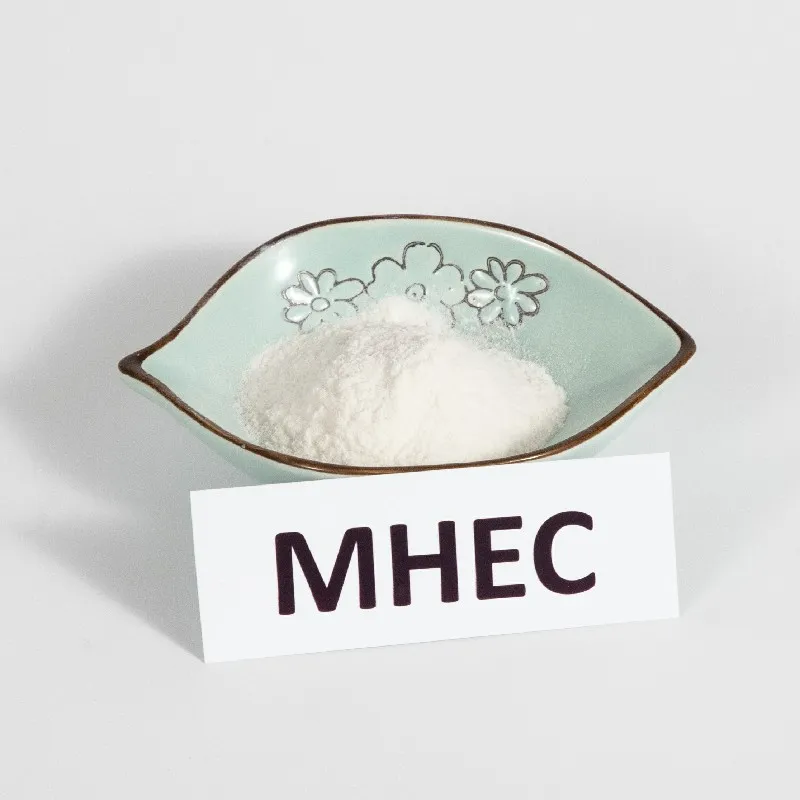
What it is (and why formulators care)
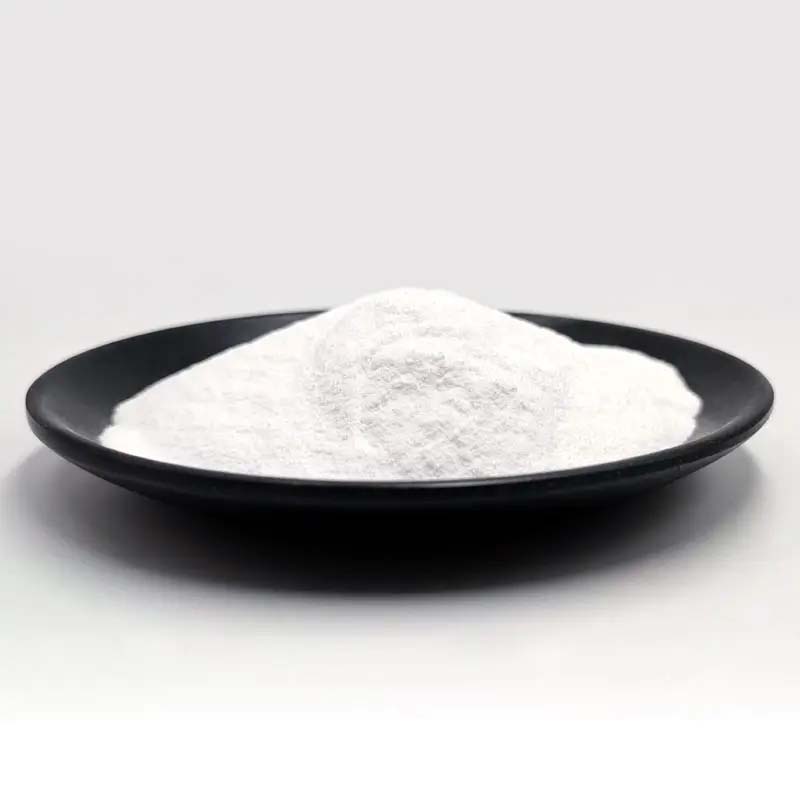
HEMC/MHEC is an odorless, tasteless, non-toxic white powder that dissolves in cold water to form a clear, viscous solution. It delivers thickening, bonding, dispersion, emulsification, film formation, suspension, adsorption, gelling, surface activity, water retention, and colloidal protection. In fact, its aqueous solution acts as a colloid protector, emulsifier, and dispersant—handy across cementitious systems, gypsum plasters, putties, and even detergents.
Typical product specifications (lab-grade, real-world may vary)
| Parameter | Typical value (≈) | Method/Notes |
|---|---|---|
| Viscosity (2% sol., 20°C) | 20,000–80,000 mPa·s | Brookfield RV, Spindle 4, 20 rpm |
| Moisture | ≤5% | 105°C, 2 h |
| pH (1% sol.) | 6.0–8.5 | Glass electrode |
| Methoxy content | 22–30% | Titrimetric |
| Hydroxyethyl content | 5–12% | Calculated DS |
| Gel temperature | ≈70–90°C | Thermal gel test |
| Residue on 100 mesh | ≤2% | Sieve |
| Ash | ≤5% | 800°C |
| Water retention in mortar | ≥90% @0.2% | ASTM C1506 |
Where HEMC shines (applications and data)
- Tile adhesives: improved open time (EN 12004-2) by ≈5–15 min; slip resistance to S1/S2 formulations.
- Wall putty & skim coats: smooth trowelability, sag reduction, consistent pull.
- Gypsum plaster: controlled set, better sprayability, less rebound.
- Self-leveling underlayments: flow control without segregation; stable edge profile.
- Detergents & paints: stabilization and anti-settling, especially in high-electrolyte systems.
Real project notes: many customers say a 0.2–0.35% dose hits a sweet spot in C1/C2 tile adhesives, with open time hitting ≥20 min and cohesive failure on pull-off. Your mileage will vary with cement, fines, and ambient humidity.
From cotton to bag: the process, briefly
Materials: refined cellulose, NaOH, methyl chloride, ethylene oxide, specialty surfactants (for surface-treated grades).
Method (slurry route): alkalization → etherification (MeCl + EO) → neutralization → washing → drying → milling → sieving → dust control and packaging. QC gates include viscosity, DS/MS, moisture, particle size, and mortar tests (ASTM C1437 flow, ASTM C1506 water retention, EN 12004-2 open time & slip).
Service life: sealed bags store 24 months in dry, cool conditions; in-mortar pot life extension is commonly +30–60% versus unmodified control—actually noticeable on warm days.
Vendor landscape: how they differ
| Vendor | Strengths | Viscosity range | Certs | Lead time |
|---|---|---|---|---|
| PEZETECH (Trusted HEMC Manufacturer) | Stable rheology lot-to-lot; strong mortar lab support | 20k–100k mPa·s | ISO 9001, REACH prereg. (on request) | ≈2–4 weeks ex-works |
| Global Brand A | Very tight tolerances; broad global tech network | 20k–150k mPa·s | ISO 9001/14001 | 4–6 weeks |
| Local Trader B | Competitive pricing; flexible MOQs | 10k–60k mPa·s | Supplier-dependent | 1–2 weeks (stock) |
Origin matters for logistics and support. PEZETECH ships from 1601, Block B, New Century Diamond Plaza, No. 466 Zhongshan East Road, Chang'an District, Shijiazhuang City, Hebei Province—useful if your plant is in North China or you’re porting via Tianjin.
Customization and real-world feedback
- Bespoke viscosity and particle size for silo dosing.
- Surface-treated HEMC for delayed hydration and dust control.
- Targeted open time (EN 12004-2) tuning for hot climates.
Customer notes: a Spanish adhesives maker reported open time +8 min and slip ≤0.2 mm after switching grades; a Polish EIFS plant saw 15% fewer mixer stoppages due to better powder flow. Surprisingly, a small tweak in methoxy content solved their trowel stickiness.
Quick case snapshots
Case 1 — C2TE tile adhesive upgrade: With 0.3% HEMC, open time reached 25–30 min (EN 12004-2), water retention 92% (ASTM C1506), slip
Case 2 — Gypsum plaster line: Replacing PEO/thickener blend with HEMC brought uniform spray pattern and reduced rebound ≈10–12%. Finish looked cleaner—contractors actually mentioned fewer touch-ups.
Standards and certifications to ask for: ISO 9001:2015 QMS, EN 12004-2 tests for adhesives, ASTM C1506 (water retention), ASTM C1437 (flow), and safety data confirming non-toxic handling. Simple, but it keeps audits painless.
Authoritative citations
- EN 12004-2:2017 — Adhesives for tiles. Determination of open time and slip.
- ASTM C1506 — Standard Test Method for Water Retention of Hydraulic Cement-Based Mortars and Plasters.
- ISO 9001:2015 — Quality management systems — Requirements.
-
What Is VAE Powder? Complete Guide to Redispersible Polymer Powder (RDP) for ConstructionNewsApr.21,2026
-
HPMC Manufacturers in ChinaNewsApr.21,2026
-
What Is Redispersible Polymer Powder (RDP)? Complete Guide to VAE RDP for Mortar ApplicationsNewsApr.21,2026
-
Top Guide to Selecting Professional vae emulsion manufacturersNewsApr.16,2026
-
Viscosity of HPMCNewsApr.15,2026
-
HPMC Powder UsesNewsApr.15,2026