Comprehensive Guide to Carboxy Methyl Cellulose CMC | Uses, Benefits & Trends
Understanding Carboxy Methyl Cellulose (CMC): Why It Matters Globally
Carboxy methyl cellulose cmc, often abbreviated simply as CMC, is a fascinating chemical compound that quietly powers many products and industries worldwide. It might sound like a mouthful, but CMC is essentially a cellulose derivative used as a thickener, stabilizer, and binder across a staggering range of applications — from food and pharmaceuticals to construction and cosmetics. Why does this matter on a global scale? Well, with industries pushing for sustainability, cost-efficiency, and safety, understanding CMC and leveraging its properties can mean better products, reduced waste, and smarter manufacturing. It’s a small substance with broad impact.
Mini takeaway: CMC is a versatile ingredient that supports many industries worldwide, aligning with global sustainability and innovation goals.
The Global Context of Carboxy Methyl Cellulose CMC
Globally, the demand for eco-friendly, biodegradable additives has surged. According to ISO standards, industries are urged to adopt materials that minimize environmental impact while maintaining performance. Carboxy methyl cellulose cmc fits snugly into this puzzle. The United Nations Sustainable Development Goals (SDGs) stress responsible consumption and production—a realm where CMC plays a quiet yet crucial role.
Interestingly, the market size for cellulose ethers (where CMC belongs) was valued at over USD 740 million in 2022 and is expected to continue rising. This growth is driven particularly by developing economies in Asia-Pacific, where construction booms and food processing industries grow fast. Challenges like food shelf life extension, better water retention in construction, and controlled drug release in pharma are just a few problems CMC helps to solve.
Mini takeaway: As global industries push toward sustainability and efficiency, carboxy methyl cellulose cmc has become indispensable, especially in regions with fast industrial growth.
Decoding Carboxy Methyl Cellulose (CMC): What Exactly Is It?
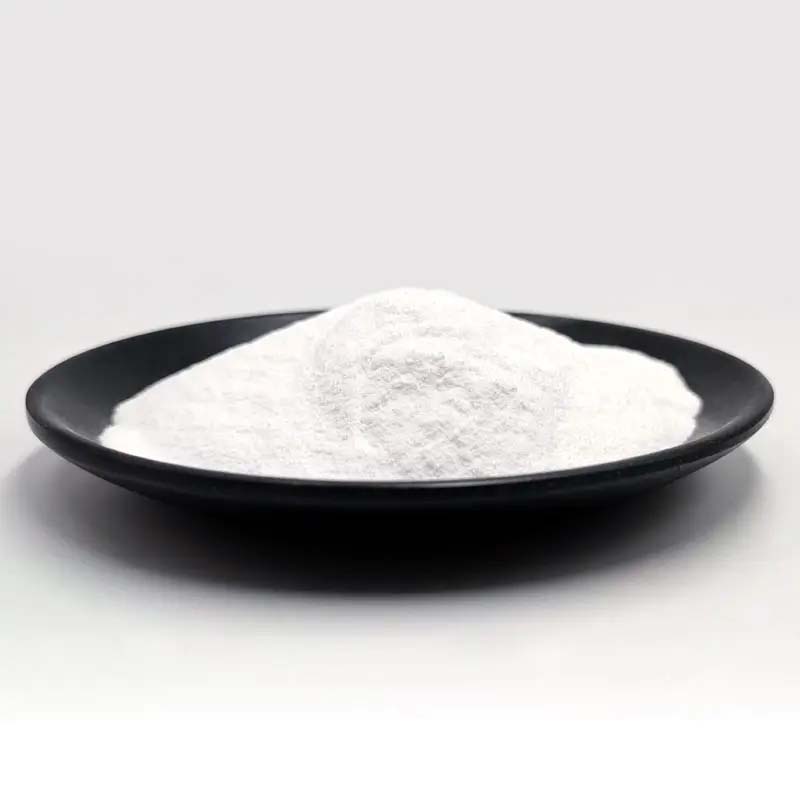
In simple terms, carboxy methyl cellulose cmc is a cellulose derivative made by chemically modifying natural cellulose with carboxymethyl groups. Think of it as cellulose enhanced to be more flexible and water-soluble. This tweaking lets it thicken liquids, stabilize emulsions, or bind dry powders efficiently. It’s derived from plant fibers, primarily wood pulp or cotton, making it renewable and biodegradable—a big plus in today’s eco-conscious world.
Many industries rely on this compound because it can mimic or replace synthetic polymers that are less environmentally friendly. For instance, in foods, it controls texture and moisture; in construction, it improves mortar workability and adhesion; in cosmetics, it thickens lotions without greasiness.
carboxy methyl cellulose cmc is more than just a chemical—it’s a bridge between nature and technology, enhancing product quality responsibly.
Core Aspects of Carboxy Methyl Cellulose CMC
1. Water Solubility and Thickening Ability
One of CMC’s defining traits is its remarkable ability to dissolve in cold water and thicken solutions. This property is exploited in paints, adhesives, and food sauces. Oddly enough, despite being fiber-based, it can create smooth viscous liquids without lumps, which many engineers say is a bit like magic.
2. Biodegradability and Eco-friendliness
Compared to synthetic polymers, CMC naturally breaks down, reducing environmental footprint. This makes it popular in sustainable packaging or disposable products. I noticed more companies highlight this angle in marketing lately.
3. Binding and Film-Forming
CMC forms films and bonds powders efficiently, key in pharmaceuticals for pill coatings or in construction for wall plasters. This saves costs and improves durability.
4. Stability over Wide pH and Temperature Range
It holds up well from acidic to alkaline conditions and moderate heat, making it reliable across different manufacturing environments.
5. Customization Potential
By varying the degree of substitution (how many carboxymethyl groups attach), manufacturers can tailor CMC’s viscosity and solubility for specific needs—a neat trick many R&D teams appreciate.
Mini takeaway: CMC’s versatility—water solubility, biodegradability, binding, stability, and customization—makes it a true industrial workhorse.
Real-World Applications & Use Cases
Globally, carboxy methyl cellulose cmc finds itself indispensable across diverse sectors:
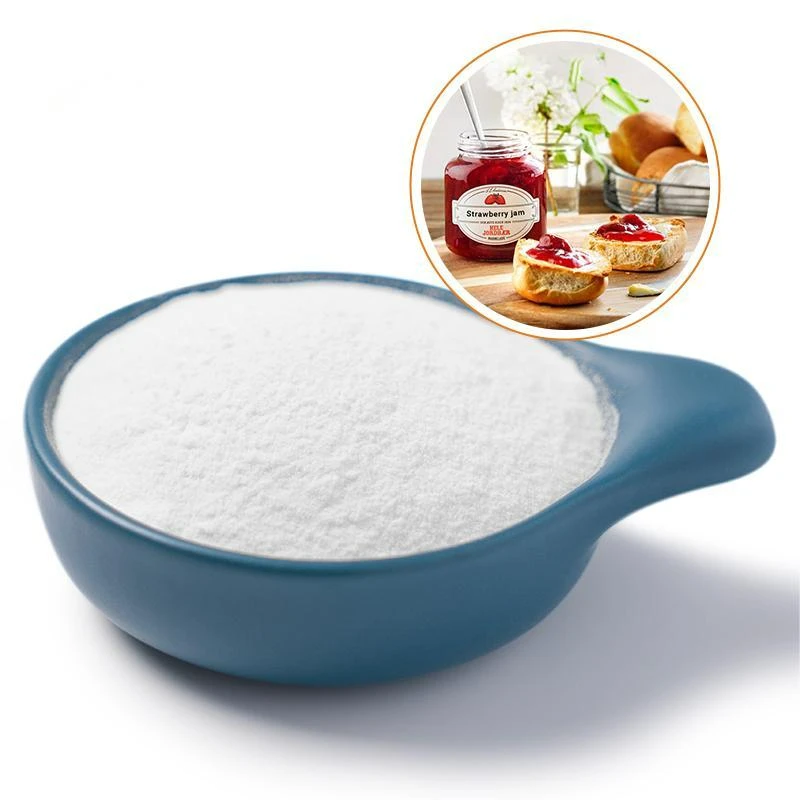
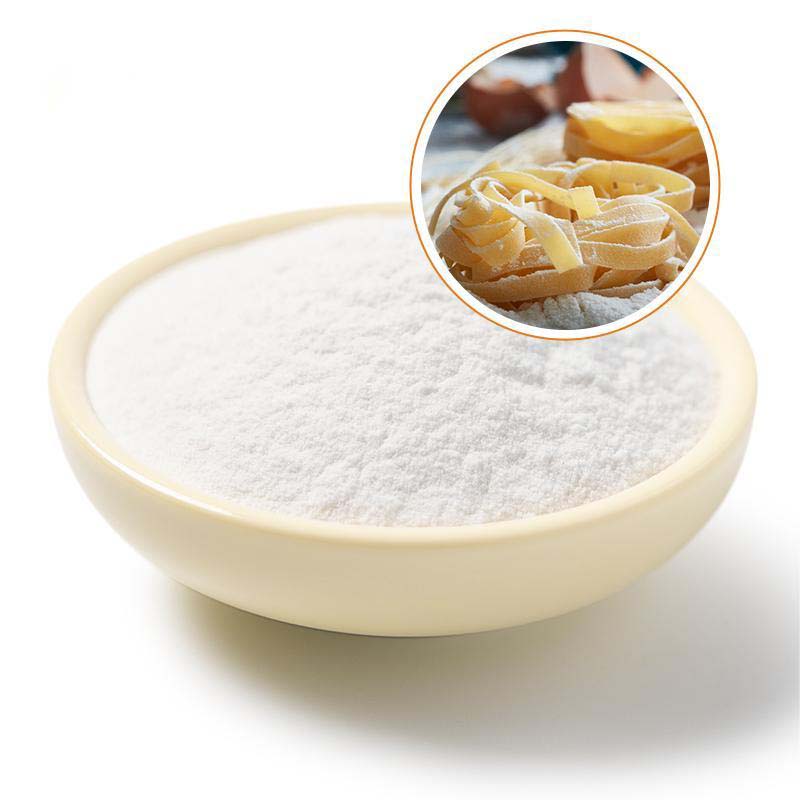
- Food Industry: Used as a thickener in ice creams and sauces, it improves texture and extends shelf life, important in tropical markets where refrigeration may be limited.
- Pharmaceuticals: Acts as a binder and disintegrant in tablets, aiding controlled drug release—essential for treatments in remote or underserved regions.
- Construction: Enhances mortar workability and water retention, crucial in rapid urbanization zones like India and China.
- Cosmetics & Personal Care: Stabilizes creams and gels, delivering smoothness without synthetic chemicals.
- Paper & Textiles: Improves coating properties and fabric finishing.
For example, in post-disaster relief operations, instant food formulations using CMC maintain viscosity and texture, enhancing nutrition delivery without spoilage. In remote industrial zones, the local use of CMC-based cement additives reduces dependency on costly imports by improving locally sourced materials.
Mini takeaway: CMC’s global reach stretches across essential industries, from feeding communities to building infrastructure.
Advantages & Long-Term Value of Carboxy Methyl Cellulose CMC
Why does CMC enjoy such popularity? The benefits are both practical and human:
- Cost Efficiency: It reduces resource waste and enhances product durability.
- Sustainability: Renewable and biodegradable, it curbs plastic pollution and fossil fuel dependence.
- Social Impact: Enables safer pharmaceuticals and better food preservation, bolstering health outcomes.
- Reliability: Performs consistently across environments and formulations.
- Innovation Potential: R&D can adapt CMC’s properties to new technologies—think 3D printing inks or green packaging.
Emotionally speaking, CMC connects science with humanity—helping safeguard dignity through better food, medicine, and shelter.
Future Trends & Innovations Around CMC
Looking ahead, the fusion of CMC with digital transformation and green energy initiatives seems promising. Researchers explore CMC-based hydrogels for targeted drug delivery using smart sensors. Meanwhile, construction companies experiment with CMC-enhanced eco-concretes that absorb CO2 to fight climate change.
Automation in manufacturing means optimized production of CMC derivatives with minimal waste and customized molecular profiles. This aligns perfectly with circular economy principles, reducing landfill and pollution.
Frankly, it feels like we’re only scratching the surface of what carboxy methyl cellulose cmc can do in a future focused on sustainability and innovation.
Challenges and Innovative Solutions
Like any material, CMC faces challenges: variability in natural raw materials can affect quality; some grades require costly purification; and compatibility with certain chemicals can limit use.
Experts suggest tighter quality controls, new extraction techniques, and hybrid composites combining CMC with nanomaterials to enhance performance. Collaborative R&D between producers and end-users is key to overcoming these hurdles efficiently.
Product Specification Table
| Parameter | Typical Value | Unit |
|---|---|---|
| Degree of Substitution (DS) | 0.6 - 1.2 | - |
| Viscosity (2% solution at 20°C) | 1000 - 5000 | mPa·s (cP) |
| Moisture Content | % | |
| pH (1% solution) | 6.5 - 8.0 | - |
| Ash Content | % |
Vendor Comparison: Choosing Your CMC Supplier
| Vendor | Price Range (USD/kg) | Quality Grades | Lead Time | Sustainability Certifications |
|---|---|---|---|---|
| AlphaChem | 1.2 – 2.0 | Food, Pharma, Industrial | 2–3 weeks | ISO 14001, FSC |
| Beta Materials | 1.0 – 1.8 | Industrial & Construction | 1–2 weeks | ISO 9001 |
| Gamma Corp | 1.5 – 2.5 | Premium Food & Pharma | 3–4 weeks | ISO 14001, HACCP |
Frequently Asked Questions About Carboxy Methyl Cellulose CMC
Q1: What is carboxy methyl cellulose cmc typically used for in food products?
A1: CMC works as a thickener and stabilizer in foods like ice cream, baked goods, and dressings. It helps maintain texture, prevents ingredient separation, and extends shelf life without altering taste.
Q2: How does CMC improve construction materials?
A2: By enhancing water retention and improving adhesion, CMC makes mortars and plasters easier to work with and more durable—particularly useful in damp or hot climates.
Q3: Is carboxy methyl cellulose biodegradable?
A3: Yes, it is derived from natural cellulose and breaks down more readily in the environment than many synthetic additives, aligning with sustainable manufacturing goals.
Q4: Can I customize CMC properties to fit specific industrial needs?
A4: Absolutely, manufacturers adjust factors like degree of substitution and viscosity to tailor CMC’s solubility and performance for diverse applications.
Q5: Are there any limitations to using CMC?
A5: While versatile, CMC may be incompatible with certain strong acids or bases, and raw material variability can influence batch consistency. Selecting the right grade and supplier helps mitigate these issues.
Conclusion: Why Carboxy Methyl Cellulose CMC Remains Essential
In sum, carboxy methyl cellulose cmc is more than an ingredient—it's a cornerstone of modern industry’s move toward smarter, greener, and more efficient products. Whether you’re improving the texture of a favorite food, building safer homes, or innovating in pharma, CMC quietly drives better outcomes. Interested in exploring how this versatile compound can benefit your projects? Visit our website: https://www.pezetech.com.
It’s one of those small details that make a big difference—kind of like a secret ingredient no one talks about, but everybody uses.
References
-
What Is VAE Powder? Complete Guide to Redispersible Polymer Powder (RDP) for ConstructionNewsApr.21,2026
-
HPMC Manufacturers in ChinaNewsApr.21,2026
-
What Is Redispersible Polymer Powder (RDP)? Complete Guide to VAE RDP for Mortar ApplicationsNewsApr.21,2026
-
Top Guide to Selecting Professional vae emulsion manufacturersNewsApr.16,2026
-
Viscosity of HPMCNewsApr.15,2026
-
HPMC Powder UsesNewsApr.15,2026