Comprehensive Guide to Carboxy Methyl Cellulose Powder | Applications & Benefits
Understanding Carboxy Methyl Cellulose Powder: A Global View
Carboxy methyl cellulose powder has quietly become one of the unsung heroes across a spectrum of industries worldwide. You might not hear much about it on the news, but its impact—ranging from food production to pharmaceuticals and even humanitarian aid—is substantial. With global markets increasingly focused on sustainability and efficiency, understanding what this powder is, and why it matters, can unlock vital insights for businesses and researchers alike.
From helping maintain food textures to improving oilfield drilling fluids, this versatile compound addresses real-world problems in ways that aren’t always obvious. Plus, as population growth and industrial expansion put pressure on resources, solutions that involve carboxy methyl cellulose (often abbreviated as CMC) could become even more crucial.
The Big Picture: Why It Matters Globally
According to data from the United Nations Industrial Development Organization (UNIDO), industries relying on natural polymers like CMC are expanding steadily, with expected compound annual growth rates of 6–8% over the next five years. The main reason? These materials are renewable, biodegradable, and help reduce waste. Yet, despite these benefits, one challenge remains: sourcing consistent, high-quality CMC powder at scale, especially in developing regions.
In fact, the World Bank reports that sectors such as food processing and personal care products — which are heavy users of carboxy methyl cellulose powder — are critical to food security and economic stability in emerging economies. So, understanding the applications and limitations of CMC is more than just academic; it’s about global resilience.
What Exactly is Carboxy Methyl Cellulose Powder?
At its core, carboxy methyl cellulose powder is a cellulose derivative. Think of cellulose as the building block of plant cell walls, the stuff that makes leaves and trees sturdy. When cellulose is chemically modified by substituting some of its hydroxyl groups with carboxymethyl groups, you get a water-soluble compound — that’s the CMC powder.
This seemingly technical tweak transforms cellulose into a versatile powdered additive with thickening, stabilizing, and emulsifying properties. Industries love it because it is non-toxic, biodegradable, and can improve the texture and durability of a variety of products.
From a broader industrial perspective, CMC powder connects dots between nature and technology. It meets the modern push for "green chemistry" — offering an environmentally friendly alternative to synthetic polymers in many formulations.
Core Features of Carboxy Methyl Cellulose Powder
1. Water Retention and Thickening
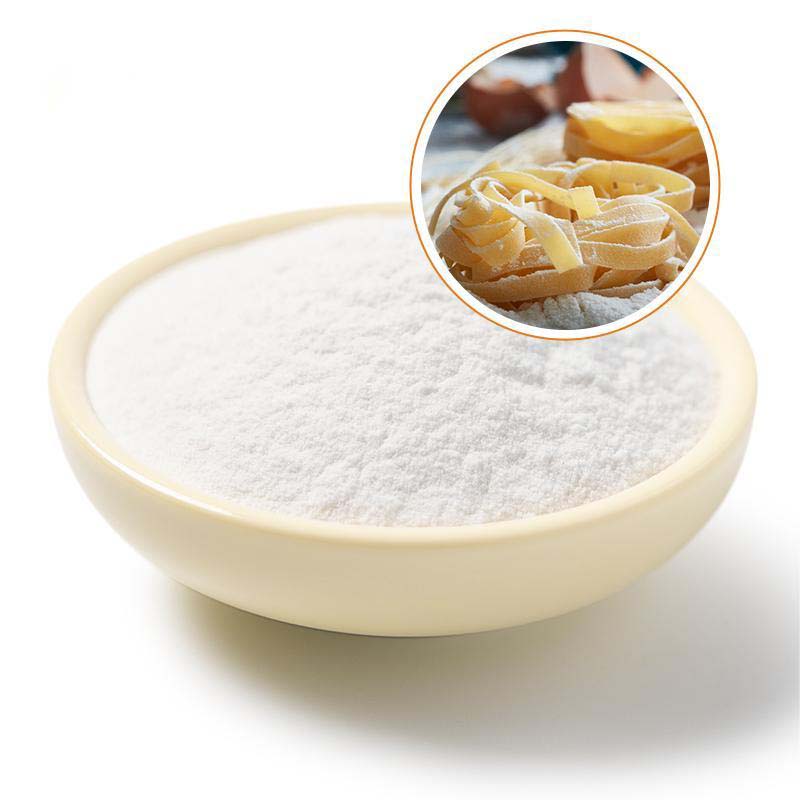
Many users value the powder’s outstanding ability to retain water and increase viscosity with just a small dose. This is why it’s a staple in food products like gluten-free bread and dairy substitutes, ensuring moisture and structure.
2. Biodegradability and Safety
Unlike some synthetic additives, CMC powder biodegrades readily, making it suitable for personal care items (think toothpaste, lotions) and environmentally conscious industrial uses.
3. Versatility Across pH Ranges and Temperatures
It functions well in acidic and alkaline environments and can withstand moderate heat, which expands its usability from food processing to paper manufacturing and even oilfield drilling where stability matters.
4. Cost Efficiency and Availability
Thanks to relatively abundant raw materials (wood pulp, cotton), the price point for CMC powder remains competitive. This accessibility helps manufacturers in developing markets experiment with and use it confidently.
5. Compatibility with Other Ingredients
In multi-ingredient formulations, CMC powder plays nice with proteins, fats, and other polymers, which is crucial when designing complex products in pharmaceuticals and food tech.
How Is Carboxy Methyl Cellulose Powder Used Worldwide?
Its uses are surprisingly widespread and sometimes unexpected. Here’s a snapshot:
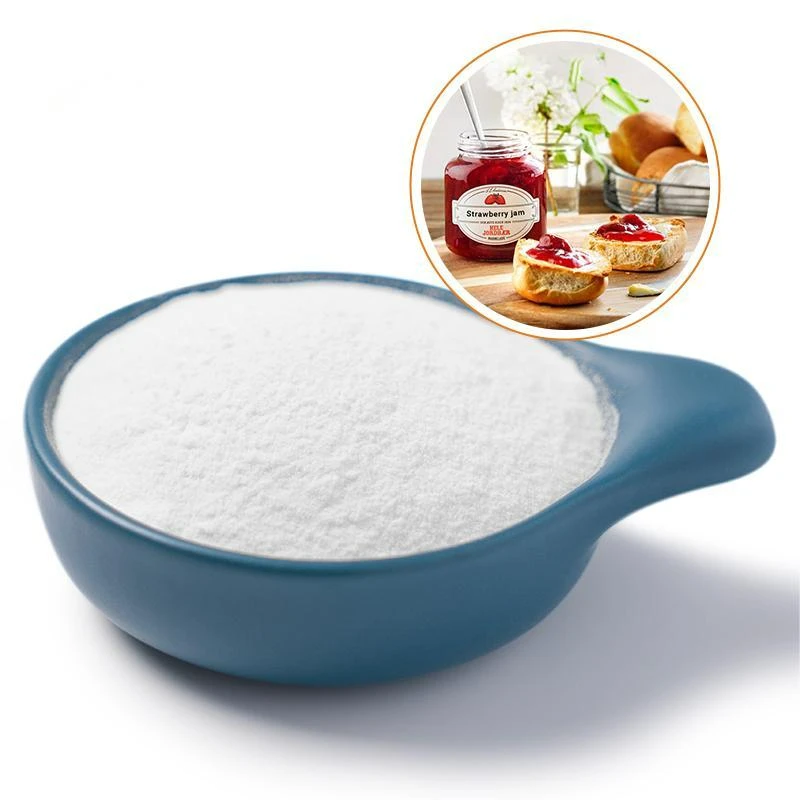
- Food Industry: Thickener in beverages, stabilizer in ice creams, and moisture controller in bakery items.
- Pharmaceuticals: Tablet binders and controlled-release agents.
- Oil & Gas: Rheology modifier in drilling muds to ensure smooth operation and reduce environmental impact.
- Textiles & Paper: As a sizing agent improving fibers’ strength and printability.
- Personal Care: Used in lotions and toothpaste to improve texture and adhesion.
Regions like Asia-Pacific (with booming food processing sectors) have embraced CMC powder rapidly. In post-disaster relief scenarios — like after floods or earthquakes — its use in making instant food and pharmaceutical formulations is crucial. NGOs and international aid bodies often require stable, long-lasting products where CMC helps maintain integrity.
Typical Specifications for Industrial Grade CMC Powder
| Specification | Typical Value |
|---|---|
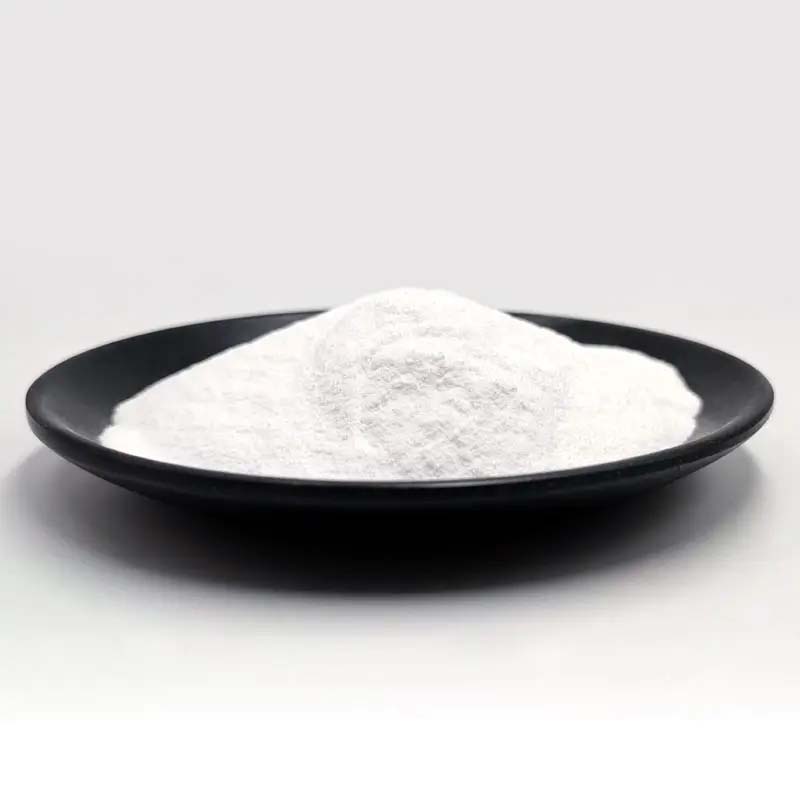
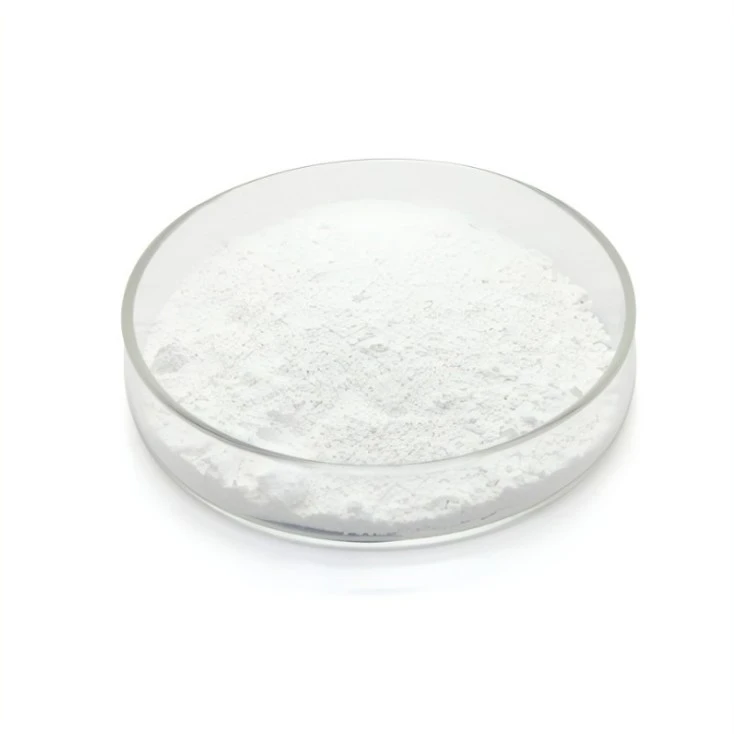
| Appearance | White to off-white powder |
| Degree of Substitution (DS) | 0.6 – 0.9 |
| Viscosity (2% solution at 25°C) | 1000 – 4000 mPa·s |
| pH (1% solution) | 6.5 – 8.0 |
| Moisture Content | ≤ 12% |
| Bulk Density | 0.4 – 0.6 g/cm³ |
Comparing Leading Suppliers
| Supplier | Purity (%) | Available Grades | Typical Price (USD/kg) | Geographical Reach |
|---|---|---|---|---|
| Pezetech Industries | 99.8 | Food grade, Pharma grade | 4.00 – 5.50 | Global |
| Global Polymers Ltd. | 99.5 | Industrial grade | 3.80 – 4.50 | EMEA, Asia |
| EcoChem Solutions | 99.7 | Food & Cosmetic Grade | 4.20 – 6.00 | North America |
What Are the Advantages and Long-Term Value?
Choosing carboxy methyl cellulose powder is not merely a technical decision — there’s a lot going on beneath the surface. First, you get cost efficiency: the powder enhances product performance, allowing manufacturers to use less of expensive ingredients without sacrificing quality. For example, in gluten-free baking, CMC acts as a moisture and texture enhancer that would otherwise require artificial emulsifiers.
There’s also a sustainability angle. Since it’s derived from natural cellulose, CMC powder fits well into circular economy ambitions. Using it can reduce dependence on petrochemical polymers, lower carbon footprints, and improve biodegradability of end products. Frankly, this matters to consumers who increasingly demand greener products.
Socially, products enhanced with CMC improve safety—think pharmaceuticals that dissolve evenly or food products that stay fresh longer, reducing waste. On a broader emotional level, this builds trust between brands and customers. People appreciate sustainable, reliable solutions, even if they don’t always know the behind-the-scenes ingredients.
What’s Next? Emerging Trends and Innovations
There’s been an uptick in research exploring specialized grades of CMC powder tailored for new fields—like bio-printing tissues, or high-tech cosmetics incorporating digital sensors. Sustainability trends push manufacturers toward “ultrapure” and “vegan-certified” versions of CMC, expanding appeal in niche markets.
Automation in production lines increasingly depends on powders like CMC for consistency and flow properties. Plus, emerging policies around biodegradable packaging might increase the demand for CMC-based films or coatings. As circular economy becomes law in more countries, expect fresh applications that few have dreamt about yet.
Challenges and Smart Solutions
Every rose, as they say... CMC powder’s main challenge is batch-to-batch variability and sensitivity to certain ions or contaminants, which can impact product stability. Getting consistent quality demands strict process controls and quality assurance from suppliers.
Some users also worry about environmental issues linked to the sourcing of raw cellulose—primarily wood pulp—and the chemicals involved in derivatization. However, sustainable forestry programs and greener chemical processes are helping mitigate these concerns. Suppliers who communicate transparently and invest in innovation are the real winners here.
FAQ: Common Questions About Carboxy Methyl Cellulose Powder
- Q: What makes carboxy methyl cellulose powder preferable to synthetic thickeners?
- A: CMC is biodegradable, non-toxic, and derived from renewable resources, offering safety and environmental advantages. Its thickening properties are stable across many conditions, making it a versatile alternative to synthetic options.
- Q: Is CMC powder effective in gluten-free bakery products?
- A: Absolutely. CMC powder improves dough elasticity and moisture retention, critical for mimicking gluten’s effects, resulting in better texture and shelf life.
- Q: Can carboxy methyl cellulose powder be used in pharmaceutical tablets?
- A: Yes, it acts as a binder and controlled-release agent, helping tablets maintain integrity and dissolve appropriately.
- Q: How do NGOs source CMC powder for emergency food packaging?
- They usually work with global suppliers that have certifications ensuring quality and timely delivery. Streamlined logistics and bulk procurement help manage costs and maintain supply during crises.
Final Thoughts
To sum it up, carboxy methyl cellulose powder isn’t merely an industrial additive — it’s a key enabler of sustainability, quality, and innovation across diverse industries. Whether you’re in food manufacturing, pharmaceuticals, or oil & gas, understanding and leveraging CMC powder can create cost savings, improve product reliability, and respond to consumer demand for greener products.
If you want to explore more or consult on sourcing high-quality CMC powder, visit our website for detailed information and expert support.
References
-
What Is VAE Powder? Complete Guide to Redispersible Polymer Powder (RDP) for ConstructionNewsApr.21,2026
-
HPMC Manufacturers in ChinaNewsApr.21,2026
-
What Is Redispersible Polymer Powder (RDP)? Complete Guide to VAE RDP for Mortar ApplicationsNewsApr.21,2026
-
Top Guide to Selecting Professional vae emulsion manufacturersNewsApr.16,2026
-
Viscosity of HPMCNewsApr.15,2026
-
HPMC Powder UsesNewsApr.15,2026