Comprehensive Guide to HPMC Uses in Pharmaceuticals: Applications & Trends
Exploring HPMC Uses in Pharmaceuticals: Why It Matters
Hydroxypropyl methylcellulose, or HPMC for short, is one of those unsung heroes in the pharmaceutical world. While it might not grab headlines, it quietly underpins countless meds and healthcare products worldwide. Understanding HPMC uses in pharmaceuticals isn’t just a niche thing—it helps us appreciate how medicines stay stable, safe, and effective from production all the way to your medicine cabinet. Globally, as pharmaceutical demand surges and quality standards tighten, HPMC’s role becomes even more critical. Its versatile nature solves challenges around drug delivery, stability, and patient compliance—issues that can literally save lives.
Mini takeaway: HPMC compounds many benefits in pharma—from durability to patient safety—making it an indispensable ingredient in modern healthcare.
Global Perspective: The Vast Impact of HPMC Applications
Pharmaceutical industries worldwide are feeling growing pressures—not just from an aging population but from evolving diseases and rising regulatory demands. According to the World Health Organization, global medicine consumption is expected to grow by roughly 3-6% annually. Many medicines depend on excipients like HPMC for consistent quality, especially in oral dosage forms.
Another interesting angle is sustainability. Thanks to stricter ISO standards and environmental policies, biodegradable and non-toxic excipients such as HPMC are favored. It’s no surprise then that markets in North America, Europe, and Asia-Pacific report steady upticks in HPMC procurement. The challenge? Producing drugs that combine efficacy with safety, and remain affordable, all while using materials that pass rigorous pharmacopoeia standards.
Mini takeaway: HPMC’s global role is growing as pharma industries seek materials that meet efficacy, safety, and environmental benchmarks simultaneously.
What Exactly Are HPMC Uses in Pharmaceuticals?
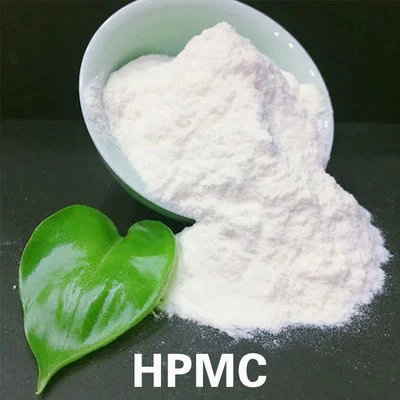
Simply put, HPMC is a cellulose derivative—a semi-synthetic polymer made by chemically modifying plant-based cellulose. In pharma, it acts mainly as a versatile excipient, meaning it’s an inactive substance used alongside active ingredients. It’s valued for its ability to control drug release, provide film coatings, stabilize formulations, and even improve tablet compressibility.
Think of it this way: without excipients like HPMC, pills might crumble before swallowing or release their ingredients too quickly (or too slowly). HPMC mitigates these risks by creating durable matrices, helping drugs dissolve more predictably in the body. Hpmc uses in pharmaceuticals touch everything—capsules, eye drops, ointments, and more.
Mini takeaway: HPMC, though “inactive,” is key to how countless medicine forms behave and perform.
Key Features That Define HPMC’s Utility
1. Controlled Release Properties
One of the coolest things about HPMC is how it forms hydrophilic matrices that control how a drug dissolves. This controlled release prevents the drug from hitting your bloodstream all at once—helping maintain safe, steady therapeutic levels. Many extended-release tablets rely on this feature.
2. Film-Forming and Coating Abilities
HPMC creates smooth, protective films for tablets. These films mask unpleasant tastes, enhance appearance, and protect against moisture and oxygen. Ever wondered why your pills don’t look like chalk? Blame HPMC’s film magic.
3. Biocompatibility and Safety
Derived from natural cellulose, HPMC is non-toxic, non-irritant, and not absorbed by the gastrointestinal tract. That biocompatibility makes it ideal in eye drops, topical gels, and especially tablets.
4. Versatility Across Dosage Forms
Whether it’s suspensions, gels, film coatings, or matrix tablets, HPMC plays multiple roles. That adaptability simplifies formulation design and reduces the need for exotic ingredients.
5. Chemical Stability and Shelf Life Enhancer
Because it’s chemically stable under various conditions, HPMC helps products last longer without losing efficacy—a key concern in pharma, where stability is crucial.
Mini takeaway: In practical terms, HPMC’s multifunctionality lets manufacturers design diverse, reliable pharmaceuticals that meet complex standards.
How HPMC Is Serving the World: Applications & Use Cases
From blockbuster pills in the US to essential medicines in developing nations, HPMC's reach is vast and varied. Here are some notable applications:
- Oral Sustained-Release Tablets: Big pharma companies use HPMC to control how drugs release nutrients over hours, reducing dosing frequency and improving patient compliance.
- Eye Care Products: Its lubricating properties help create soothing artificial tears with high biocompatibility.
- Topical Gels and Creams: Cosmetics and medicinal creams benefit from HPMC’s viscosity control and non-greasy texture.
- Emergency Relief Supplies: In disaster zones like post-earthquake Haiti or remote industrial areas in Asia, stable oral dosage forms containing HPMC have been distributed for easier storage and administration.
Mini takeaway: HPMC’s global footprint spans advanced pharma hubs and resource-scarce regions alike, adapting well to different needs.
Product Specification Table: Typical Pharma-Grade HPMC Grades
| Property | Typical Range | Unit |
|---|---|---|
| Viscosity (2% solution, 20°C) | 5 - 100,000 | mPa·s (cP) |
| Methoxy content | 19 - 30 | % w/w |
| Hydroxypropyl content | 4 - 32 | % w/w |
| pH of 1% solution | 5 - 8 | – |
| Moisture content | ≤5 | % w/w |
Comparing Top HPMC Vendors for Pharma Applications
| Vendor | Purity | Regulatory Compliance | Global Distribution | Typical Lead Time |
|---|---|---|---|---|
| Dow Chemical | Pharmaceutical Grade | USP, Ph.Eur. | Global | 2-4 weeks |
| Shin-Etsu | High Purity | USP, JP | Asia, Europe, N.A. | 3-5 weeks |
| Ashland | Pharma Quality | USP, Ph.Eur., JP | Global | 2-3 weeks |
Why HPMC Brings Long-Term Value to Pharmaceutical Manufacturing
The tangible benefits of HPMC go beyond the lab bench. Cost-wise, it’s relatively affordable compared to some synthetic polymers while supporting extended shelf life, meaning less waste and fewer returns. Many formulators find that HPMC’s consistency simplifies quality control—a boon for regulatory compliance and production efficiency.
Emotionally, there’s reassurance in using a plant-derived material that’s proven safe. Healthcare providers and patients tend to trust medicines with known excipients that won’t cause unexpected reactions. Plus, because HPMC enhances product performance, it indirectly supports dignity and convenience for patients—think fewer pills per day, less irritation, and better taste.
Mini takeaway: HPMC saves money, reduces risk, and uplifts patient experience—pretty impressive for something “inactive.”
What’s Ahead? Trends & Innovations in HPMC Use
We can’t chat about pharmaceuticals without peeking into future lenses. Manufacturers are exploring ultra-pure HPMC grades with tailored viscosity for next-gen drug delivery, including 3D-printed tablets. Digital formulations combining HPMC with nanotechnology promise smarter, targeted release systems.
Sustainability is taking center stage too. With growing interest in bio-based excipients, HPMC production methods are evolving to reduce environmental footprints—from greener raw materials sourcing to cleaner manufacturing. Regulations are encouraging innovation, leading to hybrid excipients and multifunctional polymers where HPMC still plays a core part.
Mini takeaway: HPMC’s legacy continues, but expect more smart, sustainable, and customized applications soon.
Challenges & Innovations: Navigating the Limits of HPMC
Of course, no material is perfect. HPMC can sometimes swell excessively or affect tablet hardness if not optimized. Batch-to-batch variability, albeit small, demands vigilant quality checks. Storage conditions impact viscosity, which in turn affects drug release profile.
Experts suggest tight process controls, combined with proper analytical techniques—like rheology and spectroscopy—to monitor consistency. New formulations blend HPMC with complementary excipients to balance mechanical properties and optimize performance.
Mini takeaway: While challenges exist, advancing tech and smarter formulation strategies are solving most HPMC-related issues.
FAQ: Common Questions About HPMC Uses in Pharmaceuticals
- What advantages does HPMC offer for sustained-release tablet formulations?
- HPMC forms a gel matrix upon contact with fluids, controlling drug diffusion and enabling steady release over time. This helps maintain therapeutic levels and reduces dosing frequency.
- Are HPMC-based coatings safe for sensitive patients?
- Yes, HPMC is biocompatible and non-irritating, making it safe even for sensitive groups, including children and the elderly.
- Can HPMC improve the shelf life of oral medications?
- Definitely. Its film-forming and moisture barrier properties protect tablets from environmental factors, enhancing stability and prolonging shelf life.
- Is HPMC environmentally friendly compared to other excipients?
- Since it’s derived from cellulose, a renewable resource, and is biodegradable, HPMC is considered eco-friendlier than many synthetic polymers.
- How can small pharma companies source pharma-grade HPMC?
- They can procure it directly from global suppliers like Dow or Ashland or through local distributors who comply with USP and Ph.Eur. standards. Lead times vary but usually range from 2-5 weeks.
Final Thoughts: Why HPMC Still Deserves a Spot in Pharma Innovation
In the hustle of pharmaceutical innovation, sometimes the simplest ingredients have the biggest impact. HPMC’s versatility, reliability, and safety make it a quiet workhorse across drug forms and geographies. Whether it’s a lifesaving extended-release tablet or a soothing eye drop, HPMC’s presence continues to enable better medicines. If you want to dive deeper into how excipients like HPMC shape modern pharma, or explore sourcing options, visit our site at pezetech.com.
Because behind every effective medicine is a smart choice of materials—and HPMC remains a top pick, for good reason.
References:
-
What Is VAE Powder? Complete Guide to Redispersible Polymer Powder (RDP) for ConstructionNewsApr.21,2026
-
HPMC Manufacturers in ChinaNewsApr.21,2026
-
What Is Redispersible Polymer Powder (RDP)? Complete Guide to VAE RDP for Mortar ApplicationsNewsApr.21,2026
-
Top Guide to Selecting Professional vae emulsion manufacturersNewsApr.16,2026
-
Viscosity of HPMCNewsApr.15,2026
-
HPMC Powder UsesNewsApr.15,2026