Hydroxypropyl Methyl Cellulose in Food: Uses, Benefits & Global Insights
Understanding Hydroxypropyl Methyl Cellulose in Food: A Global Perspective
Hydroxypropyl methyl cellulose in food might sound like a mouthful of scientific jargon, but it’s actually an ingredient quietly making a big impact on the global food industry. Put simply, it’s a non-toxic, plant-based additive that plays a crucial role in improving texture, stability, and shelf life of many processed foods worldwide.
Why should we care about it? Because as global populations grow and food systems become increasingly industrialized, preserving food quality while ensuring safety and sustainability is no longer optional — it’s a demand. Understanding hydroxypropyl methyl cellulose in food reveals a tiny but mighty tool helping manufacturers to meet these goals, boosting everything from frozen meals to gluten-free baking.
The Global Stakes: Why Hydroxypropyl Methyl Cellulose Matters Today
The global food additives market has been growing steadily, with the International Organization for Standardization (ISO) and UN Food and Agriculture Organization (FAO) highlighting food safety as a paramount challenge. Hydroxypropyl methyl cellulose, often abbreviated as HPMC, is a non-ionic cellulose ether derived from natural cellulose — a renewable source — and is recognized globally as safe for food use by regulatory bodies such as the FDA and EFSA.
Its widespread use helps tackle consistency issues encountered in industrial food processing, like emulsion stability, moisture retention, and thickening — factors that directly influence product quality and consumer satisfaction. According to a 2022 market report, nearly 30% of processed foods incorporate at least one form of cellulose ether, with HPMC dominating the sector.
Yet, despite its utility, challenges remain. Consumers increasingly expect ‘clean label’ ingredients, while manufacturers strive to balance cost, sustainability, and performance. That’s where knowing the ins and outs of hydroxypropyl methyl cellulose in food becomes vital.
What Is Hydroxypropyl Methyl Cellulose in Food?
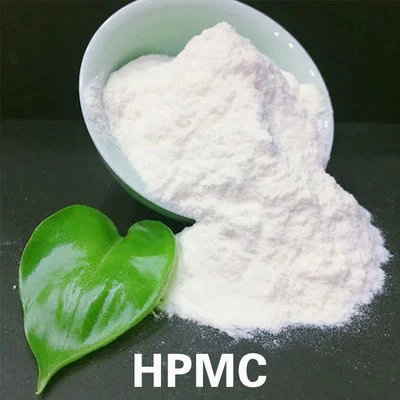
At its core, hydroxypropyl methyl cellulose is a chemically modified cellulose polymer. Think of cellulose as the main structural component of plant cell walls — the fibrous stuff. When treated with hydroxypropyl and methyl groups, this natural polymer transforms into a water-soluble, edible additive that provides emulsifying, thickening, and film-forming properties.
In the food space, HPMC improves texture and moisture retention for things like dairy alternatives, baked goods, and even sauces — pretty much anywhere you need the mix to hang together and behave predictably during cooking and storage.
Interestingly, this compound intersects with humanitarian efforts as well. Because it’s plant-derived and stable under various conditions, it’s also used in nutritional supplements and specialized food relief items destined for disaster zones — ensuring that even in tough circumstances, food quality and safety don’t take a back seat.
Essential Characteristics of Hydroxypropyl Methyl Cellulose in Food
1. Thermal Stability
One often overlooked aspect is HPMC’s unique thermal gelation property. When heated, it transitions from a liquid to gel form, which has useful implications in products like soups or bakery fillings that need to thicken with heat but remain stable when cooled.
2. Water Retention and Moisture Control
HPMC acts like a sponge, holding moisture inside food matrices, which prolongs shelf life and keeps textures pleasant — especially in gluten-free or low-fat products where moisture loss is a common issue.
3. Emulsifying and Film-Forming Abilities
These properties allow HPMC to stabilize mixtures of oil and water, enhancing mouthfeel and appearance. It can also form edible films — sometimes used in coatings or to encapsulate flavors.
4. Safety and Biocompatibility
Regulatory agencies worldwide have recognized HPMC as safe, and because it is derived from cellulose, it doesn’t carry common allergen risks. This makes it a reliable choice for clean-label manufacturers.
5. Ease of Processing
HPMC dissolves quickly in cold water and disperses evenly, which simplifies production lines and reduces downtime due to ingredient handling issues.
Mini takeaway: Hydroxypropyl methyl cellulose’s versatility — from thermal behavior to moisture control — makes it a linchpin in modern food formulations, especially for challenging applications.
Where in the World Is Hydroxypropyl Methyl Cellulose Making a Difference?
This ingredient isn’t confined to any one country or food sector. Globally, it’s a quiet workhorse driving innovation in:
- Europe: Baked goods and confectionery industries rely on it for texture improvement and shelf life extension.
- Asia-Pacific: Rapidly growing processed foods sector uses HPMC extensively in convenience meals and dairy substitutes.
- North America: Health-conscious and gluten-free markets use HPMC to replicate the texture of traditional wheat-based products.
- Africa and Latin America: Used in fortified nutrition and emergency food relief products where stable texture and nutrient retention are essential.
For instance, during recent food supply chain disruptions, manufacturers turned to HPMC-enhanced formulations to maintain product consistency despite ingredient variability. Likewise, NGOs have started to incorporate it in therapeutic foods that must stay stable in hot climates.
Mini takeaway: From bakery aisles in Germany to emergency food packs in Kenya, hydroxypropyl methyl cellulose’s global footprint keeps expanding, responding to diverse industry and humanitarian needs.
Advantages and Long-Term Value of Using Hydroxypropyl Methyl Cellulose
Aside from technical benefits, the use of hydroxypropyl methyl cellulose carries profound implications:
- Cost Efficiency: It reduces waste by improving shelf life and preventing texture degradation.
- Sustainability: Plant-based origin and biodegradable nature appeal to brands wanting green credentials.
- Safety and Consumer Trust: Non-toxic and allergen-free ingredient helps build brand loyalty among wary consumers.
- Social Impact: By supporting stable, nutritious food in disaster relief, it contributes to food security and dignity.
Frankly, it feels like one of those unsung heroes. You rarely see it listed first on an ingredients label, but it quietly supports both the business side and the human side of food.
Current Innovations and Future Trends in Hydroxypropyl Methyl Cellulose Applications
The future is pretty exciting here. There’s ongoing research into combining HPMC with natural fibers or nanomaterials to enhance its film-forming capabilities and even act as a carrier for probiotics or active nutrients.
Green chemistry developments aim to optimize production processes, reducing energy input and solvent use. Meanwhile, digital technologies—like precision dosing and automated formulation systems—allow tighter control over HPMC’s incorporation, leading to less waste and improved functional outcomes.
With sustainability increasingly important, expect more demand for additives like HPMC that align with circular economy goals and consumer preferences for clean, ethical ingredients.
Challenges in Using Hydroxypropyl Methyl Cellulose and How to Overcome Them
Like anything, it’s not perfect. One common challenge manufacturers face is formulation complexity: adding HPMC sometimes requires tweaking other ingredient ratios to avoid undesirable effects like gelation or mouthfeel issues.
Another issue is cost sensitivity—particularly in emerging markets—where the price of additives can be a barrier to adoption. Balancing performance and affordability remains a tightrope walk.
However, experts recommend close collaboration with suppliers to tailor HPMC grades and conduct pilot testing, which can dramatically reduce risks. New formulations also sometimes pair HPMC with alternative natural stabilizers for a synergistic effect.
Product Specification Table
| Specification | Typical Value |
|---|---|
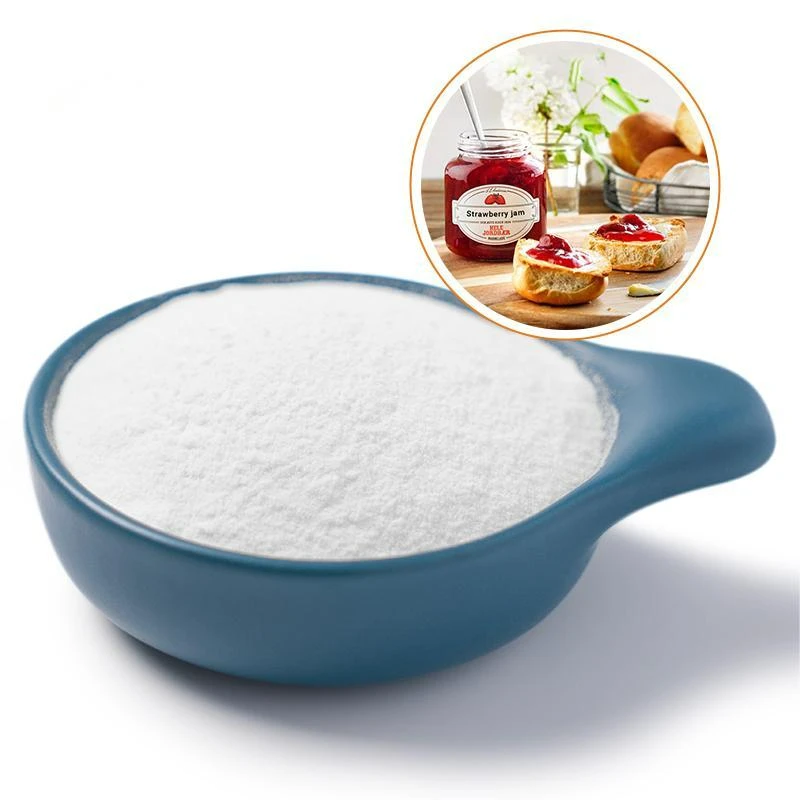
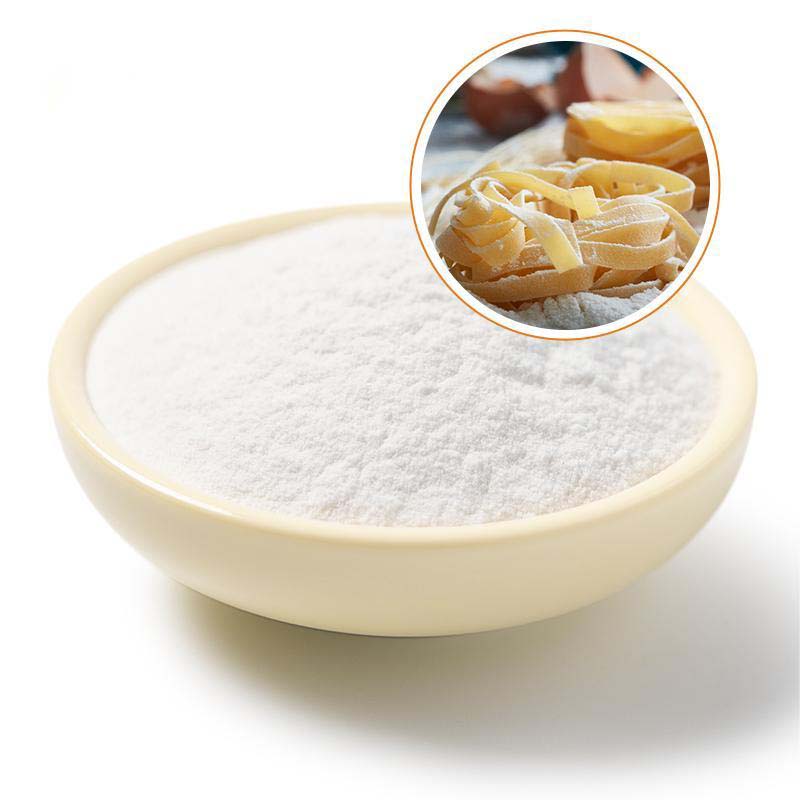
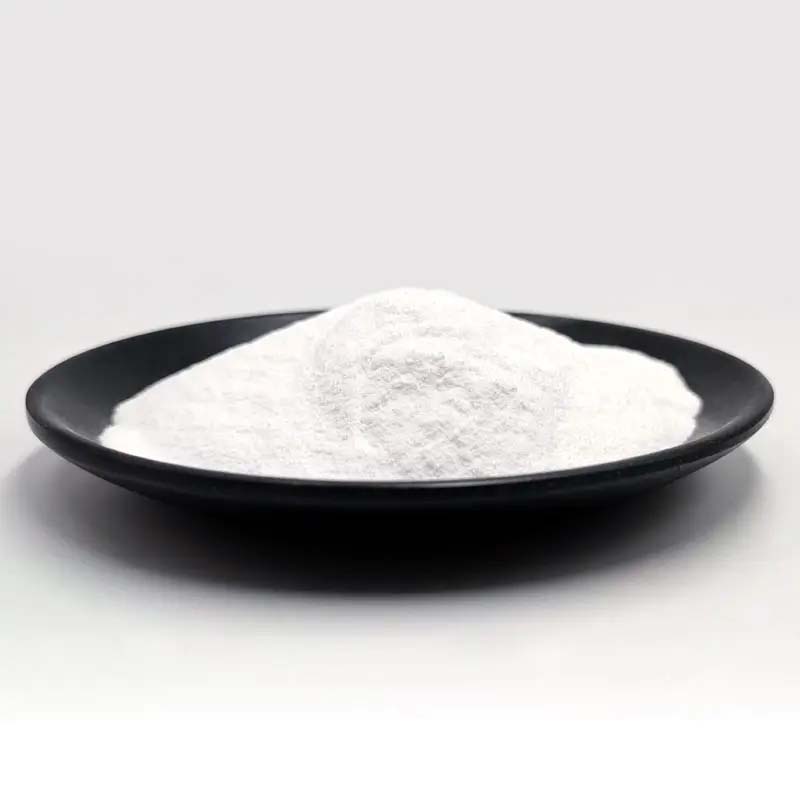
| Appearance | White Powder |
| Moisture Content | ≤ 5% |
| Methoxyl Content | 19.0 - 24.0% |
| Hydroxypropyl Content | 4.0 - 12.0% |
| Viscosity (2% solution) | 1000 - 25000 mPa·s |
| pH (1% solution) | 5.0 - 8.0 |
Vendor Comparison Table
| Vendor | Grade Types Available | Certifications | Typical Lead Time | Price Range (USD/kg) |
|---|---|---|---|---|
| CelluPure Inc. | Standard, High-Visc, Pharma | FDA, EFSA, ISO9001 | 2-3 weeks | 8.50 - 12.00 |
| GreenChem Solutions | Eco-Grade, Food Grade | Organic, Halal | 3-4 weeks | 9.00 - 11.50 |
| NutraCell Ltd. | Standard, Low-Visc | FDA, Kosher | 1-2 weeks | 7.50 - 10.00 |
FAQ: Common Questions About Hydroxypropyl Methyl Cellulose in Food
Q1: Is hydroxypropyl methyl cellulose safe for all age groups?
A1: Yes, hydroxypropyl methyl cellulose has been extensively evaluated by food safety authorities worldwide, including the FDA and EFSA. It is considered safe for consumption across all age groups, including infants and elderly, when used within regulated limits.
Q2: How does hydroxypropyl methyl cellulose improve gluten-free baked goods?
A2: Without gluten, baked goods often lack structure and moisture retention. HPMC acts as a binder and moisture holder, providing elasticity and preventing dryness, thus mimicking the texture of traditional baked goods more closely.
Q3: Can HPMC be used in vegan and organic food products?
A3: Since HPMC is plant-derived and chemically processed without animal inputs, it suits vegan and many organic formulations. However, ‘organic’ certification depends on production standards, so sourcing certified organic HPMC is vital for organic labeling.
Q4: Does hydroxypropyl methyl cellulose affect the taste of food?
A4: HPMC is generally tasteless and odorless, making it an ideal texture enhancer without altering flavor profiles. Its subtle presence helps maintain the product’s original sensory qualities.
Q5: How should manufacturers incorporate HPMC into their formulations?
A5: Typically, HPMC is dispersed in cold water or liquid phase with thorough mixing to avoid clumping, then added to the main batter or mixture. Pilot testing is recommended to optimize dosage and performance.
Wrapping Up: The Subtle Power of Hydroxypropyl Methyl Cellulose in Food
The journey of hydroxypropyl methyl cellulose from plant fibers to a multifunctional food additive is a fascinating reflection of modern food science meeting practical, global challenges. It enhances textures, extends shelf life, and supports food security initiatives — all with an eye on sustainability and consumer safety. Whether you're a food engineer or a curious consumer, appreciating this ingredient means acknowledging the small but vital details behind what ends up on your plate.
Interested in learning more or sourcing quality HPMC for your next formulation? Visit our website: hydroxypropyl methyl cellulose in food for expert insights and reliable supplier connections.
References
-
What Is VAE Powder? Complete Guide to Redispersible Polymer Powder (RDP) for ConstructionNewsApr.21,2026
-
HPMC Manufacturers in ChinaNewsApr.21,2026
-
What Is Redispersible Polymer Powder (RDP)? Complete Guide to VAE RDP for Mortar ApplicationsNewsApr.21,2026
-
Top Guide to Selecting Professional vae emulsion manufacturersNewsApr.16,2026
-
Viscosity of HPMCNewsApr.15,2026
-
HPMC Powder UsesNewsApr.15,2026