Understanding Hydroxypropyl Methylcellulose Food: Uses, Benefits & Future Trends
The Global Role and Relevance of Hydroxypropyl Methylcellulose in Food
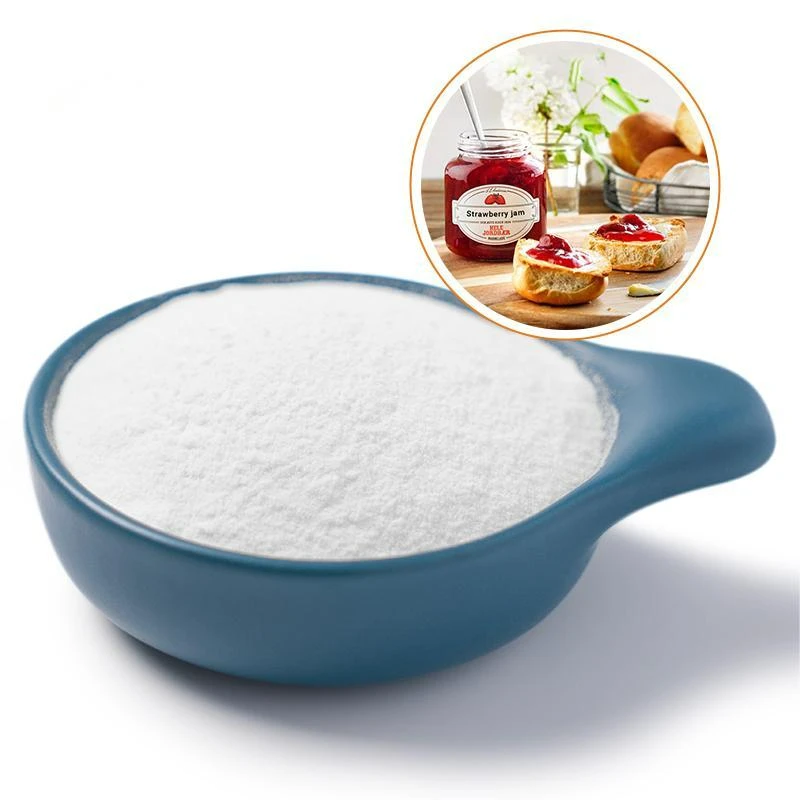
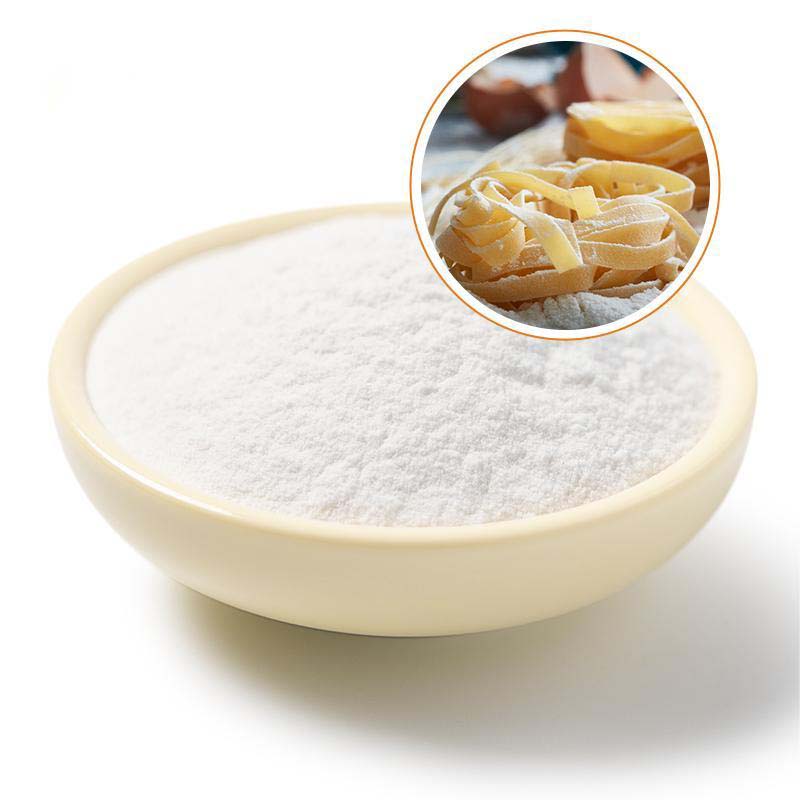
Hydroxypropyl methylcellulose food—it sounds like a mouthful, doesn’t it? But this compound is more than just a chemical name on a label; it’s a key player in food technology worldwide, improving texture, stability, and shelf life for an array of products. Understanding hydroxypropyl methylcellulose food is important not only for food scientists but also for consumers curious about what keeps their favorite foods fresh and consistent.
Globally, with urbanization and industrial food production skyrocketing, maintaining food quality and safety is a major challenge. The UN’s Food and Agriculture Organization points out that food waste is a huge issue, often tied to spoilage and inconsistent food texture that dissuades consumers. Hydroxypropyl methylcellulose (HPMC) offers a solution by enhancing food products’ durability against deterioration, making it a crucial ingredient in the modern food supply chain.
Mini takeaway: Hydroxypropyl methylcellulose food is everywhere—from bakery goods to meat products—and it plays a quiet but vital role in global food sustainability.
What Exactly Is Hydroxypropyl Methylcellulose in Food?
Let’s break it down. Hydroxypropyl methylcellulose, often abbreviated as HPMC or hypromellose, is a chemically modified form of cellulose—the basic structural component of plants. Unlike natural cellulose, HPMC dissolves in cold water, making it incredibly versatile.
In food, HPMC acts mainly as a thickener, emulsifier, and film-forming agent. It’s a plant-based additive that’s considered safe by food safety authorities like the FDA and EFSA. What excites me about HPMC is how it strikes a balance: It’s synthetic enough to offer tailored functionality, yet derived from renewable natural sources, aligning well with the growing focus on sustainable food systems.
Oddly enough, HPMC has roots far beyond food technology—in pharmaceuticals, for example, as a pill binder—illustrating its wide utility across industries.
Mini takeaway:
- HPMC is a cellulose derivative used as a food additive.
- It enhances texture, moisture retention, and shelf-life.
- It comes from natural sources but offers synthetic flexibility.
Core Characteristics Making Hydroxypropyl Methylcellulose Food-Friendly
1. Water Solubility and Thickening Power
One of HPMC’s most attractive features is its solubility in cold water, unlike many cellulose derivatives. This property allows it to thicken and stabilize products without heat, ideal for cold desserts or sauces.
2. Emulsion Stabilization
HPMC plays a key role in preventing oil and water from separating in foods such as salad dressings or low-fat spreads. It helps maintain a consistent texture, which is critical for customer satisfaction.
3. Thermal Gelation
When heated, HPMC forms gels that help with the structure of baked goods and meat analogs. This reversible gelation is a game-changer when formulating plant-based meats or gluten-free bread.
4. Film-Forming Abilities
It creates edible films that can act as moisture barriers or carriers for flavors and nutrients — a neat trick in snack coatings or bakery wraps.
5. Clean Label and Safety
As it’s non-toxic, non-allergenic, and vegetarian, HPMC fits well with the clean label trend and meets various regulatory requirements worldwide.
Mini takeaway:
In practical food manufacturing, HPMC’s versatility — from thickness to texture, to film formation — covers a lot of bases at once, often allowing producers to reduce fats or emulsifiers.
How Hydroxypropyl Methylcellulose Is Changing Foods Across the Globe
You might not always notice it by name, but HPMC is a behind-the-scenes hero in multiple contexts:
- Asia’s rice and noodle processing: Improves chewiness and moisture retention in gluten-free rice noodles.
- Europe’s bakery sector: Provides gluten-free breads with better crumb and shelf life.
- North America’s plant-based protein market: Used in “meat” burgers to replicate texture and juiciness.
- Development aid and humanitarian food: Enhances ready-to-eat meals and supplements delivered to disaster zones, helping maintain nutrient stability.
In fact, some NGOs have leveraged HPMC-containing products that better preserve food quality during transportation in hot climates—a subtle but meaningful boost for aid recipients.
Mini takeaway:
Hydroxypropyl methylcellulose food is truly global, touching luxury markets and lifesaving food supplies alike.
Advantages: Why Food Producers and Consumers Love HPMC
- Cost-Effective: A little HPMC goes a long way, cutting down the need for fats or expensive emulsifiers.
- Enhances Sustainability: Derived from renewable cellulose, it supports greener production.
- Improves Food Safety: By stabilizing texture and moisture, it reduces spoilage rates.
- Boosts Consumer Confidence: Consistency in product mouthfeel and appearance builds trust in brands.
- Animal-Friendly: Perfect for vegan and vegetarian product lines.
Emotionally speaking, many consumers appreciate the innovation behind clean-label additives that support healthier lifestyles without sacrificing enjoyment.
Product Specification Table for Hydroxypropyl Methylcellulose Food
| Property | Specification |
|---|---|
| Appearance | White to off-white powder |
| Solubility | Cold water soluble |
| pH (1% aqueous solution) | 5.0 – 8.0 |
| Viscosity (2% solution at 20°C) | 4000 – 12000 mPa·s |
| Moisture content | ≤ 5% |
| Methoxy content | 19.0 – 24.0% |
| Hydroxypropyl content | 4.0 – 12.0% |
Vendor Comparison: Leading Hydroxypropyl Methylcellulose Food Suppliers
| Vendor | Product Range | Global Reach | Price Range (per kg) | Certifications |
|---|---|---|---|---|
| Supplier A | Standard & custom grades | Worldwide | $15 – $25 | ISO 9001, FDA |
| Supplier B | Organic-certified grades | Europe, Asia | $20 – $30 | USDA Organic, EFSA |
| Supplier C | Economy bulk grades | North America | $12 – $18 | ISO 22000, FDA |
Looking Ahead: Innovations and Trends with Hydroxypropyl Methylcellulose
In the coming years, the intersection of sustainability and digital transformation will impact how hydroxypropyl methylcellulose is produced and used. Advances in green chemistry are driving reduced environmental footprints for cellulose-derived additives. Some innovative work is targeting enzymatic modification to fine-tune HPMC properties with less energy consumption.
Smart food packaging might also integrate edible HPMC films infused with sensors or nutrients—something sci-fi, yet increasingly feasible with today's tech. And as plant-based foods continue booming, formulations relying on HPMC will probably get more sophisticated, balancing texture, flavor retention, and gut health benefits.
Challenges and Emerging Solutions
That said, like any additive, HPMC has its quirks. For example, achieving the perfect viscosity without affecting taste can be tricky, and large-scale batch consistency demands tight process control.
Some manufacturers wrestle with the cost implications when switching from conventional stabilizers, but countless product trials show that those initial costs often pay off in product quality and customer loyalty.
Innovations such as blending HPMC with other natural hydrocolloids or employing advanced inline mixing technologies help overcome these challenges. For entrepreneurs experimenting with new recipes, quick lab-scale screening tools for HPMC performance are becoming increasingly accessible.
FAQ: Common Questions About Hydroxypropyl Methylcellulose Food
Q1: Is hydroxypropyl methylcellulose safe to consume daily?
A1: Yes, HPMC is generally recognized as safe (GRAS) by major food safety agencies like the FDA and EFSA. It passes through the digestive system mostly unabsorbed, acting as a soluble fiber. However, moderation applies as with any additive.
Q2: How does HPMC improve gluten-free baked goods?
A2: In gluten-free products, HPMC mimics gluten’s elasticity and moisture retention. This results in softer crumb, better volume, and longer shelf life, helping the products feel less “dry” or crumbly.
Q3: Can HPMC help reduce fat in processed foods?
A3: Absolutely. HPMC's thickening and emulsifying actions allow formulations to use less fat without sacrificing texture or mouthfeel, making it popular in lower-fat salad dressings and dairy alternatives.
Q4: Are there vegetarian or vegan certifications for HPMC?
A4: Since HPMC is plant-derived, it usually meets vegetarian and vegan standards. Many suppliers provide certification details for peace of mind.
Q5: How do manufacturers choose the right grade of hydroxypropyl methylcellulose?
A5: Selection depends on product-specific needs like viscosity, gelation temperature, and film strength. Working with suppliers who offer technical support is key to matching the right HPMC grade.
Conclusion: Why Hydroxypropyl Methylcellulose Food Matters for the Future
So, in a nutshell, hydroxypropyl methylcellulose food really is that unsung hero driving texture, stability, and sustainability in the food industry. Its adaptability touches everything from high-end health foods to critical nutrition aid, making it a linchpin for innovation and quality assurance.
For anyone curious to explore this versatile additive further, dive into the world of hydroxypropyl methylcellulose food and see how it can elevate your products or help solve real-world food challenges.
Visit our website: https://www.pezetech.com
References
-
What Is VAE Powder? Complete Guide to Redispersible Polymer Powder (RDP) for ConstructionNewsApr.21,2026
-
HPMC Manufacturers in ChinaNewsApr.21,2026
-
What Is Redispersible Polymer Powder (RDP)? Complete Guide to VAE RDP for Mortar ApplicationsNewsApr.21,2026
-
Top Guide to Selecting Professional vae emulsion manufacturersNewsApr.16,2026
-
Viscosity of HPMCNewsApr.15,2026
-
HPMC Powder UsesNewsApr.15,2026