Comprehensive Guide to Methyl Hydroxyethyl Cellulose (MHEC) and Its Industrial Applications
Unveiling Methyl Hydroxyethyl Cellulose (MHEC): A Global Overview
In the often overlooked world of industrial additives and functional materials, methyl hydroxyethyl cellulose (MHEC) carves out a unique and essential position. This chemical marvel is more than just a fancy-sounding compound; it plays a pivotal role in construction, pharmaceuticals, and even the cosmetics industry. Globally, the demand for MHEC reflects a fascinating intersection of innovation and sustainability, linked closely to evolving manufacturing methods and environmental awareness.
Why should you, as a professional or curious reader, care? Because understanding MHEC means appreciating how a seemingly small ingredient can improve product durability, ease production, and reduce environmental impact — core challenges in many industries today.
Global Context: Why MHEC Matters in Today’s Industries
These days, the industrial landscape grapples with a lot: tighter regulations, globalization of supply chains, and the race toward greener technologies. According to ISO standards and reports from the World Bank, the construction sector alone accounts for a significant portion of material consumption worldwide—and that’s where MHEC often enters the frame.
Many regions, especially Asia-Pacific and Europe, are witnessing intensive adoption of functional additives like methyl hydroxyethyl cellulose in cementitious and finishing products. The Environment Agency of the UN consistently flags the construction sector as an area ripe for innovation to reduce waste and boost efficiency. MHEC offers solutions to some of those “cracks” — literally and figuratively — by enhancing water retention and workability of building materials.
On top of that, the pharmaceutical and personal care industries appreciate MHEC for its thickening, stabilizing, and film-forming properties. Yet challenges remain in sourcing sustainably, standardizing quality, and diversifying applications.
What Exactly Is Methyl Hydroxyethyl Cellulose?
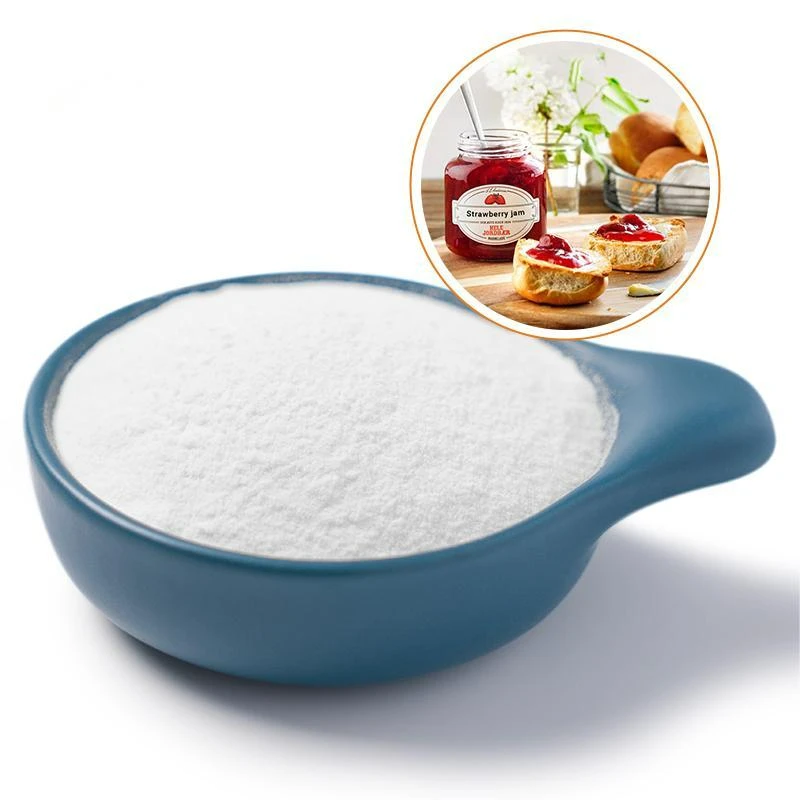
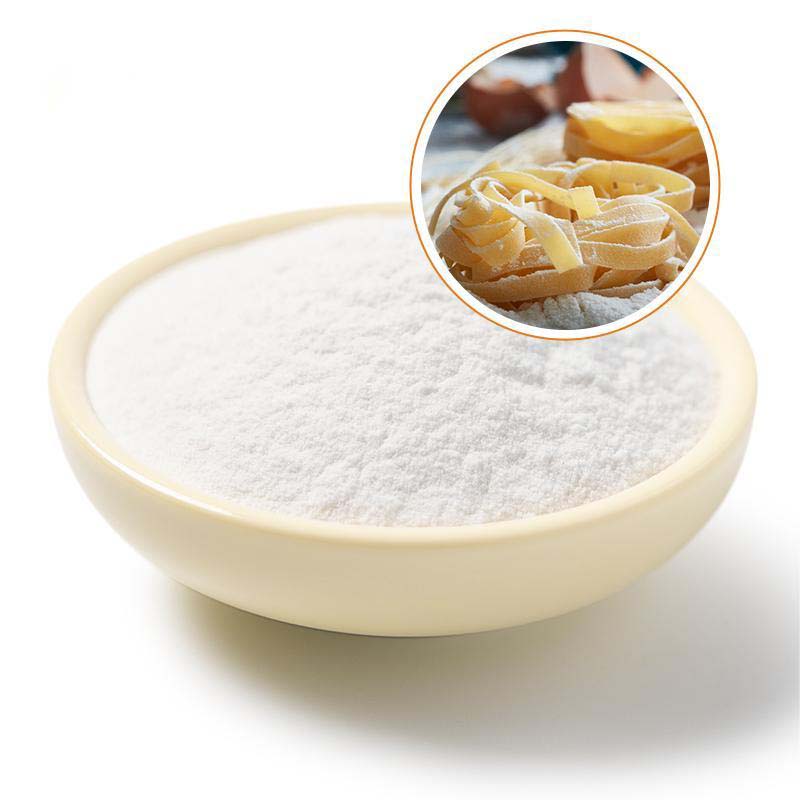
Simply put, methyl hydroxyethyl cellulose is a chemically modified cellulose derivative. It’s produced by treating cellulose — the fibrous structural element from plants — with methyl and hydroxyethyl groups. This modification gives MHEC its remarkable solubility in cold water and its ability to act as a rheology modifier (which just means it controls how liquids flow).
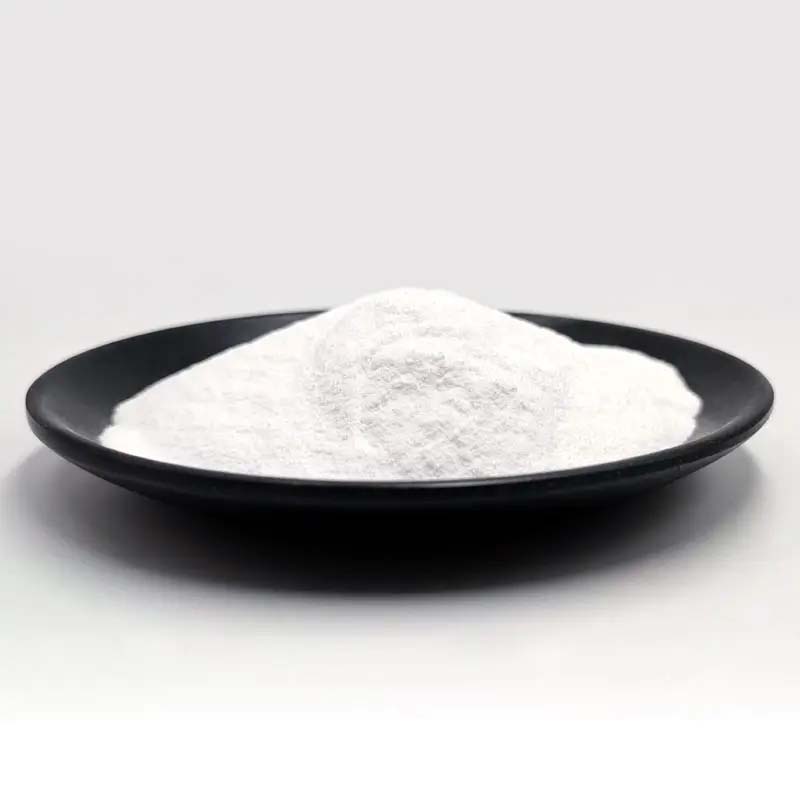
In real terms, it’s a powdery substance that, when added to water, thickens, retains moisture, and improves the texture of products ranging from cement to creams. Its versatility resembles the humble Swiss Army knife of chemical additives. And because cellulose is a natural polymer, MHEC also aligns with industry pushes toward bio-based and biodegradable materials.
Key Features That Define Methyl Hydroxyethyl Cellulose
1. Water Retention
MHEC is prized for its water retention capacity, especially in cement and plaster applications. By holding water effectively, it allows construction materials to hydrate properly and cures more uniformly. This leads to fewer cracks and longer-lasting structures — something every engineer values deeply.
2. Rheological Control
Rheology is a fancy way to describe “how stuff flows.” MHEC adjusts the viscosity of mixtures, controlling slump, spreadability, and sag resistance depending on the formulation. For example, tile adhesives rely on MHEC to avoid dripping and ensure a consistent, smooth application.
3. Compatibility with Other Ingredients
MHEC doesn’t act alone. It works synergistically with other polymers, dispersants, and plasticizers. This synergy is a key reason why formulations with MHEC can be tailored precisely — think of it as an orchestral conductor of additives.
4. Thermal and Chemical Stability
A useful additive needs to withstand heat and chemistry of production processes. MHEC holds its properties well under varying temperatures, making it suitable for diverse environments.
5. Non-Toxic and Biodegradable Origin
The emergence of green chemistry makes MHEC attractive since it is derived from cellulose and is considered safe for humans and ecosystems—a point increasingly scrutinized in global supply chains.
Mini takeaway:
In essence, methyl hydroxyethyl cellulose isn’t just another additive but a multifunctional powerhouse shaping material performance across industries.
Applications Around the World: Real Use Cases of MHEC
From the buzzing industries in Germany to fast-developing urban centers in India and China, MHEC finds home in multiple sectors:
- Construction: As part of tile adhesives, self-leveling compounds, cement-based coatings, and plaster to improve workability and durability.
- Pharmaceuticals: Used as a binder and controlled release agent in tablets.
- Personal Care: In creams, lotions, and shampoos as a thickener and stabilizer.
- Paints & Coatings: Helps maintain the suspension of pigments and improves application properties.
Take the example of post-earthquake re-construction in Nepal. MHEC-enhanced plasters and adhesives helped improve the speed and quality of rebuilding homes—ensuring safer, longer-lasting walls with less cracking during intense weather cycles.
Typical Product Specifications of Methyl Hydroxyethyl Cellulose
| Property | Typical Range | Unit |
|---|---|---|
| Methoxy Content | 19 - 24 | % (weight) |
| Hydroxyethyl Content | 16 - 24 | % (weight) |
| Viscosity (2% Solution) | 500 - 4,000 | mPa·s (spindle 2, 20 rpm) |
| pH (2% Solution) | 5 - 8 | – |
| Moisture Content | ≤ 5.0 | % (weight) |
Comparing Leading MHEC Vendors
| Vendor | Product Range | Typical Viscosity (mPa·s) | Lead Time | Sustainability Certifications |
|---|---|---|---|---|
| Vendor A | MHEC Grades from 500 to 3,000 mPa·s | 500 - 3,000 | 2 weeks | ISO 14001, FSC |
| Vendor B | Specialized high-viscosity MHECs (2,000+ mPa·s) | 2,000 - 4,000 | 3-4 weeks | REACH, ISO 9001 |
| Vendor C | Cost-effective bulk MHEC | 500 - 1,500 | 1 week | None disclosed |
The Advantages and Lasting Value of Using MHEC
MHEC’s appeal is both tangible and emotional if you think about the people on construction sites, the end users buying gentle skincare, or the patients relying on consistent medicines. Here’s why it truly matters:
- Cost Efficiency: Small amounts of MHEC can significantly improve product performance, cutting down material waste and labor costs.
- Sustainability: Derived from cellulose, it supports greener chemistry initiatives—a growing priority for brands and manufacturers.
- Reliability: Enhanced water retention and viscosity control result in better, longer-lasting products.
- Safety & Trust: Its non-toxic nature aligns with health and environmental regulations worldwide.
When businesses adopt MHEC thoughtfully, the outcomes often go beyond the bottom line — empowering safer buildings, longer shelf lives, and even a lower carbon footprint.
What’s Next? Emerging Trends in MHEC Development
The chemical and materials industries are buzzing with new ideas. For MHEC, the future points to:
- Greener Production Methods: New enzymatic and biotechnological approaches aim to reduce chemical inputs and energy consumption during manufacturing.
- Functionalization Innovations: Enhanced MHEC variants with added properties like antimicrobial action or tailored biodegradation.
- Digital Quality Control: Real-time monitoring of MHEC batches using spectroscopy tools to ensure consistency and reduce waste.
- Integration in 3D Printing: Exploring MHEC’s role in printable construction materials, marrying old materials with new tech.
Challenges and How Industry Leaders Are Tackling Them
Not everything with MHEC is straightforward. Vendors and users face issues such as:
- Variability in Raw Materials: Cellulose sources differ by region, affecting product consistency.
- Regulatory Hurdles: Compliance with global chemical regulations requires constant vigilance.
- Cost Pressure: The competitive market pressures margins and makes tailored solutions risky.
Smart companies invest in supplier partnerships, invest in R&D, and employ advanced analytical methods. For example, a leading producer recently introduced a blockchain-enabled supply chain to boost transparency.
Practical FAQ About Methyl Hydroxyethyl Cellulose (MHEC)
- Q: What makes MHEC better than other cellulose ethers?
- A: MHEC uniquely combines high water retention with cold water solubility and excellent rheology control, making it ideal for a wide spectrum of products, especially in construction and cosmetics.
- Q: Can MHEC be used in eco-friendly building materials?
- A: Yes, MHEC’s bio-based origin and ability to reduce water consumption in mixes makes it favored in sustainable construction solutions.
- Q: How does MHEC improve paint and coating formulations?
- A: By stabilizing pigments and improving flow properties, MHEC prevents sagging and settling, ensuring consistent appearance and performance.
- Q: Is MHEC safe for pharmaceutical products?
- A: MHEC is widely recognized as safe for oral and topical pharmaceutical applications, functioning as a binder and release modifier without adverse effects.
- Q: Where can I source high-quality MHEC for industrial use?
- A: Reliable sourcing comes from established manufacturers with certifications such as ISO 9001, REACH compliance, and sustainability credentials—find a starter selection here.
Wrapping It Up: Why MHEC Holds Promise for the Future
Reflecting on the journey through methyl hydroxyethyl cellulose, it’s clear we’re dealing with a material that quietly underpins a great many advances in industry and quality of life. Its combination of natural origin with high performance fits perfectly in the modern narrative of smarter, safer, and greener production. Whether you’re working on the next generation of paints, pharmaceuticals, or building compounds, forgetting MHEC would be a missed chance.
Curious to learn more or source premium grades? Visit our website: methyl hydroxyethyl cellulose mhec — where innovation meets reliability.
References
-
What Is VAE Powder? Complete Guide to Redispersible Polymer Powder (RDP) for ConstructionNewsApr.21,2026
-
HPMC Manufacturers in ChinaNewsApr.21,2026
-
What Is Redispersible Polymer Powder (RDP)? Complete Guide to VAE RDP for Mortar ApplicationsNewsApr.21,2026
-
Top Guide to Selecting Professional vae emulsion manufacturersNewsApr.16,2026
-
Viscosity of HPMCNewsApr.15,2026
-
HPMC Powder UsesNewsApr.15,2026