Comprehensive Guide to Methylhydroxyethyl Cellulose – Properties, Applications & Suppliers
Understanding Methylhydroxyethyl Cellulose: Why It Matters Today
In a world increasingly reliant on advanced materials for everything from construction to pharmaceuticals, methylhydroxyethyl cellulose (often abbreviated as MHEC) emerges as a quietly indispensable compound. Its unique properties—think thickening, film-forming, and stabilizing—make it critical across industries, helping solve practical challenges that have ripple effects globally. But why should we pay attention to something with such a mouthful of a name?
Simply put, methylhydroxyethyl cellulose enhances the quality and sustainability of countless products, thereby boosting efficiency and safety worldwide. As global demand for smarter, greener, and more versatile materials intensifies, understanding MHEC offers insight into how modern chemistry supports everyday life.
The Global Context: Why Methylhydroxyethyl Cellulose is Gaining Ground
Methylhydroxyethyl cellulose isn’t just a chemical curiosity confined to labs. According to the International Organization for Standardization (ISO) and data tracked by the World Bank, the global market for cellulose ethers—MHEC included—is projected to grow steadily at around 6-7% annually through 2030.
This momentum traces back to rising construction activities, booming pharmaceutical manufacturing, and the push for eco-friendly products. Real challenges exist: plaster and mortar performance, water retention in soils, and pharmaceutical drug delivery systems all benefit from MHEC. The problem? Traditional materials often struggle to meet efficiency or environmental goals. Here, MHEC acts not just as a substitute but as a key enabler of sustainable progress.
What Exactly is Methylhydroxyethyl Cellulose?
Simply put, methylhydroxyethyl cellulose is a derivative of cellulose—the primary fiber in plants—with chemically modified side groups (methyl and hydroxyethyl) that make it water-soluble and highly functional as a thickener and stabilizer. Think of it as a natural polymer tweaked to perform better in modern applications.
This tweak means it dissolves smoothly in water, creating gels that give products desirable textures or water retention abilities. From construction materials that need consistent workability to pharmaceuticals requiring precise drug release profiles, MHEC is versatile and reliable.
Mini Takeaway:
MHEC is essentially cellulose made smarter — unlocking practical benefits while keeping a green edge.
Core Characteristics That Make Methylhydroxyethyl Cellulose So Useful
1. Thickening and Rheology Control
MHEC controls the flow of liquids, ensuring materials like plaster or paints don’t drip or settle inconsistently. It allows manufacturers to tailor viscosity, which is critical in construction and coatings.
2. Water Retention
Many applications, especially in building or agriculture, lean on MHEC’s ability to retain water, keeping mixtures from drying out too quickly. This means stronger, more durable materials or better moisture for plants.
3. Film-Forming and Adhesion
When dried, MHEC forms thin films that bond materials together—crucial in adhesives, sealants, or controlled-release coatings in pharmaceuticals.
4. Non-Toxic and Eco-Friendly
Derived from natural cellulose and modified without toxic solvents, MHEC meets strict environmental and health regulations, making it sought after in “green” products.
5. Thermal Stability and Compatibility
MHEC performs reliably within temperature ranges common in industry, and it mixes well with other polymers and fillers — a key for customization.
Mini Takeaway:
- MHEC’s unique chemistry balances natural origin with industrial performance needs.
- Its properties help tailor products across diverse sectors.
Worldwide Applications: Methylhydroxyethyl Cellulose in Action
Oddly enough, this chemical shows up in places you’d rarely imagine but where the technical demands are actually high. In the construction sector, for example, MHEC is a staple additive in dry-mix mortars used all over Asia and Europe. The methylhydroxyethyl cellulose ensures mortar retains moisture during curing, avoiding cracks that plague cheaper formulas.
Pharmaceuticals also lean on MHEC for tablet coatings that control how drugs release in the body—a vital factor for patient safety and efficacy.
In developing countries, NGOs incorporate MHEC-enhanced materials to produce more reliable building plasters and paints, helping communities withstand extreme weather—a direct contribution to social resilience.
Mini Takeaway:
MHEC’s global footprint ranges from high-tech labs to off-grid construction sites—a testament to its diverse, real-world impact.
The Advantages of Using Methylhydroxyethyl Cellulose
If I had to sum up why so many manufacturers have made MHEC their go-to additive, it comes down to balance: cost meets performance meets safety. It’s about sustainable innovation that also boosts trust.
- Cost Efficiency: Small amounts go a long way, reducing waste and improving end-product quality which lowers returns or failures.
- Sustainability: Being derived from plant cellulose, it supports eco initiatives while biodegrading safely.
- Reliability: Products with MHEC maintain quality over longer shelf lives and varied climates.
- Social Impact: Improves building durability, thus safety and dignity for users.
What’s Next? Future Trends Surrounding Methylhydroxyethyl Cellulose
Looking ahead, green chemistry is pushing formulators to rethink traditional additives, and MHEC is adapting. Research into bio-based modifications aims at enhancing its biodegradability even further, while maintaining thermal and mechanical properties.
Digital transformation in manufacturing means more precise dosing and blending of MHEC, reducing waste and ensuring uniformity. And with an emphasis on circular economies, MHEC fits nicely—recoverable, renewable, upgrading old product lines.
Challenges & Innovative Solutions
No material is perfect, and MHEC has its hurdles. Sometimes solubility can be tricky in highly mineralized water sources, or certain applications require very tight molecular weight control.
To tackle this, suppliers have developed blends combining MHEC with other cellulose ethers or synthetic polymers, optimizing performance for specific environments. Also, process improvements like nanoparticle doping enhance film strength where needed.
Product Specification Table
| Specification | Detail |
|---|---|
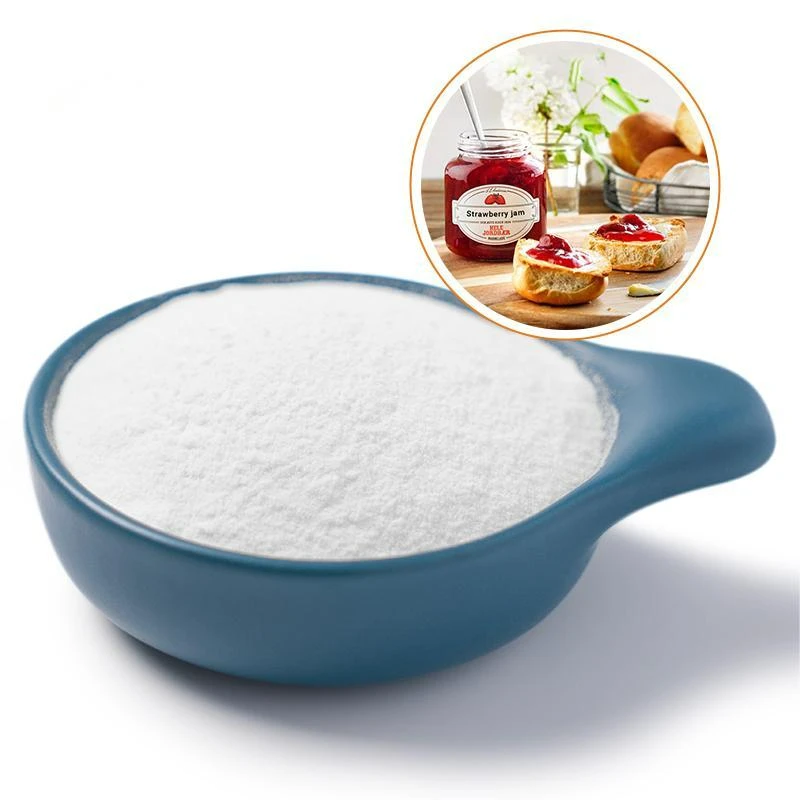
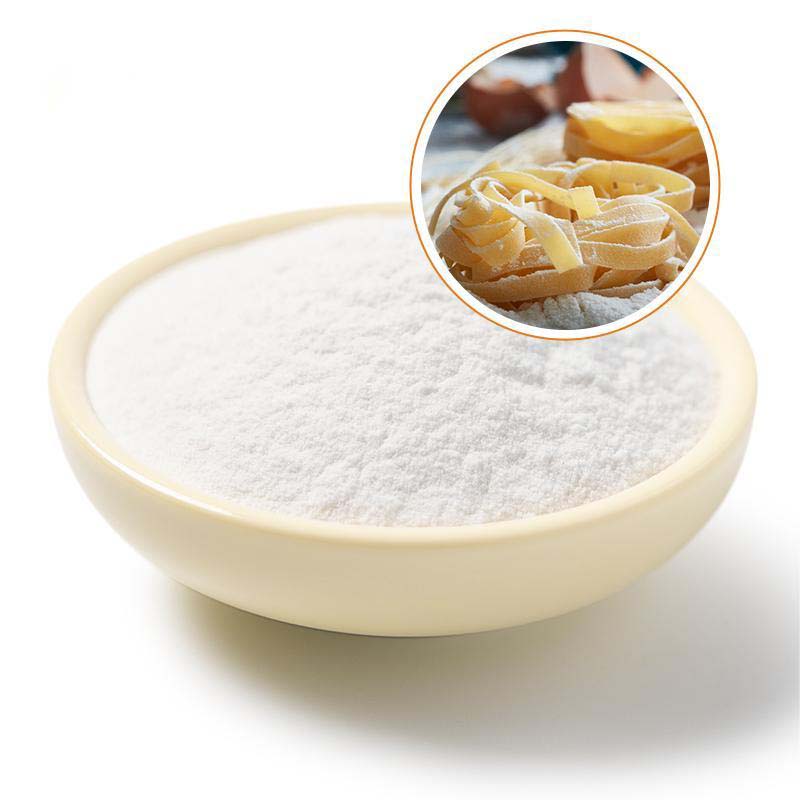
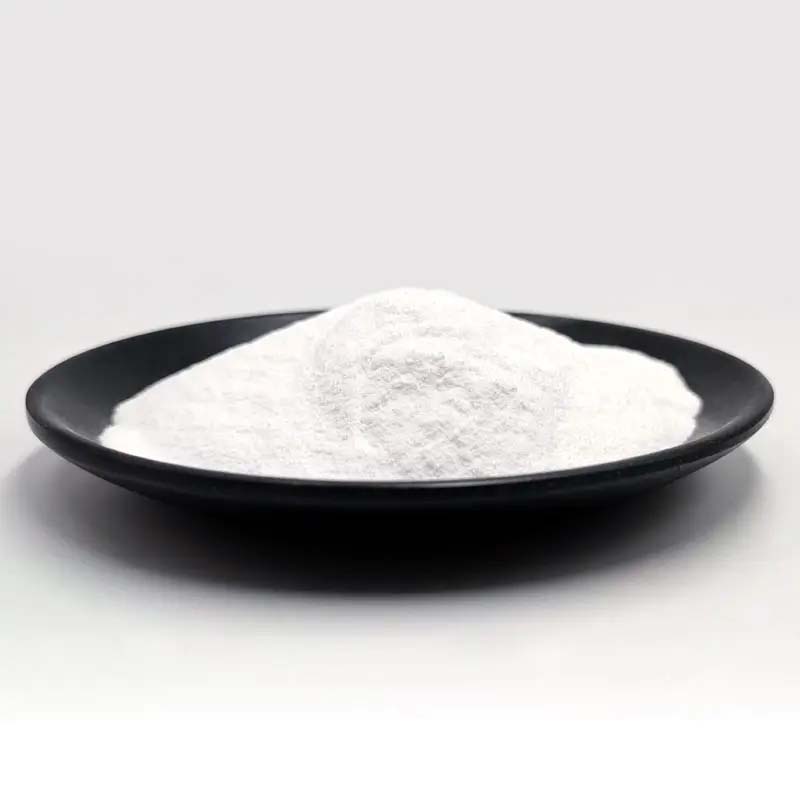
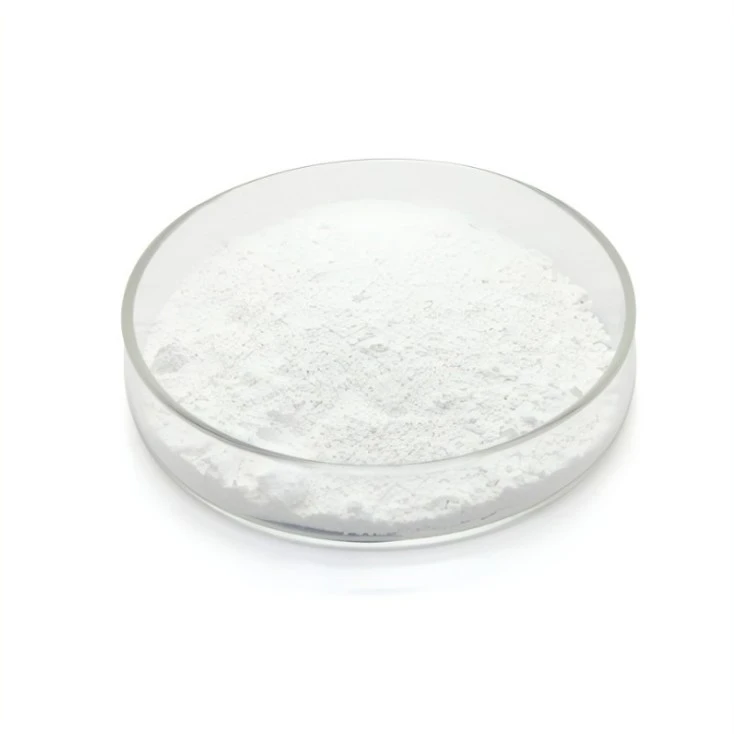
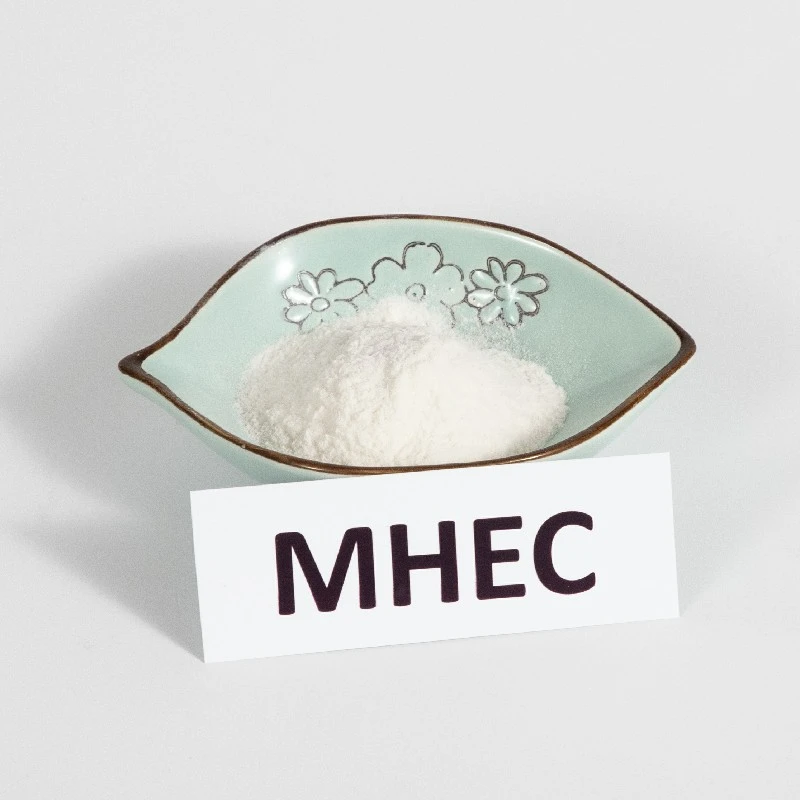
| Appearance | White fibrous powder |
| Solubility | Cold water soluble |
| Viscosity Range | 100 – 200,000 mPa·s (depending on grade) |
| pH Stability | 4.0 – 11.0 |
| Water Retention | Excellent |
| Thermal Stability | Up to 140°C |
Methylhydroxyethyl Cellulose Vendor Comparison
| Vendor | Key Strengths | Pricing | Global Reach |
|---|---|---|---|
| Pezetech | Wide viscosity grades, strict quality control | Mid-range, volume discounts | International shipping, strong presence in Asia & EU |
| Cellosynth Inc. | Custom formulations, rapid sampling | Premium pricing | Focused on North America & Europe |
| EcoCell Fibres | Certified green supply chain | Competitive | Emerging markets, Africa & South America |
Frequently Asked Questions about Methylhydroxyethyl Cellulose
Q1: How does methylhydroxyethyl cellulose improve mortar and plaster mixes?
A1: Methylhydroxyethyl cellulose enhances mortar by controlling water retention and viscosity, ensuring better workability and reducing cracking during the drying process. It helps keep the plaster hydrated long enough to cure properly, which translates into stronger, more durable structures.
Q2: Is MHEC safe for pharmaceutical applications?
A2: Yes, MHEC is widely used in pharmaceuticals as a binder and coating agent. Its non-toxic nature and ability to form stable films make it ideal for controlling drug release rates and improving product stability.
Q3: Can MHEC be used in environmentally sensitive areas?
A3: Definitely. MHEC is biodegradable and derived from natural cellulose, making it suitable for eco-friendly applications such as sustainable construction materials and personal care products where environmental impact is a concern.
Q4: What kind of shelf life do products containing MHEC typically have?
A4: Products formulated with MHEC generally enjoy enhanced shelf life due to improved water retention and film-forming properties, which protect against drying out or degradation under normal storage conditions.
Q5: How can I find a reliable supplier of methylhydroxyethyl cellulose for industrial use?
A5: Look for vendors with consistent quality certifications and global reach, like Pezetech. Established suppliers often provide technical support and custom grades tailored to your specific application needs.
Wrapping It Up: Why Methylhydroxyethyl Cellulose Deserves Your Attention
MHEC may fly under the radar for many, but its contribution to industries ranging from construction to medicine is frankly impressive. It’s an enabler of quality, sustainability, and innovation—qualities that matter deeply in today’s product development landscape.
Want to explore how methylhydroxyethyl cellulose can enhance your products or processes? Don’t hesitate—visit our website at https://www.pezetech.com to learn more.
References
-
What Is VAE Powder? Complete Guide to Redispersible Polymer Powder (RDP) for ConstructionNewsApr.21,2026
-
HPMC Manufacturers in ChinaNewsApr.21,2026
-
What Is Redispersible Polymer Powder (RDP)? Complete Guide to VAE RDP for Mortar ApplicationsNewsApr.21,2026
-
Top Guide to Selecting Professional vae emulsion manufacturersNewsApr.16,2026
-
Viscosity of HPMCNewsApr.15,2026
-
HPMC Powder UsesNewsApr.15,2026