Understanding Methyl Hydroxyethyl Cellulose: Uses, Benefits, and Global Impact
Unlocking the Potential of Methyl Hydroxyethyl Cellulose: A Global Perspective
At first glance, methyl hydroxyethyl cellulose may sound like just another mouthful of chemical jargon reserved for specialist labs or textbooks. But in reality, it plays a surprisingly pivotal role across industries worldwide—ranging from construction and pharmaceuticals to food processing and beyond. Understanding methyl hydroxyethyl cellulose isn’t merely academic; it helps manufacturers create safer, more reliable products, supports sustainability goals, and often improves everyday comforts we take for granted globally.
Why does this matter on a global scale? Well, with urbanization, demands for efficient building materials, and a rising push for eco-friendly additives, methyl hydroxyethyl cellulose has quietly stepped into the spotlight as a versatile, water-soluble polymer shaping innovations across continents.
Global Context: Why the Spotlight on Methyl Hydroxyethyl Cellulose?
According to reports by the International Organization for Standardization (ISO), the global market for cellulose derivatives is growing steadily—projected to hit over US$1.2 billion by the late 2020s. This surge ties into growing demand in Asia-Pacific for modern building solutions, pharmaceutical excipients, and cosmetic formulations.
However, the real challenge many industries face today is balancing performance and environmental impact. Many standard additives either fall short in eco-friendliness or are cost-prohibitive. Here, methyl hydroxyethyl cellulose stands out as a sustainable alternative that enhances product quality without the guilt—an increasingly vital selling point globally.
What Is Methyl Hydroxyethyl Cellulose? Simply Explained
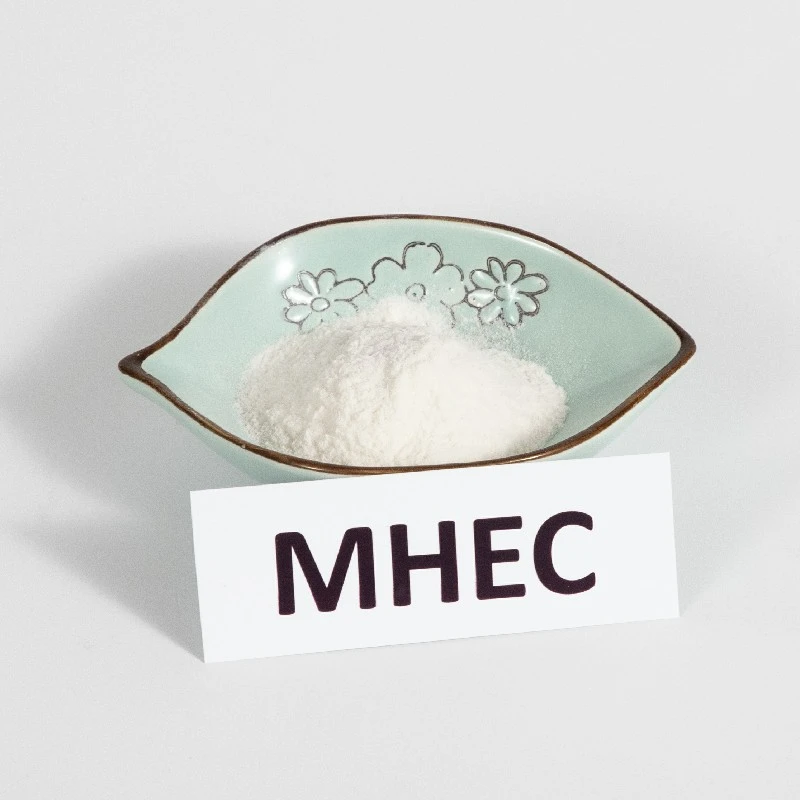
Methyl hydroxyethyl cellulose (MHEC) is a chemically modified cellulose polymer derived from natural plant fibers. Imagine cellulose, the structural component in plants, but "tweaked" with methyl and hydroxyethyl groups. This tweaking makes it water-soluble and gives it unique thickening, emulsifying, and stabilizing properties.
It’s somewhat like adding the perfect seasoning to a tried-and-true recipe: without drastically changing the base, it subtly transforms the consistency and performance. For that reason, it's widely used across industries—from improving the texture in food to controlling water retention in cement mixes.
Core Factors Behind Its Industrial Success
1. Versatile Rheological Properties
One of methyl hydroxyethyl cellulose’s biggest draws is its ability to dramatically alter fluid flow behavior. Many engineers say it’s a go-to product whenever you need consistent viscosity or gel-like characteristics. Whether slowing water evaporation in tile adhesives or providing creaminess in lotions, its versatility is a boon.
2. Thermal Stability
Unlike some additives that break down under heat, MHEC maintains performance at relatively high temperatures, making it ideal for applications like roofing membranes or paints exposed to sun and heat.
3. Eco-Friendly Profile
Since it’s derived from plant-based cellulose, it’s biodegradable and non-toxic. In an age where green chemistry is more than a buzzword, that matters a lot.
4. Compatibility with Other Ingredients
It mixes nicely with a range of chemicals, from acrylics to surfactants, without causing clumping or phase separation. That makes formulations predictable and stable, crucial for product consistency.
5. Cost-Effectiveness
Although not the cheapest additive, its multi-functionality often reduces the need for multiple other chemicals, lowering overall costs.
Mini takeaway: Methyl hydroxyethyl cellulose is kind of a “Swiss Army knife”—not the flashiest, but dependable and indispensable when you need versatility and reliability.
Real-World Applications Across the Globe
Where exactly does this polymer leave its mark? The answer is everywhere.
- Construction Industry: MHEC is widely used to improve mortar workability, prevent water loss, and enhance adhesion in tile adhesives and plasters. Particularly in countries with rapid urban expansion like China and India, the demand is sky-high.
- Pharmaceuticals: Acting as a binding agent or stabilizer in tablets and creams—improving dosage consistency and shelf-life.
- Food Industry: Provides thickness and smoothness in instant soups, sauces, and gluten-free products.
- Cosmetics: Found in shampoos and lotions for better texture and moisture retention.
- Post-Disaster Relief: Interestingly, in emergency housing construction, formulations using MHEC-based adhesives ensure fast yet durable assembly, critical for shelter resilience in disaster-prone areas.
Regions like Europe lead in developing sustainable methyl cellulose variants, while manufacturing hubs in Asia-Pacific continue expanding applications—the balance of innovation and scale is fascinating.
Advantages & Long-Term Value of Methyl Hydroxyethyl Cellulose
Looking beyond immediate use-cases, the benefits stack up into something attractive for investors and end-users alike:
- Enhanced Product Performance: Products last longer, perform better, and feel higher quality.
- Environmental Impact: Biodegradable, renewable source, and reduced reliance on synthetic polymers.
- Social Impact: Improved construction materials lead to safer buildings and infrastructure.
- Economic: Lower lifecycle costs due to fewer repairs, less waste, and streamlined production steps.
- Cultural: Its application in healthcare and food upholds trust and dignity, a less obvious but vital aspect.
Oddly enough, many practitioners mention how knowing their materials are “green” adds an emotional lift—even pride—which sometimes translates into better craftsmanship.
Emerging Trends & What Lies Ahead
The world of methyl hydroxyethyl cellulose isn’t static. In fact, it’s on the cusp of exciting innovations:
- Bio-Based Enhancements: Researchers are exploring even greener substitutions by integrating MHEC with nanoscale cellulose fibers to improve strength and reduce carbon footprints.
- Digital Formulation Tools: AI-driven software now helps chemists tailor MHEC derivatives for specific viscosities or thermal behaviors, significantly cutting trial-and-error time.
- Smart Packaging: MHEC blends are being studied for edible films and biodegradable coatings to replace plastics.
- Global Policies: With tighter environmental regulations, demand for cellulose derivatives with stringent sustainability standards is expected to intensify.
Common Challenges & How Industry Innovates
Of course, methyl hydroxyethyl cellulose is not without its issues:
- Water Sensitivity: Excess moisture exposure can sometimes degrade performance.
- Cost Fluctuations: Sourcing raw cellulose can be influenced by agricultural yield variations.
- Processing Complexity: Achieving the perfect functional grade demands precise chemistry control.
Leading manufacturers now use advanced quality control and process automation to overcome these. Blending MHEC with complementary additives can also address water sensitivity in harsh environments.
Product Specification Table
| Property | Typical Value | Units |
|---|---|---|
| Appearance | White powder | - |
| Viscosity (2% solution) | 2500 | mPa·s at 20°C |
| pH (1% solution) | 6.5 – 8.0 | - |
| Solubility | Cold water | - |
| Density | 0.45 | g/cm³ |
Vendor Comparison: Leading Methyl Hydroxyethyl Cellulose Suppliers
| Supplier | Product Range | Sustainability Certification | Global Presence | Typical Lead Time |
|---|---|---|---|---|
| CelluTech Corp. | Standard & specialty grades | ISO 14001 | North America, Europe, Asia | 2-3 weeks |
| GreenBind Chemicals | Eco-friendly variants | FSC certified | Europe, Asia-Pac | 3-4 weeks |
| PolyCell Innovations | Customized grades for pharma & construction | ISO 9001 | Global | 1-2 weeks |
FAQs: Frequently Asked Questions About Methyl Hydroxyethyl Cellulose
Q1: How does methyl hydroxyethyl cellulose improve construction materials?
A1: Methyl hydroxyethyl cellulose enhances workability by retaining water, preventing premature drying, and improving adhesion in mortars and plasters. This results in stronger, more durable surfaces that resist cracking.
Q2: Can methyl hydroxyethyl cellulose be used in food products?
A2: Yes, it is widely used as a food additive for thickening and stabilizing products like sauces and soups. It’s safe and approved by regulatory bodies, offering consistency in texture.
Q3: What are the environmental benefits of using methyl hydroxyethyl cellulose?
A3: Being plant-derived and biodegradable, methyl hydroxyethyl cellulose reduces reliance on synthetic polymers. Its use supports sustainability goals by lowering environmental footprints across industries.
Q4: Is methyl hydroxyethyl cellulose suitable for pharmaceutical applications?
A4: Absolutely. It functions as a binder, film former, and stabilizer in tablets and topical formulations, ensuring controlled release and consistent dosage.
Q5: How can companies ensure consistent quality when sourcing methyl hydroxyethyl cellulose?
A5: Partnering with reputable vendors who follow ISO certifications and provide batch testing reports is essential. This guarantees functional consistency, crucial for sensitive applications.
Wrapping Up: Why Methyl Hydroxyethyl Cellulose Deserves More Attention
In the grand scheme of materials science and industrial chemistry, methyl hydroxyethyl cellulose may not scream for attention like headline-grabbing tech, but its quiet reliability and remarkable versatility make it a cornerstone of modern manufacturing and sustainability efforts. Whether improving building safety in booming cities or giving food products the right texture, the polymer’s footprint spans continents and sectors.
If you’re curious to see how it can fit into your projects or products, don’t hesitate to visit our website and explore the latest grades and applications that might just be what your innovation needs.
References
-
What Is VAE Powder? Complete Guide to Redispersible Polymer Powder (RDP) for ConstructionNewsApr.21,2026
-
HPMC Manufacturers in ChinaNewsApr.21,2026
-
What Is Redispersible Polymer Powder (RDP)? Complete Guide to VAE RDP for Mortar ApplicationsNewsApr.21,2026
-
Top Guide to Selecting Professional vae emulsion manufacturersNewsApr.16,2026
-
Viscosity of HPMCNewsApr.15,2026
-
HPMC Powder UsesNewsApr.15,2026