Comprehensive Insights into Hydroxypropyl Methylcellulose Use Across Industries
Understanding Hydroxypropyl Methylcellulose Use: A Global Perspective
Hydroxypropyl methylcellulose (HPMC) — sounds like a mouthful, right? But dig a little deeper, and you’ll find it’s a quietly powerful ingredient behind a slew of industries worldwide. From pharmaceuticals to construction, the hydroxypropyl methylcellulose use story is one of versatility and innovation that silently shapes how products perform and how people live.
Why does this matter globally? Well, trends show that demand for sustainable, safe, and adaptable materials is skyrocketing, especially in developing regions where infrastructure is rapidly evolving. Grasping the role of HPMC can unlock new strategies for manufacturing, healthcare, and even humanitarian aid.
Why Hydroxypropyl Methylcellulose Use Has Become a Global Game-Changer
The global chemical additives market, which includes compounds like HPMC, is projected to hit upward of $146 billion by 2026 — largely driven by the growing need for additives that improve product quality and safety (Wikipedia - Chemical Additives). Hydroxypropyl methylcellulose plays a crucial role here: it’s used as a thickener, emulsifier, film-former, and even a controlled release agent.
Industries face a tough balancing act — how to enhance product characteristics while meeting sustainability goals and stricter regulations. HPMC, being biodegradable and derived mainly from cellulose, fits neatly into this dilemma. You could say it’s a small molecule with big global impact.
Mini Takeaway:
- HPMC’s rise aligns with global shifts toward safer, eco-friendly materials.
- Its multifaceted use answers various industry challenges — from texture to durability.
Hydroxypropyl Methylcellulose Explained
So what exactly is hydroxypropyl methylcellulose use all about? Simply put, HPMC is a chemically modified form of cellulose, which is the primary structural component found in plant cell walls. This modification makes cellulose soluble in water and adaptable for many technical applications.
Because it can swell, gel, and form transparent films, manufacturers exploit these qualities in all manner of products — think tablet coatings that control drug release, or construction plasters that glide on smoothly and resist cracking. This makes HPMC a kind of “Swiss Army knife” additive, prized for its adaptability.
Core Components of Hydroxypropyl Methylcellulose Use
1. Durability
The capacity of HPMC to reinforce products, particularly in construction — for example, in cement or tile adhesives — is well documented. It improves flexibility and bonds ingredients together, enhancing the long-term stability, even under shifting weather conditions.
2. Scalability
Industries love it because it scales well from small batch pharmaceutical capsules to massive construction projects. Plus, its chemical consistency means you get reliable behavior every time, which can be a lifesaver in quality control.
3. Cost Efficiency
While not the cheapest additive, the efficiencies HPMC unlocks — whether through improved product lifespan or reduced waste — tend to balance the books. In fact, many manufacturers report a noticeable reduction in raw material consumption.
4. Safety & Biocompatibility
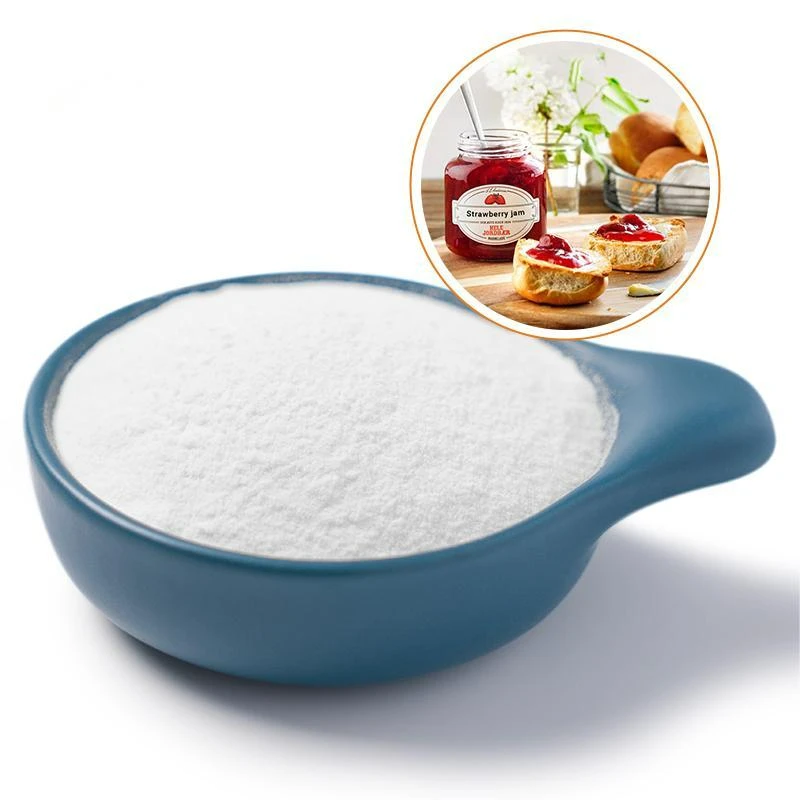
HPMC’s non-toxic, non-irritating nature opens doors for food and pharmaceutical uses. It’s also hypoallergenic, making it ideal for sensitive formulations such as eye drops and dietary supplements.
Mini Takeaway:
- Its durable, safe properties enable a wide scope of uses.
- Consistency across scale means fewer surprises in manufacturing.
- Though slightly more costly, it delivers measurable cost savings indirectly.
Where Hydroxypropyl Methylcellulose Use Shines Globally
Industrially, you’ll see HPMC show up everywhere. In Asia's booming pharmaceutical sector, it’s heavily employed to help formulate controlled release drugs, optimizing dosages and improving patient outcomes. Meanwhile, European green building codes often specify HPMC in plasters and mortars for its environmental benefits and enhanced adhesion.
Humanitarian organizations also have found clever uses: for example, in making nutrient-enriched, easy-to-digest food packets distributed in famine zones. The thickening and stabilizing properties keep formulations uniform, even under rough shipping conditions.
Oddly enough, it’s also gaining ground in cosmetics, notably in natural skincare lines, where it acts as a stabilizer and film former without synthetic additives.
Mini Takeaway:
- Across sectors — from pharma to construction to humanitarian aid — HPMC is a versatile player.
- Its geographical reach spans developed and developing markets alike.
Practical Product Specification Table
| Specification | Typical Range | Unit/Notes |
|---|---|---|
| Molecular Weight | 10,000 - 200,000 | Daltons |
| Methoxy Percentage | 19-30% | Weight % |
| Hydroxypropyl Percentage | 4-12% | Weight % |
| Viscosity (2% solution) | 100 - 4000 | mPa·s @ 20°C |
| pH (2% solution) | 5.0 - 8.0 | Neutral to mildly alkaline |
Comparing Leading Vendors of Hydroxypropyl Methylcellulose
| Vendor | Product Range | Price Tier | Sustainability Certification | Typical Customers |
|---|---|---|---|---|
| Methocel (Dow) | Wide: pharma to construction | Mid to High | ISO 14001 certified | Pharma, Food, Construction |
| Colorcon | Focus on pharma excipients | High | ISO and GMP | Pharmaceuticals |
| Shandong Dongyue Group | Broad industrial grades | Low to Mid | Sustainability initiatives | Construction, Food, Pharma |
Note: Sustainability initiatives refer to ongoing efforts to lower environmental impact; certifications vary.
Advantages & Long-Term Value of Hydroxypropyl Methylcellulose Use
Cost savings aside, I find the deeper value here is in how HPMC can transform product trustworthiness. Imagine a plaster that doesn’t crack when the temperature swings wildly — that’s resilience in everyday life. Or a tablet coating that delays release just enough to maximize therapeutic effect. These practical benefits have real social impact, like improving patient adherence to medication or ensuring buildings last through harsh weather phases, protecting families.
Plus, there's the sustainability angle: cellulose-based and biodegradable, HPMC offers a greener alternative to synthetic polymers, which frankly aligns nicely with the World Bank’s goal of fostering low-carbon economies (World Bank Climate Change).
Looking Ahead: Future Trends & Innovations
The future feels quite promising. I’ve noticed R&D pushing into modified cellulose combinations blended with nanotechnology for smarter drug delivery. Oddly enough, the push towards digital manufacturing means formulas can be fine-tuned faster, improving consistency and launching new grades tailored for niche uses.
Sustainability is shifting from buzzword to necessity — expect more vendors to pursue full lifecycle transparency and greener production methods. Plus, as automation in the construction sector grows, HPMC blends may adapt to 3D-printed materials, opening entirely new architectural possibilities.
Challenges & Some Smart Solutions
That said, challenges remain. HPMC’s solubility varies with chemistry and environment, which sometimes complicates formulation processes. Plus, moisture sensitivity, while advantageous in some ways, can be a headache for storage.
Innovators are addressing this through co-polymer blending and advanced packaging that controls humidity — plus, strict quality control screens help keep batch variability low.
FAQ: Frequently Asked Questions About Hydroxypropyl Methylcellulose Use
- Q: Can HPMC be used in gluten-free food products?
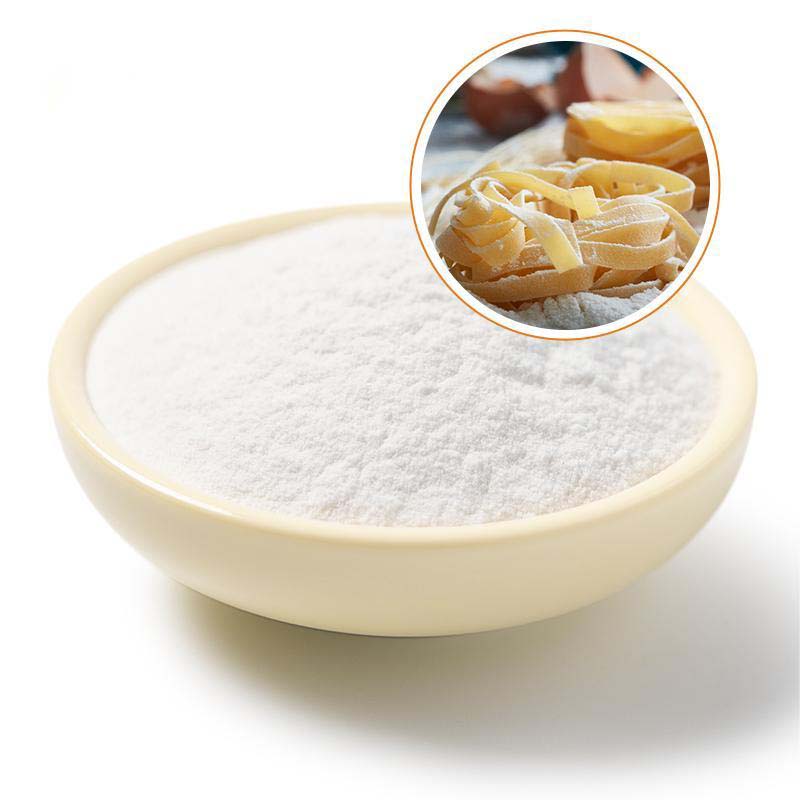
- A: Absolutely. HPMC acts as an excellent gluten substitute, improving texture and moisture retention in gluten-free baked goods. Because it’s plant-derived and hypoallergenic, it fits well in such specialty diets.
- Q: How does HPMC improve controlled drug release?
- HPMC forms a gel barrier around tablets, controlling how fast the active ingredients dissolve in the digestive tract. This smooths out drug absorption, reducing side effects and improving efficacy.
- Q: Is HPMC an eco-friendly option for construction additives?
- Yes, since it is biodegradable and derived from cellulose, HPMC offers a sustainable alternative to synthetic polymers in plasters and adhesives, supporting green building goals without sacrificing performance.
- Q: How do manufacturers ensure consistent HPMC quality?
- Reputable vendors comply with ISO standards and apply rigorous in-house testing, including viscosity and purity assays, to maintain stable product quality across batches.
- Q: Are there any storage considerations for HPMC?
- HPMC should be stored in a cool, dry environment to prevent moisture absorption, which can affect performance. Proper packaging and inventory rotation are key practices.
Wrapping It Up: Why Hydroxypropyl Methylcellulose Will Keep Making a Difference
From concrete walls to capsule shells, hydroxypropyl methylcellulose use demonstrates that sometimes, it’s the less flashy materials that quietly hold entire industries together. Its versatility, environmental benefits, and trusted performance make it a pillar ingredient in many sectors.
If this piques your curiosity or you’re looking to innovate with HPMC technologies, don’t hesitate — visit our website for the latest insights and products tailored to your needs. After all, understanding these practical materials today means building smarter tomorrow.
Quick Summary:
- Hydroxypropyl methylcellulose use spans pharma, construction, food, and humanitarian applications worldwide.
- It combines safety, sustainability, and scalability, making it key for modern industries.
- Future trends promise smarter materials and greener production.
References
-
What Is VAE Powder? Complete Guide to Redispersible Polymer Powder (RDP) for ConstructionNewsApr.21,2026
-
HPMC Manufacturers in ChinaNewsApr.21,2026
-
What Is Redispersible Polymer Powder (RDP)? Complete Guide to VAE RDP for Mortar ApplicationsNewsApr.21,2026
-
Top Guide to Selecting Professional vae emulsion manufacturersNewsApr.16,2026
-
Viscosity of HPMCNewsApr.15,2026
-
HPMC Powder UsesNewsApr.15,2026