Essential Guide to Hydroxypropyl Methylcellulose Uses | Global Applications & Benefits
Understanding Hydroxypropyl Methylcellulose Uses: Why It Matters Globally
If you’ve ever wondered about the stuff behind many everyday products—from the smooth texture of gluten-free bread to the dependable finish on a freshly painted wall—then hydroxypropyl methylcellulose (HPMC) is a name you’ll want to keep handy. This versatile compound plays a surprisingly critical role in industries all over the world, impacting sectors from pharmaceuticals to construction, and even humanitarian aid. Knowing its uses isn’t just about chemistry; it’s about how the world tackles challenges like sustainable construction, food preservation, or medical manufacturing.
Globally, the demand for sustainable, efficient, and safe materials is skyrocketing. According to ISO standards and market data, hydroxypropyl methylcellulose remains a cornerstone in producing products that meet these needs. With its ability to act as a thickener, stabilizer, film-former, and more, understanding HPMC’s uses unlocks countless solutions to modern industrial challenges.
The Global Context: Why Hydroxypropyl Methylcellulose Uses Are On the Rise
The global market for cellulose derivatives, including hydroxypropyl methylcellulose, is projected to grow steadily. This growth is driven by expanding pharmaceutical production, rising construction activities in developing regions, and the increasing demand for gluten-free and vegetarian food products. Trade data from the World Trade Organization illustrates how HPMC-importing countries span continents, reflecting a complex supply chain dependent on reliable sources.
Yet, the challenges faced—like material sourcing, environmental concerns, and cost pressures—make the clever use of hydroxypropyl methylcellulose more critical than ever. A closer look reveals that this compound could be considered a sort of unsung hero in tackling issues like water retention in concrete or improving drug delivery in life-saving medications.
What Exactly Is Hydroxypropyl Methylcellulose and Its Uses?
Hydroxypropyl methylcellulose basically acts like a super adaptable sponge and film. In simple terms, it’s a chemically modified cellulose that dissolves in water to create viscous solutions or gels, which is why food manufacturers and pharmaceutical companies love it. Because it’s non-toxic, non-ionic, and compatible with various ingredients, it’s found in everything from tablet binders to paint thickeners.
Its uses span diverse applications:
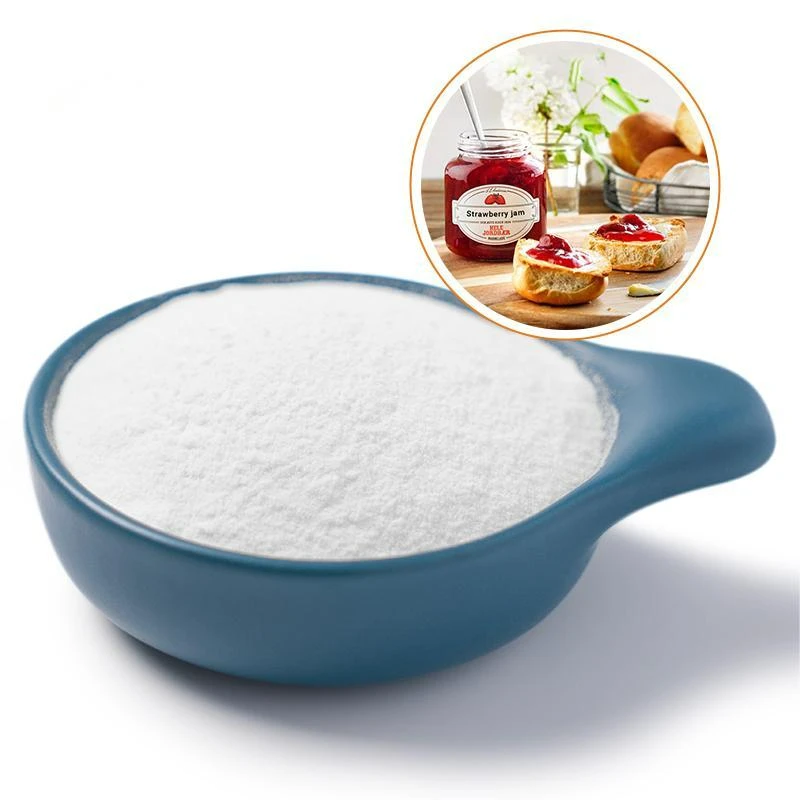
- As a thickening and stabilizing agent in foods and cosmetics.
- Helping retain moisture in construction mixtures and plaster.
- Acting as a controlled-release matrix in tablets and capsules.
- Forming protective films or coatings in packaging.
When you pause to think about it, this simple compound is wrapped up in many facets where durability and safety are paramount—hence its continued global relevance.
Key Aspects Behind Hydroxypropyl Methylcellulose Uses
1. Water Retention and Moisture Control
One of the biggest reasons HPMC is beloved in construction is its water-retention capability. Imagine needing a mortar or plaster mix that doesn't dry out too fast or crack. HPMC absorbs and holds onto water, enabling those materials to cure evenly. For food or cosmetics, this property translates to creamy textures and long shelf life.
2. Film-Forming Properties
Creating thin, flexible, and breathable films is essential in packaging and pharmaceutical coatings. HPMC’s ability to form films that act as barriers to oxygen and moisture makes food fresher longer and pills easier to swallow. Oddly enough, this feature also makes it popular in biodegradable packaging moves.
3. Chemical Stability & Compatibility
Hydroxypropyl methylcellulose is stable across a wide pH range and doesn’t react adversely with most chemical compounds. So, manufacturers appreciate how it won’t spoil a formulation or degrade under typical storage conditions—a big win for product consistency.
4. Ease of Use & Scalability
HPMC powders dissolve readily in water at different temperatures, allowing flexible processing setups and easy scaling from lab to production line. This factor is vital whether you're developing a new drug or trialing a novel paint formula.
5. Safety and Non-Toxicity
Since it’s non-toxic, HPMC’s usage in oral and topical products is widespread. It’s approved by regulatory bodies worldwide, which hikes its demand among pharmaceutical and food sectors chasing clean-label products.
Mini Takeaway:
The magic of hydroxypropyl methylcellulose lies in its multi-functional nature — from holding water in building materials to improving the quality of medicines. It’s this breadth that makes it invaluable worldwide.
Global Applications: Real-World Impact of Hydroxypropyl Methylcellulose Uses
Around the globe, industries have embraced HPMC for very practical reasons:
- Construction in Asia-Pacific: Rapid urbanization has led to demand for mortars and plasters that perform in hot, dry climates. HPMC helps reduce cracking and increase durability.
- Pharmaceutical Manufacturing in Europe: With Europe's aging population needing reliable medications, HPMC has become a go-to excipient.
- Food Production in North America: Gluten-free and low-fat food manufacturers rely on HPMC for texture and moisture retention.
- Disaster Relief Efforts Worldwide: Temporary shelters and emergency textiles use HPMC for binding and coating, supporting fast deployment needs.
I recently read about humanitarian NGOs using HPMC-infused materials to improve resistance and comfort in emergency shelters — a subtle but impactful example of how this compound reaches beyond commercial profit.
Specifications of a Typical Hydroxypropyl Methylcellulose Product
| Property | Value/Range | Units |
|---|---|---|
| Methoxy content | 19-24 | % (weight) |
| Hydroxypropyl content | 4-12 | % (weight) |
| Viscosity (2% solution at 20°C) | 50 - 4000 | mPa·s (cP) |
| pH (2% solution) | 5 - 8 | - |
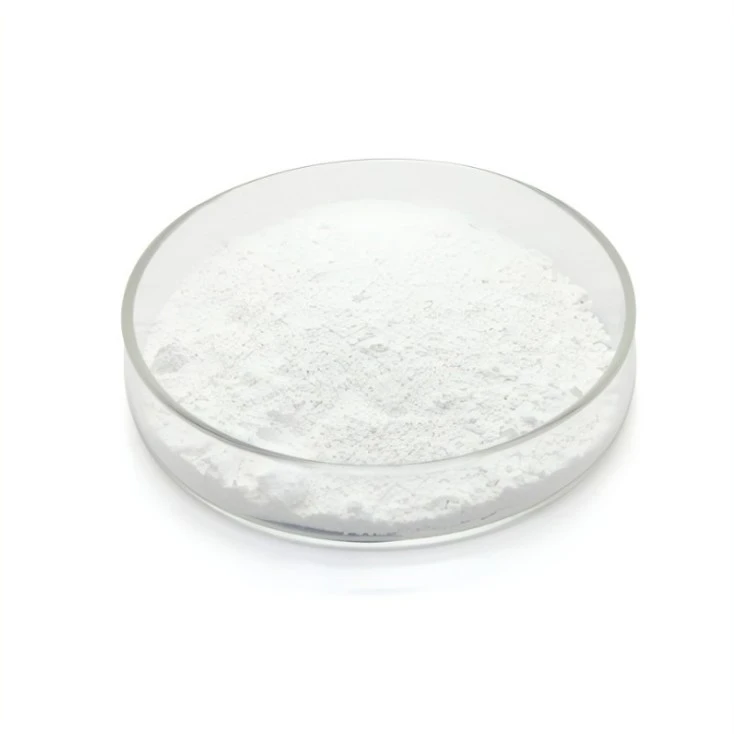
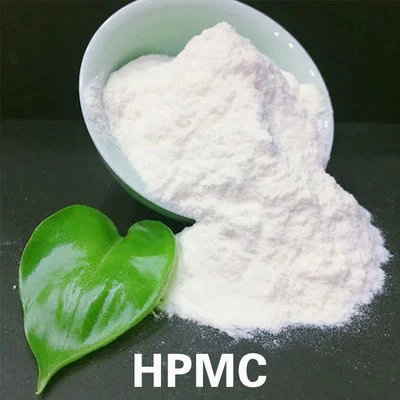
| Appearance | White to off-white powder | - |
Advantages and the Long-Term Value of Hydroxypropyl Methylcellulose Uses
Frankly, part of HPMC’s charm is that it contributes to more than just the bottom line. For instance:
- Cost Efficiency: It replaces more expensive or less stable ingredients without sacrificing quality.
- Sustainability: Being cellulose-based, it’s derived from renewable sources like wood pulp.
- Social Impact: By improving drug formulation, it can enhance patient adherence, literally saving lives.
- Reliability: Its consistent performance reduces product failure rates.
It’s comforting to know that something so humble underpins innovation and quality worldwide. You could say it’s the quiet backbone behind many trusted brands.
Emerging Trends and Innovations in Hydroxypropyl Methylcellulose
The future promises even greener and smarter applications for HPMC. Researchers are exploring:
- Bio-based composites: Mixing HPMC with natural fibers for eco-friendly construction panels.
- Nanotechnology: Nanoscale HPMC films to improve packaging barrier properties even further.
- Digital fabrication: 3D printing formulations incorporating HPMC for medical devices or food.
- Smart release pharmaceuticals: HPMC graded for targeted drug delivery activated by body pH or temperature.
These innovations hint at a greener, more efficient, and health-conscious future where the phrase “hydroxypropyl methylcellulose uses” will continue to crop up in exciting ways.
Challenges and Their Creative Solutions
Of course, no solution is perfect. Challenges include:
- Cost Fluctuations: Prices can vary due to raw material availability.
- Batch-to-Batch Variability: Natural source-based materials sometimes fluctuate in quality.
- Environmental Concerns: Despite being renewable, processing involves chemicals that require careful handling.
Experts advise close supplier partnerships and robust quality control to mitigate these. Green chemistry advances also offer cleaner production routes that minimize harmful solvents—a bright spot in the ongoing sustainability journey.
Vendor Comparison: Top Hydroxypropyl Methylcellulose Suppliers
| Vendor | Product Grade Range | Global Reach | Sustainability Initiatives |
|---|---|---|---|
| EastCell Corp | Low to high viscosity (50-4000 mPa·s) | Asia, Europe, N.America | Green manufacturing certifications |
| GreenCell Materials | Medium viscosity (200-2500 mPa·s) | Europe, N.America | Renewable sourcing, emissions reductions |
| CelluPro Solutions | Full viscosity range with pharma focus | Global | ISO 14001 certified, clean processing |
FAQs About Hydroxypropyl Methylcellulose Uses
Q1: What industries rely most heavily on hydroxypropyl methylcellulose?
A: Pharmaceuticals, construction, food production, and cosmetics are the primary industries benefiting from HPMC. Its multifunctionality is why it appears across these diverse sectors, from tablet binders to paint additives.
Q2: Can hydroxypropyl methylcellulose improve gluten-free foods?
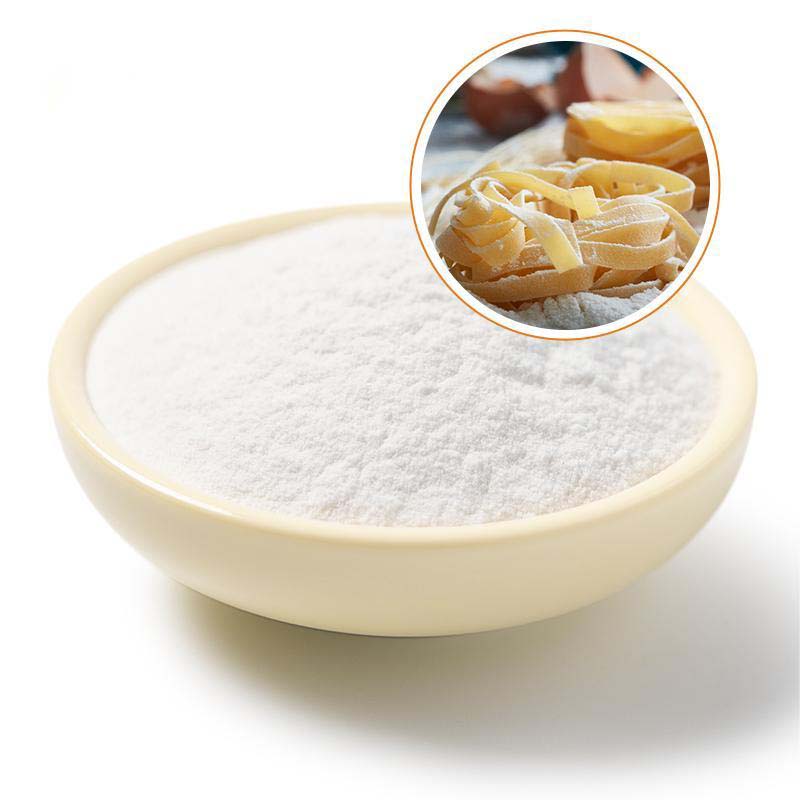
A: Yes! HPMC acts as a thickener and stabilizer, improving texture and moisture retention in gluten-free baked goods, which often lack the natural elasticity of gluten.
Q3: Is hydroxypropyl methylcellulose safe for sensitive applications like baby food or medications?
A: Absolutely. It is non-toxic and widely approved by regulatory agencies worldwide, making it suitable for sensitive uses in baby food, oral tablets, and ophthalmic products.
Q4: How does hydroxypropyl methylcellulose contribute to sustainable construction?
A: By improving water retention and workability of cementitious mixes, HPMC reduces cracking and increases durability, which in turn extends the life of structures and lowers repair frequency—contributing to sustainability.
Conclusion: Why Hydroxypropyl Methylcellulose Uses Will Continue to Grow
Through its remarkable versatility, non-toxic profile, and performance benefits, hydroxypropyl methylcellulose has cemented itself as a vital ingredient in industry and innovation. It’s the kind of material that quietly boosts quality and efficiency behind the scenes but whose absence would be noticeably felt everywhere — from pharmaceuticals to construction sites, food factories to emergency shelters.
Curious to discover how hydroxypropyl methylcellulose can elevate your industry applications? Visit our website at https://www.pezetech.com for expert insights, product options, and the latest innovations.
References
-
What Is VAE Powder? Complete Guide to Redispersible Polymer Powder (RDP) for ConstructionNewsApr.21,2026
-
HPMC Manufacturers in ChinaNewsApr.21,2026
-
What Is Redispersible Polymer Powder (RDP)? Complete Guide to VAE RDP for Mortar ApplicationsNewsApr.21,2026
-
Top Guide to Selecting Professional vae emulsion manufacturersNewsApr.16,2026
-
Viscosity of HPMCNewsApr.15,2026
-
HPMC Powder UsesNewsApr.15,2026