Comprehensive Guide to Hydroxypropyl Methylcellulose in Food | Benefits & Uses
What Is Hydroxypropyl Methylcellulose in Food and Why Should You Care?
If you’re wondering about hydroxypropyl methylcellulose in food, you’re not alone. It sounds technical, maybe a little intimidating, but it’s actually one of those behind-the-scenes ingredients that makes modern food products safer, better textured, and longer lasting. Globally, this compound helps solve key challenges in food production and preservation—especially important as the world wrestles with feeding a growing population and reducing waste.
Understanding hydroxypropyl methylcellulose (often abbreviated HPMC) means appreciating how food science enhances both convenience and nutrition, from everyday bakery items to specialized meal formulations for humanitarian aid. So let’s unpack why this ingredient matters on a global scale and what benefits it brings.
Global Context: Why Hydroxypropyl Methylcellulose in Food Has Becoming Increasingly Important
The world population is projected to hit nearly 8.5 billion by 2030, according to UN reports. Feeding all these mouths safely and sustainably is becoming more challenging, especially when food spoilage, texture, and consumer preferences are involved. Hydroxypropyl methylcellulose in food is part of the solution here—it improves food stability, thickens or gels, and even replaces fats in some cases.
In some developing regions, better food additives can extend shelf life without refrigeration, reducing waste and improving nutrition security. Meanwhile, industries in more developed countries leverage it to maintain quality during complex manufacturing processes. According to ISO standards related to food additives, such substances meet strict safety and quality demands; HPMC ticks those boxes, too.
But the challenge remains: how to balance food quality with cost and health concerns? That’s where understanding functional additives like HPMC becomes critical to both producers and consumers.
Defining Hydroxypropyl Methylcellulose in Food: What Is It Exactly?
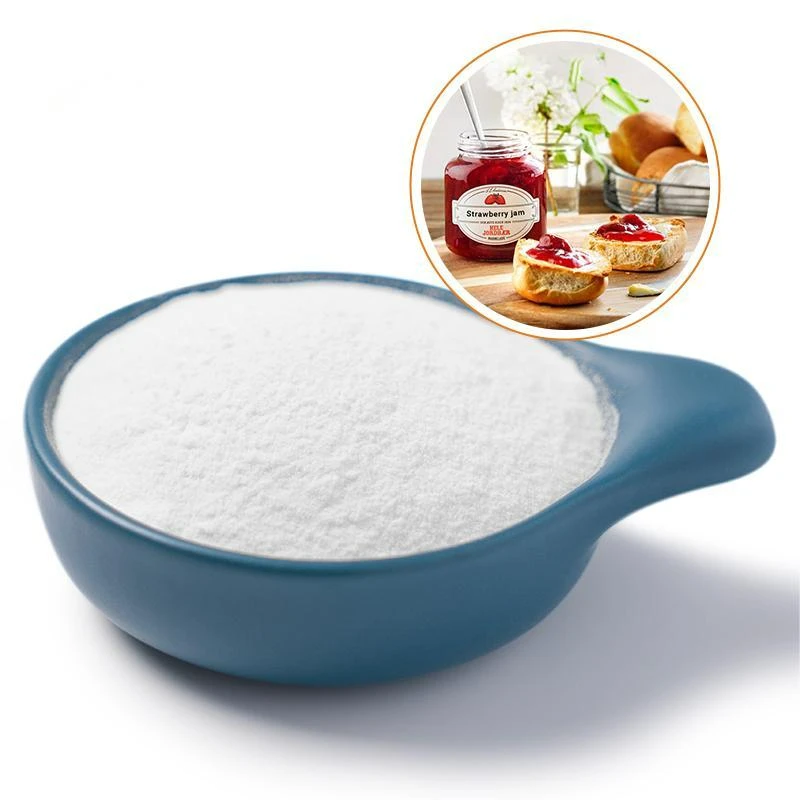
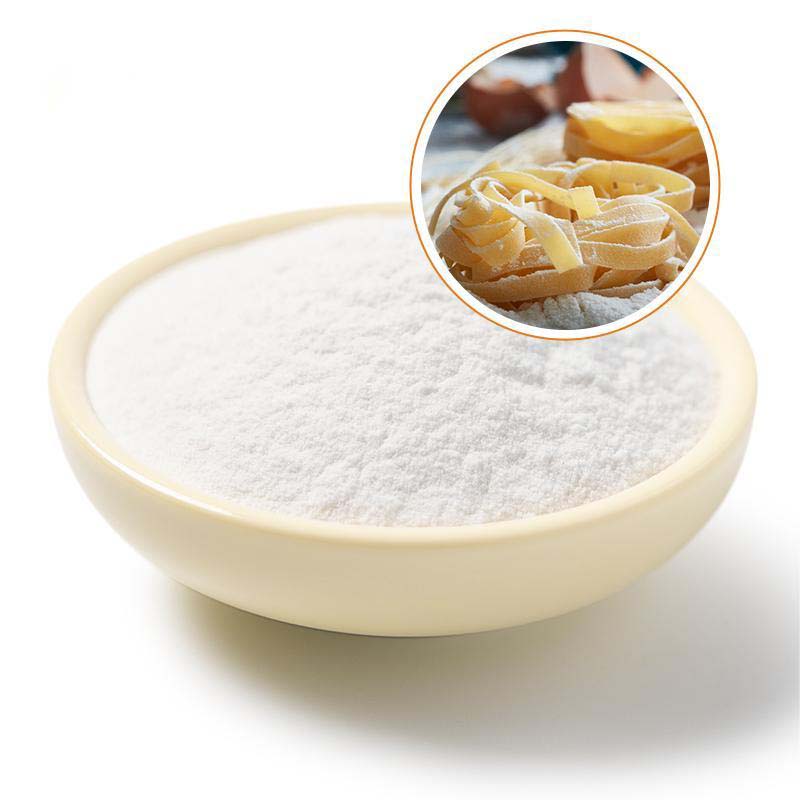
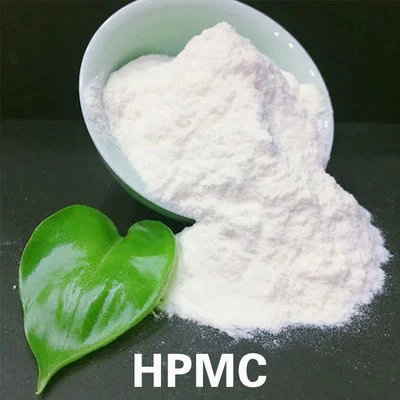
Simply put, hydroxypropyl methylcellulose is a chemically modified derivative of cellulose, the fibrous structural material from plants. In food, HPMC acts as a thickener, emulsifier, stabilizer, and film-former. It’s tasteless and odorless, which makes it a flexible, “invisible” helper in baking, sauces, dairy products, and even vegan-friendly food items.
Besides just improving texture, HPMC can help reduce fat and sugar content by mimicking their mouthfeel. This connection between a naturally derived cellulose compound and modern food engineering is fascinating—it’s a nod to how old materials get new life in high-tech industry and humanitarian aid, where shelf-stable, nutritious foods make all the difference.
Core Components That Make Hydroxypropyl Methylcellulose a Food Game-Changer
1. Versatility in Application
HPMC isn’t picky. It works across baked goods, dressings, liquids, and even meat alternatives. That kind of versatility streamlines product development and simplifies ingredient lists.
2. Stability & Shelf Life
It improves moisture retention and texture retention under varied temperatures, which helps reduce spoilage—key when food needs to travel far or be stored for months.
3. Safety & Regulatory Approval
Regulators — including the FDA and EFSA — recognize HPMC as safe, which clears a big hurdle for product developers and consumers alike.
4. Cost Efficiency
Compared to synthetic alternatives, HPMC provides performance at a reasonable cost, which makes it attractive for large-scale production.
5. Clean Label Appeal
With growing consumer shifts toward natural or plant-based ingredients, HPMC fits nicely, since it’s cellulose-based and derived from plant fibers.
Mini takeaway: Hydroxypropyl methylcellulose balances practical food science needs with industry and consumer demands smoothly — a rare feat.
Global Applications & Real-World Use Cases of Hydroxypropyl Methylcellulose
From European bakeries to food relief operations in Africa, the applications of HPMC are surprisingly broad. In baked goods, it improves crumb texture and moisture retention; in sauces and dressings, it prevents separation; and in vegan cheese and meat alternatives, it helps mimic the texture of animal products.
In disaster relief scenarios, like those managed by the World Food Programme, shelf-stable and easy-to-prepare foods often contain hydroxypropyl methylcellulose to maintain texture and quality during shipment and storage—sometimes in extreme climates.
Regions with limited refrigeration infrastructure particularly benefit from these properties. Oddly enough, even the space food industry has experimented with cellulose derivatives for their textural benefits—proof that this ingredient really has range.
Advantages & Long-Term Benefits
- Reduced Waste: Longer shelf life means fewer discarded products, a win for both economics and the environment.
- Improved Nutrition: Fat replacements enable lower-calorie foods without compromising taste, supporting healthier diets.
- Consumer Trust & Safety: Regulated and tested, HPMC reassures consumers wary of unknown additives.
- Innovation Catalyst: Enables new product developments—think plant-based cheese or gluten-free breads with better texture.
- Social Impact: Facilitates food distribution in emergencies, supporting dignity and wellbeing for vulnerable populations.
Honestly, the blend of pragmatic and even emotional benefits here shows food science is about more than just flavors or numbers—it’s about real impacts on human lives worldwide.
Future Trends & Innovations in Food Using Hydroxypropyl Methylcellulose
Looking ahead, three trends suggest exciting directions:
- Sustainability Focus: Companies are developing HPMC from certified renewable sources alongside biodegradable packaging innovations.
- Personalized Nutrition: With digital transformation, HPMC could help craft textures and stability tailored to individual dietary needs.
- Automation & Smart Manufacturing: Precise dosing and formulation improvements could make production more efficient and consistent.
It’s not just about having the ingredient but integrating it into smarter, greener food systems that respect both people and planet.
Challenges & Solutions When Working with Hydroxypropyl Methylcellulose
While HPMC is versatile, it’s not without quirks:
- Mixing Sensitivity: Requires careful control of temperature and pH levels for optimal thickening.
- Cost Compared to Some Alternatives: Though generally efficient, cost can be a sticking point for small-scale producers.
- Perception: Some consumers still view “cellulose derivatives” skeptically despite safety records.
To address these, producers focus on:
- Optimizing formulations through trial and data analysis.
- Educating consumers transparently with informative resources and clean labeling.
- Developing new derivatives or blends to reduce costs while enhancing performance.
In a way, these challenges keep the field dynamic and innovative.
Product Specifications: Typical Hydroxypropyl Methylcellulose Grades for Food Use
| Property | Grade A | Grade B | Grade C |
|---|---|---|---|
| Viscosity (mPa·s) | 50–100 | 100–200 | 200–300 |
| Methoxy Content (%) | 19–24 | 19–24 | 19–24 |
| Hydroxypropyl Content (%) | 4–12 | 4–12 | 4–12 |
| Solubility | Cold & Hot Water | Cold & Hot Water | Cold & Hot Water |
| E Number (EU) | E464 | E464 | E464 |
Vendor Comparison: Leading Hydroxypropyl Methylcellulose Suppliers for Food Industry
| Supplier | Grades Offered | Global Reach | Price (per kg) | Sustainability Initiatives |
|---|---|---|---|---|
| CelluFood Inc. | A, B, C | North America, Europe, Asia | $9.50 | Plant-based sourcing, Carbon-neutral plant |
| NatCell Solutions | A, B | Europe, Africa | $8.90 | Waste reduction programs, Circular economy |
| BioPolymers Ltd. | B, C | Asia, Australia | $10.10 | Renewable raw materials, Eco-friendly packaging |
Frequently Asked Questions About Hydroxypropyl Methylcellulose in Food
Q1: Is hydroxypropyl methylcellulose safe to consume regularly?
A1: Yes, hydroxypropyl methylcellulose is considered safe by major health authorities, including the FDA and the European Food Safety Authority (EFSA). It’s non-toxic, non-allergenic, and classified as a food additive (E464). Regular consumption in typical food quantities poses no known health risks.
Q2: Can hydroxypropyl methylcellulose help in making vegan or gluten-free products taste better?
A2: Definitely. Because of its excellent thickening and stabilizing properties, HPMC improves texture and moisture retention in vegan and gluten-free foods. This helps mimic the mouthfeel of traditional ingredients like gluten or fats, enhancing taste and overall consumer satisfaction.
Q3: How does HPMC contribute to reducing food waste?
A3: By enhancing moisture control and stability, HPMC extends the shelf life of many products, preventing premature spoilage. This reduces the quantity of food that needs to be discarded due to texture or quality loss, supporting sustainability goals.
Q4: Can small food producers easily access hydroxypropyl methylcellulose?
A4: While larger suppliers dominate the market, many distributors and specialty ingredient suppliers stock HPMC suitable for small to medium producers. Prices are becoming more competitive, especially with growing demand for clean label ingredients.
Wrapping It Up: Why Hydroxypropyl Methylcellulose Is a Food Industry Staple
The long-term value of hydroxypropyl methylcellulose in food is clear: it blends science with everyday practicality and sustainability in a way few ingredients do. From improving textures to enabling innovative products and supporting global nutrition challenges, HPMC quietly powers a better food future.
If you want to learn more about how to harness hydroxypropyl methylcellulose in food for your production, visit our website and discover how this versatile additive can uplift your products and processes.
References
-
What Is VAE Powder? Complete Guide to Redispersible Polymer Powder (RDP) for ConstructionNewsApr.21,2026
-
HPMC Manufacturers in ChinaNewsApr.21,2026
-
What Is Redispersible Polymer Powder (RDP)? Complete Guide to VAE RDP for Mortar ApplicationsNewsApr.21,2026
-
Top Guide to Selecting Professional vae emulsion manufacturersNewsApr.16,2026
-
Viscosity of HPMCNewsApr.15,2026
-
HPMC Powder UsesNewsApr.15,2026