Hydroxypropyl Methylcellulose in Tablets: Enhancing Drug Formulation and Stability
A Closer Look at Hydroxypropyl Methylcellulose in Tablets: What It Means for the Industry
If you've ever opened a medicine bottle and popped a tablet, chances are it contained hydroxypropyl methylcellulose (HPMC) as an important ingredient. But beyond the pharmacy shelf, this compound plays a crucial role globally—not just in making tablets easier to swallow or more stable, but also in ensuring pharmaceutical products meet strict regulatory standards and patient needs. Understanding hydroxypropyl methylcellulose in tablets sheds light on a small yet mighty player in healthcare innovation, one that affects everything from drug delivery reliability to global access.
Why does it matter so much? Because ensuring safe, effective, and consistent medications worldwide hinges on materials that can maintain shape, control release rates, and ensure bioavailability. HPMC’s utility in tablets represents a tiny window into the complex, fascinating world of pharmaceutical formulation that continues to evolve.
Global Context: Why Hydroxypropyl Methylcellulose Matters Now
Globally, pharmaceutical consumption is skyrocketing—the World Bank notes that global drug spending surpassed US$1.3 trillion in recent years, with a growing emphasis on accessible, affordable medicines. Regulators like the ISO and FDA are tightening standards for drug formulation stability and patient safety. This pressure highlights the critical role excipients—non-active ingredients like HPMC—play.
One challenge the industry faces is how to improve tablet performance without relying on potentially allergenic or unstable binders or coatings. HPMC emerges as a versatile answer: it's non-toxic, compatible with many drugs, and offers environmentally friendly production compared to synthetic polymers. In humanitarian settings too, tablets must survive transport and harsh climates—so materials like HPMC increase shelf life and usability in less-than-ideal conditions.
Mini takeaway: In a world where access to life-saving meds is paramount, hydroxypropyl methylcellulose quietly supports global health by making tablets more reliable and safe.
What Exactly Is Hydroxypropyl Methylcellulose in Tablets?
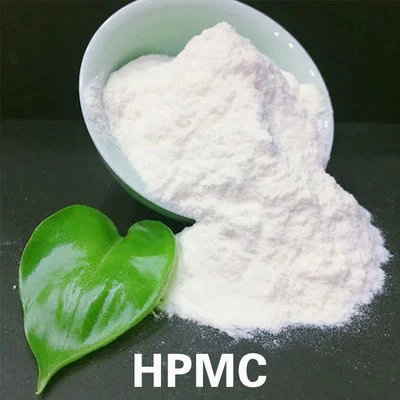
At its core, hydroxypropyl methylcellulose is a cellulose derivative—a plant-based polymer chemically modified to have enhanced water solubility and film-forming properties. In tablet manufacturing, it acts mainly as a binder, film former, or sustained-release matrix.
Put simply, HPMC helps tablets stick together, control how fast the drug dissolves, and survive the rigors of manufacturing and shipping. It’s vegan-friendly, gluten-free, and non-reactive—so it fits well with modern pharmaceutical demands for clean-label excipients.
Oddly enough, the same compound is also used in food glazing, eye drops, and even construction materials—as if it has a secret life beyond medicines.
Breaking Down the Key Factors of Hydroxypropyl Methylcellulose in Tablets
1. Binding Strength and Tablet Integrity
HPMC's prime function is binding powder particles into a compact tablet that won’t crumble prematurely. Its molecular structure allows it to hold together various ingredients without needing excessive pressure, making it suitable for both soft and hard tablets.
2. Controlled Drug Release
Thanks to its ability to form gels upon hydration, HPMC is frequently used in sustained-release or extended-release tablet formulations. This is a boon for medications that require steady blood concentrations over hours rather than rapid spikes.
3. Stability Under Different Conditions
Tablets face changes in temperature, humidity, and handling stresses. HPMC helps shield active drug molecules from moisture and oxidation better than many traditional binders. This boosts shelf-life and lowers spoilage rates.
4. Non-Toxicity and Regulatory Acceptance
Unlike some synthetic binders or coatings, hydroxypropyl methylcellulose has long been approved by regulatory bodies worldwide, including the FDA and EMA, offering manufacturers a quiet confidence in product safety.
5. Ease of Processing and Scalability
It dissolves readily in both cold and hot water, which makes mixing and granulation faster on an industrial scale. Plus, it works effectively across tablet presses and coating machines without demanding extensive process tweaks.
Mini takeaway: Whether it's forming a strong tablet, pacing drug release, or scaling production, HPMC tends to tick all the boxes for pharmaceutical developers.
Real-World Uses and Benefits Across Industries and Regions
Sometimes I think about distant clinics in sub-Saharan Africa or emergency response teams delivering meds in tropical storms—it's in these tough settings where HPMC's value truly shines. Tablets made with hydroxypropyl methylcellulose maintain integrity despite heat and humidity, helping deliver crucial antibiotics and anti-malarial drugs effectively.
In advanced pharmaceutical manufacturing hubs like Europe, the US, and Japan, HPMC also supports design innovations: from multi-layered tablets to novel capsules that resist stomach acid but dissolve later on.
Even diet supplements and nutraceuticals rely on HPMC for vegetarian capsules and slow-release powders, expanding beyond prescription drugs.
Product Specification Table
| Specification | Typical Value | Unit |
|---|---|---|
| Viscosity (2% solution) | 25,000–30,000 | mPa·s |
| Moisture Content | ≤5 | % |
| pH (1% aqueous solution) | 5.0–8.0 | - |
| Bulk Density | 0.30–0.45 | g/cm³ |
| Particle Size (D50) | 40–70 | μm |
Comparing Leading Hydroxypropyl Methylcellulose Suppliers
| Vendor | Purity (%) | Batch Consistency | Typical MOQ | Global Reach | Price Range (USD/kg) |
|---|---|---|---|---|---|
| PQR Chemicals | ≥99.5 | High | 100 kg | North America, Europe | 15 – 22 |
| Global Excipients | ≥99.0 | Medium | 50 kg | Asia, Africa | 12 – 18 |
| CelluFab Inc. | ≥99.7 | Very High | 200 kg | Worldwide | 20 – 26 |
Advantages and Long-Term Value of Using HPMC in Tablet Formulation
Frankly, hydroxypropyl methylcellulose represents both reliability and innovation rolled into one. For manufacturers, it means fewer production headaches, more consistent batches, and reduced wastage. Environmentally, its plant-based nature scores well for sustainability concerns compared to petroleum-derived materials.
For patients and healthcare providers, it translates into tablets that can be trusted—not falling apart, dissolving properly, and maintaining potency. That's a kind of safety and dignity we sometimes take for granted but is huge in the context of global public health.
In emotional terms, it’s reassuring when you know that a tablet you took in a remote village or a big city hospital should work the same way.
Emerging Trends and Innovations Around Hydroxypropyl Methylcellulose
The pharmaceutical landscape is morphing rapidly. Newer grades of HPMC with tailored viscosity profiles are enabling ultrafast or ultradelayed drug releases to suit complex therapies like cancer or diabetes treatments. There’s ongoing research into combining HPMC with biodegradable nanomaterials for smarter delivery platforms.
Digital formulation and AI-assisted screening are now picking HPMC variants that perfectly match new drug candidates—cutting R&D cycles down dramatically. Sustainability remains a huge focus, with some manufacturers shifting to bio-based feedstocks and greener production methods.
Current Challenges – And How Industry Experts Are Tackling Them
Yet, no material is perfect. HPMC can sometimes swell excessively in highly humid climates, which requires careful formulation tweaks. Scaling up production with consistent particle size and purity can be tricky as demand surges globally.
Experts are experimenting with blending different molecular weights of HPMC or incorporating moisture scavengers within tablets. Advanced process controls monitor every batch in real-time, improving consistency.
FAQ: Frequently Asked Questions About Hydroxypropyl Methylcellulose in Tablets
- What benefits does hydroxypropyl methylcellulose provide over traditional binders in tablets?
- HPMC offers improved tablet strength, enhanced stability against moisture, and more precise control over drug release profiles compared to many traditional binders. It is non-toxic and highly versatile, allowing for clean-label formulations.
- Can hydroxypropyl methylcellulose be used in vegetarian or vegan tablets?
- Yes, it is plant-derived and free from animal products, making it ideal for vegetarian or vegan tablet formulations, which is increasingly important in today’s market.
- How does HPMC affect tablet dissolution and drug release?
- HPMC forms a gel layer when in contact with fluids, which controls the pace at which the drug is released—enabling both immediate and sustained release depending on the formulation.
- Are there any regulatory concerns when using hydroxypropyl methylcellulose?
- HPMC is widely approved by agencies like the FDA and EMA as a safe excipient. Manufacturers must still comply with pharmacopeia specifications and perform stability testing.
- Is hydroxypropyl methylcellulose expensive compared to alternatives?
- While slightly pricier than some synthetic binders, its benefits in tablet quality and patient safety often justify the cost differential in pharmaceutical production.
Wrapping It Up: Why Hydroxypropyl Methylcellulose Is Worth Watching
To sum up, hydroxypropyl methylcellulose in tablets is one of those underappreciated heroes in drug formulation that quietly boosts quality, global access, and sustainability. From tiny rural clinics to high-tech labs, it supports every dose with integrity.
If you want to explore more about how this excipient can elevate your pharmaceutical products and formulations, don’t hesitate to visit hydroxypropyl methylcellulose in tablets for insights, technical data, and trusted suppliers.
References
-
What Is VAE Powder? Complete Guide to Redispersible Polymer Powder (RDP) for ConstructionNewsApr.21,2026
-
HPMC Manufacturers in ChinaNewsApr.21,2026
-
What Is Redispersible Polymer Powder (RDP)? Complete Guide to VAE RDP for Mortar ApplicationsNewsApr.21,2026
-
Top Guide to Selecting Professional vae emulsion manufacturersNewsApr.16,2026
-
Viscosity of HPMCNewsApr.15,2026
-
HPMC Powder UsesNewsApr.15,2026