Explore the Hydroxypropyl Methylcellulose Benefits for Skin – Safe, Sustainable, Effective Care
Why Hydroxypropyl Methylcellulose Benefits for Skin Matter Worldwide
Hydroxypropyl methylcellulose (HPMC) might sound like a mouthful of chemical jargon, but honestly, it’s one of those unsung heroes in skincare and cosmetic products around the globe. With rising awareness about skin health and the constant quest for gentler, more effective ingredients, understanding the hydroxypropyl methylcellulose benefits for skin matters more than ever. This compound plays a pivotal role in making skin care formulations smoother, more stable, and genuinely effective without irritating sensitive skin types.
As of 2023, global cosmetic sales reached nearly US$450 billion, and the demand for multifunctional, non-toxic ingredients like HPMC keeps soaring (source: Wikipedia - Cosmetics industry). Plus, environmental concerns appeal strongly to consumers, pushing brands to adopt sustainable, plant-based components—which brings HPMC into the spotlight.
Setting the Stage: The Global Relevance of Hydroxypropyl Methylcellulose in Skin Care
How often do we think about what goes into lotions and creams? Globally, skin conditions like eczema, dryness, or allergy-induced irritations affect hundreds of millions. Addressing these requires ingredients that are not only effective but also gentle and hypoallergenic. Hydroxypropyl methylcellulose fits this bill neatly. According to an ISO report on cosmetic raw materials, the demand for cellulose derivatives in personal care is expected to grow annually by around 5% through 2028 — mostly driven by developing markets where climate and pollution exacerbate skin issues.
But beyond just soothing skin, manufacturers also look for ingredients that improve product texture, prolong shelf life, and reduce synthetic chemical load. HPMC, being plant-derived and biodegradable, responds well to these challenges. It also tends to be compatible with vegan and “clean beauty” certifications.
What Exactly Is Hydroxypropyl Methylcellulose and Its Benefits for Skin?
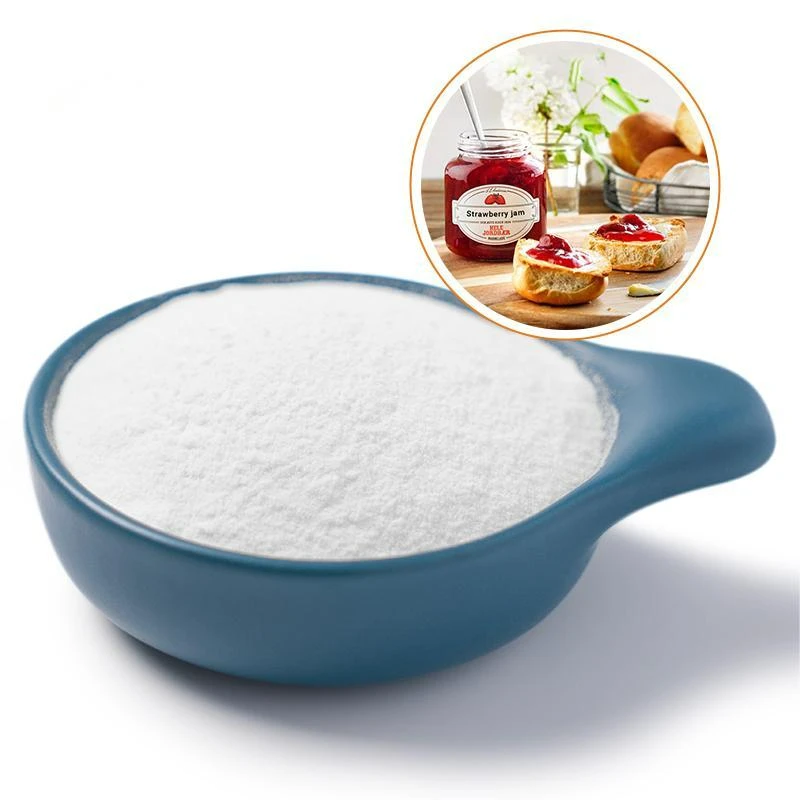
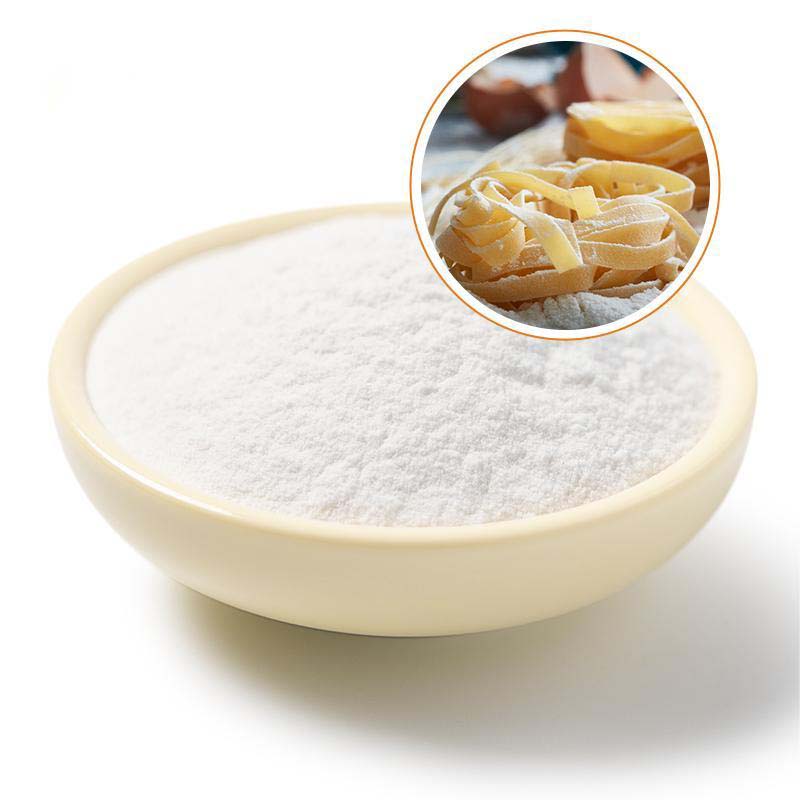
In simpler terms, hydroxypropyl methylcellulose is a modified form of cellulose—a natural fiber found in plant cell walls. It’s often added to lotions, creams, hair gels, and even some makeup to act as a thickener, emulsifier, and film former. Imagine it as the gentle backstage crew member that holds everything together while keeping the product silky and easy to apply, without fuss.
From a skin benefit perspective: HPMC helps retain moisture on the skin surface, forming a thin, breathable film. That barrier slows water evaporation while allowing skin to "breathe," which is a nice balance especially for sensitive or dry skin.
Additionally, it’s non-toxic, non-irritating, and hypoallergenic, making it a popular go-to for formulations targeting delicate or problematic skin types.
Key Attributes That Make Hydroxypropyl Methylcellulose Special
1. Moisture Retention and Skin Hydration
As a film-forming agent, HPMC locks in hydration without feeling heavy or greasy. This helps reduce the feeling of tightness for dry skin. It’s kind of like putting on a soft, invisible glove—protecting your skin from drying elements.
2. Enhancing Texture and Stability
Many cosmetics would feel runny or unstable without it. HPMC thickens and homogenizes formulations so you don’t get odd clumps or separation. It extends shelf life and gives products that visually appealing silky feel.
3. Hypoallergenic and Non-irritating
Since it’s plant-based and chemically mild, it avoids issues related to allergies or contact dermatitis. For those with sensitive skin, that’s a major upside.
4. Biodegradability and Sustainability
Being cellulose-derived means HPMC is eco-friendly, a factor many brands and consumers consider seriously nowadays.
5. Versatile Compatibility
Hydroxypropyl methylcellulose plays well with a broad range of cosmetic ingredients from oils to water-solubles, which makes product formulation easier for chemists.
Product Specification: Typical Hydroxypropyl Methylcellulose Grade for Skin Care
| Characteristic | Specification |
|---|---|
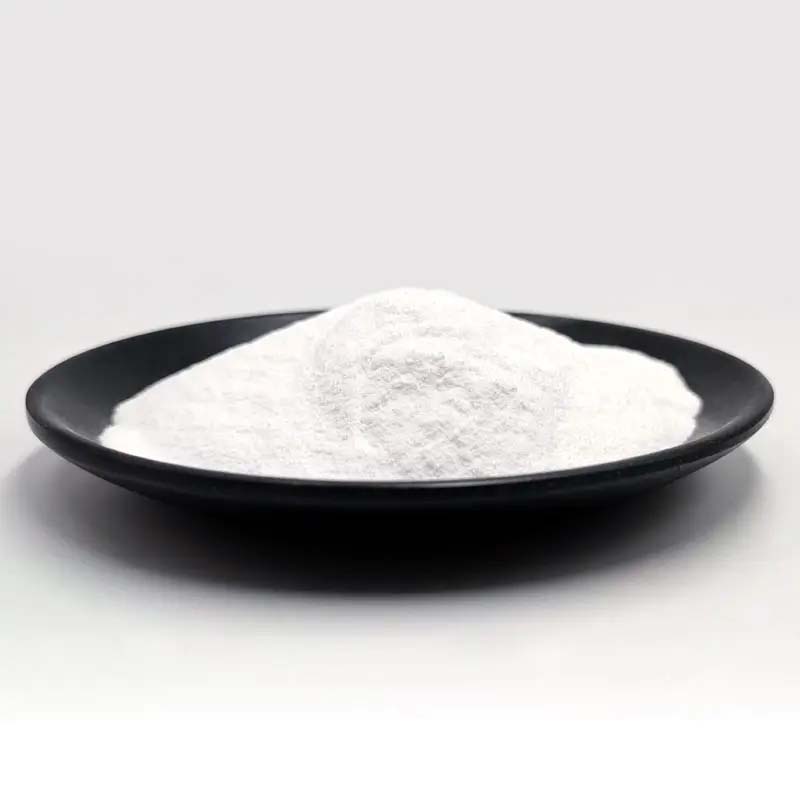
| Appearance | White or Off-white Powder |
| Viscosity in 2% aqueous solution (mPa·s) | 1000 - 2500 |
| pH (1% Solution) | 5.0 - 8.0 |
| Loss on Drying (%) | ≤ 5.0 |
| Ash Content (%) | ≤ 2.0 |
| Solubility | Water-soluble |
Global Applications & Use Cases in Skin Care
The beauty industry isn't the only one riding the wave of hydroxypropyl methylcellulose benefits for skin. Consider humanitarian skin care kits distributed in harsh climates—NGOs and aid organizations pack lightweight hydrating creams infused with HPMC especially for refugees in dry or polluted zones. This helps prevent harsh skin conditions that otherwise might lead to infections.
In Asia-Pacific, where humidity and pollution are big skincare challenges, local manufacturers utilize HPMC extensively in anti-pollution creams, masks, and serums. Meanwhile, European and North American brands adopt it to cater to sensitive skin demographics, notably the booming baby-care sector.
Vendor Comparison: Top Hydroxypropyl Methylcellulose Suppliers
| Supplier | Typical Viscosity Range (mPa·s) | Eco-certifications | Global Reach | Price Range (per kg) |
|---|---|---|---|---|
| Dow Chemical | 800 – 3000 | ISO 14001, REACH | Worldwide | $20 - $40 |
| Ashland Inc. | 1000 – 2500 | COSMOS, ECOCERT | International | $22 - $38 |
| Shandong Dongda Group | 700 – 1600 | ISO 9001 | Mainly Asia | $18 - $30 |
Advantages and the Long-Term Value of Using HPMC in Skin Care
Beyond just product looks, a shift towards using hydroxypropyl methylcellulose in skin formulations embodies larger trends in sustainability and brand responsibility. The emotion tied to safety and trust in a product, especially when chosen for children or sensitive skin, is priceless. Brands capitalizing on this ingredient elevate their image as thoughtful, transparent, and innovation-driven. You gain improved customer loyalty, fewer complaints, and better product consistency.
From a logical side, the cost efficiency of HPMC compared to synthetic polymers is notable. It stabilizes formulas with fewer preservatives, cutting costs while improving shelf stability.
Emerging Trends: Future of Hydroxypropyl Methylcellulose Benefits for Skin
Innovations keep popping up, like combining HPMC with smart delivery systems—where it may not only hydrate but release actives gradually. And with green chemistry on everyone’s mind, biotech companies are looking to produce cellulose derivatives entirely through microbe fermentation, which sounds futuristic but feels incredibly promising.
Looking further, regulatory pressure for transparency will push manufacturers to prefer ingredients with clear environmental footprints—HPMC checks many boxes here. Digital transformation in R&D is also helping tailor formulations faster according to consumer personalization trends.
Challenges & Solutions
Of course, HPMC is not perfect. Some formulations can experience changes in viscosity under extreme pH or temperature variations. There’s also the hurdle of sourcing pure-grade HPMC consistently. But advances in production technology, and the rise of hybrid cellulose derivatives, are helping overcome these challenges bit by bit.
Expert formulators often recommend blending HPMC with other supportive polymers or natural oils to optimize the product feel and resilience.
FAQ: Your Common Questions About Hydroxypropyl Methylcellulose Benefits for Skin
- Q: Is hydroxypropyl methylcellulose safe for sensitive skin?
A: Yes, it’s generally hypoallergenic and non-irritating, making it ideal for sensitive or allergy-prone skin types. It acts as a gentle film former without clogging pores. - Q: How does HPMC improve the shelf life of skin care products?
A: By stabilizing emulsions and preventing ingredient separation, HPMC keeps products from degrading prematurely. Its thickening effect also reduces the need for excessive preservatives. - Q: Can HPMC be used in vegan and organic skin care?
A: Absolutely. Since it’s derived from plant cellulose, it fits well within vegan and many organic certification standards, including ECOCERT and COSMOS. - Q: Does HPMC have moisturizing effects on its own?
A: While not a moisturizer by definition, it forms a breathable film that helps retain the skin’s natural moisture, improving hydration over time. - Q: Are there any environmental concerns with HPMC?
A: Hydroxypropyl methylcellulose is biodegradable and generally environmentally friendly, especially when sourced responsibly. This fits well in sustainable product initiatives.
Wrapping Up: Why Pay Attention to Hydroxypropyl Methylcellulose Benefits for Skin?
So, here we are—a little deeper into the world of a seemingly humble ingredient that actually plays a major role in how we care for our skin daily, worldwide. It’s safe, versatile, sustainable, and keeps evolving alongside modern skincare demands.
Curious to explore how you can leverage hydroxypropyl methylcellulose benefits for skin for your formulations or products? Visit our website for expert advice, sourcing info, and innovation insights.
References:
1. Wikipedia, Cosmetics Industry
2. ISO Report on Cosmetic Raw Materials
3. ScienceDirect, HPMC Overview
-
What Is VAE Powder? Complete Guide to Redispersible Polymer Powder (RDP) for ConstructionNewsApr.21,2026
-
HPMC Manufacturers in ChinaNewsApr.21,2026
-
What Is Redispersible Polymer Powder (RDP)? Complete Guide to VAE RDP for Mortar ApplicationsNewsApr.21,2026
-
Top Guide to Selecting Professional vae emulsion manufacturersNewsApr.16,2026
-
Viscosity of HPMCNewsApr.15,2026
-
HPMC Powder UsesNewsApr.15,2026