Discover the Versatile Uses of Hydroxypropyl Methylcellulose in Industry and Medicine
Understanding the Uses of Hydroxypropyl Methylcellulose: Why It Matters Today
Hydroxypropyl methylcellulose (HPMC) — try saying that three times fast — might sound like a lab-coat-only term, but its applications spread far beyond the test tube. Fundamentally, this is a versatile, water-soluble polymer that has quietly revolutionized industries ranging from pharmaceuticals to construction. The uses of hydroxypropyl methylcellulose matter globally because they enable higher product reliability, improve sustainability, and oftentimes provide cost-effective alternatives in vital sectors such as food technology, healthcare, and even disaster relief initiatives.
Understanding HPMC is crucial because as the world grapples with accelerating urbanization and environmental challenges, materials that are adaptable, biodegradable, and efficient are more than a luxury — they’re a necessity. For example, HPMC's film-forming and thickening qualities lead to better drug delivery systems and eco-friendly building materials. So if you care about how chemical innovations impact real-world problems, this topic is right up your alley.
Global Context: A Material Responding to Industrial and Environmental Demands
To put the uses of hydroxypropyl methylcellulose into perspective, consider this: according to the International Cellulose Ethers Association, global demand for cellulose ethers (of which HPMC is a major type) has grown steadily by roughly 4-5% annually over the past decade. This rise correlates closely with expanding construction needs, pharmaceutical R&D, and cosmetic innovation.
Globally, construction alone accounts for more than 40% of raw material consumption. HPMC enters here as a binder, thickener, and water retention agent, making mortars more workable and durable. Meanwhile, the pharmaceutical sector depends on HPMC for controlled drug release, improving patient outcomes worldwide. The World Bank reports that in low-income regions especially, affordable, versatile materials are key to infrastructure and healthcare resilience — and here HPMC’s role grows ever more critical.
Yet, the challenges remain: the increased need for sustainable materials, reducing chemical waste, and improving the shelf life and efficacy of products. HPMC addresses several of these issues elegantly, helping industries navigate the modern balancing act between performance and environmental responsibility.
What Exactly Is Hydroxypropyl Methylcellulose?
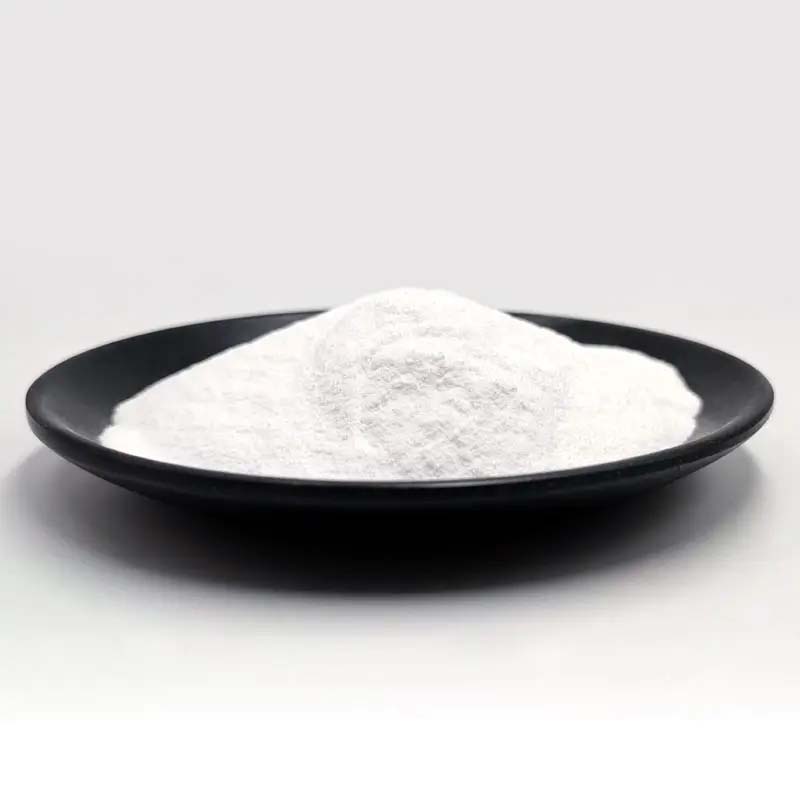
At its core, hydroxypropyl methylcellulose is a chemically modified cellulose polymer, derived from natural plant fibers. The alteration adds hydroxypropyl and methyl groups, making the molecule water-soluble and enhancing properties like viscosity control, film formation, and thermal gelation.
In simpler terms, think of HPMC as a “smart” thickener and stabilizer. Its unique chemistry allows it to dissolve in cold water but form gels when heated, which is handy in countless products. It’s non-toxic, biodegradable, and compatible with many other ingredients — a recipe for material success. Its roots in renewable plant resources connect it neatly to current pushes for greener industry standards, by replacing synthetic polymers often derived from fossil fuels.
Industrially, HPMC is found everywhere — from tablets that dissolve reliably, to energy-saving paints, to fast-setting plasters. Humanitarian needs, especially in emergency housing and controlled drug delivery in remote areas, also benefit from this polymer’s dependable, consistent behavior.
Core Components Driving the Versatility of HPMC
1. Water Retention & Binding
One of the defining features is HPMC’s ability to retain moisture. This makes it invaluable in cement and plaster mixes, preventing premature drying and cracking. It also binds ingredients firmly in food and pharmaceuticals for consistency and shelf life.
2. Thermal Gelation
Upon heating, HPMC transforms into a gel, aiding in controlled release mechanisms in medicine and temperature-responsive coatings in cosmetics.
3. Film-Forming Capability
The neat film-forming attribute means HPMC can act as protective layers on tablets or as thickeners in beauty creams — both enhancing durability and user experience.
4. Non-Toxic, Biodegradable Composition
Its environmentally friendly profile makes HPMC stand out among synthetic polymers, supporting global sustainability goals.
5. Compatibility & Stability
Because it can work within varied pH ranges and with many other chemicals, HPMC suits countless formulations without compromising stability.
6. Scalability of Production
The production process for HPMC is well-established, making it cost-efficient and scalable even for large-volume industrial use.
Real-World Applications: Where You’ll Find HPMC Making a Difference
The uses of hydroxypropyl methylcellulose are astonishingly wide:
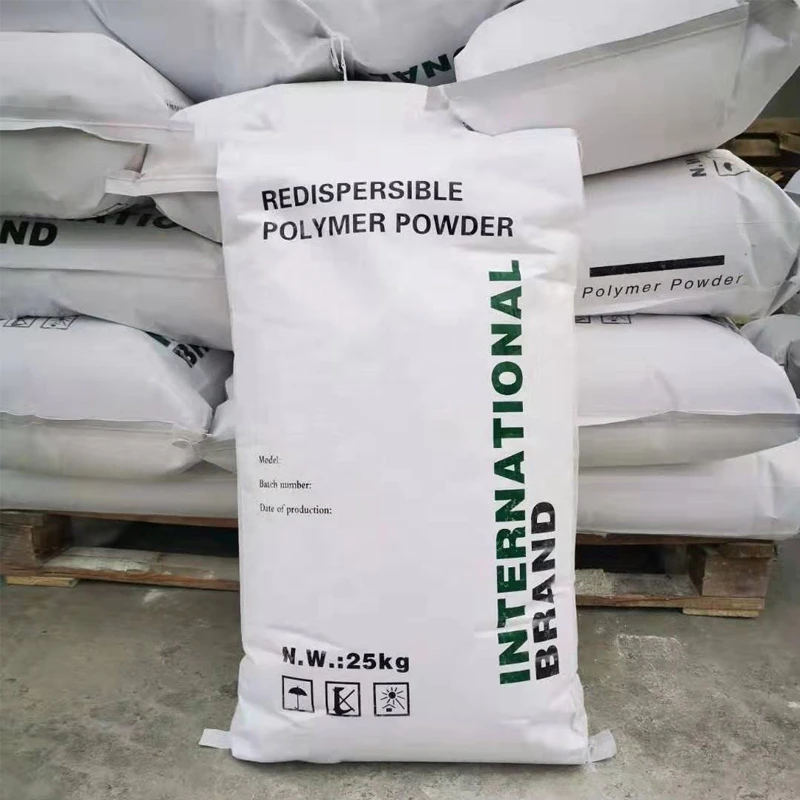
- Construction: Added to mortar and plaster to improve workability and durability, vital in regions with rapid urbanization like Asia and Africa.
- Pharmaceuticals: Used as a binder and controlled-release agent in tablets, capsules, and ophthalmic solutions, enhancing medication effectiveness globally.
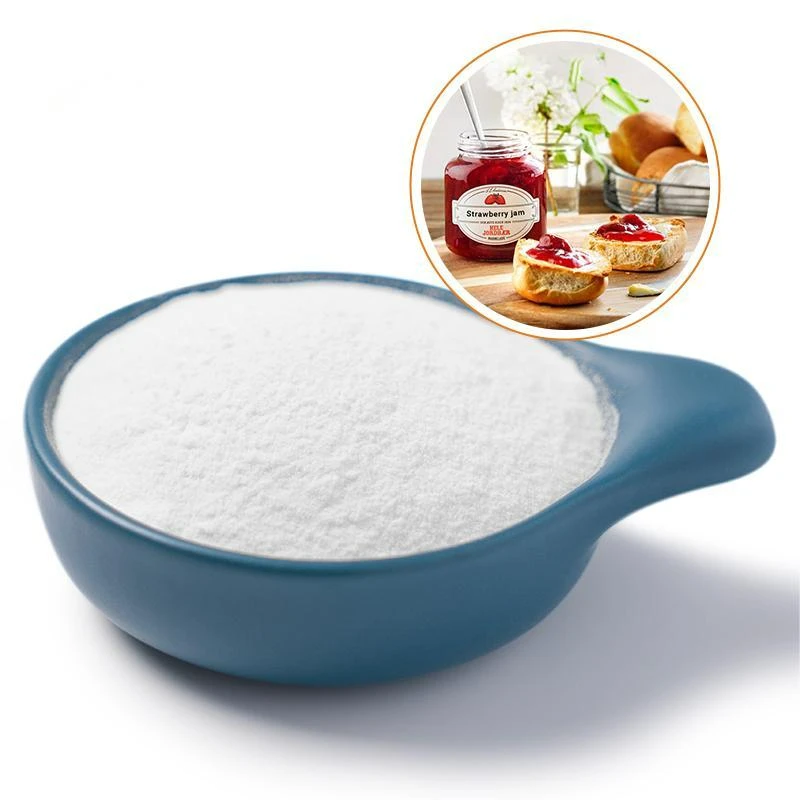
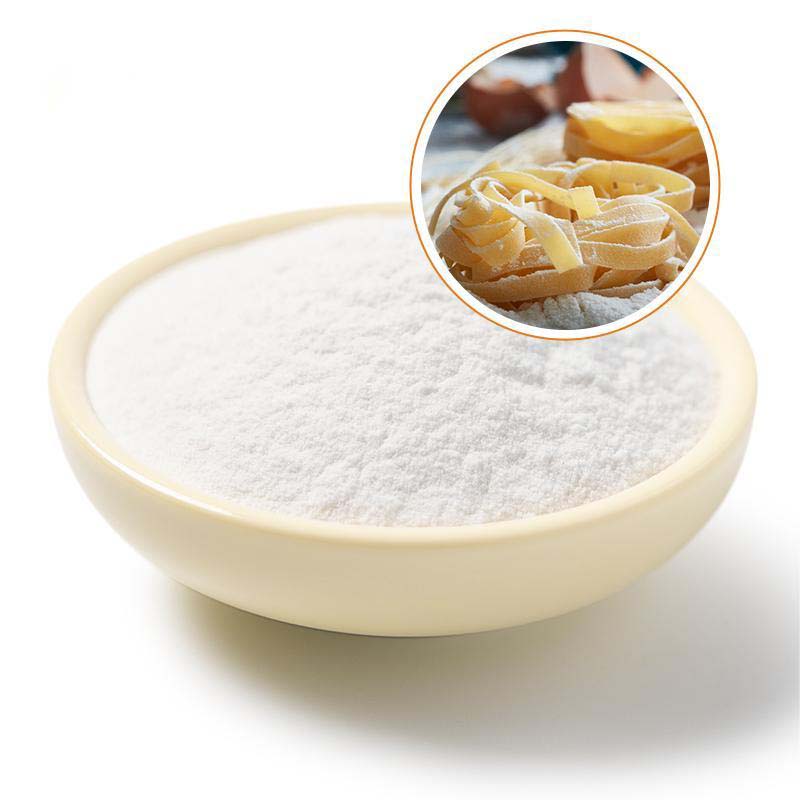
- Food Industry: Acts as a thickener, emulsifier, and coating agent in processed foods — aligning with stricter food safety regulations in Europe and North America.
- Cosmetics & Personal Care: Stabilizes lotions, creams, and hair gels, found in brands focused on natural ingredients.
- Disaster Relief & Humanitarian Aid: In emergency plaster and controlled drug delivery systems — places where reliability and shelf life can't be compromised.
Oddly enough, many relief organizations adopt HPMC-based quick-setting plasters because they’re easy to handle, store, and apply — and don't rely on sophisticated equipment.
Advantages and Long-Term Value of Using Hydroxypropyl Methylcellulose
From a practical standpoint, HPMC offers cost savings thanks to its high efficiency — a little goes a long way. Sustainability-wise, its natural origin and biodegradability reduce environmental impact. Socially, it enables safer medicines and stronger, longer-lasting buildings, improving quality of life and public health.
On a human level, relying on materials like HPMC means improved trust in products we consume and use daily. Its innovative characteristics have driven brands to develop new formulations that deliver consistent results, fostering industry advances and consumer confidence alike.
Looking Ahead: Emerging Trends and Innovations for HPMC
Innovation never sleeps. The future sees HPMC integrated with nanotechnology for even finer drug delivery control and enhancements in self-healing concrete. Digital manufacturing technologies, like 3D printing, also explore tailored HPMC formulations to create customizable biomedical devices and eco-friendly packaging.
Moreover, policies across the EU and Asia increasingly favor bio-based polymers, encouraging manufacturers to adopt materials like HPMC for compliance and brand positioning.
These shifts mean that HPMC is not just a “now” material, but a “next-gen” solution aligned with circular economy principles and smart manufacturing.
The Challenges We Can Solve With Smart Chemistry
Of course, no material is without challenges. HPMC can be sensitive to storage conditions, sometimes requiring altered formulations for extreme climates. Additionally, variability in raw material sources can affect consistency.
Experts recommend strict quality controls and collaboration between suppliers and end-users to fine-tune formulations. Emerging analytic methods help track batch quality, while blending HPMC with other polymers can boost performance for particular tasks.
So while HPMC isn’t a magic bullet, it’s pretty close when you combine good science and smart logistics.
FAQ: Your Most Pressing Questions About Uses of Hydroxypropyl Methylcellulose
- What industries most commonly use hydroxypropyl methylcellulose?
- HPMC finds its largest use in construction (as mortar additive), pharmaceuticals (tablet binder and drug delivery), food processing (thickener and stabilizer), and cosmetics.
- Is hydroxypropyl methylcellulose safe for use in foods and medicines?
- Yes, HPMC is classified as generally recognized as safe (GRAS) by many health authorities globally, including the FDA and EFSA, making it common in edible and medicinal products.
- How does HPMC improve the quality of construction materials?
- HPMC enhances water retention and workability in mortars and plasters, prevents cracking by slowing drying times, and improves adhesion and flexibility.
- Can HPMC be used in environmentally sensitive products?
- Absolutely, since it’s biodegradable and derived from renewable sources, HPMC is favored in eco-friendly formulations aiming to reduce chemical waste.
- Where can I find reliable suppliers of hydroxypropyl methylcellulose?
- Major chemical suppliers include Dow, Ashland, and Shin-Etsu. Each offers various grades tailored to industry needs. Always verify certifications and do trials before choosing a vendor.
Product Specification Table: Typical HPMC Grades Overview
| Property | Construction Grade | Pharmaceutical Grade | Food Grade | Cosmetic Grade |
|---|---|---|---|---|
| Viscosity (mPa·s @ 2%) | 100,000 – 250,000 | 50,000 – 150,000 | 20,000 – 80,000 | 30,000 – 100,000 |
| Substitution Degree | 1.4 – 1.8 | 1.2 – 1.6 | 1.0 – 1.5 | 1.1 – 1.6 |
| pH Stability Range | 5 – 11 | 4 – 10 | 3 – 9 | 4 – 10 |
| Typical Use | Mortar, plaster | Tablet binders, eye drops | Thickener, stabilizer | Creams, gels |
Vendor Comparison: Leading HPMC Suppliers at a Glance
| Vendor | Key Strengths | Industry Focus | Global Reach | Certifications |
|---|---|---|---|---|
| Dow Chemical | Extensive R&D, tailored grades | Construction, Pharma | North America, Europe, Asia | ISO 9001, GMP |
| Ashland Inc. | Biodegradable focus, custom blends | Food, Cosmetics | Global | ISO 14001, Halal, Kosher |
| Shin-Etsu | High-purity pharma grades | Pharmaceuticals | Asia, Europe | GMP, ISO 9001 |
Wrapping Up: Why HPMC Deserves a Place in Your Workflow
Hydroxypropyl methylcellulose may not be a household name, but its impact resonates through vital sectors shaping our future: better medicines, stronger buildings, and safer food products. Its blend of performance, safety, and sustainability equips industries to meet 21st-century challenges with smart chemistry.
If your business or project could benefit, take a deeper dive into uses of hydroxypropyl methylcellulose and explore how this versatile polymer can support innovation and responsibility simultaneously. It might just be the subtle advantage you didn’t know you needed.
Curious? Visit https://www.pezetech.com to learn more, discover tailored solutions, and connect with experts who understand your unique needs.
References
-
What Is VAE Powder? Complete Guide to Redispersible Polymer Powder (RDP) for ConstructionNewsApr.21,2026
-
HPMC Manufacturers in ChinaNewsApr.21,2026
-
What Is Redispersible Polymer Powder (RDP)? Complete Guide to VAE RDP for Mortar ApplicationsNewsApr.21,2026
-
Top Guide to Selecting Professional vae emulsion manufacturersNewsApr.16,2026
-
Viscosity of HPMCNewsApr.15,2026
-
HPMC Powder UsesNewsApr.15,2026