The Essential Role of HPMC in Tablet Formulations | Pharma Insights
Understanding HPMC in Tablet Formulation: A Small Ingredient with a Big Impact
If you’ve ever taken a tablet—whether a daily vitamin or a prescribed medication—there’s a high chance it contains hypromellose, commonly known as HPMC. Particularly in tablet manufacturing, HPMC in tablet form plays a subtle but essential role in ensuring the medicine works well, tastes tolerable, and makes it easier for you to swallow. Globally, with rising pharmaceutical production—and a booming nutraceutical sector—knowing what HPMC is and why it matters is surprisingly important. Spoiler: it’s more than just a filler or coating agent; it quietly influences sustainability, patient compliance, and the economics of drug delivery.
The Role of HPMC in Tablet Manufacturing: Global Context and Challenges
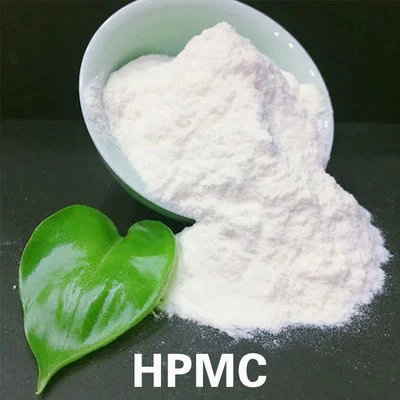
Hypromellose (HPMC) is a synthetic polymer widely used across pharmaceutical industries worldwide. According to ISO guidelines and pharma best practice standards, this cellulose derivative acts primarily as a binder, film former, and coating agent in tablets and capsules. While there are other polymers available, HPMC stands out due to its biocompatibility and versatility, making it a global favorite.
Data from the World Health Organization (WHO) highlights an increasing demand for orally administered solid dosage forms, especially in developing regions where cold chain logistics are complicated. Tablets coated with HPMC improve shelf life and ease distribution, which becomes critical during public health campaigns or emergency vaccination drives.
However, pharmaceutical manufacturers often wrestle with challenges like ensuring controlled release, optimizing solubility, and maintaining tablet durability without compromising patient safety. Enter HPMC – a component that helps balance these competing demands elegantly.
What Exactly Is HPMC in Tablets?
Simplistically, hpmc in tablet refers to the usage of hypromellose as an excipient within solid oral medications. Hypromellose is a semisynthetic, inert polymer derived from cellulose, modified to dissolve in water and form a gel-like matrix.
In tablet formulations, HPMC is prized for:
- Binding: Holding together powdered ingredients.
- Controlled release: Managing how fast an active drug disperses in the digestive tract.
- Film coating: Forming a thin, protective layer around tablets, enhancing swallowability and masking unpleasant tastes.
This multifunctionality makes HPMC a backbone ingredient beyond just pharma — it’s also used in nutraceuticals, functional food tablets, and cosmetic pills.
Core Properties that Make HPMC Ideal for Tablets
1. Solubility & Gel Formation
One of HPMC’s standout features is its ability to form a viscous gel on contact with water, which enables sustained drug release and protection against stomach acidity. Many formulators swear by this characteristic for getting tricky drugs to dissolve properly.
2. Binding Efficacy
HPMC binds powders firmly without adding excessive weight or bulk to the tablet. It can even replace some traditional fillers, which sometimes pose allergy risks.
3. Film-Coating Capabilities
Film coating using HPMC makes tablets less bitter, easier to swallow, and reduces dust generation during production. Plus, an HPMC-coated tablet often lasts longer on the shelf compared to uncoated ones.
4. Stability and Compatibility
HPMC is chemically stable under a broad pH range and does not react with most active ingredients, making it highly reliable for complex formulations.
5. Regulatory Approval and Safety
Approved by bodies like the FDA and EMA, HPMC’s safety profile reinforces its widespread adoption — reassuring manufacturers and consumers alike.
Specifications: A Typical HPMC Grade Used in Tablets
| Specification | Typical Values |
|---|---|
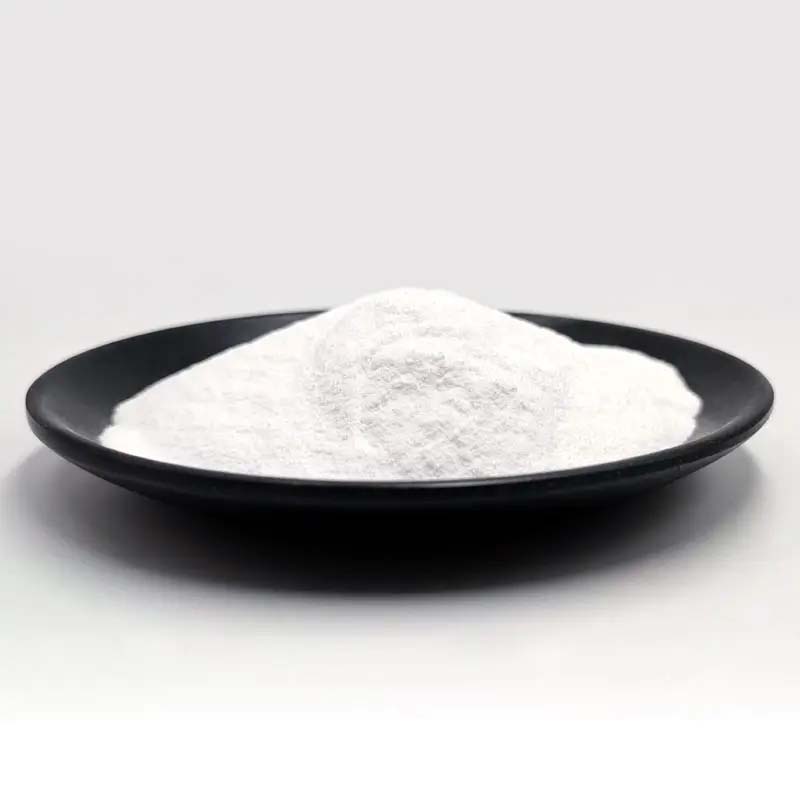
| Appearance | White to off-white powder |
| Methoxy Content | 19–24% |
| Viscosity (2% solution at 20°C) | 80–150 mPa·s |
| pH of 2% Solution | 5.0–7.5 |
| Moisture Content | ≤5% |
| Heavy Metal Content |
Leading Manufacturers of HPMC for Tablets: A Vendor Comparison
| Vendor | Origin | USP/PhEur Grade | Price Range (USD/kg) | Supply Reliability |
|---|---|---|---|---|
| Dow Chemical | USA/Global | Yes | $20–25 | High |
| BASF | Germany/Global | Yes | $21–26 | High |
| Shin-Etsu | Japan/Global | Yes | $23–28 | Moderate |
| Shandong Taihe | China | USP Grade | $15–20 | Good |
Global Applications: How and Where HPMC Makes a Difference
From India to the USA, and across Europe to emerging African markets, HPMC’s role in tablets is vast and varied. Here’s a snapshot of where it shines:
- Pharmaceuticals: Controlled-release tablets, chewables, capsules, and even implants.
- Nutraceuticals: Vitamins and dietary supplements often use HPMC coatings to mask unpleasant flavors.
- Cosmetics & Personal Care: Capsules with active ingredients for skin and hair.
Oddly enough, in disaster relief zones where cold storage is limited, HPMC-coated tablets maintain drug effectiveness without refrigeration. This makes them a quiet hero for NGOs battling infectious outbreaks or malnutrition in remote areas.
Long-Term Benefits and Real-World Value of Using HPMC in Tablets
Besides the immediate manufacturing advantages, HPMC contributes to:
- Cost Efficiency: Reduces wastage, lowers mix variability, and extends product shelf life.
- Sustainability: Derived from renewable cellulose sources and biodegradable.
- Patient Compliance: Easier swallowing and reduced bad taste improve adherence to medication schedules.
- Safety and Reliability: Stable formulations ensure consistent dosage and reduced risk of adverse reactions.
But frankly, when you know a product is safer for your family, or that medicines you rely on won’t lose potency halfway through a trip, it feels reassuring in an almost human way.
Emerging Trends in HPMC Use and Tablet Technology
If you keep an eye on pharma R&D, you’ll notice some exciting innovations involving HPMC:
- Green Chemistry: New extraction and synthesis methods aim to reduce environmental impact.
- Digital Pharmacies: Smart tablets with embedded sensors and controlled release using HPMC matrices.
- Personalized Medicine: HPMC’s customizable viscosity and solubility profiles enable tailored dosages at scale.
- Automation & Continuous Manufacturing: Streamlining HPMC application processes to increase efficiency and quality.
Challenges and How the Industry Is Tackling Them
It’s not all sunshine. Some challenges remain:
- Batch Variability: Natural cellulose origin can lead to slight fluctuations in polymer quality.
- Cost Pressure: HPMC isn’t the cheapest polymer out there.
- Compatibility Issues: Some drugs might interact subtly with HPMC’s gel-forming behavior.
Industry experts respond with tighter quality controls, sourcing diversification, and research on polymer blends. One promising approach is combining HPMC with novel bio-polymers to fine-tune release profiles and reduce costs without sacrificing quality.
FAQ: Your Questions About HPMC in Tablet Explained
Q1: Why is HPMC preferred over other binders in tablets?
A: HPMC offers excellent binding capabilities alongside unique film-forming and controlled-release benefits. Unlike starch or gelatin, HPMC is inert, versatile, and suitable for vegetarian formulations, making it a preferred choice industry-wide.
Q2: How does HPMC improve patient experience?
A: HPMC coatings reduce bitterness and improve tablet swallowability. It also ensures consistent drug release in the digestive system, reducing side effects caused by dose spikes.
Q3: Is HPMC in tablets safe for long-term use?
A: Yes. Approved by global regulators, HPMC is considered non-toxic, non-irritant, and safe for chronic use in numerous medications and supplements.
Q4: Can HPMC help in making eco-friendly tablets?
A: Absolutely. Being cellulose-derived and biodegradable, HPMC supports green manufacturing trends while maintaining high pharmaceutical standards.
Final Thoughts: Why HPMC in Tablet Form Continues to Matter
In summary, hpmc in tablet represents more than just an excipient on a drug label. It’s a multi-talented polymer that balances effectiveness, safety, sustainability, and economic viability all at once. Whether you’re a manufacturer, pharmacist, or patient, understanding its role shines light on how tiny ingredients can power big outcomes for healthcare globally.
If your business or practice needs reliable, high-quality HPMC or you want to learn more about advanced tablet formulation, visit our site and explore the options: https://www.pezetech.com.
References
-
What Is VAE Powder? Complete Guide to Redispersible Polymer Powder (RDP) for ConstructionNewsApr.21,2026
-
HPMC Manufacturers in ChinaNewsApr.21,2026
-
What Is Redispersible Polymer Powder (RDP)? Complete Guide to VAE RDP for Mortar ApplicationsNewsApr.21,2026
-
Top Guide to Selecting Professional vae emulsion manufacturersNewsApr.16,2026
-
Viscosity of HPMCNewsApr.15,2026
-
HPMC Powder UsesNewsApr.15,2026