Ethyl Methyl Cellulose – Versatile, Sustainable Polymer for Industry & Innovation
What Exactly is Ethyl Methyl Cellulose and Why Should You Care?
If you’ve ever paused while reading the fine print on a paint can, adhesive tube, or even a food label, chances are you've encountered ethyl methyl cellulose somewhere in the mix. Don’t worry if it sounds a bit like kitchen chemistry — it is, in a way — but ethyl methyl cellulose (EMC) is a far cry from something you’d want in your morning coffee. Instead, it quietly powers countless industries around the globe, holding surfaces together, thickening formulas, and even playing a role in sustainable construction. Understanding it matters, not just to chemists but to anyone interested in materials that shape our daily lives and the evolving global market.
Why? Because EMC isn’t just another chemical additive; it’s a bridge between traditional cellulose (plant fibers) and modern polymer science, allowing manufacturers to create smarter, more durable, eco-friendly products worldwide. From remote industrial zones in Asia to disaster relief efforts in Africa, ethyl methyl cellulose has quietly claimed a pivotal spot.
Understanding the Global Role of Ethyl Methyl Cellulose
To understand EMC’s rising importance, consider some global industry stats: the global cellulose ethers market, to which EMC belongs, is projected to top USD 1.5 billion by 2027, growing at an annual average rate of nearly 6% according to Grand View Research. It doesn’t take much imagination to see why; the product’s versatility means it crosses into paints, pharmaceuticals, cosmetics, food, and even oil drilling.
Frankly, in an era where sustainability labels mean big business and technological advancements push for greener alternatives, EMC’s partially bio-based origins and biodegradability are a serious plus. Plus, the challenge it helps solve — creating materials that are both functional and environmentally sound — is something almost every industry wrestles with. The world needs binders and thickeners that don’t stick around as pollutants for decades, and EMC does a pretty good job at this.
Ethyl Methyl Cellulose: A Simple Definition
In practical terms, ethyl methyl cellulose is a chemically modified cellulose ether, derived from natural cellulose (think wood pulp or cotton fibers). By substituting some of the hydroxyl groups on the cellulose molecule with ethyl and methyl groups, manufacturers can tweak its water solubility, thermal properties, and film-forming abilities.
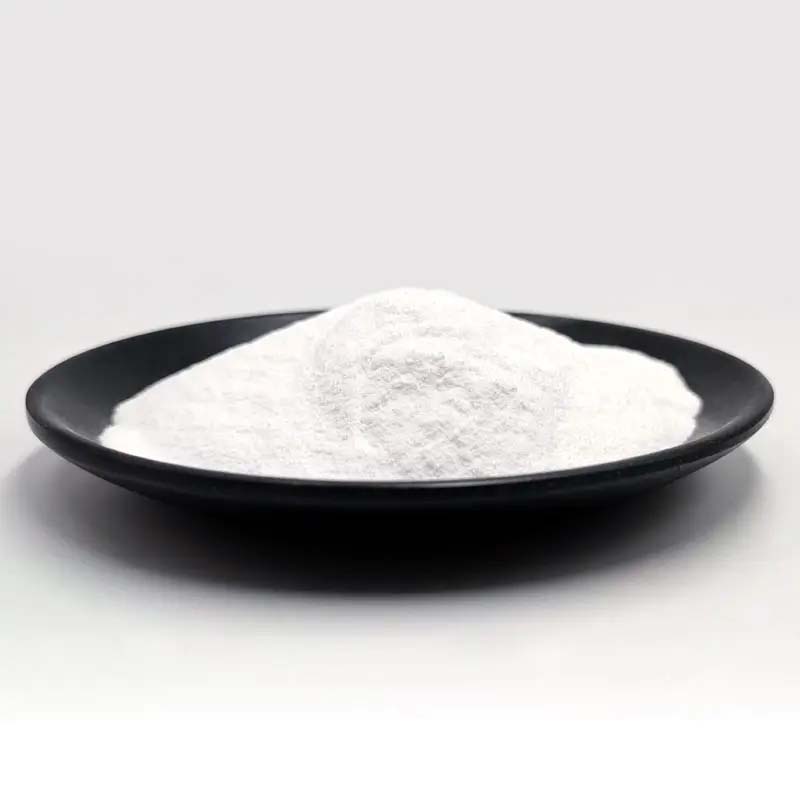
It sounds technical, sure, but in a nutshell: EMC is a powder or granule used to thicken, stabilize, and emulsify products. Think of it as nature’s fiber getting a high-tech upgrade — making it more water-soluble and easier to handle, which in turn opens a gamut of industrial applications.
Core Components and Practical Aspects of EMC
1. Viscosity Control
One of EMC’s star qualities is its ability to control viscosity in solutions and gels. For paint manufacturers, this means consistent texture without thinning out over time. In food products, it improves mouthfeel and stability.
2. Thermal Gelation
EMC’s unique thermal gelation property means it forms gels at higher temperatures, which is prized in construction mortars and adhesives. This quality helps reduce water evaporation and cracking in plaster. Curious feature that feels like a little magic — solid at warm temps but liquid at cooler ones.
3. Water Retention and Film Formation
In drywall and tile adhesive products, EMC’s ability to hold moisture prevents premature drying, ensuring better adhesion and durability — the last thing you want is a cracked tile floor after a few months.
4. Compatibility and Safety
Its neutral pH, non-toxic nature, and compatibility with many other ingredients make EMC a go-to additive across cosmetics and pharma. Many engineers say it’s like the friendly neighbor, integrating well without causing trouble.
Mini Takeaway:
Ethyl methyl cellulose isn’t just a mystery powder but a carefully engineered compound with properties that matter across industries — from viscosity to thermal behavior, each aspect contributes to its versatile applications.
Real-World Applications: Who Uses Ethyl Methyl Cellulose and Why?
In post-disaster relief operations, quick-setting mortars incorporating EMC help rebuild safely and economically. Regions with extreme weather depend on tile adhesives and plasters enriched with this polymer to combat cracking and water damage. Manufacturers in Asia, Europe, and North America integrate EMC into paints and coatings to improve spreadability and durability.
In pharmaceutical capsules and tablets, EMC serves as a binder and release agent, ensuring consistent drug delivery. The food industry leverages it as a stabilizer in gluten-free baked goods or as a substitute for fat in low-calorie foods — odd to think about, but it happens.
| Property | Typical Range | Units |
|---|---|---|
| Degree of substitution (Ethyl group) | 1.2 – 1.7 | moles per anhydroglucose unit |
| Degree of substitution (Methyl group) | 0.1 – 0.4 | moles per anhydroglucose unit |
| Viscosity (2% aqueous solution, 20°C) | 50 – 1000 | mPa·s |
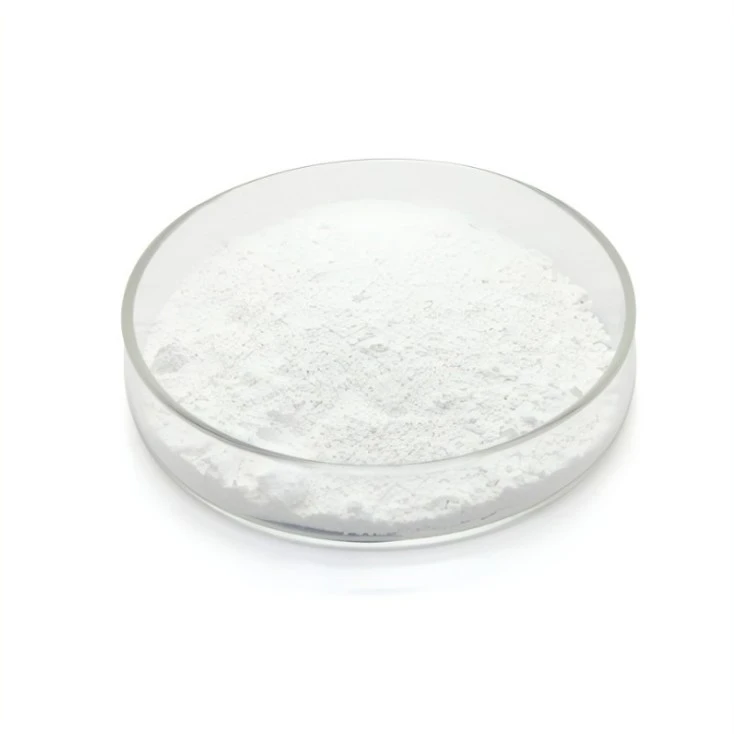
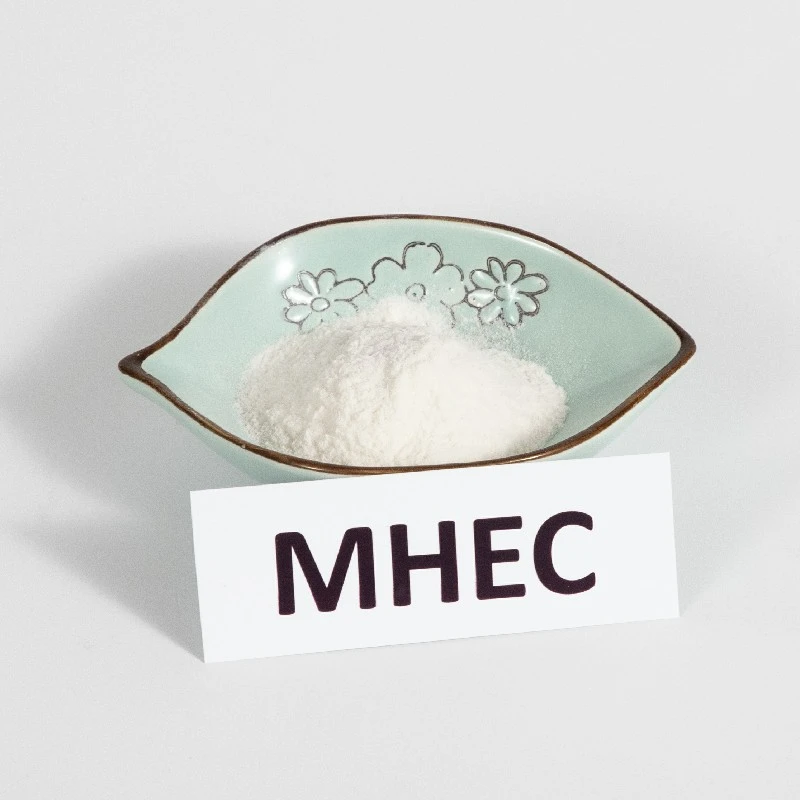
| Appearance | White powder | - |
| pH (1% solution) | 6.0 – 8.0 | - |
Mini Takeaway:
Whether it’s plaster in cold climates or gluten-free bread thousands of miles away, EMC’s applications are more widespread and varied than you might imagine. It’s a silent hero behind many products we take for granted.
Advantages and Long-Term Value of Ethyl Methyl Cellulose
- Cost Efficiency: Compared to synthetic polymers, EMC balances price with performance, making it attractive in bulk production.
- Sustainability: Derived from cellulose, a renewable resource, and partially biodegradable — it fits well with circular economy values.
- Reliability: Stable under a wide temperature range and compatible with many ingredients, ensuring predictable product behavior.
- Social Impact: Its use in construction materials in developing countries enables affordable, durable housing solutions.
On an emotional note, many product developers mention how EMC brings “peace of mind” — less worry about product failure, more focus on innovation. Oddly enough, a material you don’t see or feel often has the most profound trust factor.
Where is Ethyl Methyl Cellulose Heading? Future Trends & Innovations
Looking ahead, the push for greener chemistry means EMC manufacturers are experimenting with more efficient substitution patterns to reduce energy use and waste. Digital transformation allows for better customization — tailoring EMC grades quickly for niche industries like 3D printing materials or advanced pharmaceuticals. Automation in production lines combined with improved quality control reduces impurities, opening doors for even more sensitive uses.
Environmental policies worldwide encourage replacing petroleum-based thickeners, boosting EMC’s market share. Naturally, researchers are looking at combining EMC with nanocellulose fibers and bioplastics to create composite materials with enhanced strength and biodegradability — a fascinating frontier.
Common Challenges With EMC and How They’re Addressed
Despite its advantages, EMC isn’t without limits. For instance, its solubility can vary with temperature, sometimes causing processing hiccups. Also, sourcing high-purity cellulose feedstock at scale can be tricky depending on region.
Experts recommend strict process controls and blending EMC with complementary polymers to tune performance. Technologies like reactive extrusion and continuous monitoring have reduced batch-to-batch variability considerably. And frankly, cooperating internationally to secure sustainable raw materials helps stabilize supply chains.
Frequently Asked Questions About Ethyl Methyl Cellulose
Q: What makes ethyl methyl cellulose preferable to other cellulose ethers?
A: EMC offers a unique compromise of water solubility and thermal gelation not seen in other cellulose ethers. This makes it perfect for applications needing temperature-responsive thickening, like tile adhesives and paints.
Q: Can EMC be used in food products safely?
A: Yes, EMC is approved in many regions as a food additive for thickening and stabilizing. Its non-toxic, non-digestible nature means it safely improves texture without adding calories.
Q: How does EMC improve construction materials?
A: It enhances water retention and improves the adhesion and flexibility of mortars and plasters, reducing cracking and extending durability, especially in harsh climates.
Q: Is there a difference between ethyl methyl cellulose and methyl cellulose?
A: Yes, EMC includes ethyl group substitutions that change its solubility and thermal behavior. Methyl cellulose alone doesn’t gel at the same temperatures, so EMC’s properties are more versatile.
Q: How do I find a reliable EMC supplier?
A: Look for vendors with consistent quality certifications, transparent sourcing, and strong technical support. Bulk availability and ability to customize grades are also key.
| Supplier | Product Range | Typical Applications | Geographical Reach |
|---|---|---|---|
| Pezetech Industries | Custom EMC grades (50-1000 mPa·s viscosity) | Construction, Paints, Pharma, Food | Global (Asia, Europe, Americas) |
| CelluChem Corp. | High-purity EMC powders | Pharmaceuticals, Cosmetics | North America, Europe |
| BioFiber Solutions | Bio-sourced EMC, low substitution variants | Eco-friendly packaging, 3D printing | Europe, Asia |
Wrapping it Up — Why Ethyl Methyl Cellulose is Here to Stay
Ethyl methyl cellulose, a seemingly small ingredient, quietly underpins many of today’s industries. Its versatility and eco-friendliness, coupled with improving global supply chains, place it as an essential chemical in sustainable manufacturing. Whether you’re in construction, food tech, or pharma, it pays to know how EMC can improve your product’s performance and sustainability footprint.
Curious to explore the world of ethyl methyl cellulose further? Dive deeper at Pezetech, a trusted supplier with customizable solutions designed for your unique needs.
References:
-
What Is VAE Powder? Complete Guide to Redispersible Polymer Powder (RDP) for ConstructionNewsApr.21,2026
-
HPMC Manufacturers in ChinaNewsApr.21,2026
-
What Is Redispersible Polymer Powder (RDP)? Complete Guide to VAE RDP for Mortar ApplicationsNewsApr.21,2026
-
Top Guide to Selecting Professional vae emulsion manufacturersNewsApr.16,2026
-
Viscosity of HPMCNewsApr.15,2026
-
HPMC Powder UsesNewsApr.15,2026