Hydroxy Methyl Propyl Cellulose: Key Uses and Benefits Across Industries
Understanding Hydroxy Methyl Propyl Cellulose: A Global Overview
Hydroxy methyl propyl cellulose (HMPC) might sound like a mouthful, but it plays a surprisingly essential role in various industries worldwide. You see, this polymer derivative is a versatile additive, critical in everything from construction to pharmaceuticals, and its significance stretches far beyond lab benches. Globally, with industries pushing for both sustainability and quality, understanding HMPC helps in streamlining manufacturing, reducing waste, and even aiding humanitarian efforts. Why does it matter? Well, its unique chemical and physical properties solve practical problems in product formulation — like thickening, stabilizing, and film-forming — all while being eco-friendlier than some synthetic counterparts.
Mini takeaway: Hydroxy methyl propyl cellulose is a multifunctional compound with global applications, making it vital for industries focusing on quality, sustainability, and efficiency.
The Global Context of Hydroxy Methyl Propyl Cellulose
In 2023, the global hydroxy methyl propyl cellulose market continues to expand, driven by growing demands in Asia-Pacific and Europe, primarily from pharmaceutical, food, and construction sectors (Ref.1). Consider this: the UN estimates that the construction sector alone accounts for nearly 39% of global energy-related carbon emissions — so materials enhancing energy efficiency, like HMPC, have never been more pertinent.
However, challenges remain, such as ensuring consistent quality, sourcing raw materials sustainably, and developing formulations that meet stricter regulations, especially in medical and food applications. Hydroxy methyl propyl cellulose addresses these by being a renewable, biodegradable option that often replaces synthetic polymers, thus aligning with global sustainability goals dictated by ISO standards.
Mini takeaway: As industries and governments push for greener solutions, hydroxy methyl propyl cellulose offers a timely answer to pressing environmental and quality challenges worldwide.
What is Hydroxy Methyl Propyl Cellulose?
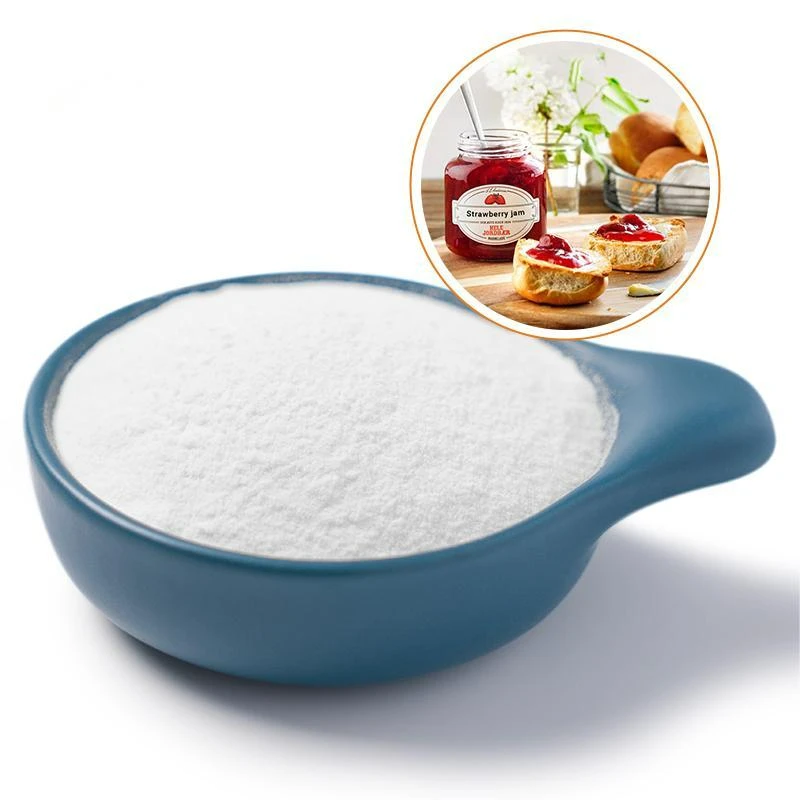
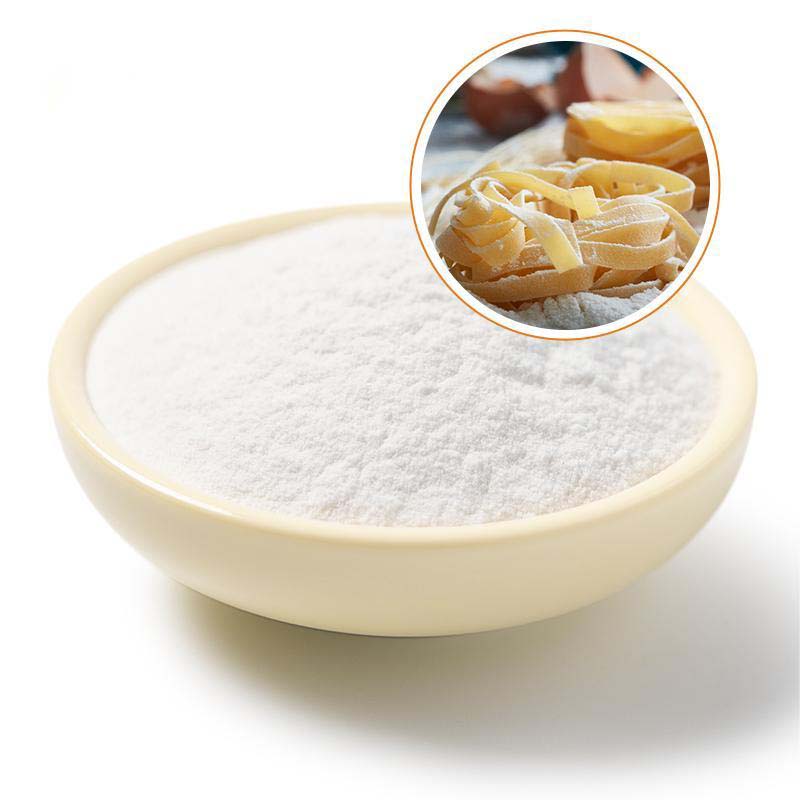
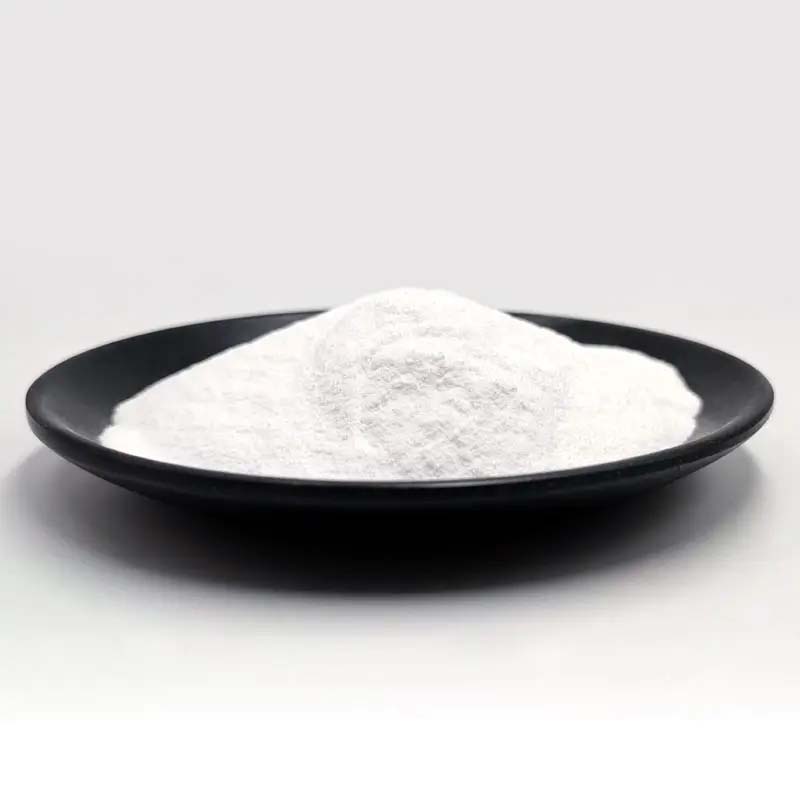
Let’s break it down. Hydroxy methyl propyl cellulose is a water-soluble cellulose ether derived by chemically modifying cellulose — which itself is the main structural component of plant cell walls. Simply put, it's a fine powder that when added to water creates a consistent, smooth gel or film, which is why it’s prized in various industries.
In modern industry, HMPC’s connection runs deep: it’s used as a binder in tablets, a thickener in paints, a stabilizer in cosmetics, and a water-retention agent in cement mixtures. Humanitarian efforts, like in disaster relief construction or food supplementation, rely on materials that are safe, durable, and easy to handle— HMPC fits right in.
hydroxy methyl propyl cellulose is not just chemistry jargon—it's an enabler for safer, more effective products around the world.
Mini takeaway: Hydroxy methyl propyl cellulose is a modified cellulose ether that imparts essential properties — like thickening and stabilization — in a variety of applications critical for modern industry and aid work.
Key Features of Hydroxy Methyl Propyl Cellulose in Practice
1. Water Retention
One of HMPC’s standout traits is its superb ability to retain water, which is crucial in cement and plaster formulations to improve hydration and prevent rapid drying. In practical terms, this means stronger, more durable construction materials, especially in hot or arid climates.
2. Film-Forming Capability
Another quality is its ability to create flexible, transparent films. This property is particularly useful in pharmaceuticals for tablet coatings, enhancing drug release control or masking unpleasant tastes.
3. Thermal Stability
HMPC remains stable under a wide temperature range, which is crucial in food processing and certain industrial processes where heat exposure is frequent.
4. Compatibility
It mixes well with many ingredients, which is why it’s a staple in paint formulations and cosmetics where consistency and appearance matter.
5. Non-toxicity and Biodegradability
Unlike some synthetic polymers, hydroxy methyl propyl cellulose is non-toxic and biodegradable, making it a safer choice in food applications and environmentally sensitive projects.
Mini takeaway: The unique combination of water retention, film formation, thermal resilience, and eco-friendliness makes HMPC an indispensable ingredient in many fields.
Real-World Applications and Use Cases
- Construction Industry: In countries with rapid urbanization like India and Brazil, HMPC is routinely used in drywall compounds, tile adhesives, and cement formulations. Its water retention and bonding qualities boost building strength and durability.
- Pharmaceuticals: Global pharmaceutical companies use hydroxy methyl propyl cellulose as a binder and film coat in tablets ensuring controlled drug release — critical for chronic conditions.
- Food Industry: HMPC acts as a thickener and stabilizer in sauces, dressings, and ice cream, promoting smooth textures and consistent taste worldwide.
- Disaster Relief: In post-disaster shelter construction, lightweight mortar mixtures with HMPC improve setting time and strength, enabling rapid rebuilding with limited resources.
Interestingly, some remote industrial zones leverage HMPC in environmental remediation, where biodegradable polymers reduce chemical leaching risks.
Mini takeaway: Hydroxy methyl propyl cellulose’s adaptability allows it to benefit diverse sectors from food to emergency construction — impacting lives globally.
Advantages and Long-Term Value
When you stack the benefits, HMPC’s advantages jump off the page:
- Cost Efficiency: It reduces waste and rework by improving product stability and shelf life.
- Sustainability: Derived from renewable cellulose and biodegradable, it helps industries meet eco-friendly targets.
- Social Impact: By improving the performance of pharmaceuticals and construction materials, it supports health and safety worldwide.
- Reliability: Products formulated with HMPC perform consistently across environments — whether a humid tropical climate or a dry desert.
On a more human level, these benefits translate to safer medicines, sturdier homes, and improved food quality — all vital for dignity and well-being in communities.
Mini takeaway: The mix of economic, environmental, and social benefits makes hydroxy methyl propyl cellulose a valuable material not just today but far into the future.
Product Specification Table: Typical Hydroxy Methyl Propyl Cellulose Grades
| Parameter | Grade A | Grade B | Grade C |
|---|---|---|---|
| Viscosity (mPa·s at 2% solution) | 100 - 200 | 400 - 600 | 800 - 1200 |
| Substitution Degree (Methoxy %) | 19–24% | 19–24% | 19–24% |
| Substitution Degree (Hydroxypropyl %) | 4–12% | 4–12% | 4–12% |
| pH (1% solution) | 5–8 | 5–8 | 5–8 |
Comparing Global Vendors of Hydroxy Methyl Propyl Cellulose
| Vendor | Key Strengths | Typical Applications | Regional Presence |
|---|---|---|---|
| Cellotech Industries | Specializes in high-viscosity grades, strong R&D | Pharma, Construction | Global (Asia, Europe, Americas) |
| GreenCell Corp. | Eco-certified, biodegradable focus | Food, Cosmetics | Europe, North America |
| AsiaCell Solutions | Cost-competitive, broad product range | Construction, Food, Pharma | Asia-Pacific |
Future Trends and Innovations
If you ask me, the next frontier for hydroxy methyl propyl cellulose is tightly linked to sustainability and smart materials. Researchers are developing bio-based HMPC derivatives with enhanced biodegradability and functionalization for targeted drug delivery. We’re also seeing integration with digital manufacturing techniques, like 3D printing in construction, where HMPC-modified materials improve flow and curing.
Green chemistry policies worldwide are pushing vendors to reduce synthetic additives, making HMPC a centerpiece in formulations requiring “clean labeling.” And oddly enough, as automation scales, quality consistency in HMPC production becomes even more critical, sparking new sensor-driven testing rigs and AI-based quality controls.
Mini takeaway: The future of HMPC is not just in what it can do today, but how it evolves with new green tech and digital innovation.
Challenges and Their Smart Solutions
Like any industrial material, HMPC is not without its quirks. Sourcing quality cellulose raw materials sustainably remains tricky — deforestation concerns are real, and inconsistent feedstocks can compromise product performance. Moreover, manufacturing HMPC requires precise chemical modification control to maintain narrow viscosity ranges, or else final products suffer.
How are vendors tackling these issues? Many use certified sustainable wood pulp sources and increasingly turn to integrating circular economy principles — recycling byproducts or exploring cellulosic waste streams. On the technical side, inline monitoring combined with machine learning algorithms improves process consistency, reducing batch-to-batch variation.
Industry collaborations with environmental institutes also help drive innovation in cleaner chemistry and lifecycle assessments, showing it’s kind of a holistic journey, not just a one-step fix.
Mini takeaway: Sustainability and quality challenges with hydroxy methyl propyl cellulose are met head-on through smarter sourcing and high-tech manufacturing controls.
FAQ: Common Questions About Hydroxy Methyl Propyl Cellulose
- Q1: What makes hydroxy methyl propyl cellulose superior to other cellulose ethers in construction?
- A1: HMPC offers excellent water retention and film-forming, which improves mortar workability and adhesion without compromising strength. Its thermal stability also ensures performance under variable temperatures, making it more reliable than some other cellulose ethers in demanding construction environments.
- Q2: Can hydroxy methyl propyl cellulose be used in gluten-free baking?
- A2: Yes, due to its thickening and stabilizing properties, HMPC can improve texture and moisture retention in gluten-free products, mimicking gluten’s elastic qualities to a degree and enhancing overall product quality.
- Q3: How long does a tablet coated with HMPC typically last on shelves?
- A3: Tablets with HMPC coatings generally see improved shelf life due to controlled moisture exchange and physical protection. Depending on storage, this can extend shelf life by several months, which is crucial for pharmaceuticals distributed globally.
- Q4: Is hydroxy methyl propyl cellulose safe for use in organic-certified products?
- A4: While HMPC is derived from natural cellulose, its chemical modification means it’s usually not allowed in fully organic-certified products unless specifically approved. However, many certifications allow it as a processing aid due to its biodegradability and safety profile.
- Q5: How can NGOs ensure import compliance when sourcing HMPC internationally?
- A5: Most NGOs work closely with suppliers who provide complete documentation, including MSDS, COAs, and compliance certificates aligned with international standards like REACH and FDA. Early regulatory research and partner vetting ensure smooth customs clearance and legal adherence.
Summary and Next Steps
All told, hydroxy methyl propyl cellulose proves itself as a quietly powerful ingredient shaping industries. Its versatility, safety, and sustainability align with global trends demanding smarter, greener materials. Whether you’re in pharmaceuticals, construction, food, or humanitarian aid, hydroxy methyl propyl cellulose can enhance your products’ performance and impact.
If you want to stay ahead on quality materials that combine innovation with responsibility, it’s worth exploring HMPC grades and suppliers carefully—and maybe, just maybe, letting this humble polymer surprise you.
Visit our website for more detailed insights and product options: https://www.pezetech.com
References
-
What Is VAE Powder? Complete Guide to Redispersible Polymer Powder (RDP) for ConstructionNewsApr.21,2026
-
HPMC Manufacturers in ChinaNewsApr.21,2026
-
What Is Redispersible Polymer Powder (RDP)? Complete Guide to VAE RDP for Mortar ApplicationsNewsApr.21,2026
-
Top Guide to Selecting Professional vae emulsion manufacturersNewsApr.16,2026
-
Viscosity of HPMCNewsApr.15,2026
-
HPMC Powder UsesNewsApr.15,2026