Hydroxypropyl Methyl Cellulose: Versatile Solutions for Industry & Sustainability
Understanding Hydroxypropyl Methyl Cellulose: A Global Essential
At first glance, the name hydroxypropyl methyl cellulose (HPMC) might sound like something you’d find only in a chemistry textbook or a specialist’s briefcase. Yet, it quietly powers a vast array of industries worldwide, from construction to pharmaceuticals, food products to cosmetics. Why does it matter? Well, because the compound’s versatility helps solve many pressing global challenges — whether it’s improving building materials in disaster-prone regions or ensuring safer drug formulations.
Understanding this compound is no mere academic exercise; it shines a light on how industries innovate to keep pace with growing demands for sustainability, cost efficiency, and safety. And frankly, if you work in product development or supply chain management, this ingredient—often overlooked—can be a real game changer.
Global Context: Why Hydroxypropyl Methyl Cellulose Is More Relevant Than Ever
Globally, demand for versatile, safe, and sustainable materials is mounting. According to the International Organization for Standardization (ISO), building and pharmaceutical sectors alone face growing pressure to source materials that deliver reliability under diverse environmental challenges while meeting increasingly strict regulatory requirements. The global construction market, for instance, is projected to surpass $15 trillion in value by 2030, a vast space where materials like HPMC play a crucial role.
Moreover, humanitarian organizations often encounter the challenge of deploying rapid and safe infrastructure or medical supplies in underdeveloped or disaster-affected regions. Hydroxypropyl methyl cellulose frequently steps in as a multifunctional solution — helping improve mortar adhesion in bricklaying or stabilizing medicines — thus directly impacting millions of lives worldwide, in places least equipped to handle logistical stress.
So, it’s not just fancy chemistry; it’s a quietly embedded part of the global machinery for resilience, innovation, and sustainability.
What Exactly Is Hydroxypropyl Methyl Cellulose?
In simple terms, hydroxypropyl methyl cellulose is a cellulose derivative produced by chemically modifying plant cellulose. Think of it as cellulose with a few functional chemical groups attached, which drastically change its behavior and usability. This modification gives it unique properties: it's water-soluble, non-toxic, and forms gels or films—depending on concentration and temperature.
Industrially, this means it can act as a thickener, binder, film former, or stabilizer. If you’ve ever eaten gluten-free bread, enjoyed skincare products like lotions, or noticed smooth finishes in construction materials like plaster or tile adhesives, you’ve probably encountered HPMC’s handiwork.
This connection to cellulose (nature’s backbone of plant cell walls) also hints at its environmental promise — being derived from abundant renewable sources rather than petrochemicals.
Key Features of Hydroxypropyl Methyl Cellulose
1. Water Retention & Workability
Many engineers swear by HPMC for its excellent water retention in cement and plaster mixtures. This translates to longer working times, less cracking, and ultimately, more durable constructions—especially important in hot or dry climates.
2. Thermal Gelation Properties
Oddly enough, HPMC gels when heated, which few polymers do. This makes it invaluable in pharma for controlled drug release and as a film former in tablet coatings.
3. Non-Toxic & Biocompatible
Being safe to consume or apply on the skin opens doors across food and cosmetic industries. It’s often approved by regulatory bodies including the FDA and EFSA, adding trust and reliability.
4. Versatility & Compatibility
HPMC is compatible with many other ingredients and can be customized to specific viscosity or solubility needs. This tweakability enhances scalability and cost-effectiveness.
5. Stability in Different pH and Environments
This makes it a preferred choice in harsh chemical conditions, improving product shelf-life and consistency.
Mini takeaway:
Hydroxypropyl methyl cellulose brings a mix of physical and chemical features that let it fit into diverse industrial roles, offering both performance and safety. It’s rare to find a single material so broadly useful yet so tailored.
Real-World Applications Across Industries and Continents
The real proof of any material’s importance lies in where it’s used. Around the globe, sectors counting on hydroxypropyl methyl cellulose include:
- Construction: In mortars, plasters, tile adhesives — increasing workability, resistance, and waterproofing.
- Pharmaceuticals: As a tablet binder, controlled-release agent, and emulsifier for topical drugs.
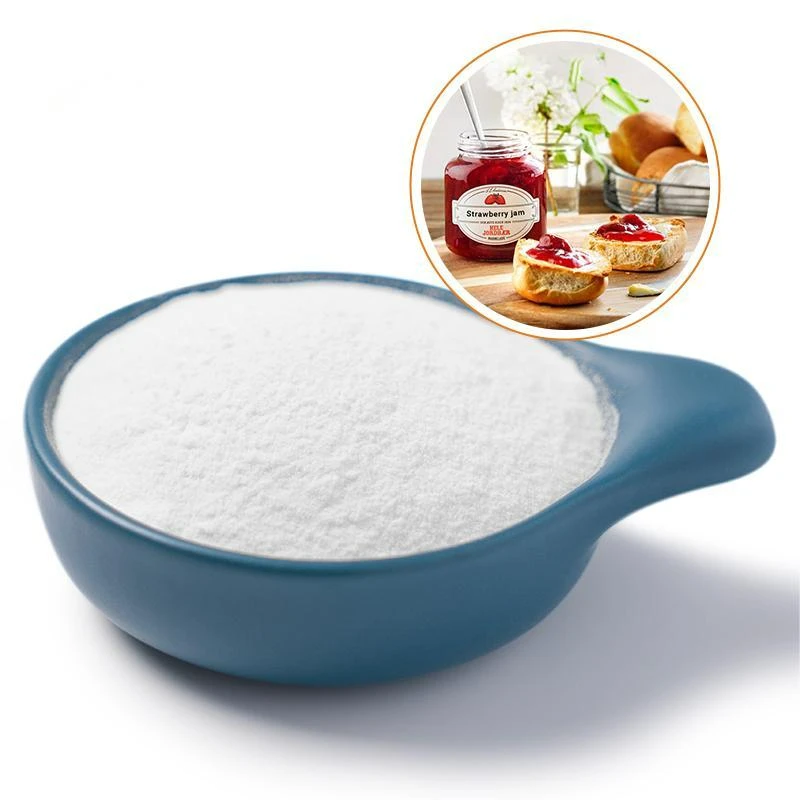
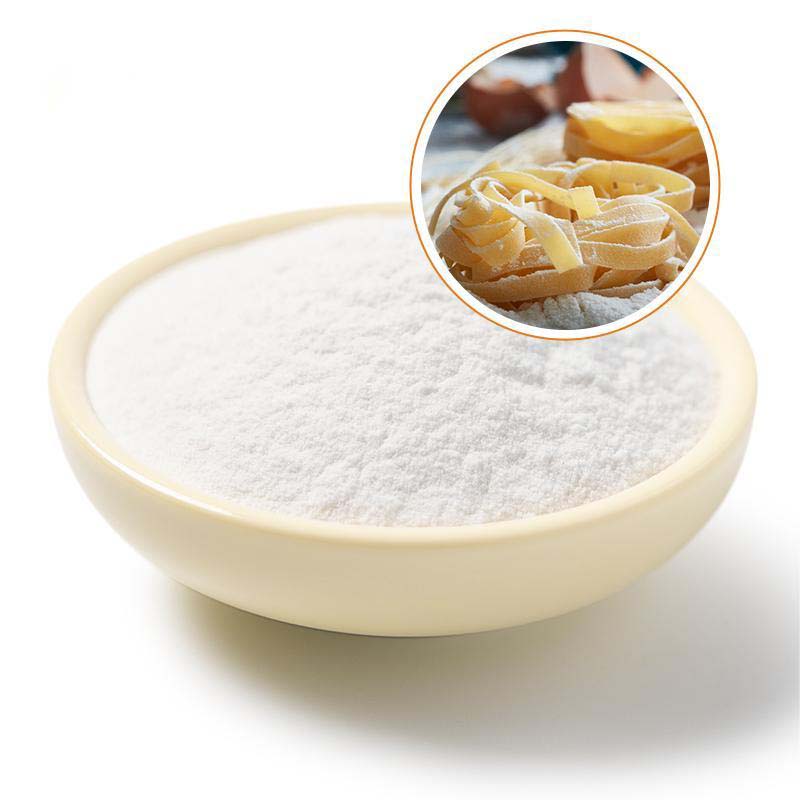
- Food Industry: As a thickener and stabilizer in gluten-free baking, dairy products, and dressings.
- Cosmetics and Personal Care: In creams, lotions, and hair gels, contributing to texture and moisture retention.
- Paints and Coatings: Improving consistency and application ease.
In disaster relief efforts across Southeast Asia, for example, HPMC-based mortars have enabled faster rebuilding with materials that hold up better in tropical rain. Meanwhile, European pharma companies rely on it for safer capsules that extend shelf life and reduce additives. It’s remarkable how one material threads through so many distinct efforts of human progress.
Advantages & Long-Term Value of Choosing Hydroxypropyl Methyl Cellulose
While many materials claim “multi-functionality,” HPMC’s value can be broken down:
- Economic: Its use improves batch consistency and reduces waste—both saving money.
- Environmental: Being plant-derived and non-toxic aligns with green manufacturing trends.
- Social: In relief operations or consumer safety, it builds trust and delivers dignity through quality.
- Performance: It solves stubborn problems—like mortar shrinks or tablet disintegration—with elegant chemistry.
Emotionally, there’s a subtle comfort in knowing that your medicine or home is built upon reliable, proven materials like HPMC, rather than something more volatile or synthetic. It’s innovation with peace of mind.
Looking Ahead: Innovations & Sustainability Trends
Several future-facing developments are exciting:
- Biodegradable composites: Combining HPMC with other bio-polymers to make fully eco-friendly construction boards.
- Nanotechnology: Enhancing HPMC’s barrier properties for advanced packaging or prolonged drug delivery.
- Digital automation: Real-time viscosity monitoring during mixing for precise control in manufacturing.
- Green sourcing: New techniques to derive cellulose more sustainably, reducing carbon footprints.
It feels like HPMC’s story is intertwined with the world’s shift toward smarter, cleaner production — a partnership rather than just an ingredient.
Challenges & Practical Solutions
No material is perfect. Hydroxypropyl methyl cellulose faces a few limitations:
- Cost Fluctuations: Prices can vary based on raw cellulose and chemicals used.
- Water Sensitivity: Though water-soluble, excessive moisture can affect performance in some applications.
- Processing Needs: Requires precise control over formulation to avoid clumping or uneven distribution.
However, many manufacturers invest heavily in quality controls and tailor-made formulations to counter these issues. Additionally, ongoing R&D is focused on creating modified grades with improved water resistance or cost profiles.
Field engineers repeatedly stress the importance of supplier collaboration and testing under local conditions — what works fine in a lab might behave completely differently in a tropical climate. So, keeping a finger on real user feedback is crucial in making the most of HPMC.
Product Specification Table
| Property | Typical Value | Unit |
|---|---|---|
| Methoxy Content | 19 – 24 | % w/w |
| Hydroxypropyl Content | 4 – 12 | % w/w |
| Viscosity (2% solution) | 50 – 4000 | mPa·s |
| pH (2% solution) | 5 – 8 | – |
| Moisture Content | ≤ 5 | % w/w |
Comparing Leading Suppliers of Hydroxypropyl Methyl Cellulose
| Supplier | Viscosity Range (mPa·s) | Primary Industries | Sustainability Certification | Global Reach |
|---|---|---|---|---|
| Supplier A | 50 – 3000 | Construction, Pharma | ISO 14001 | Asia, Europe |
| Supplier B | 100 – 4000 | Food, Cosmetics | FSC Certified | Americas, Europe |
| Supplier C | 200 – 3500 | Construction, Pharma, Food | ISO 9001 & Ecocert | Global |
FAQ: Your Questions About Hydroxypropyl Methyl Cellulose Answered
Q1: What makes hydroxypropyl methyl cellulose so widely used in construction?
A: Its ability to retain water and improve workability and adhesion in cementitious mixes reduces cracking and enhances final strength. This makes it invaluable in various climates and conditions, ultimately increasing durability and lowering long-term maintenance costs.
Q2: Is hydroxypropyl methyl cellulose safe to use in food and pharmaceuticals?
A: Absolutely. HPMC is recognized as safe by major agencies like the FDA and EFSA. It’s non-toxic, biocompatible, and widely used as a thickener, binder, and controlled-release agent in edible and topical products.
Q3: Can hydroxypropyl methyl cellulose formulations be customized for specific industrial needs?
A: Yes, manufacturers can tailor viscosity, gelation temperature, and substitution levels to match exact operational requirements like sprayability, spreadability, or dissolution rates.
Q4: How do companies manage supply chain challenges with hydroxypropyl methyl cellulose?
A: By partnering with reliable suppliers who offer quality certifications and maintain consistent batch testing. Also, local sourcing efforts in some regions help reduce lead time and costs.
Q5: What role does HPMC play in sustainable manufacturing?
A: Since it’s derived from renewable cellulose and is biodegradable, HPMC supports eco-friendly product formulation. It also reduces need for synthetic additives, aligning with sustainable goals across industries.
Wrapping Up: Why Keep an Eye on Hydroxypropyl Methyl Cellulose?
Hydroxypropyl methyl cellulose might not be the flashiest topic at a tech talk, but its impact quietly ripples through our everyday lives. From sturdy, safer homes in developing areas to trusted medicines on pharmacy shelves—it blends chemistry, nature, and innovation in a way that really counts. For professionals looking to optimize products or processes, understanding and leveraging HPMC’s versatility is a smart move.
If you’re curious to explore more about sourcing or technical details, I recommend visiting https://www.pezetech.com where you can dive deep into tailored solutions in this space. It’s a small step to learning about something that, in real terms, keeps a lot of industries moving forward.
References
-
What Is VAE Powder? Complete Guide to Redispersible Polymer Powder (RDP) for ConstructionNewsApr.21,2026
-
HPMC Manufacturers in ChinaNewsApr.21,2026
-
What Is Redispersible Polymer Powder (RDP)? Complete Guide to VAE RDP for Mortar ApplicationsNewsApr.21,2026
-
Top Guide to Selecting Professional vae emulsion manufacturersNewsApr.16,2026
-
Viscosity of HPMCNewsApr.15,2026
-
HPMC Powder UsesNewsApr.15,2026