Exploring Hydroxypropyl Methylcellulose Uses in Construction: Benefits and Applications
Understanding Hydroxypropyl Methylcellulose Uses in Construction: A Modern Essential
Hydroxypropyl methylcellulose, or HPMC for short, might sound like a mouthful but it's quietly revolutionizing construction worldwide. Its uses in construction impact everything from cement mortars to tile adhesives — improving durability, workability, and sustainability. As urbanization rushes ahead and climate challenges mount globally, knowing why HPMC matters is not just a niche chemical insight — it's practical knowledge with far-reaching benefits.
The Global Landscape: Why HPMC Is Gaining Momentum
Globally, the building and construction industry accounts for nearly 40% of energy consumption and CO₂ emissions (source: UN Environment Programme). With rising population densities and urgent sustainability mandates, materials that enhance performance with low environmental impact are in demand more than ever.
Hydroxypropyl methylcellulose’s contributions address several pressing challenges: reducing waste, improving material consistency in extreme climates, and enabling innovative applications. According to ISO standards on construction materials, additives like HPMC help improve bond strength, flexibility, and water retention — qualities that indirectly reduce repair costs and extend life cycles. It's no coincidence that hydroxypropyl methylcellulose uses in construction have surged in Asia-Pacific and Europe, where infrastructure investments and green building policies are intensifying.
What Exactly Is Hydroxypropyl Methylcellulose in Building?
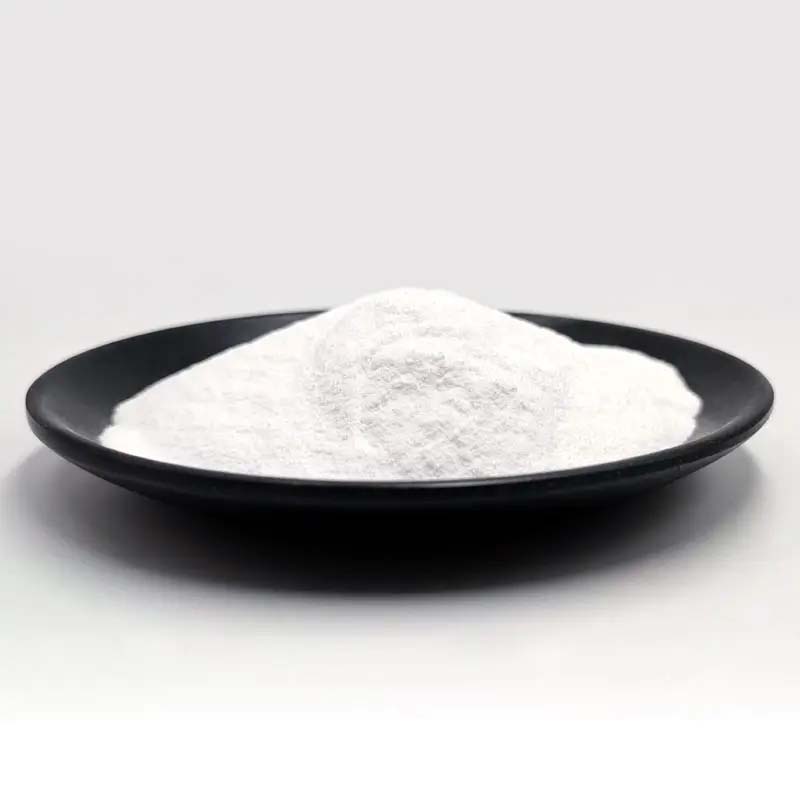
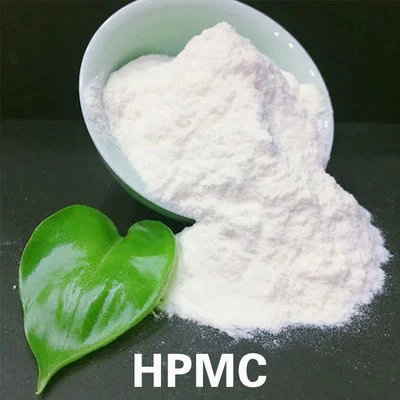
In everyday terms, HPMC is a type of cellulose ether derived from plant fibers, modified chemically to be soluble and reactive in water. Think of it as a multifunctional helper or "super additive" that you mix into cement, plaster, or adhesives to improve how they behave both wet and dry. For construction, that usually means better adhesion, resistance to cracking, and easier application.
Why does that matter? Well, modern construction needs to adapt quickly to new building methods—like prefabrication—and withstand weather extremes and handling variations. HPMC connects the dots between raw materials and modern construction demands by enhancing flexibility without sacrificing strength.
Key Attributes Shaping HPMC’s Role in Construction
1. Water Retention and Workability
One of HPMC’s magic tricks is keeping mixes moist longer, giving workers extra time to spread materials evenly. That's crucial for adhesives or plasters that dry too fast in hot climates, leading to cracks or weak bonds.
2. Durability Boost
By improving adhesion and reducing shrinkage, HPMC lends a hand in boosting the long-term wear resistance of finishes and structural components. This translates to fewer repairs and more resilient buildings.
3. Compatibility and Versatility
It works seamlessly with a wide range of cement and lime products, cement-based adhesives, and even gypsum plasters. That flexibility means it fits into many construction styles and materials.
4. Cost Efficiency
While it adds to upfront material costs slightly, overall savings come through less wastage, fewer failures, and quicker drying times — akin to paying a bit more for a reliable tool that saves headaches.
5. Environmental Impact
Being cellulose-based and non-toxic, it offers a more sustainable alternative to synthetic additives — a point increasingly valued by green construction certification schemes.
Where in the World Is HPMC Making the Biggest Impact?
From booming urban centers in India and China to temperate climates like Germany’s, hydroxypropyl methylcellulose is present in projects you might not even notice:
- In post-disaster reconstruction, quick-setting mortars with HPMC help rebuild homes fast without compromising quality.
- Prefabricated housing manufactures rely on HPMC to ensure panels adhere perfectly and resist warping during transport.
- Concrete repair in industrial ports and coastal infrastructure benefits from its water retention abilities against salt damage.
- Remote regions where labor skill varies can rely on more forgiving mixes that tolerate less-than-perfect mixing.
It’s not just about convenience — it’s often about safety and longevity in places where infrastructure investment is critical but budgets are squeezed.
Practical Benefits and Why It’s Worth the Investment
We often talk sustainability, but HPMC delivers on other fronts too:
- Reduced Maintenance: A plaster or tile adhesive mixed with HPMC cracks less, sticks better, and lasts longer.
- Labor Efficiency: Better workability translates to faster jobs and less rework.
- Health & Safety: Its non-toxic nature improves on-site safety, compared to chemical additives.
- Environmental Credibility: Its bio-origin component checks a box for eco-conscious constructions.
Particularly impressive is how it blends technical performance with practical, everyday site challenges. Workers often report HPMC-infused mixes "feel" more pliable, less temperamental—which on a hot day, frankly, makes all the difference.
Looking Ahead: Future Trends in HPMC Applications
The future’s quite bright. Innovations focus on bio-based blends and integration with digital mixing techniques that monitor curing and hydration live, improving quality assurance. Also, policies pushing net-zero emissions are accelerating the use of materials like HPMC that can boost the longevity of existing structures (thereby reducing waste).
Automation in construction, too, means additives like HPMC are fine-tuned for robotic application systems that require predictable flow and setting behaviors.
Addressing Current Challenges
That said, it’s not a silver bullet. Challenges linger in adapting HPMC formulations to different climates and local materials, requiring ongoing testing. The cost, while reasonable, still deters some smaller contractors who prioritize upfront savings over longevity. Education remains key — many new users under- or over-dose additives, diminishing benefits.
Useful solutions include localized product versions, hands-on training, and integration with digital monitoring to assure optimal usage.
Hydroxypropyl Methylcellulose Uses in Construction: FAQs
Q1: Is HPMC safe for indoor applications?
Absolutely. HPMC is non-toxic, odorless, and free from harmful chemicals, making it safe for interior plasters, adhesives, and finishing mortars without off-gassing or health hazards.
Q2: How does HPMC improve tile adhesive performance?
It enhances water retention, preventing premature drying and allowing better adhesive contact, resulting in stronger bonds and fewer tile failures, especially in warm environments.
Q3: Can HPMC be used with eco-friendly cements?
Yes, HPMC is compatible with alternative cements like geopolymer or lime-based products, aiding workability and adhesion without compromising the material’s ecological benefits.
Q4: Does incorporating HPMC significantly increase construction costs?
While it adds a marginal cost to raw materials, overall savings from improved durability and reduced repairs usually justify the investment.
Q5: How can small contractors integrate HPMC effectively?
Start with manufacturer guidelines, consider pre-blended products, and participate in training sessions to optimize dosage and techniques — ensuring maximum benefit with minimal waste.
Quick Look: Product Specifications for Typical HPMC Additive
| Specification | Typical Value | Unit |
|---|---|---|
| Viscosity (2% solution, 20°C) | 3000 | mPa·s |
| Methoxy content | 28–30 | % |
| Hydroxypropyl content | 7–12 | % |
| Bulk density | 200–300 | kg/m³ |
| pH (1% solution) | 6.5–8.0 | - |
Vendor Comparison: Leading HPMC Products for Construction Use
| Vendor | Viscosity Range (mPa·s) | Primary Application | Sustainability Certification | Average Price (per kg USD) |
|---|---|---|---|---|
| CelluBuild Ltd. | 2000–4000 | Tile adhesives, plasters | ISO 14001 Certified | $8.50 |
| GreenChem Co. | 1500–3500 | Cement mortars, repair compounds | Cradle to Cradle Certified | $9.10 |
| EcoCell Solutions | 3000–5000 | Prefabricated panels, gypsum plasters | LEED Compatible | $10.00 |
Final Thoughts
It’s fascinating how something as seemingly subtle as hydroxypropyl methylcellulose can have such outsized influence on the construction sector. From improving work conditions on-site to enabling greener construction techniques, its role is growing—and deservedly so. As innovators push the boundaries, and global demands scale up, keeping an eye on these kinds of additives pays off for engineers, builders, and clients alike.
For those keen to dive deeper or source reliable materials, visiting a specialist site like Pezetech’s resource page is a smart move.
References
-
What Is VAE Powder? Complete Guide to Redispersible Polymer Powder (RDP) for ConstructionNewsApr.21,2026
-
HPMC Manufacturers in ChinaNewsApr.21,2026
-
What Is Redispersible Polymer Powder (RDP)? Complete Guide to VAE RDP for Mortar ApplicationsNewsApr.21,2026
-
Top Guide to Selecting Professional vae emulsion manufacturersNewsApr.16,2026
-
Viscosity of HPMCNewsApr.15,2026
-
HPMC Powder UsesNewsApr.15,2026