Exploring Hydroxypropyl Methylcellulose Uses in Tablets: Benefits & Global Applications
Understanding Hydroxypropyl Methylcellulose Uses in Tablets: Why It Matters Globally
If you’ve ever popped a tablet — whether medicine or supplement — chances are it contains hydroxypropyl methylcellulose (HPMC). This seemingly technical ingredient quietly plays an essential role in our health, industry, and even sustainability efforts worldwide. Globally, pharma industries are growing faster than ever, exceeding $1.4 trillion USD in market size as per recent data, and materials like HPMC underpin much of this growth by improving tablet quality and efficacy.
But beyond just supporting standard tablet formation, understanding hydroxypropyl methylcellulose uses in tablets unveils a fascinating intersection of science, public health, and manufacturing efficiency. It’s a prime example of how a relatively simple compound can have outsized benefits — like enhancing drug release, ensuring tablet stability, and supporting eco-friendly packaging innovations. Knowing why and how this compound is used sheds light on broader challenges in healthcare delivery worldwide.
The Global Importance of Hydroxypropyl Methylcellulose Uses in Tablets
Globally, the demand for more efficient, safe, and sustainable medicinal tablets continues to soar. According to the World Bank, global pharmaceutical consumption is rising steadily, particularly in emerging markets suffering from poor healthcare access. This pushes manufacturers to optimize tablet composition to offer better bioavailability and shelf life.
Hydroxypropyl methylcellulose’s unique properties address critical challenges like this — helping not only to protect active ingredients but also to regulate drug release timing. Oddly enough, it also plays a role beyond pharmaceuticals, like in food and cosmetics, but its tablet uses remain the most impactful globally.
For instance, the rise in chronic diseases means more long-term medication use. Without excipients such as HPMC, uniform, reliable tablet manufacturing at scale would be tough. So it becomes clear why industries and regulators focus attention on this ingredient.
Addressing Industrial Challenges
- Ensuring uniform drug distribution within a tablet
- Improving tablet hardness without sacrificing disintegration
- Maintaining stability over long storage periods even in various climates
- Facilitating scalable, cost-efficient production
What Exactly Are Hydroxypropyl Methylcellulose Uses in Tablets?
Put simply, hydroxypropyl methylcellulose is a cellulose derivative used as a versatile excipient in tablets. Excipients are basically the “support crew” ingredients that don’t have medicinal effects themselves but are crucial to the performance and manufacturability of pharmaceuticals.
In tablet-making, HPMC acts mainly as a binder, film former, and controlled-release agent. It helps tablets stick together, controls how quickly they dissolve, and sometimes protects sensitive ingredients from moisture or light. Because it’s plant-derived and non-toxic, many consider it a “green” option compared to synthetic excipients.
Its role fits neatly in modern industry needs — balancing quality, safety, and environmental responsibility. Plus, because tablets are the easiest way to deliver medication at scale, efficient hydroxypropyl methylcellulose uses in tablets resonate worldwide.
Key Factors That Make Hydroxypropyl Methylcellulose an Ideal Excipient
1. Durability and Stability
Many engineers say the magic of HPMC lies in how it stabilizes tablets — resisting breakage in transit and extreme storage environments. This means less waste and more reliable dosing for patients.
2. Controlled-Release Capability
By adjusting HPMC concentration, manufacturers can fine-tune how quickly the tablet releases medicine into the body, benefiting both immediate relief and sustained treatments.
3. Scalability and Versatility
HPMC easily integrates into various production lines from small labs to giant industrial plants, supporting mass manufacturing and complex formulations alike.
4. Safety and Regulatory Acceptance
Accepted widely by pharmacopeia globally, it’s considered non-toxic and inert, which expedites regulatory approvals.
5. Sustainability
Deriving from cellulose makes HPMC a renewable resource, a huge plus as pharma moves towards greener supply chains.
Global Applications of Hydroxypropyl Methylcellulose Uses in Tablets
Hydroxypropyl methylcellulose finds use across various industries and regions, highlighting its versatility and global importance.
- Pharmaceutical Industry: Used worldwide to manufacture painkillers, antacids, vitamins, and even sophisticated controlled-release medications. Asian and European markets rely heavily on it.
- Generic Drug Manufacturers: Essential for replicating brand-name drug performance, especially in regions like India and Brazil that supply affordable medicines globally.
- Disaster Relief and Remote Medicine: Tablets must withstand harsh transport and storage conditions. HPMC makes these medicines reliable during crises.
- Food and Cosmetic Tablets: Occasionally, HPMC is used to stabilize chewables or cosmetic delivery tablets, linking health and wellness sectors.
For example, during the 2014 Ebola outbreak, having stable, reliable medication tablets was crucial in African nations experiencing challenging climates and logistics.
Advantages and Long-Term Value of Using Hydroxypropyl Methylcellulose
The practical advantages really stack up:
- Cost-Efficiency: Reduces production failures and wastage, saving money.
- Sustainability Impact: Promotes eco-friendly material use in pharma packaging and production.
- Improved Patient Safety: Controls dosage consistency, diminishing risks of under- or overdosing.
- Trust and Innovation: Offers a reliable base for ongoing drug development.
Emotionally, it’s reassuring to know such materials facilitate life-saving medicines worldwide, respecting both human health and planetary limits.
Looking Ahead: Future Trends in Hydroxypropyl Methylcellulose Uses
The pharma industry’s forward momentum includes innovations in hydroxypropyl methylcellulose uses in tablets around:
- Green chemistry approaches — lowering manufacturing footprints
- Advanced controlled-release formulations using nano-technology
- Digitally integrated tablet manufacturing with real-time quality controls
- Personalized medicine dosage forms adapting HPMC content for individual patients
Automation and AI monitoring are set to overhaul production consistency and speed, driven partly by excipients' adaptability — an ideal space for HPMC.
Challenges and Practical Solutions
Still, it’s not without hurdles. Some formulations may experience slower disintegration times, or sourcing high-purity cellulose can be tricky amid supply chain disruptions.
Expert manufacturers work around these by:
- Blending HPMC grades to optimize dissolution speeds
- Engaging multiple cellulose suppliers to future-proof availability
- Deploying enhanced quality tests focused on tablet hardness and moisture resistance
It feels like the field constantly learns and improves, maintaining HPMC’s place despite these few bumps.
Product Specification Table
| Specification | Details |
|---|---|
| Chemical Composition | Cellulose ether derivative |
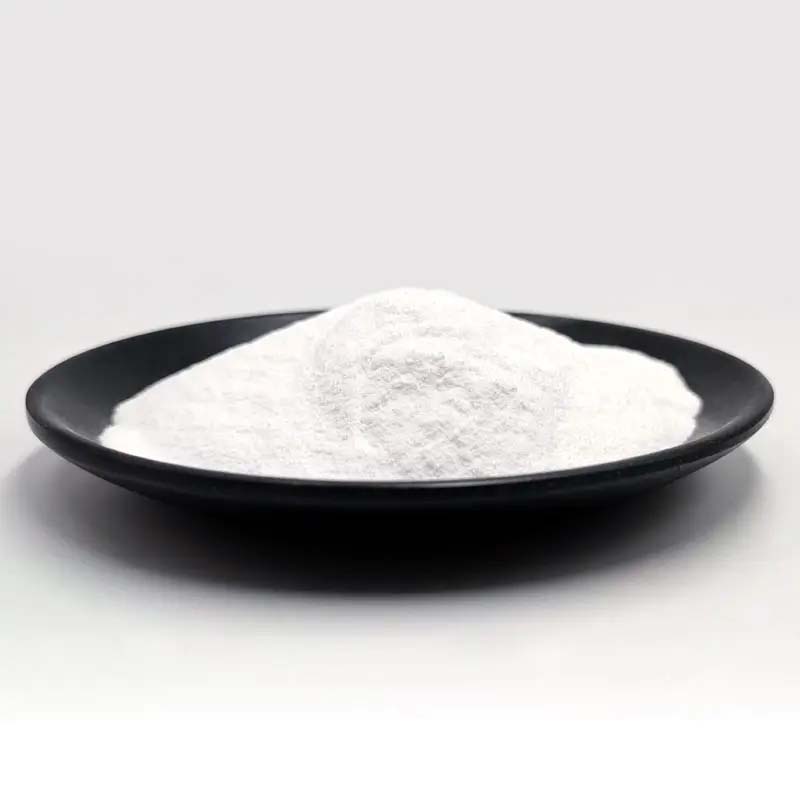
| Appearance | White to off-white powder |
| Viscosity Range | 100 - 4000 mPa·s (varies by grade) |
| Solubility | Soluble in cold water, insoluble in hot water |
| Typical Use Level | 5-15% (w/w) in tablet formulations |
| Regulatory Status | GRAS (Generally Recognized As Safe), USP/NF recognized |
Vendor Comparison Table
| Vendor | Grade Options | Price/kg (USD) | Supply Reliability | Additional Services |
|---|---|---|---|---|
| CelluPharm Inc. | Wide; 8+ viscosity grades | $40 - $55 | High; Global warehouses | Technical formulation support |
| PharmaBind Ltd. | Moderate; 5 viscosity grades | $35 - $50 | Medium; Regional base | Batch testing certification |
| CelluMat Solutions | Selective; custom grades available | $45 - $60 | Medium; good regional but limited global | R&D partnership focus |
FAQ: Frequently Asked Questions About Hydroxypropyl Methylcellulose Uses in Tablets
- Q: Why is hydroxypropyl methylcellulose preferred over other binders in tablets?
- A: HPMC is favored for its excellent film-forming, binding, and controlled-release properties while being non-toxic and plant-derived. This combination supports consistent tablet quality and safe patient use compared to synthetic binders.
- Q: Can hydroxypropyl methylcellulose improve the shelf life of tablets?
- A: Absolutely. Its moisture-retentive properties help tablets resist degradation caused by humidity, extending their effective shelf life, especially important in tropical or disaster-prone regions.
- Q: Is HPMC suitable for controlled-release medication formulations?
- A: Yes, manufacturers often adjust HPMC levels to tailor how quickly an active ingredient is released, enabling slow, sustained therapeutic effects which enhance patient compliance.
- Q: How do supply chain risks affect hydroxypropyl methylcellulose availability?
- Supply chains can occasionally disrupt cellulose sourcing due to environmental events or geopolitical issues. Leading suppliers mitigate this by diversifying sources and maintaining safety stocks to ensure steady supply.
- Q: Where can I learn more about sustainable uses of hydroxypropyl methylcellulose?
- You can explore industry whitepapers and tech briefs such as those available at pezetech.com, which cover modern sustainable excipient trends and applications.
Wrapping It Up: Why Hydroxypropyl Methylcellulose Still Matters
Hydroxypropyl methylcellulose uses in tablets stand at the intersection of health, technology, and sustainability. It’s not just about making pills — it’s about making medicines better, safer, and more accessible worldwide. When you think of the global pharma supply chain difficulties and patient needs, the role of trusted excipients like HPMC becomes even more apparent.
Curious to explore more on excipients and pharma innovations? Visit our website for detailed resources and expert insights: https://www.pezetech.com
References & Further Reading
-
What Is VAE Powder? Complete Guide to Redispersible Polymer Powder (RDP) for ConstructionNewsApr.21,2026
-
HPMC Manufacturers in ChinaNewsApr.21,2026
-
What Is Redispersible Polymer Powder (RDP)? Complete Guide to VAE RDP for Mortar ApplicationsNewsApr.21,2026
-
Top Guide to Selecting Professional vae emulsion manufacturersNewsApr.16,2026
-
Viscosity of HPMCNewsApr.15,2026
-
HPMC Powder UsesNewsApr.15,2026