HEC Chemical: Premium Hydroxyethyl Cellulose for Industry
Introduction to Hydroxyethyl Cellulose (HEC)
Hydroxyethyl Cellulose (HEC) is a non-ionic, water-soluble polymer derived from cellulose, widely utilized across numerous industrial sectors for its exceptional properties as a thickener, binder, film-former, and rheology modifier. This versatile hec chemical plays a critical role in enhancing product performance and formulation stability in applications ranging from construction materials to pharmaceuticals. Understanding its manufacturing process, technical specifications, and diverse applications is essential for B2B decision-makers and engineers seeking optimal material solutions.
The demand for high-performance hec chemical products is driven by stringent quality requirements and the continuous need for innovative solutions that offer improved efficiency, cost-effectiveness, and environmental sustainability. Pezetech is committed to delivering premium quality hydroxyethyl cellulose (HEC) formulations, engineered to meet the specific demands of our global clientele.
Manufacturing Process of Hydroxyethyl Cellulose (HEC)
The production of hec chemical, or hydroxyethyl cellulose, is a sophisticated chemical synthesis process that transforms natural cellulose into a highly functional polymer. The primary raw material is high-purity cellulose, typically sourced from wood pulp or cotton linters. The manufacturing process ensures precise control over the degree of substitution and molecular weight, which are critical for dictating the final product's performance characteristics.
Process Flow Overview:
- Alkali Cellulose Preparation: High-purity cellulose is treated with a strong alkali solution, typically sodium hydroxide (NaOH), to produce alkali cellulose. This step activates the cellulose, making its hydroxyl groups more reactive for subsequent etherification. The reaction occurs under controlled temperature and time to ensure uniform activation.
- Etherification: The activated alkali cellulose is then reacted with ethylene oxide (EO) in a specialized reactor. This etherification step introduces hydroxyethyl groups onto the cellulose backbone, converting it into hydroxyethyl cellulose. The reaction conditions, including temperature, pressure, and the ratio of reactants, are meticulously controlled to achieve the desired degree of substitution (DS) and molecular weight.
- Neutralization: After the etherification reaction, any residual alkali is neutralized, usually with an acid, to achieve a neutral pH. This step is crucial for product stability and compatibility in various end-use applications.
- Washing and Purification: The neutralized slurry undergoes extensive washing to remove reaction by-products and impurities, ensuring a high-purity hec chemical. This purification is vital for applications requiring high clarity and low ash content, such as in pharmaceuticals and personal care.
- Drying and Milling: The purified HEC is then dried to a specific moisture content and subsequently milled into a fine powder or granular form. Particle size distribution is carefully controlled to meet specific customer requirements for dissolution rate and ease of dispersion.
- Quality Control and Packaging: Throughout the process, stringent quality control measures are implemented, including viscosity testing, pH analysis, moisture content determination, and heavy metal screening, in accordance with ISO standards (e.g., ISO 9001 for quality management). The final product is packaged in moisture-proof container111s to ensure stability during storage and transport.
This meticulous process ensures that the resulting hydroxyethyl cellulose product exhibits consistent quality, high purity, and predictable performance, making it an indispensable component in target industries such as construction, paints & coatings, oil & gas, and personal care. The service life of HEC-enhanced products is significantly extended due to the polymer's stability and resistance to biodegradation under normal storage conditions.
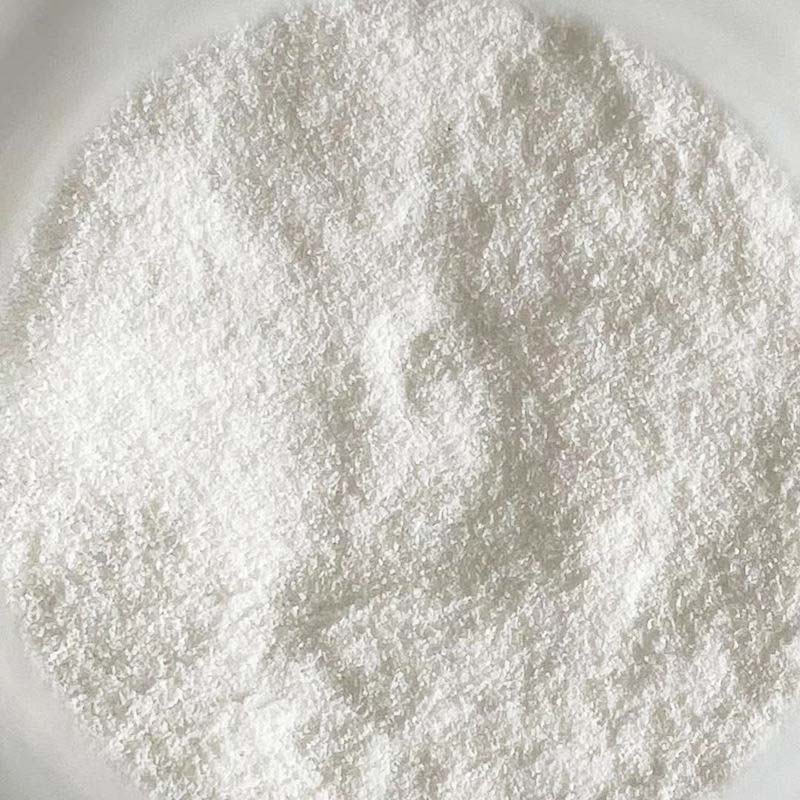
Figure 1: State-of-the-art facility for hec chemical production, ensuring consistent quality.
Industry Trends and Market Dynamics for HEC Chemicals
The global market for hec chemicals, including hydroxyethyl cellulose, is experiencing robust growth, driven by expansion in key end-use industries and increasing demand for sustainable and high-performance additives. According to recent market analyses, the global hydroxyethyl cellulose market is projected to reach significant valuation by 2028, growing at a Compound Annual Growth Rate (CAGR) of approximately 4-6%.
Key Trends Shaping the HEC Market:
- Growth in Construction Sector: Rapid urbanization and infrastructure development, particularly in emerging economies, are fueling demand for HEC in cement-based products, tile adhesives, and skim coats due to its superior water retention and rheology modification properties.
- Expanding Paints & Coatings Industry: The shift towards water-based, low-VOC (Volatile Organic Compound) paints requires efficient thickeners and stabilizers like HEC, contributing to environmental sustainability and regulatory compliance.
- Increasing Demand in Personal Care and Pharmaceuticals: HEC's biocompatibility, non-toxicity, and excellent thickening capabilities make it ideal for use in cosmetics, shampoos, lotions, and pharmaceutical formulations, including controlled-release drug delivery systems.
- Focus on Sustainability and Bio-based Materials: As a cellulose derivative, hec chemical aligns with the growing industry trend towards renewable and biodegradable materials, enhancing its appeal as an eco-friendly additive.
- Technological Advancements: Continuous R&D efforts are leading to the development of specialized HEC grades with enhanced properties such as improved salt tolerance, enzyme resistance, and tailored dissolution profiles, opening new application avenues.
These trends underscore the critical importance of a reliable supply of high-quality hydroxyethyl cellulose to support industrial growth and innovation. Manufacturers like Pezetech are at the forefront, developing advanced hec chemical solutions to meet these evolving market demands.
Technical Specifications of Hydroxyethyl Cellulose (HEC)
The performance of hec chemical products is defined by a precise set of technical specifications. These parameters are crucial for engineers and formulators to select the appropriate grade of hydroxyethyl cellulose for their specific applications, ensuring optimal product performance and consistency.
Key Specifications and Their Significance:
- Viscosity (mPa.s): Measured in a 2% aqueous solution at 25°C, this is the most critical parameter, directly impacting thickening efficiency. HEC is available in various viscosity grades, from low to high, to suit diverse rheological requirements.
- Degree of Substitution (DS): Represents the average number of hydroxyethyl groups per anhydroglucose unit. It influences solubility, solution clarity, and compatibility with other additives.
- pH Value: Typically measured in a 2% solution, the pH indicates the acidity or alkalinity of the product, crucial for formulation stability and compatibility, especially in sensitive applications like personal care.
- Moisture Content (%): Indicates the water content in the dry product. Lower moisture content typically suggests better stability and storage properties.
- Ash Content (%): Represents the inorganic residue after combustion. Lower ash content signifies higher purity, which is critical for demanding applications like pharmaceuticals.
- Particle Size Distribution: Affects the dissolution rate and dispersibility of the HEC powder. Finer particles dissolve faster but can be prone to clumping if not properly dispersed.
Typical Product Specification Table for Hydroxyethyl Cellulose (HEC):
| Parameter | Unit | Typical Range | Test Method |
|---|---|---|---|
| Viscosity (2% Solution, 25°C) | mPa.s | 100 - 150,000 | Brookfield RVT |
| Degree of Substitution (DS) | - | 1.8 - 2.5 | ASTM D3876 |
| pH (2% Solution) | - | 5.0 - 8.0 | ISO 976 |
| Moisture Content | % | ≤ 5.0 | Karl Fischer |
| Ash Content | % | ≤ 2.0 | ASTM D871 |
| Particle Size (through 80 mesh) | % | ≥ 98 | Sieve Analysis |
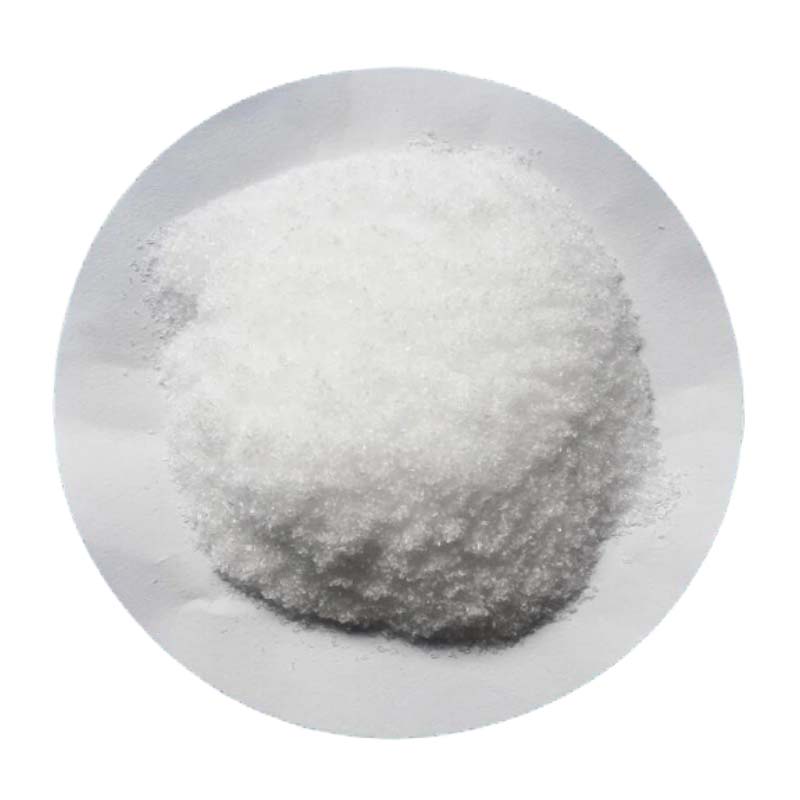
Figure 2: Advanced laboratory testing for ensuring the highest quality of hec chemical products.
Pezetech provides comprehensive technical data sheets for all our hec chemical grades, ensuring transparency and aiding in precise material selection. Our products adhere to international standards, including ISO and relevant industry-specific certifications, underscoring our commitment to authoritativeness and trustworthiness.
Application Scenarios and Technical Advantages of HEC
Hydroxyethyl cellulose (HEC) is an exceptionally versatile polymer, prized for its diverse functionalities across a multitude of industries. Its unique properties, such as excellent thickening, pseudoplasticity, water retention, and film-forming capabilities, provide significant technical advantages in various application scenarios.
Key Application Areas:
- Paints and Coatings: As a rheology modifier, hec chemical provides excellent thickening, sag resistance, and improved brushability for water-based paints. It contributes to spatter resistance, color stability, and gloss uniformity, ensuring a smooth, high-quality finish. Its non-ionic nature ensures compatibility with a broad range of pigments and binders.
- Construction Materials: In cement-based mortars, tile adhesives, skim coats, and renders, HEC significantly improves water retention, extending open time and enhancing workability. It increases bond strength and reduces cracking, leading to more durable and reliable construction outcomes. This is particularly advantageous for energy-saving green building materials, contributing to better insulation and reduced material waste.
- Oil and Gas Industry: HEC serves as a vital component in drilling fluids, fracturing fluids, and workover fluids. It acts as a highly efficient viscosifier and fluid loss control agent, stabilizing boreholes and enhancing the efficiency of oil recovery operations. Its pseudoplastic behavior allows for easy pumping and effective particle suspension.
- Personal Care and Cosmetics: In shampoos, conditioners, lotions, and creams, hec chemical name hydroxyethyl cellulose acts as a primary thickener and emulsion stabilizer, providing desired texture, feel, and spreadability. Its mild, non-irritating properties make it suitable for a wide range of personal care formulations.
- Pharmaceuticals: HEC is utilized as a binder in tablet formulations, a film-forming agent for coatings, and a viscosity modifier in ophthalmic solutions. Its inertness and biocompatibility are crucial for pharmaceutical applications, often complying with pharmacopeial standards like USP and EP.
- Textile Industry: Used as a sizing agent and thickener in printing pastes, HEC enhances color yield, print definition, and fabric handle.
Technical Advantages:
- Exceptional Thickening Efficiency: Provides significant viscosity at low concentrations, offering cost-effectiveness.
- Pseudoplasticity (Shear Thinning): Solutions exhibit reduced viscosity under shear stress (e.g., during pumping or application), and recover viscosity at rest, ensuring excellent workability and sag resistance.
- High Water Retention Capacity: Prevents premature drying in cementitious systems, optimizing hydration and improving material strength.
- Film-Forming Properties: Contributes to improved surface integrity, adhesion, and protective barriers.
- pH Stability: Maintains performance over a broad pH range, making it versatile for various formulations.
- Corrosion Resistance: In certain applications like coatings, HEC can contribute to the film's barrier properties, indirectly enhancing the corrosion resistance of the substrate.
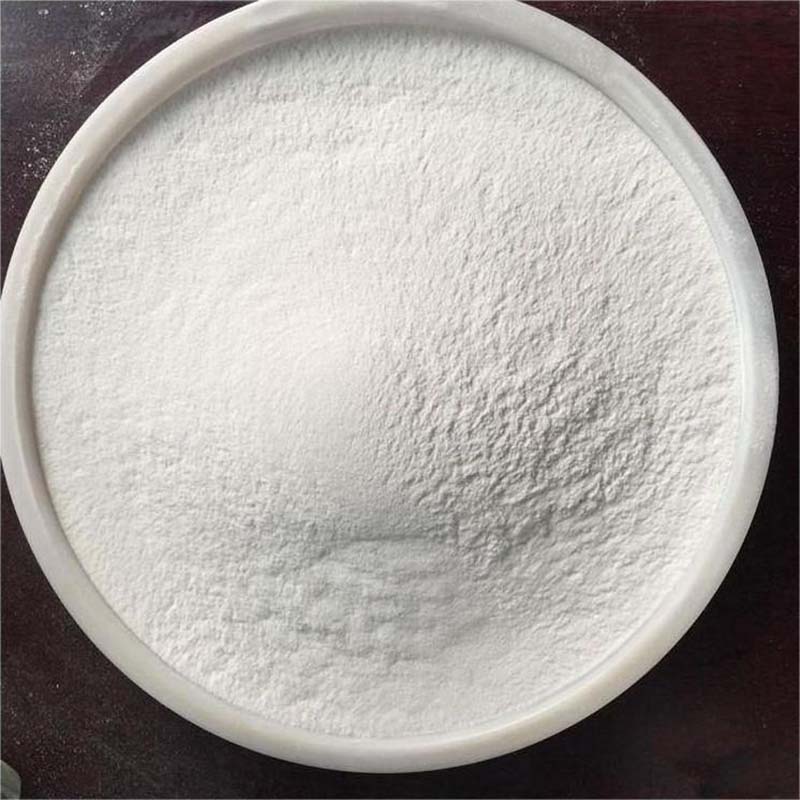
Figure 3: Hydroxyethyl cellulose (HEC) enhances the performance of water-based paints for superior application and finish.
These profound advantages make hec hydroxyethyl cellulose a preferred choice for formulators seeking to optimize product performance, extend service life, and meet rigorous industry standards.
Vendor Comparison and Customized Solutions
Selecting the right supplier for hydroxy cellulose products is paramount for ensuring consistent quality, technical support, and competitive advantage. While many vendors offer HEC, key differentiators set leading suppliers apart, particularly for B2B clients with specific industrial requirements.
Factors for Vendor Comparison:
- Product Consistency and Purity: A reputable vendor ensures batch-to-batch consistency in key parameters like viscosity, DS, and purity, which directly impacts end-product quality.
- Technical Expertise and Support: Access to experienced technical teams for formulation guidance, troubleshooting, and application-specific advice is invaluable.
- Certifications and Compliance: Adherence to international quality (ISO 9001) and environmental (ISO 14001) standards, as well as specific industry regulations (e.g., FDA, USP, EP for pharma/food contact applications), demonstrates commitment to quality and safety.
- Customization Capabilities: The ability to develop tailored hec chemical grades with specific viscosity ranges, dissolution profiles, or other properties for unique application demands.
- Supply Chain Reliability: A robust global supply chain ensures timely delivery and minimizes risks associated with logistics and sourcing.
Pezetech's Approach to Customized Solutions:
Pezetech stands out by offering not just standard hec chemical grades but also bespoke solutions tailored to precise client specifications. Our R&D team collaborates closely with customers to understand their unique challenges and develop HEC variants that optimize their formulations. This includes:
- Viscosity Profile Adjustment: Engineering HEC with specific low, medium, or high viscosity ranges to achieve desired rheological properties.
- Delayed Dissolution/Hydration: Surface-treated HEC grades that delay hydration, preventing clumping and allowing for better dispersion in dry mix applications.
- Enhanced Salt Tolerance: Developing HEC suitable for high-salt environments, crucial in certain industrial processes and oilfield applications.
- Improved Enzyme Resistance: Modifying HEC for applications where enzyme degradation is a concern, enhancing product longevity.
Our client-centric approach ensures that you receive not just a product, but a solution optimized for your specific operational and performance requirements, backed by years of service and extensive industry experience.
Application Case Studies of Hydroxyethyl Cellulose (HEC)
Real-world application case studies demonstrate the tangible benefits and superior performance of hec chemical in diverse industrial settings. These examples highlight how our hydroxyethyl cellulose solutions address critical formulation challenges and contribute to enhanced product quality and efficiency.
Case Study 1: Enhancing High-Performance Architectural Coatings
A leading paint manufacturer sought to improve the sag resistance, brushability, and overall finish of their premium interior latex paints. Traditional thickeners often led to poor leveling or excessive spatter. By incorporating a medium-high viscosity grade of Pezetech's hydroxyethyl cellulose (HEC-100k), the manufacturer achieved:
- Improved Rheology: Excellent pseudoplasticity allowed for smooth application with minimal effort, yet provided superior sag resistance on vertical surfaces, reducing application errors.
- Reduced Spatter: The enhanced film integrity during roller application significantly minimized paint spatter, leading to cleaner work environments and less material waste.
- Superior Leveling: Despite high viscosity at rest, the paint exhibited excellent leveling, resulting in a smooth, uniform finish free of brush marks.
This collaboration resulted in a new line of paints that not only met but exceeded stringent performance benchmarks, leading to increased market share and positive customer feedback.
Case Study 2: Optimizing Drilling Fluid Performance in Challenging Oilfields
An exploration company operating in a region with highly permeable geological formations faced challenges with significant fluid loss during drilling operations. This led to increased costs and operational inefficiencies. They adopted a specialized high-viscosity, fluid-loss-control grade of Pezetech's hec chemical (HEC-FLC) for their water-based drilling muds. The results were immediate and substantial:
- Reduced Fluid Loss: The HEC-FLC effectively formed a thin, impermeable filter cake, drastically reducing the invasion of drilling fluid into the formation by over 30%.
- Stable Rheology: Maintained consistent viscosity and gel strength over a broad temperature range, crucial for effective cuttings transport and wellbore stability.
- Enhanced Wellbore Integrity: The controlled fluid loss helped prevent formation damage and minimized shale hydration, leading to more stable wellbores and fewer operational delays.
The use of Pezetech's HEC resulted in significant cost savings due to reduced material consumption and fewer non-productive time incidents, proving the economic and technical value of high-quality hec chemicals.
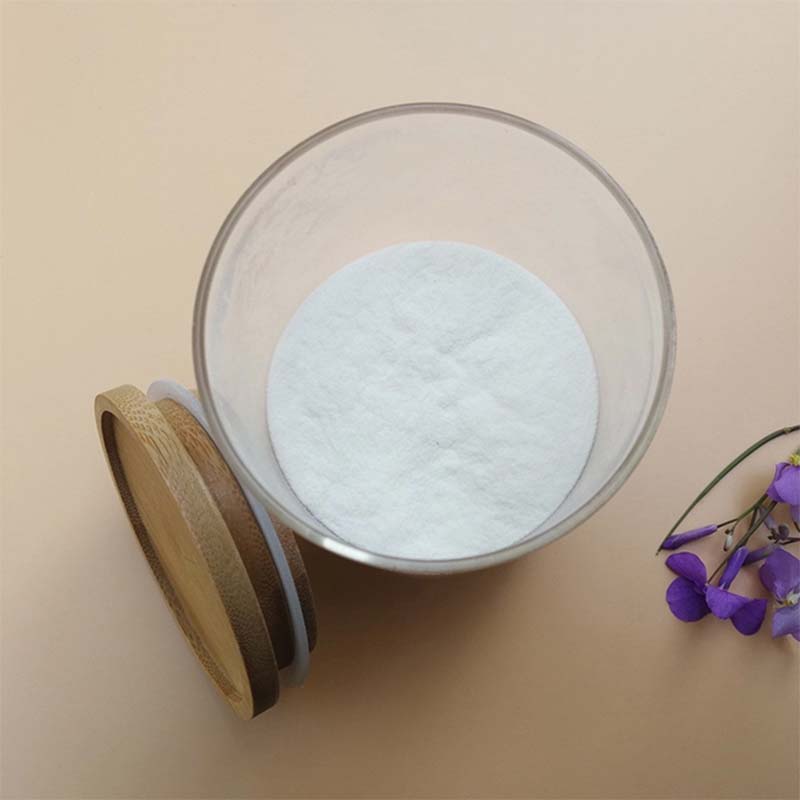
Figure 4: HEC significantly improves the workability and strength of cementitious products in construction.
Frequently Asked Questions (FAQ) about Hydroxyethyl Cellulose (HEC)
Q1: What is the primary function of hydroxyethyl cellulose?
A1: The primary function of hec chemical is to act as a thickening agent, rheology modifier, water retention agent, and protective colloid in various water-based systems. It is also used as a binder, dispersant, and film-former.
Q2: Is HEC compatible with other common additives?
A2: Yes, HEC is a non-ionic polymer, which means it is generally compatible with a wide range of other non-ionic, anionic, and cationic surfactants and polymers. However, compatibility should always be tested in specific formulations.
Q3: How should hydroxyethyl cellulose be stored?
A3: HEC should be stored in its original, unopened packaging in a cool, dry place, away from direct sunlight and moisture. Proper storage helps maintain its stability and extends its shelf life.
Q4: What is the recommended method for dispersing HEC?
A4: For optimal dispersion and to prevent clumping, HEC should be added slowly to constantly agitated water, allowing sufficient time for complete dissolution. Pre-slurrying in a non-solvent (e.g., glycol) or using a delayed hydration grade can also facilitate dispersion.
Lead Time, Warranty, and Customer Support
Pezetech is dedicated to providing not only high-quality hec chemical products but also a seamless and reliable service experience for our B2B partners.
Lead Time and Fulfillment:
We maintain robust inventory levels and a streamlined logistics network to ensure efficient order processing and timely delivery. Typical lead times for standard HEC grades range from 7 to 14 business days, depending on order volume and destination. For customized solutions, lead times will be jointly established based on production schedules and specific requirements. Our global distribution capabilities ensure reliable fulfillment across different regions.
Warranty Commitments:
All Pezetech hec chemical products come with a comprehensive quality warranty, guaranteeing adherence to the published technical specifications and purity standards outlined in our Certificates of Analysis (CoA). We ensure that our products are free from manufacturing defects and are fit for their intended purpose when used as directed. Our commitment is backed by rigorous internal quality control processes and compliance with ISO 9001:2015.
Customer Support and Technical Assistance:
Our dedicated customer support team and technical experts are available to provide unparalleled assistance throughout your engagement with Pezetech. We offer:
- Pre-Sales Consultation: Expert advice on selecting the optimal HEC grade for your specific application.
- Technical Service: In-depth support for formulation development, process optimization, and troubleshooting.
- After-Sales Support: Prompt resolution of any product-related inquiries or issues, ensuring your continued satisfaction.
Pezetech is your trusted partner for high-performance hec chemical solutions, built on a foundation of quality, reliability, and expert support.
References
- Smith, J. A. (2020). Cellulose Ethers: Chemistry and Applications. Polymer Science Press.
- European Patent Office. (2022). Advanced Manufacturing Techniques for Hydroxyethyl Cellulose.
- Market Research Future. (2023). Hydroxyethyl Cellulose Market Size, Share, Trends Analysis Report.
- International Organization for Standardization (ISO). (Current Year). ISO 9001: Quality Management Systems.
-
What Is VAE Powder? Complete Guide to Redispersible Polymer Powder (RDP) for ConstructionNewsApr.21,2026
-
HPMC Manufacturers in ChinaNewsApr.21,2026
-
What Is Redispersible Polymer Powder (RDP)? Complete Guide to VAE RDP for Mortar ApplicationsNewsApr.21,2026
-
Top Guide to Selecting Professional vae emulsion manufacturersNewsApr.16,2026
-
Viscosity of HPMCNewsApr.15,2026
-
HPMC Powder UsesNewsApr.15,2026