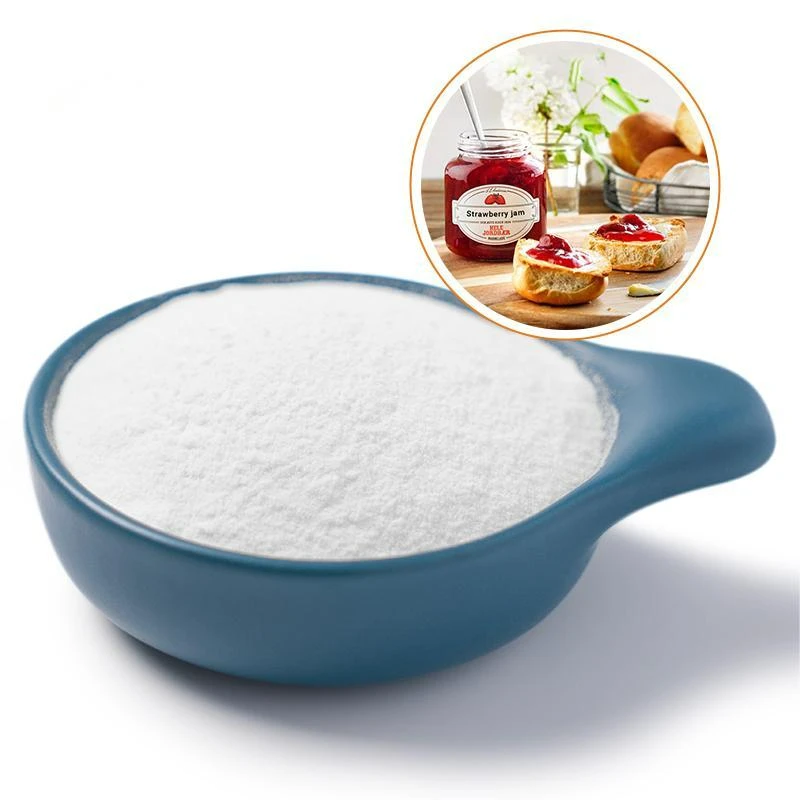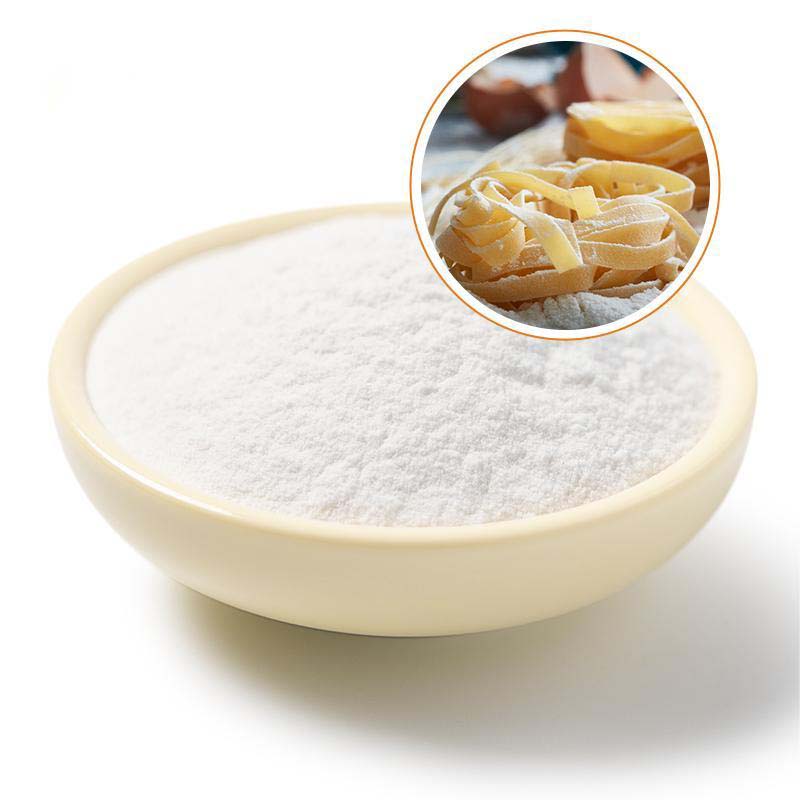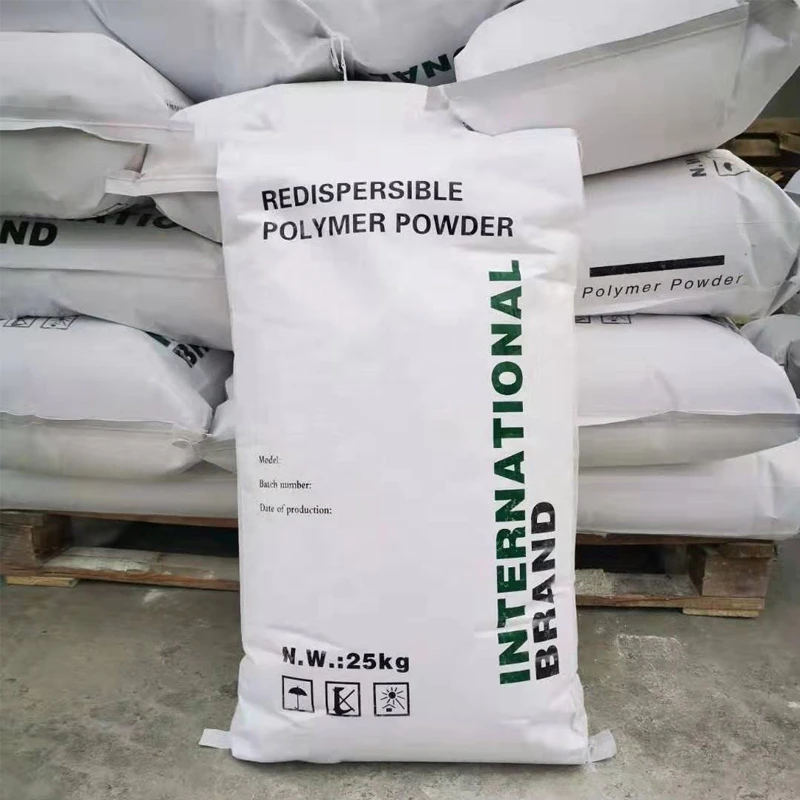
Poly Vinyl Alcohol CAS: Advanced Waterproof PVA for Exterior Use.
Introduction to Polyvinyl Alcohol (PVA) and its Market Dynamics
In the realm of advanced polymer chemistry, poly vinyl alcohol cas (PVA, CAS Number 9002-89-5) stands as a critical and versatile synthetic polymer, renowned for its exceptional film-forming, emulsifying, and adhesive properties. As a water-soluble polymer, PVA is a white or slightly yellowish powder characterized by its non-toxic, biodegradable, and biocompatible nature, making it indispensable across a multitude of industrial applications. This material's unique combination of high tensile strength, elasticity, and chemical resistance positions it as a preferred choice in demanding B2B sectors.
The global market for PVA is experiencing robust growth, driven by escalating demand in industries such as construction, textiles, paper, packaging, and biomedical. Emerging trends highlight a significant push towards sustainable and environmentally friendly materials, where PVA polymer, with its inherent biodegradability, offers a compelling solution. Innovations in specialized grades, including those designed for superior waterproofing characteristics like waterproof PVA and exterior waterproof PVA, are expanding its utility, particularly in construction and agricultural films. The consistent demand for high-quality PVA powder across these diverse applications underscores its foundational role in modern industrial processes.
Understanding the comprehensive technical aspects, manufacturing precision, and application versatility of polyvinyl alcohol cas number 9002-89-5 is paramount for B2B decision-makers and engineers seeking optimal material solutions for their specific operational requirements.
Detailed Manufacturing Process of Polyvinyl Alcohol (PVA)
The production of poly vinyl alcohol cas (PVA) is a sophisticated chemical engineering process primarily involving the hydrolysis of polyvinyl acetate (PVAc). This multi-stage process ensures the final product, typically PVA powder, meets stringent industrial specifications, including particle size distribution, degree of hydrolysis, and viscosity.
Process Flow Schematic:
- Vinyl Acetate Monomer (VAM) Production: The primary raw material for PVA synthesis is VAM. Modern methods typically involve the vapor-phase reaction of ethylene, acetic acid, and oxygen over a palladium-gold catalyst. This step requires precise control of temperature and pressure to achieve high purity VAM.
- Polymerization of VAM to Polyvinyl Acetate (PVAc): VAM undergoes polymerization, commonly via free-radical bulk, solution, or suspension polymerization, using initiators like peroxides or azo compounds. This yields polyvinyl acetate, a thermoplastic polymer. The polymerization parameters directly influence the molecular weight of the resulting PVAc, which in turn dictates the viscosity of the final PVA.
- Saponification/Hydrolysis of PVAc: This is the crucial step where PVAc is converted into PVA polymer. PVAc is reacted with an alkali catalyst (typically sodium hydroxide) in a methanol solvent. The acetate groups (-OCOCH3) are replaced by hydroxyl groups (-OH). The extent of this reaction determines the "degree of hydrolysis," a critical parameter influencing PVA's solubility, adhesive strength, and film properties. For example, a higher degree of hydrolysis (e.g., >98%) results in a more water-resistant film, while a lower degree (e.g., 87-89%) provides faster dissolution.
- Washing and Purification: The crude PVA obtained from saponification is then washed thoroughly to remove residual catalyst, unreacted methanol, and other impurities. This purification step is vital for ensuring the quality and stability of the final product.
- Drying and Grinding: The purified PVA slurry or solution is dried using methods such as spray drying, flash drying, or drum drying, yielding solid PVA. This solid material is then ground to a specific particle size distribution to produce the final PVA powder. Particle size influences dissolution rate and dispersibility.
- Quality Control and Packaging: Throughout the process, rigorous testing is conducted, adhering to international standards such as ISO 9001 for quality management. Key parameters like degree of hydrolysis, viscosity, ash content, and pH are meticulously checked. The final product is then packaged in moisture-proof bags for distribution.
Testing Standards: Manufacturing facilities producing poly vinyl alcohol cas adhere to strict quality control protocols, often compliant with ISO 9001, ISO 14001, and sometimes specific industry standards like ASTM D1349 (for general-purpose PVA) or even pharmacopoeial standards if intended for medical applications. This ensures consistent product quality, performance, and safety.
Target Industries and Advantages: PVA's service life is typically long and stable under proper storage conditions. Its utility spans petrochemicals (as an emulsifier or dispersant), metallurgy (binder for ceramic molds), water supply & drainage (flocculant or membrane material), construction (adhesives, mortar additives for enhanced workability and adhesion), and textiles (sizing agents). In these scenarios, PVA offers advantages such as energy saving through improved process efficiency, enhanced corrosion resistance in protective coatings, and superior binding capabilities.
Technical Specifications and Properties of Polyvinyl Alcohol (PVA)
The performance characteristics of PVA are largely dictated by its molecular weight and degree of hydrolysis. These parameters classify various grades of poly vinyl alcohol cas, enabling tailor-made solutions for specific industrial requirements. Understanding these technical specifications is crucial for optimal material selection and application.
Key Technical Parameters:
- Degree of Hydrolysis (Mol%): This refers to the percentage of acetate groups that have been converted to hydroxyl groups. Fully hydrolyzed PVA (e.g., 98-99+ mol%) exhibits higher tensile strength, water resistance (after drying), and chemical resistance, but dissolves in hot water. Partially hydrolyzed PVA (e.g., 87-89 mol%) dissolves readily in cold water and offers excellent adhesion.
- Viscosity (mPa·s): Measured typically in a 4% aqueous solution at 20°C, viscosity correlates directly with the molecular weight of the PVA polymer. Higher viscosity indicates higher molecular weight, leading to stronger films and improved binding properties. Common ranges for PVA powder vary from 3 to 60 mPa·s.
- Volatile Content (%): Indicates the moisture content. Lower volatile content ensures better storage stability and consistent performance.
- Ash Content (%): Represents residual inorganic impurities. Lower ash content is preferred for high-purity applications, such as in optics or pharmaceuticals.
- pH Value: The pH of a PVA solution, typically 4.5-6.5, is important for compatibility with other materials in a formulation.
- Particle Size: The distribution of PVA powder particles influences its dissolution rate and dispersibility. Finer powders dissolve faster but can be prone to dusting.
Typical Product Specification Table for Factory Price CAS 9002-89-5 Poly(vinyl alcohol) PVA powder:
| Property | Unit | Typical Value (Example Grade: PVA 20-99) | Test Method |
|---|---|---|---|
| CAS Number | - | 9002-89-5 | Internal Std. |
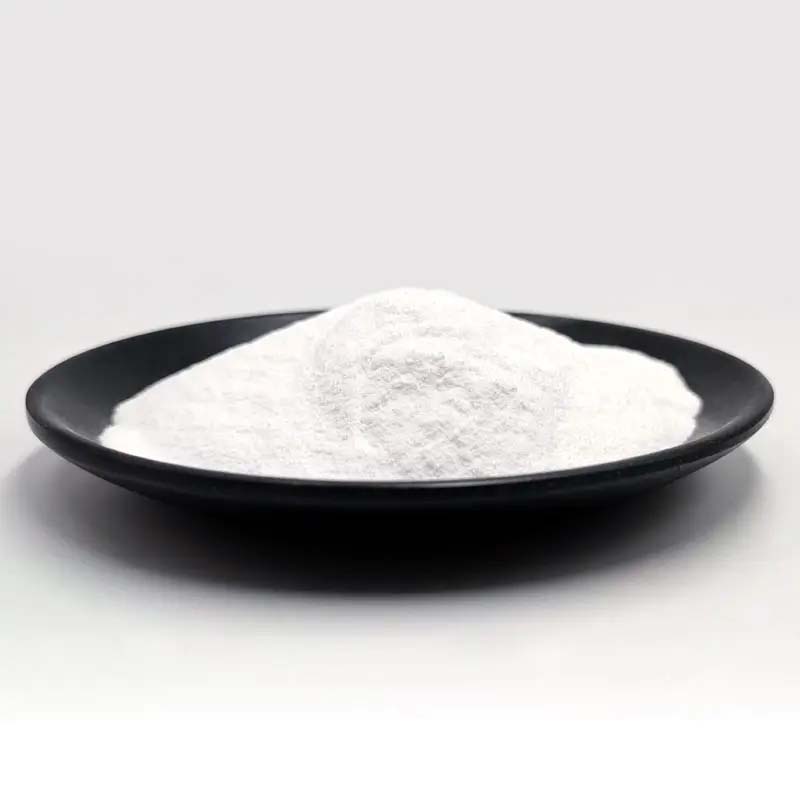
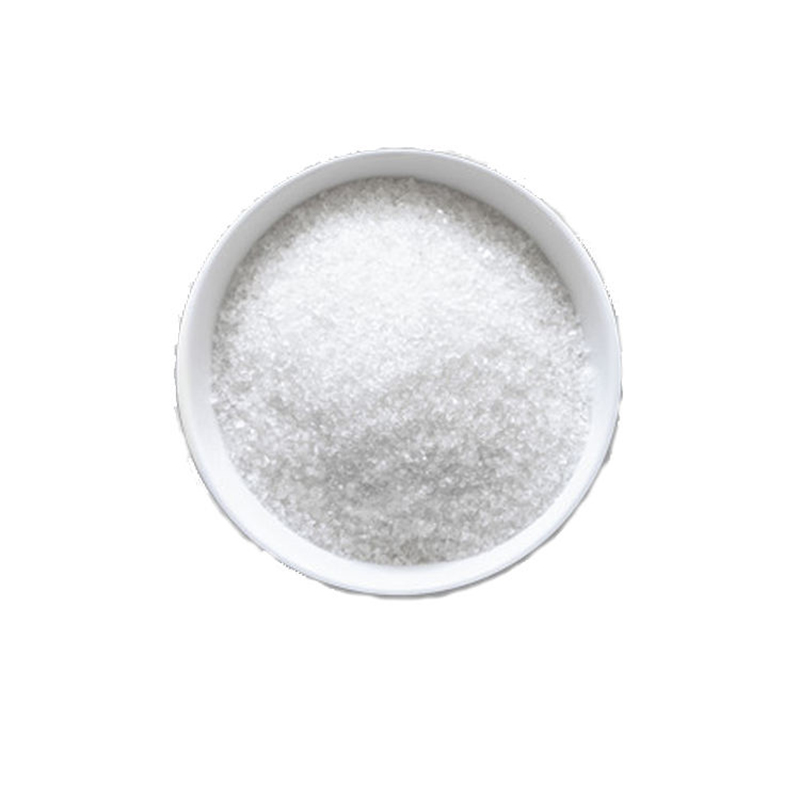
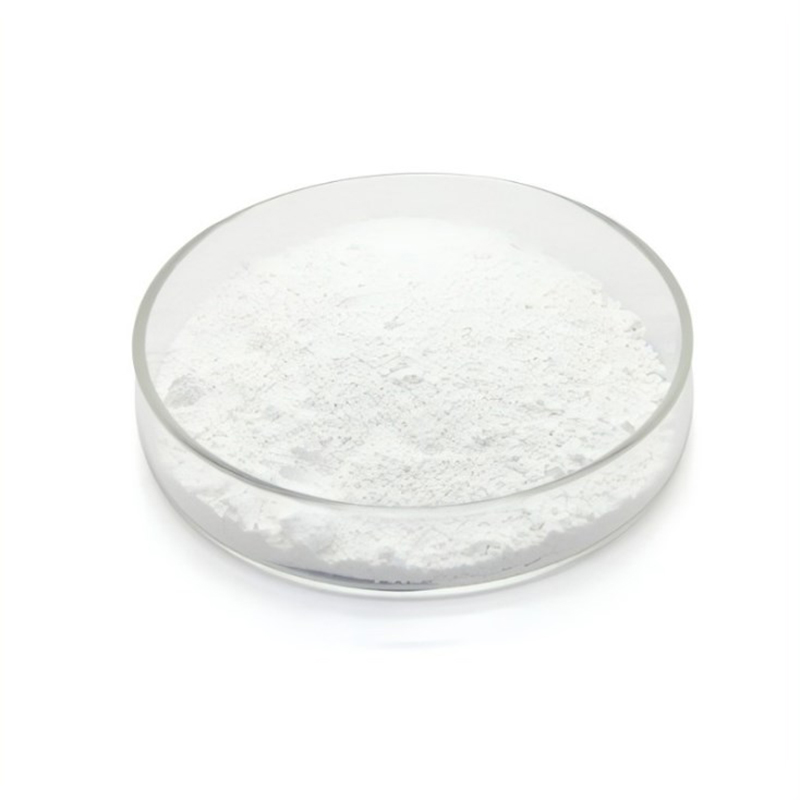
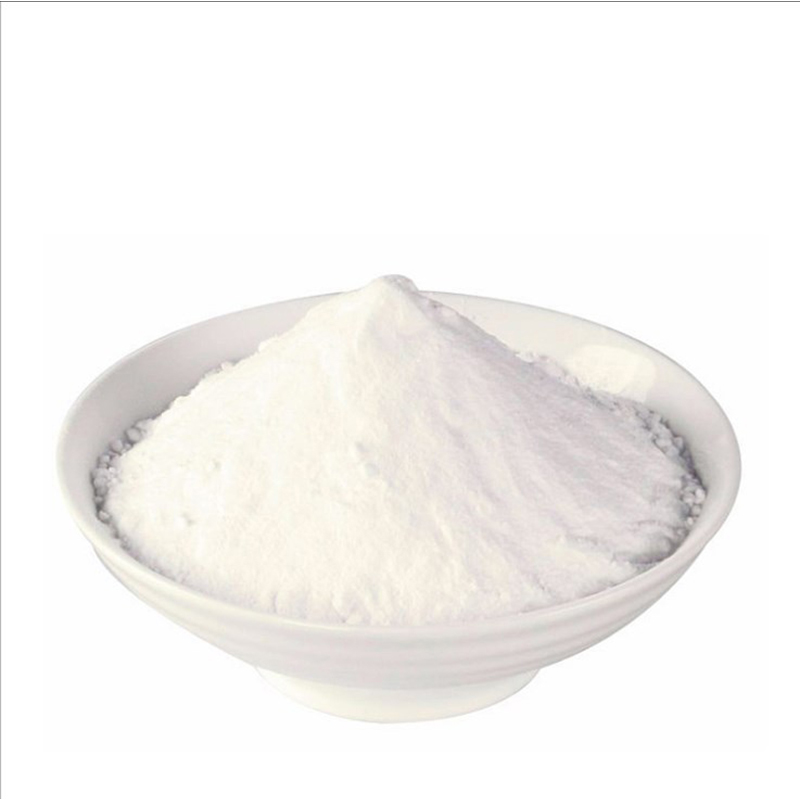
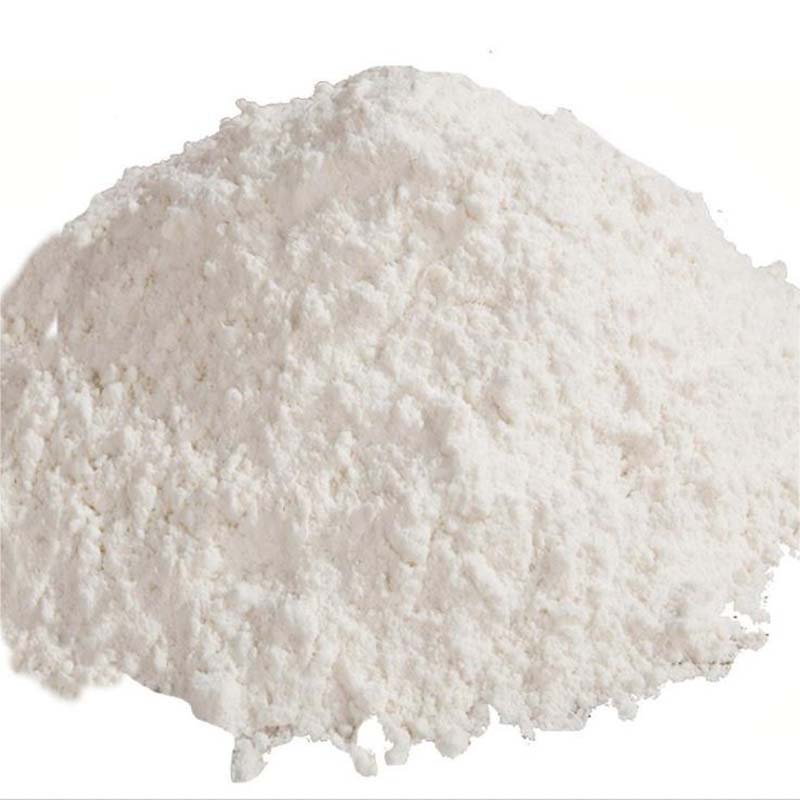
| Appearance | - | White or Light Yellowish Powder | Visual |
| Degree of Hydrolysis | mol% | 99.0 ± 0.5 | ISO 15023-1 |
| Viscosity (4% aq. solution, 20°C) | mPa·s | 18.0 - 22.0 | ISO 15023-2 |
| Volatile Content | % | ≤ 5.0 | ASTM D1349 |
| Ash Content | % | ≤ 0.5 | ISO 15023-3 |
| pH (4% aq. solution) | - | 4.5 - 6.5 | Electrode Method |
These detailed specifications allow for precise selection and application, ensuring that the chosen PVA polymer grade delivers optimal performance in its intended end-use. For instance, high hydrolysis grades are crucial for forming durable, water-resistant films, while lower hydrolysis grades are favored for quick-dissolving applications.
Key Application Scenarios of Polyvinyl Alcohol (PVA)
The versatility of poly vinyl alcohol cas (PVA) translates into an expansive array of application scenarios across various industrial sectors. Its unique combination of properties, including strong adhesion, excellent film formation, and biodegradability, makes it a preferred choice for enhancing product performance and process efficiency.
Typical Applications:
- Adhesives and Binders: PVA is a high-performance adhesive for paper, wood, textiles, and porous materials. Its strong binding capability makes it ideal for glues, plywood, and stationery. For instance, in the construction industry, PVA powder is often incorporated into cement mortars and concrete to improve adhesion, flexibility, and anti-cracking properties, contributing to enhanced service life of structures.
- Textile Sizing and Finishing: As a sizing agent, PVA provides strength and lubrication to warp yarns, reducing breakage during weaving. Its biodegradability also supports more sustainable textile production. In finishing, it enhances the hand feel and durability of fabrics.
- Paper Manufacturing: PVA improves the strength, surface smoothness, and printability of paper and paperboard. It also acts as a barrier coating, enhancing resistance to oil and grease, thereby extending the utility of paper products.
- Construction Chemicals: Specialized grades of exterior waterproof PVA are integral components in tile adhesives, grouts, self-leveling compounds, and exterior wall insulation systems. These grades impart superior water resistance, adhesion to various substrates, and flexibility, significantly improving the durability and performance of building materials, contributing to energy saving by enhancing insulation system integrity.
- Packaging Films: Water-soluble PVA films are used for unit-dose packaging of detergents, agrochemicals, and other soluble products, offering convenience and environmental benefits as the film dissolves upon contact with water, reducing plastic waste.
- Emulsifiers and Dispersants: In emulsion polymerization, PVA polymer acts as a protective colloid, stabilizing emulsions and influencing particle size, crucial for coatings, paints, and adhesives.
- Ceramics and Abrasives: As a temporary binder, PVA provides green strength to ceramic formulations, facilitating handling before sintering, and then burns off cleanly without leaving residues. This contributes to better product yield and quality.
- Medical and Pharmaceutical: Due to its biocompatibility, PVA is used in contact lenses, drug delivery systems, and surgical sponges.
The diverse application landscape demonstrates the critical role of polyvinyl alcohol cas number 9002-89-5 in facilitating advanced material solutions, offering properties such as improved corrosion resistance in protective coatings and enhanced durability in construction materials.
Technical Advantages and Performance Benchmarks of PVA
The selection of poly vinyl alcohol cas in industrial applications is underpinned by its compelling technical advantages, which often surpass those of alternative polymers. These advantages contribute significantly to product quality, operational efficiency, and environmental sustainability.
Core Technical Advantages:
- Exceptional Adhesion: PVA exhibits superior adhesive strength across a wide range of substrates, including cellulose, concrete, and synthetic fibers. This is particularly beneficial in construction for tile adhesives and in paper for enhanced bonding.
- Excellent Film-Forming Properties: PVA forms tough, clear, and highly flexible films with high tensile strength and elasticity. These films offer good barrier properties against oils, greases, and organic solvents. Specialty grades can be formulated as waterproof PVA for films that offer robust moisture resistance post-drying.
- Water Solubility and Biodegradability: A defining characteristic of PVA powder is its water solubility, allowing for easy processing and removal. Crucially, it is biodegradable under various environmental conditions, offering an eco-friendly alternative to non-biodegradable synthetic polymers, aligning with global sustainability goals.
- Chemical Resistance: PVA films and coatings demonstrate good resistance to various chemicals, oils, and greases, enhancing the durability and protective qualities of treated surfaces.
- Biocompatibility and Non-Toxicity: Its non-toxic nature and biocompatibility make it suitable for sensitive applications such as medical devices, food packaging, and cosmetics.
- Rheological Modifiers: As a rheological modifier, PVA polymer can improve the workability, consistency, and flow properties of aqueous solutions and suspensions, essential in applications like concrete admixtures and ceramic slurries.
Performance Benchmarks and Comparison:
When compared to other common water-soluble polymers such as starch, cellulose ethers (e.g., CMC, HPMC), or synthetic polyacrylates, PVA often exhibits a superior balance of properties:
| Property | PVA (Fully Hydrolyzed) | Hydroxypropyl Methylcellulose (HPMC) | Starch (Modified) |
|---|---|---|---|
| Film Strength | Excellent (High Tensile) | Good | Moderate |
| Adhesion | Superior | Good | Moderate |
| Water Resistance (post-drying) | High (for fully hydrolyzed) | Moderate to Good | Low |
| Oil/Grease Barrier | Excellent | Moderate | Low |
| Biodegradability | Good | Limited | Excellent |
| Cost-Effectiveness | High Value/Performance Ratio | Moderate to High | Low |
This comparison highlights why polyvinyl alcohol cas number 9002-89-5 is often the preferred choice when superior film strength, adhesion, and barrier properties are critical, especially in applications requiring a balance of performance and environmental responsibility.
Vendor Comparison and Customized Solutions for PVA
Selecting the right supplier for poly vinyl alcohol cas is a strategic decision for B2B enterprises. Beyond just price, factors such as product quality consistency, technical support, customization capabilities, and supply chain reliability are paramount.
Criteria for Vendor Evaluation:
- Product Portfolio and Grade Availability: A leading vendor offers a comprehensive range of PVA powder grades, differing in molecular weight and degree of hydrolysis (e.g., fully hydrolyzed waterproof PVA vs. partially hydrolyzed for quick dissolution). This ensures specific application needs, such as for exterior waterproof PVA in construction, can be met.
- Quality Certifications: Adherence to international standards like ISO 9001 (Quality Management System), ISO 14001 (Environmental Management System), and REACH compliance for global markets signifies a commitment to quality and responsible manufacturing.
- Technical Support and R&D Capabilities: A strong vendor provides expert technical assistance for product selection, application optimization, and troubleshooting. Robust R&D capabilities allow for the development of new PVA polymer grades and customized solutions.
- Supply Chain Reliability: Consistent supply, efficient logistics, and contingency planning are critical to ensure uninterrupted production for customers.
- Cost-Effectiveness and Value Proposition: While price is a factor, the overall value, including product performance, technical support, and reliability, defines true cost-effectiveness.
Customized Solutions:
Many industrial applications require poly vinyl alcohol cas with precise characteristics that may not be available off-the-shelf. Reputable manufacturers offer customized PVA polymer solutions by modifying key parameters:
- Tailored Degree of Hydrolysis: Adjusting the hydrolysis level can fine-tune water solubility, film strength, and adhesion properties to meet specific end-use requirements, such as for fast-dissolving films or highly water-resistant coatings.
- Controlled Molecular Weight/Viscosity: Customizing the molecular weight profile allows for precise control over solution viscosity, crucial for applications ranging from high-solids adhesives to low-viscosity sizing agents.
- Particle Size Optimization: For PVA powder, modifying particle size distribution can optimize dissolution rates, dispersibility, and handling characteristics for specific formulations.
- Modification with Additives: Integration of specific additives during the manufacturing process can enhance properties like flexibility, UV resistance, or thermal stability, creating highly specialized PVA grades.
Through these customized solutions and a rigorous vendor selection process, B2B clients can ensure they receive polyvinyl alcohol cas number 9002-89-5 products that are perfectly aligned with their technical and operational needs, maximizing performance and return on investment. Customer feedback consistently highlights the value of vendors who offer not just products, but also solutions, fostering long-term partnerships built on reliability and expertise.
Application Case Studies: Polyvinyl Alcohol in Action
Real-world applications demonstrate the tangible benefits and technical prowess of poly vinyl alcohol cas in various demanding industrial environments. These case studies highlight how tailored PVA polymer solutions drive innovation and solve critical manufacturing challenges.
Case Study 1: Enhanced Durability in Construction Mortars
A leading European construction chemical manufacturer faced challenges with cracking and insufficient adhesion in their exterior tile adhesives, particularly in regions with significant temperature fluctuations. After extensive R&D, they incorporated a specialized grade of PVA powder (fully hydrolyzed, medium viscosity, designed as exterior waterproof PVA) into their formulation. The addition of this polyvinyl alcohol cas number 9002-89-5 derivative significantly improved the mortar's flexibility, reducing crack formation by 30% and increasing adhesion strength by 25% on various substrates (concrete, masonry, old tiles). This led to a substantial improvement in the longevity and performance of their products, enhancing customer satisfaction and market share.
Case Study 2: Sustainable Textile Sizing for High-Speed Weaving
An Asian textile mill specializing in high-end cotton fabrics sought a sizing agent that could withstand high-speed weaving machines while being easily removable and environmentally friendly. Traditional starch-based sizes were insufficient in film strength, leading to yarn breakage, while synthetic alternatives posed effluent treatment challenges. By implementing a high-molecular-weight, partially hydrolyzed PVA as a primary sizing agent, the mill achieved a 15% reduction in yarn breakage rates during weaving, leading to increased production efficiency. Furthermore, the excellent water solubility of this PVA polymer grade facilitated easier desizing, reducing water consumption and chemical usage in the finishing process, thus aligning with their sustainability objectives.
Case Study 3: Innovative Water-Soluble Packaging for Agrochemicals
A global agrochemical company aimed to enhance user safety and environmental protection by developing unit-dose packaging for concentrated pesticides. They required a film that was robust enough to handle the chemicals, dissolve rapidly and completely in water without leaving residues, and be biodegradable. A custom-formulated poly vinyl alcohol cas film with specific thickness and dissolution characteristics was developed. This waterproof PVA film met all safety and environmental criteria, allowing farmers to handle pesticides without direct contact and ensuring accurate dosing. This innovation not only improved user safety but also significantly reduced plastic waste in the agricultural sector, showcasing PVA's potential in circular economy initiatives.
These case studies underscore the practical benefits of high-quality PVA and the importance of expert material selection and customization in achieving superior performance in diverse industrial applications.
Trust and Authority: Our Commitment to Excellence
Building trust and demonstrating authority are paramount in the B2B chemical supply chain. Our commitment to quality, reliability, and customer satisfaction is evidenced by our certifications, long-standing client relationships, and comprehensive support infrastructure for poly vinyl alcohol cas products.
Certifications and Quality Assurance:
We maintain stringent quality control processes, ensuring every batch of PVA powder meets the highest industry standards. Our manufacturing facilities are certified under ISO 9001:2015 for Quality Management Systems and ISO 14001:2015 for Environmental Management Systems. These certifications reflect our dedication to consistent product quality and environmentally responsible operations. Furthermore, our products adhere to relevant regional and international regulatory requirements, including REACH compliance for the European market, affirming the safety and legality of our polyvinyl alcohol cas number 9002-89-5.
Partner Clients and Years of Service:
With over two decades of experience in the polymer industry, we have established ourselves as a reliable supplier of PVA polymer to a diverse portfolio of global partners. Our client base includes industry leaders in construction, textiles, paper, and advanced materials, a testament to our consistent product quality and responsive service. We pride ourselves on fostering long-term relationships built on mutual trust and shared success.
Frequently Asked Questions (FAQ):
- Q: What is the primary difference between fully and partially hydrolyzed PVA?
- A: Fully hydrolyzed PVA (e.g., 98-99+ mol%) has better water resistance (once dried), higher tensile strength, and dissolves in hot water. Partially hydrolyzed PVA (e.g., 87-89 mol%) dissolves readily in cold water and offers superior adhesion and surface activity.
- Q: Can PVA be used for waterproof applications?
- A: Yes, certain fully hydrolyzed grades of PVA, when cross-linked or formulated with specific additives, can provide excellent water resistance, making them suitable for waterproof PVA and exterior waterproof PVA applications in coatings and construction.
- Q: What is the typical lead time for PVA powder orders?
- A: Standard lead time for common grades of poly vinyl alcohol cas is typically 10-14 business days from order confirmation, subject to quantity and destination. Expedited options are available upon request.
Lead Time and Fulfillment:
We operate a robust supply chain network to ensure timely and efficient delivery of our PVA products globally. Our order fulfillment process is streamlined, from initial inquiry to final delivery, with transparent communication at every stage. We offer various shipping options to meet urgent demands and standard logistical requirements.
Warranty and Customer Support:
All our poly vinyl alcohol cas products come with a standard quality guarantee, ensuring they meet the specified technical parameters as per our datasheets. Our dedicated customer support team and technical specialists are available to assist with any product-related inquiries, application guidance, or post-sales support, reinforcing our commitment to customer success. We provide comprehensive after-sales support, including batch-specific Certificates of Analysis and technical data sheets, to ensure complete transparency and trust.
Conclusion and References
Poly vinyl alcohol cas (CAS 9002-89-5) continues to be a cornerstone polymer in various industrial applications, offering an unparalleled blend of functional properties, environmental responsibility, and cost-effectiveness. From enhancing the performance of construction materials with exterior waterproof PVA to enabling sustainable solutions in packaging and textiles, its versatility is unmatched. As industries evolve towards more sustainable and high-performance materials, the demand for specialized PVA polymer grades will undoubtedly continue to grow, driven by ongoing innovation and a commitment to quality.
For B2B decision-makers, understanding the nuanced technical specifications, manufacturing precision, and diverse application potential of polyvinyl alcohol cas number 9002-89-5 is critical for optimizing product development and operational efficiencies. Partnering with a knowledgeable and reliable supplier ensures access to high-quality PVA powder and expert guidance, leading to superior outcomes for complex industrial challenges.
Authoritative References:
- Morita, M. (2012). Poly(vinyl alcohol) and its derivatives. In K. B. Lee, Polymer Science: A Comprehensive Reference (Vol. 7, pp. 19-38). Elsevier.
- Finch, C. A. (1992). Polyvinyl Alcohol: Developments. John Wiley & Sons.
- ISO 15023-1:2018. Plastics – Poly(vinyl alcohol) (PVA) moulding and extrusion materials – Part 1: Designation system and basis for specifications. International Organization for Standardization.
- Chiellini, E., & Chiellini, F. (2007). Bioplastics and sustainable solutions for waste management. Journal of Polymers and the Environment, 15(3), 135-141.
-
What Is VAE Powder? Complete Guide to Redispersible Polymer Powder (RDP) for ConstructionNewsApr.21,2026
-
HPMC Manufacturers in ChinaNewsApr.21,2026
-
What Is Redispersible Polymer Powder (RDP)? Complete Guide to VAE RDP for Mortar ApplicationsNewsApr.21,2026
-
Top Guide to Selecting Professional vae emulsion manufacturersNewsApr.16,2026
-
Viscosity of HPMCNewsApr.15,2026
-
HPMC Powder UsesNewsApr.15,2026