High-Purity Hydroxypropyl Starch Ether (9049 76 7) | Thickener & Stabilizer
Introduction to Hydroxypropyl Starch Ether (CAS 9049-76-7)
In the dynamic landscape of industrial additives, 9049 76 7, commonly known as Hydroxypropyl Starch Ether, stands as a versatile and indispensable ingredient across numerous sectors. This modified starch derivative is engineered to enhance the functional properties of various formulations, serving as a thickener, stabilizer, emulsifier, and binder. Its unique molecular structure, achieved through targeted chemical modification of natural starch, imparts superior performance characteristics such as improved rheology, thermal stability, and freeze-thaw resistance. Predominantly utilized in the food, cosmetic, and daily chemical industries, this compound offers a broad spectrum of benefits, contributing to enhanced product texture, consistency, shelf-life, and overall user experience.
The strategic application of 9049 76 7 allows manufacturers to precisely control product attributes, from viscosity and mouthfeel in food products to emulsion stability and sensory elegance in cosmetics. Its non-toxic, biodegradable nature further accentuates its appeal, aligning with contemporary demands for sustainable and safe ingredients. Understanding its technical specifications and diverse application potential is crucial for B2B decision-makers seeking optimized product formulations and competitive market advantages.
Industry Trends & Market Dynamics for Hydroxypropyl Starch Ether
The global market for starch ethers, including hydroxypropyl starch ether, is experiencing robust growth, driven by several key industry trends. A primary driver is the increasing consumer demand for clean-label and natural ingredients, which, while not a direct "natural" ingredient, is derived from natural starch, positioning it favorably as a functional enhancer. The expansion of processed food markets, particularly in emerging economies, necessitates effective texturizers and stabilizers to ensure product quality and shelf-life. Furthermore, the burgeoning personal care and cosmetics sectors are continuously innovating, seeking advanced rheology modifiers and emulsifiers that provide superior aesthetics and performance.
Regulatory scrutiny concerning synthetic additives is also prompting manufacturers to explore starch-based alternatives. The market is witnessing a shift towards customized solutions, with suppliers developing specialized grades of sodium hydroxypropyl starch phosphate and other starch ethers tailored for specific applications, such as high-temperature processing or low-pH environments. Sustainable sourcing and production practices are becoming increasingly important, influencing procurement decisions and driving innovation in manufacturing processes. This evolving landscape underscores the strategic importance of high-quality hydroxypropyl starch ether suppliers who can provide consistent quality, technical support, and innovative solutions.
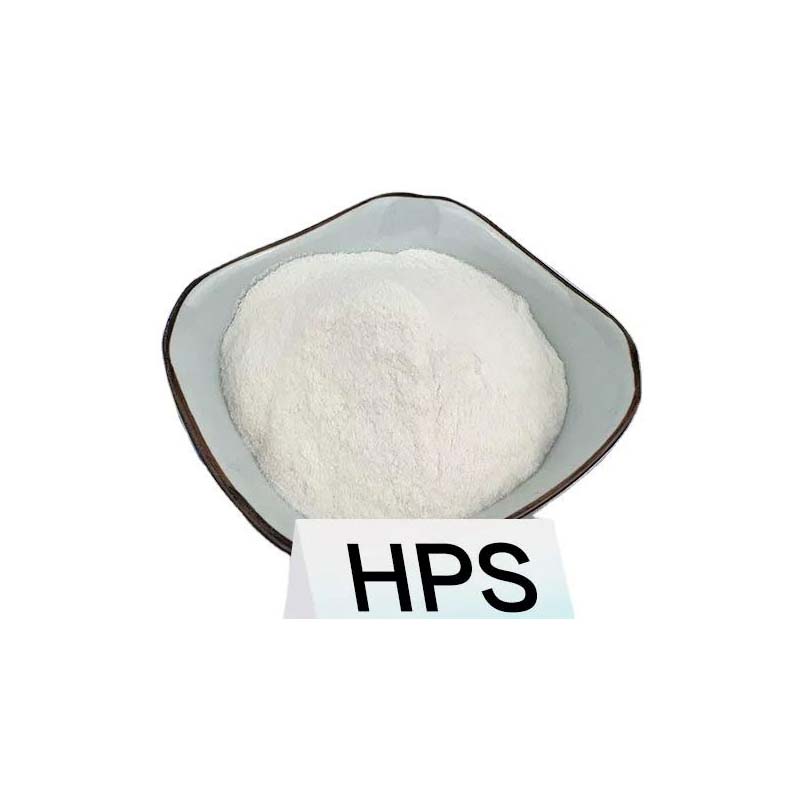
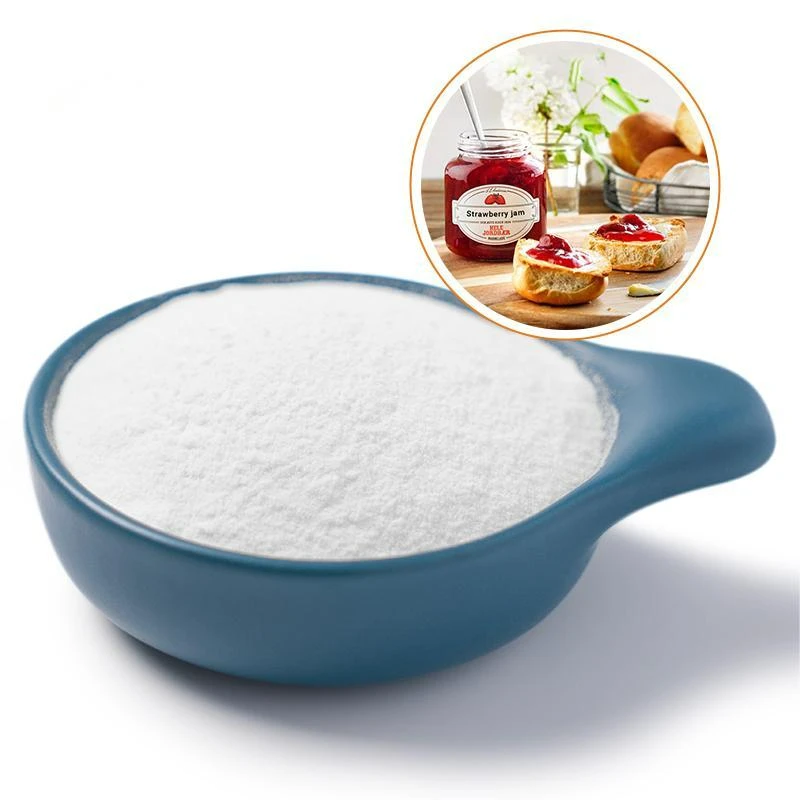
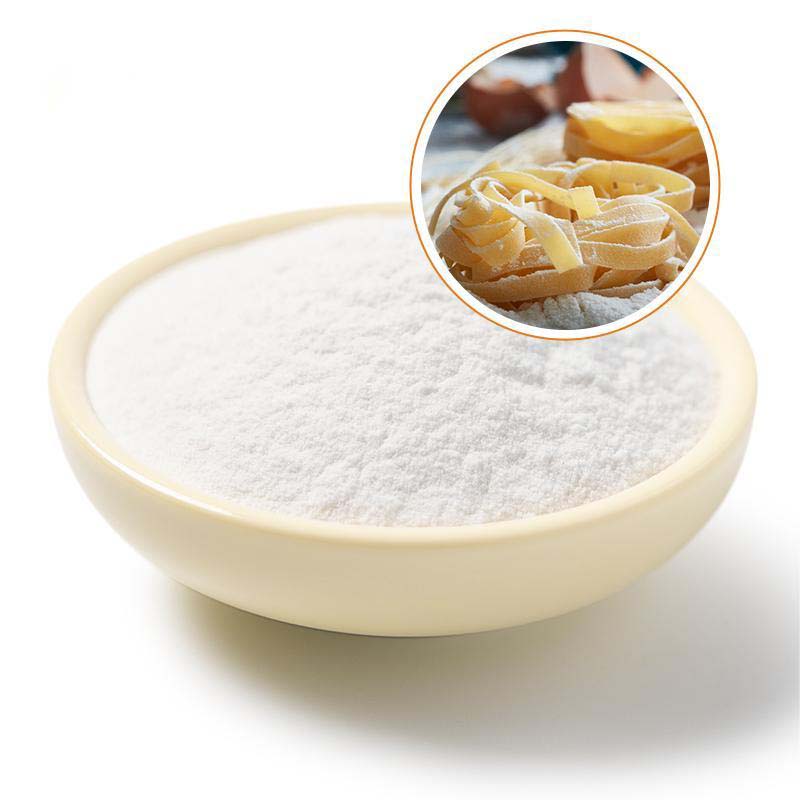
Visual representation of industrial application potential of Hydroxypropyl Starch Ether.
Manufacturing Process of CAS 9049-76-7 (Hydroxypropyl Starch Ether)
The production of hydroxypropyl starch ether (CAS 9049-76-7) is a sophisticated chemical modification process that transforms native starch into a highly functional derivative. The raw material typically consists of natural starches derived from sources such as corn, potato, tapioca, or waxy maize. The process involves several critical steps to ensure a high-quality, consistent end product.
Process Flow:
- Starch Slurry Preparation: Native starch is suspended in water to form a slurry. This mixture is then alkalized with a base, typically sodium hydroxide, to swell the starch granules and make them more reactive.
- Derivatization (Etherification): The alkalized starch slurry is reacted with a propylene oxide derivative (the etherifying agent). This reaction introduces hydroxypropyl groups onto the anhydroglucose units of the starch molecule, forming the hydroxypropyl ether linkages. The degree of substitution (DS) is a critical parameter controlled during this stage, influencing the final product's properties.
- Neutralization & Purification: After the reaction, the slurry is neutralized with an acid (e.g., hydrochloric acid) to a desired pH. The modified starch is then typically washed multiple times with water to remove unreacted reagents, salts, and by-products. This purification step is crucial for achieving food-grade or cosmetic-grade quality.
- Dewatering & Drying: The purified starch is dewatered using filtration or centrifugation, followed by drying. Common drying methods include flash drying, spray drying, or vacuum drying, selected to prevent starch gelatinization and ensure a free-flowing powder.
- Milling & Sieving: The dried product is milled to a fine powder and sieved to achieve a uniform particle size distribution, which is important for consistent performance in various applications.
- Quality Control & Packaging: The final product undergoes rigorous testing for purity, viscosity, pH, moisture content, heavy metals, and microbiological parameters to meet stringent industry standards such as ISO 22000, HACCP, and specific national food safety regulations. It is then packaged for distribution.
This controlled manufacturing process ensures the production of a highly stable and functional hydroxypropyl starch ether with a service life extending beyond typical shelf-life requirements when stored under appropriate conditions. The target industries benefit from its advantages in improving product stability, texture, and processability.
Technical Specifications & Parameters of Hydroxypropyl Starch Ether
The performance of cas 9049 76 7 is directly attributable to its precise technical specifications. These parameters are crucial for ensuring the material's suitability for specific applications and its compliance with regulatory requirements. Key characteristics include the degree of substitution (DS), viscosity, pH, moisture content, and purity. Below is a typical product specification table for a high-quality hydroxypropyl starch ether intended for food and cosmetic use.
| Parameter | Unit | Specification Range | Testing Method / Standard |
|---|---|---|---|
| Appearance | - | White to off-white powder | Visual |
| Hydroxypropyl Content (DS) | % | 4.0 - 12.0 | ISO 11210 (Modified) |
| Moisture Content | % | ≤ 10.0 | Loss on Drying (105°C, 3 hrs) |
| pH (1% solution) | - | 5.0 - 7.5 | Electrometric (ASTM E70) |
| Viscosity (2% solution, 25°C) | mPa·s | 500 - 3000 (Brookfield RVT, Spindle 4, 20 rpm) | USP / BP Viscosity Test |
| Total Plate Count | cfu/g | ≤ 1000 | AOAC 990.12 |
| Heavy Metals (as Pb) | mg/kg | ≤ 2 | ICP-MS (FDA 21 CFR) |
The degree of substitution (DS) directly correlates with the functional properties, such as water solubility, thickening efficiency, and thermal stability. A higher DS generally implies increased hydrophilicity and greater functional impact. Manufacturers and formulators must collaborate with hydroxypropyl starch ether suppliers to define specific requirements, ensuring the chosen grade aligns perfectly with their end-product performance goals and regulatory compliance.
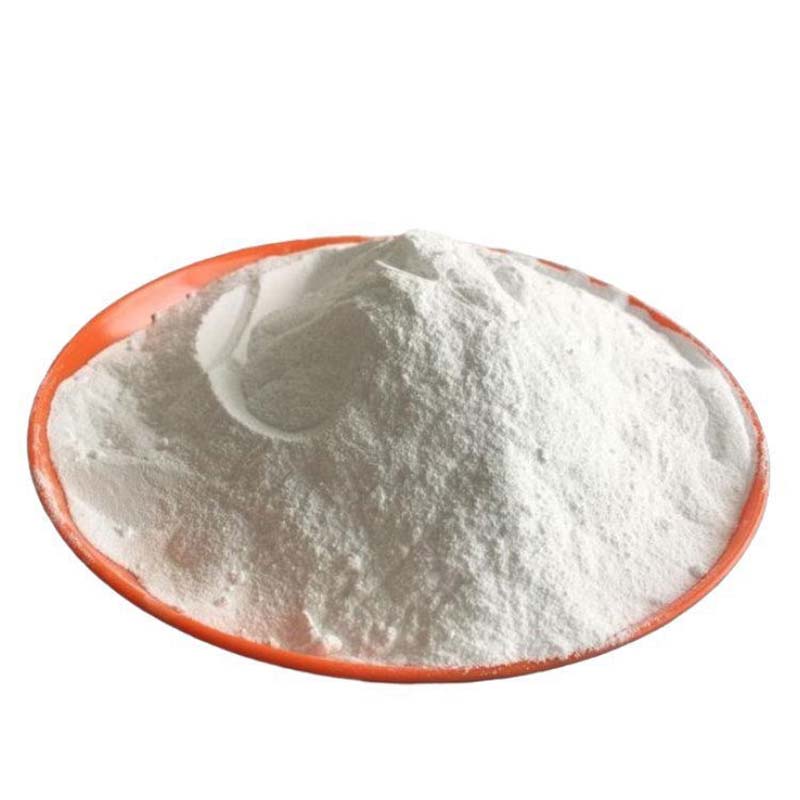
Quality assurance is paramount for consistency in Hydroxypropyl Starch Ether production.
Key Application Scenarios & Technical Advantages
Hydroxypropyl starch ether is a cornerstone ingredient in a multitude of industrial formulations, owing to its superior functional attributes. Its ability to modify rheology, stabilize emulsions, and improve textural characteristics provides significant technical advantages in diverse applications.
Food Industry Applications:
- Thickening and Stabilization: In sauces, gravies, soups, and dairy products (e.g., yogurts, custards), it provides desired viscosity and prevents phase separation, ensuring a stable and appealing product. Its pseudoplastic flow behavior contributes to excellent mouthfeel.
- Texture Enhancement: Improves chewiness and elasticity in confectionery and bakery items, and contributes to creaminess in desserts and ice creams, replacing or reducing fats.
- Freeze-Thaw Stability: Essential in frozen foods, it prevents syneresis (water separation) and maintains product integrity and texture after thawing, thereby extending shelf-life.
- Emulsification: Helps stabilize oil-in-water emulsions in dressings and spreads, maintaining consistency and preventing ingredient separation.
Cosmetics Industry Applications:
- Rheology Modification: Provides desirable texture and consistency in creams, lotions, gels, and shampoos, enhancing spreadability and sensory experience.
- Emulsion Stabilization: Crucial for maintaining the integrity of cosmetic emulsions, preventing separation of oil and water phases, leading to stable formulations.
- Film-Forming Agent: Can contribute to film formation in hair care products and certain skin treatments, offering benefits like improved hold or skin protection.
- Sensory Enhancement: Contributes to a smooth, non-tacky feel on the skin, improving the overall luxurious perception of cosmetic products.
Daily Chemical Industry Applications:
- Thickening and Suspending Agent: Used in liquid detergents, dish soaps, and household cleaners to achieve optimal viscosity and suspend solid particles, enhancing cleaning efficiency and product aesthetics.
- Foam Stabilization: Can improve the stability of foam in cleaning products, contributing to a richer lather and better cleaning action.
- Binding and Adhesion: In certain solid or semi-solid formulations, it can act as a binder, providing structural integrity.
The technical advantages of hydroxypropyl starch ether lie in its broad pH stability, resistance to shear, and excellent water-binding capacity, making it a robust choice for challenging industrial environments. Its functional versatility streamlines ingredient lists and improves formulation efficiency.
Vendor Comparison and Customized Solutions
Selecting the right hydroxypropyl starch ether suppliers is paramount for ensuring consistent product quality, optimal performance, and supply chain reliability. The market offers a range of suppliers, each with varying capabilities in terms of product purity, technical support, and customization options. When evaluating vendors, B2B decision-makers should consider several key factors beyond just price per kilogram.
Key Comparison Criteria for Hydroxypropyl Starch Ether Suppliers:
- Product Purity & Consistency: Verify adherence to international standards (e.g., ISO, HACCP, GMP) and availability of detailed Certificates of Analysis for each batch.
- Technical Expertise & Support: Assess the vendor's ability to provide technical guidance, formulation support, and troubleshooting assistance. A strong R&D team is indicative of innovation and problem-solving capability.
- Customization Capabilities: Can the supplier offer tailored grades of hydroxypropyl starch ether with specific viscosity ranges, degrees of substitution, or particle sizes to meet unique application requirements?
- Supply Chain Reliability: Evaluate lead times, production capacity, logistics network, and ability to handle large or urgent orders.
- Certifications & Regulatory Compliance: Confirm certifications like Kosher, Halal, Non-GMO, and compliance with regional food/cosmetic regulations (e.g., FDA, EFSA).
- Sustainability Practices: Increasingly important are vendors who demonstrate commitments to environmentally responsible sourcing and manufacturing.
Tailored Solutions for Specific Needs:
Leading suppliers recognize that off-the-shelf products may not always perfectly align with complex formulation challenges. Customized solutions for cas 9049 76 7 often involve:
- Optimized Degree of Substitution (DS): Fine-tuning the DS to achieve specific solubility, stability, and thickening profiles for niche applications.
- Tailored Viscosity Profiles: Developing grades with low, medium, or high viscosity to precisely match desired product textures and processing conditions.
- Particle Size Distribution: Custom milling to ensure rapid dispersion or specific textural contributions, crucial in dry mix products or finely dispersed emulsions.
- Enhanced Compatibility: Modifying the starch to ensure better compatibility with other challenging ingredients, such as high salt concentrations or extreme pH values.
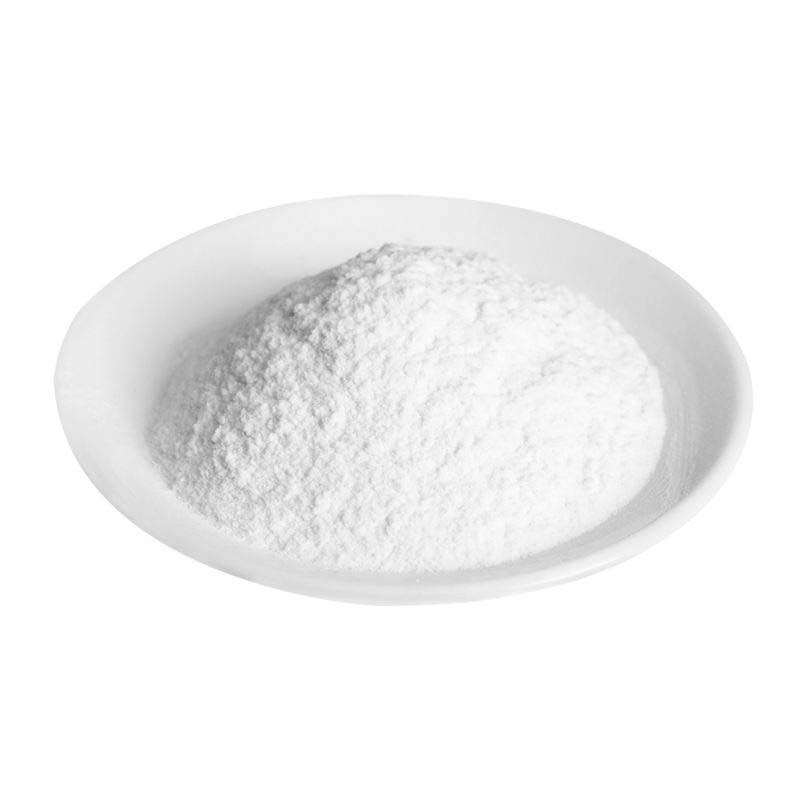
Customized solutions often involve advanced manufacturing and blending.
Application Case Studies & Customer Success
Real-world applications demonstrate the tangible benefits of integrating high-quality hydroxypropyl starch ether into product formulations. These case studies highlight improved product performance, cost efficiencies, and enhanced consumer appeal.
Case Study 1: Enhancing a Vegan Dairy Alternative
A leading multinational food manufacturer sought to improve the texture and stability of their new oat-based yogurt alternative. Traditional thickeners resulted in a gummy texture and poor freeze-thaw stability. By incorporating a specialized grade of 9049 76 7 with a medium degree of substitution and a specific viscosity profile, the manufacturer achieved a significantly smoother, creamier texture and eliminated syneresis after refrigeration and freezing. The product's shelf-life was extended by 20%, and customer feedback consistently lauded the improved mouthfeel, leading to a 15% increase in market share within its segment in the first year.
Case Study 2: Stabilizing a High-Performance Hair Conditioner
A renowned cosmetic brand faced challenges with the long-term stability of a premium hair conditioner. The product experienced gradual phase separation, particularly in fluctuating temperature environments, leading to consumer complaints. Collaboration with an expert hydroxypropyl starch ether supplier led to the development of a customized solution. A highly purified sodium hydroxypropyl starch phosphate derivative, optimized for emulsion stability at varying temperatures and pH, was introduced. This modification completely resolved the separation issue, maintaining a consistent, luxurious texture for over 18 months, exceeding industry standards. The brand reported a significant uplift in customer satisfaction scores for product integrity.
Case Study 3: Improving Efficiency in Liquid Laundry Detergents
A major producer of household chemicals aimed to enhance the rheology and suspending capabilities of their concentrated liquid laundry detergent. The previous formulation suffered from sedimentation of insoluble active ingredients over time. By incorporating a high-viscosity grade of hydroxypropyl starch ether, the product achieved an ideal pseudoplastic flow profile, which means it thinned under shear (during pouring) but quickly recovered viscosity to suspend particles effectively once at rest. This led to a more aesthetically pleasing product, reduced ingredient waste from sedimentation, and improved customer confidence in the detergent's efficacy.
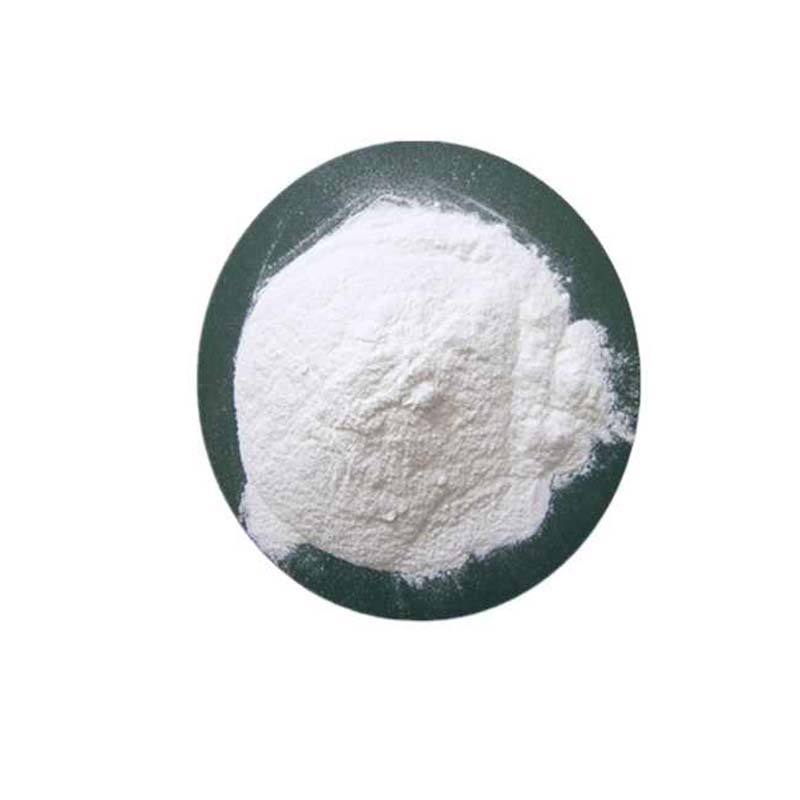
Ongoing research ensures continuous improvement in starch ether applications.
Quality Assurance, Certifications & Authoritativeness
For B2B clients, the reliability and safety of ingredients like hydroxypropyl starch ether are non-negotiable. Leading manufacturers adhere to stringent quality assurance protocols and hold comprehensive certifications that underscore their commitment to excellence and compliance with global standards.
Certifications and Standards:
- ISO 9001:2015: Demonstrates a robust Quality Management System, ensuring consistent quality and processes from raw material sourcing to final product.
- HACCP (Hazard Analysis and Critical Control Points): A systematic preventive approach to food safety, ensuring that biological, chemical, and physical hazards are controlled.
- GMP (Good Manufacturing Practices): Essential for both food and cosmetic ingredients, ensuring products are consistently produced and controlled according to quality standards.
- FDA / EFSA Compliance: Products meet the regulatory requirements for use in food or cosmetic applications in major markets.
- Kosher & Halal Certifications: Catering to specific dietary and religious requirements, expanding market accessibility.
- Non-GMO Verification: Assurance that products are not genetically modified, aligning with consumer preferences.
Reputable hydroxypropyl starch ether suppliers often publish years of service, operate state-of-the-art facilities, and maintain long-standing partnerships with industry leaders, all contributing to their authoritative standing in the market. Access to comprehensive test data and analytical reports further solidifies trust and enables informed procurement decisions.
Frequently Asked Questions (FAQ)
- Q: What is the primary function of 9049 76 7 in food products?
- A: Its primary functions include thickening, stabilizing, improving texture (e.g., creaminess, chewiness), and enhancing freeze-thaw stability in a wide range of food products, from sauces to dairy alternatives.
- Q: Is hydroxypropyl starch ether suitable for clean-label formulations?
- A: While it is a modified starch, many consumers and regulatory bodies consider starch derivatives derived from natural sources acceptable in clean-label initiatives, particularly when compared to synthetic alternatives. It is generally recognized as safe (GRAS) for food use.
- Q: How does its viscosity profile differ from other starch thickeners?
- A: Hydroxypropyl starch ether offers excellent shear stability and a generally pseudoplastic (shear-thinning) viscosity profile, which is desirable for pumpability during processing and a pleasant mouthfeel or spreadability in final products, often surpassing unmodified starches in stability.
- Q: What is the typical shelf life and storage recommendation for cas 9049 76 7?
- A: When stored in original, unopened packaging in a cool, dry place away from direct sunlight and moisture, it typically has a shelf life of 24 months from the date of manufacture. Proper storage is crucial to maintain its functional properties.
Logistics & Support: Lead Time, Warranty, and Customer Service
Reliable supply chain and robust customer support are critical components of a successful B2B partnership. Leading hydroxypropyl starch ether suppliers prioritize transparency and efficiency in these areas.
Lead Time & Fulfillment:
Standard lead times for high-volume orders of hydroxypropyl starch ether typically range from 2 to 4 weeks, depending on the specific grade, order quantity, and shipping destination. Expedited shipping options are often available for urgent requirements, though these may incur additional costs. Suppliers with robust global logistics networks can ensure timely delivery and minimize supply chain disruptions.
Warranty & Quality Commitment:
Reputable manufacturers stand behind the quality of their 9049 76 7 products with comprehensive warranties. These typically guarantee that the product meets the specifications outlined in the Certificate of Analysis (CoA) for a defined period (e.g., 24 months from the manufacturing date), provided it is stored and handled according to recommendations. Any deviations from specifications are usually addressed through a defined claims process, involving product replacement or credit.
Dedicated Customer Support:
Effective after-sales support includes dedicated technical service teams available for formulation assistance, application troubleshooting, and regulatory guidance. Proactive communication regarding order status, inventory levels, and any potential supply chain challenges is a hallmark of excellent customer service, ensuring seamless operations for B2B partners.
Conclusion
Hydroxypropyl starch ether, identified by its CAS number 9049 76 7, is a foundational ingredient providing crucial functional benefits across the food, cosmetic, and daily chemical industries. Its ability to act as a superior thickener, stabilizer, and rheology modifier, coupled with its excellent process stability, makes it an invaluable asset for product developers. The emphasis on quality manufacturing, stringent testing standards, and comprehensive customer support ensures that B2B partners receive a reliable, high-performance product. As industries continue to evolve with demands for better texture, enhanced stability, and sustainable solutions, the strategic adoption of optimized hydroxypropyl starch ether grades will remain a key differentiator for market leaders.
References
- Food Chemical Codex, 11th Ed., National Academies Press, 2018.
- Handbook of Hydrocolloids, Second Edition. Edited by G.O. Phillips and P.A. Williams. Woodhead Publishing, 2009.
- European Food Safety Authority (EFSA) Scientific Opinions on Food Additives.
- International Organization for Standardization (ISO) Standards for Modified Starches.
- Cosmetics & Toiletries, Allured Business Media.
-
What Is VAE Powder? Complete Guide to Redispersible Polymer Powder (RDP) for ConstructionNewsApr.21,2026
-
HPMC Manufacturers in ChinaNewsApr.21,2026
-
What Is Redispersible Polymer Powder (RDP)? Complete Guide to VAE RDP for Mortar ApplicationsNewsApr.21,2026
-
Top Guide to Selecting Professional vae emulsion manufacturersNewsApr.16,2026
-
Viscosity of HPMCNewsApr.15,2026
-
HPMC Powder UsesNewsApr.15,2026