Hydroxypropyl Starch Ether - Pengze Technology | Construction Industrial Solutions
Introduction
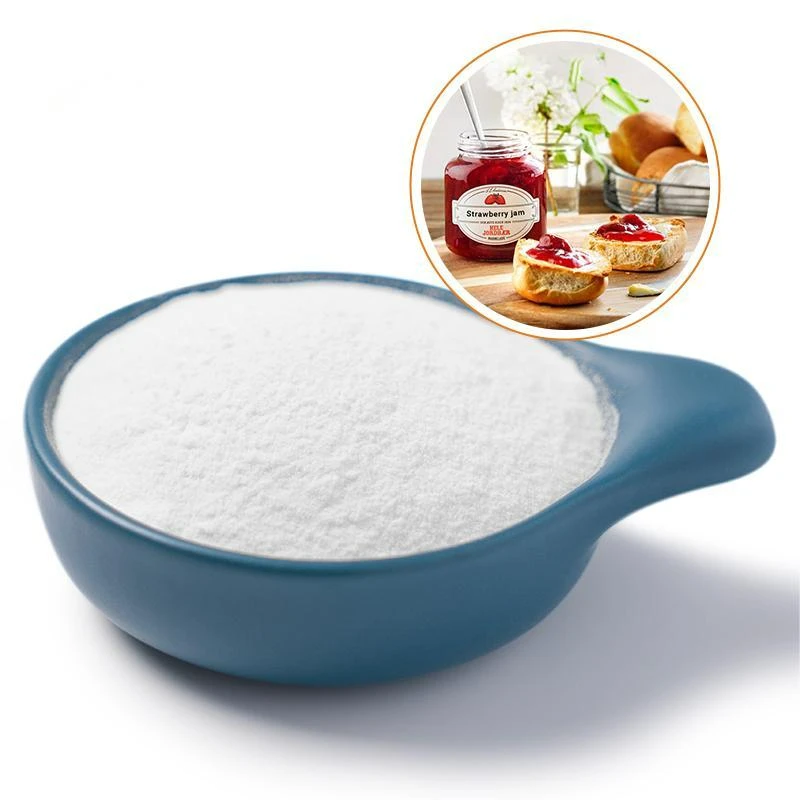
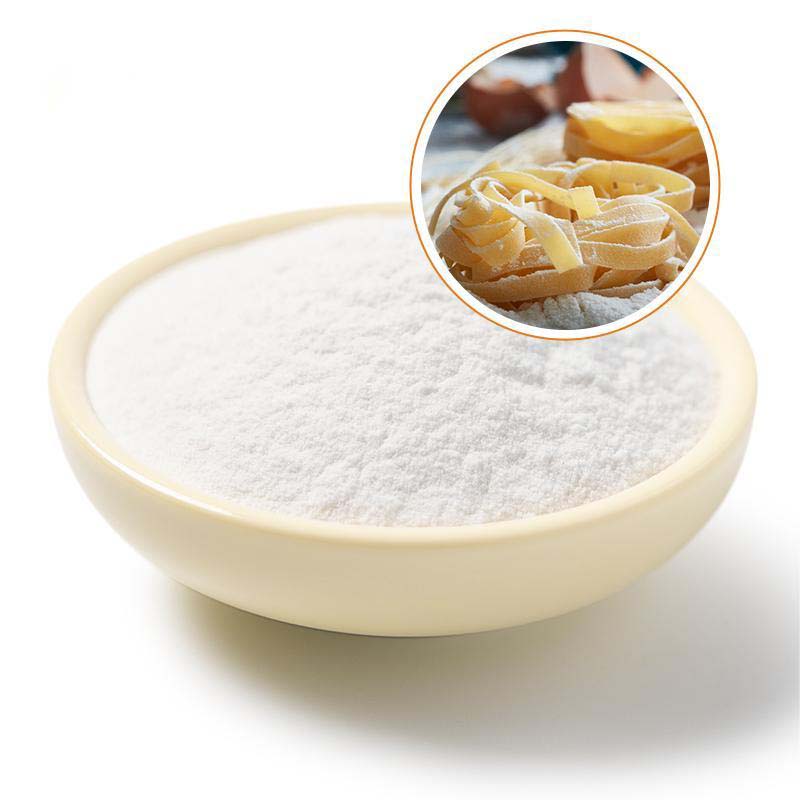
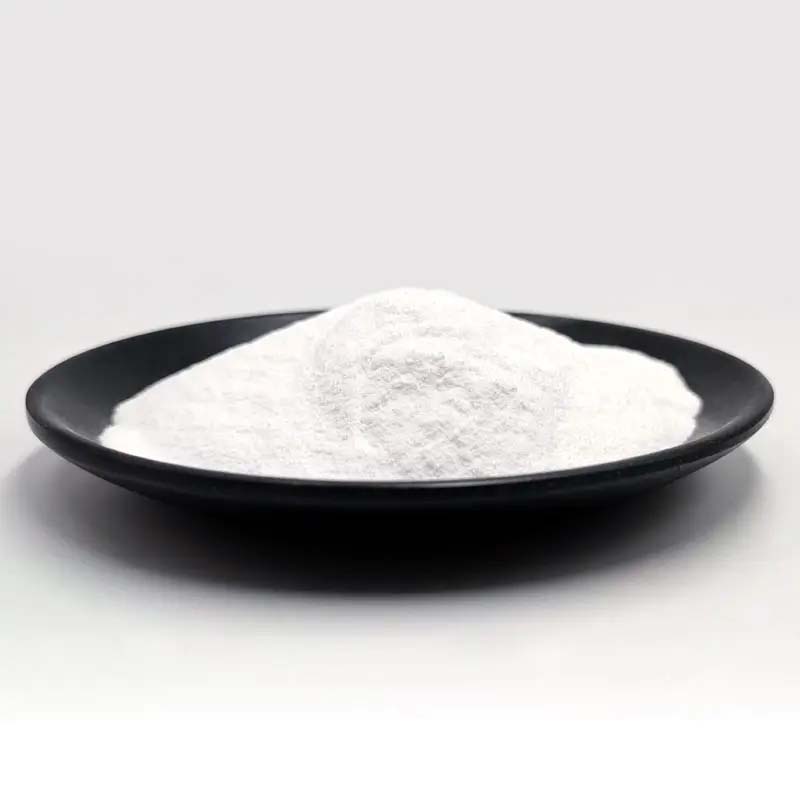
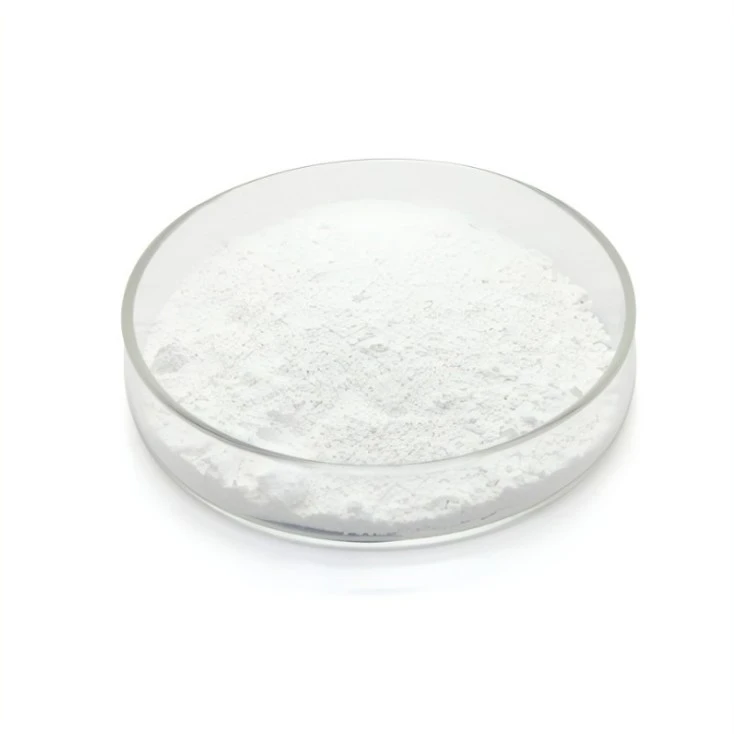
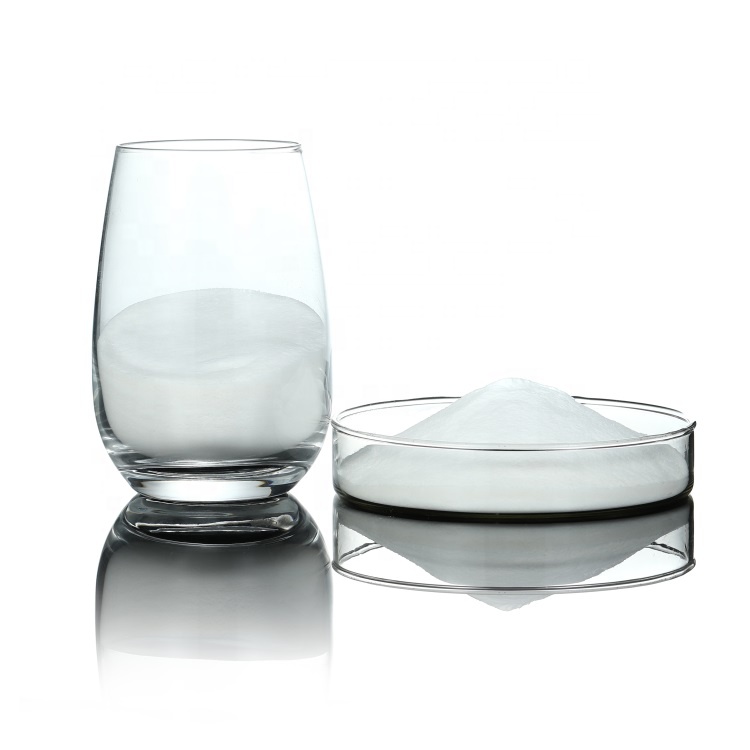
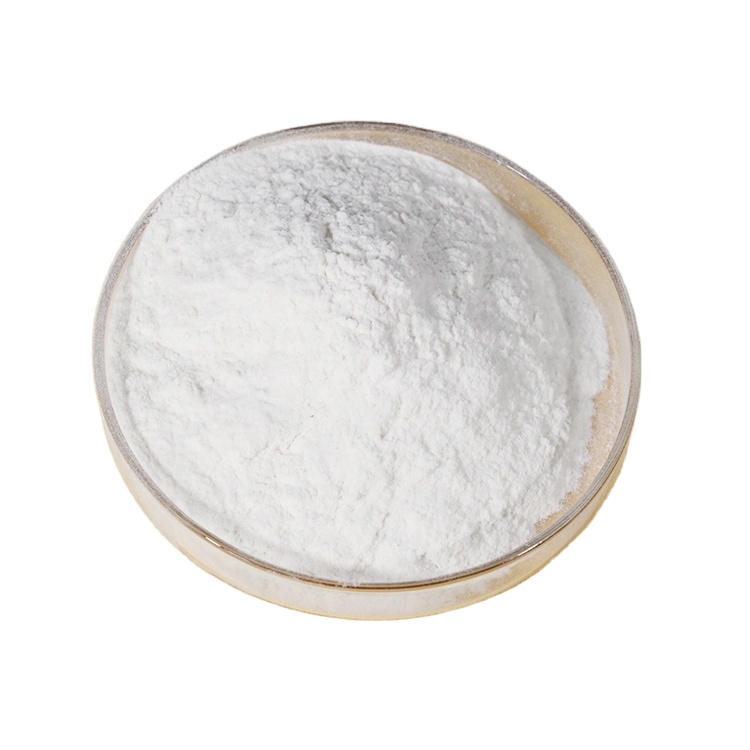
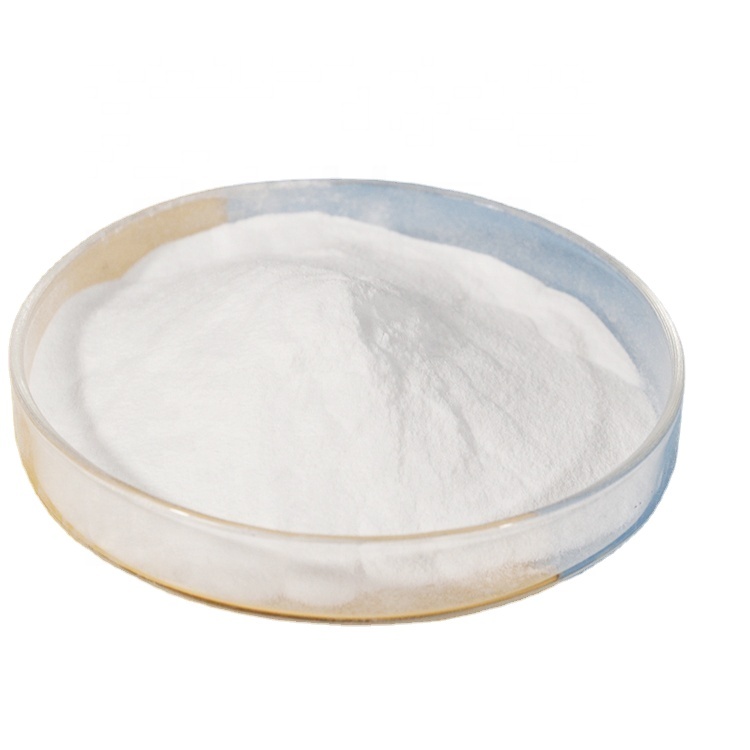
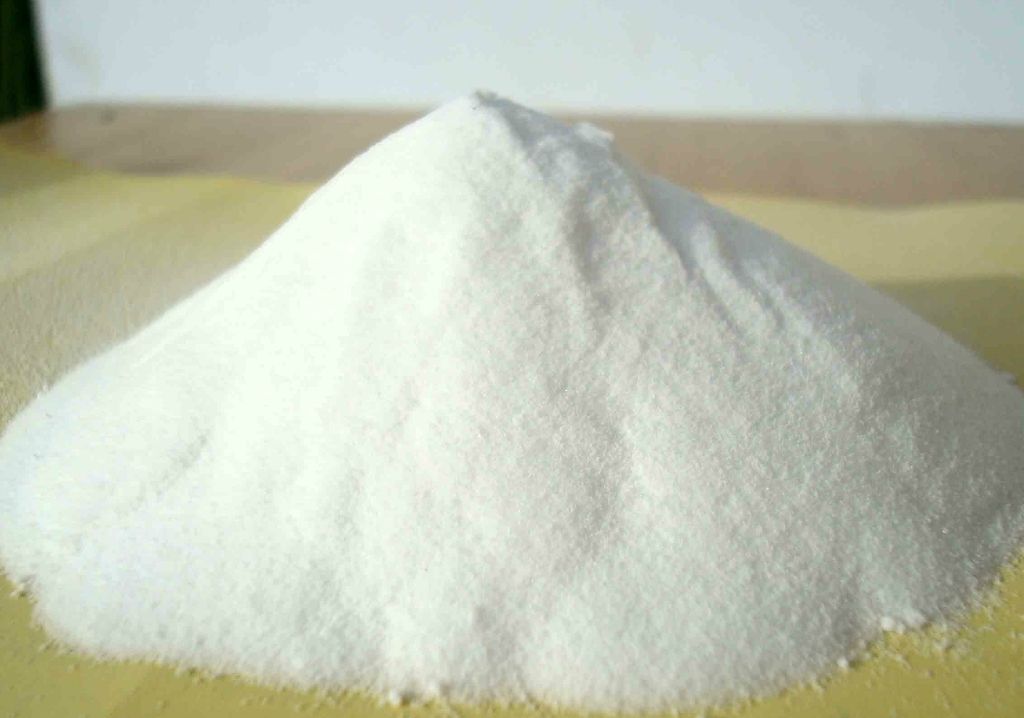
Hydroxypropyl starch ether (HPS) is a white fine powder derived from natural plant materials through a highly etherified modification process. This advanced material is designed to enhance the performance of construction and industrial products, offering a unique combination of properties that make it indispensable in modern applications. Developed by Pengze Technology (Shijiazhuang) Co., Ltd., HPS exemplifies the intersection of natural resources and cutting-edge technology.
Product Overview
Hydroxypropyl starch ether is a modified starch derivative that stands out for its exceptional compatibility with various building materials. Unlike conventional starches, it undergoes a high-degree etherification process, resulting in a product that does not require plasticizers. This makes it an ideal additive for cement-based, gypsum-based, and lime-calcium-based putty products and mortars. Its ability to improve workability and reduce the need for cellulose ether makes it a cost-effective solution for construction professionals.
Key Features and Advantages
- Fast Thickening Ability: Hydroxypropyl starch ether provides rapid viscosity development, ensuring efficient mixing and application processes.
- Medium Viscosity with Water Retention: Its balanced viscosity and water retention properties enhance the workability of materials, reducing the risk of sagging and cracking.
- Low Dosage Requirement: A small quantity of this additive can significantly improve material performance, making it economically viable for large-scale applications.
- Enhanced Crack Resistance: When combined with methyl cellulose ether, it improves the structural integrity of coatings and mortars, offering superior resistance to cracks and sagging.
- Extended Open Time: The material's ability to prolong the working time allows for more precise application and adjustment during construction.
Technical Specifications
| Item | Model-301 |
|---|---|
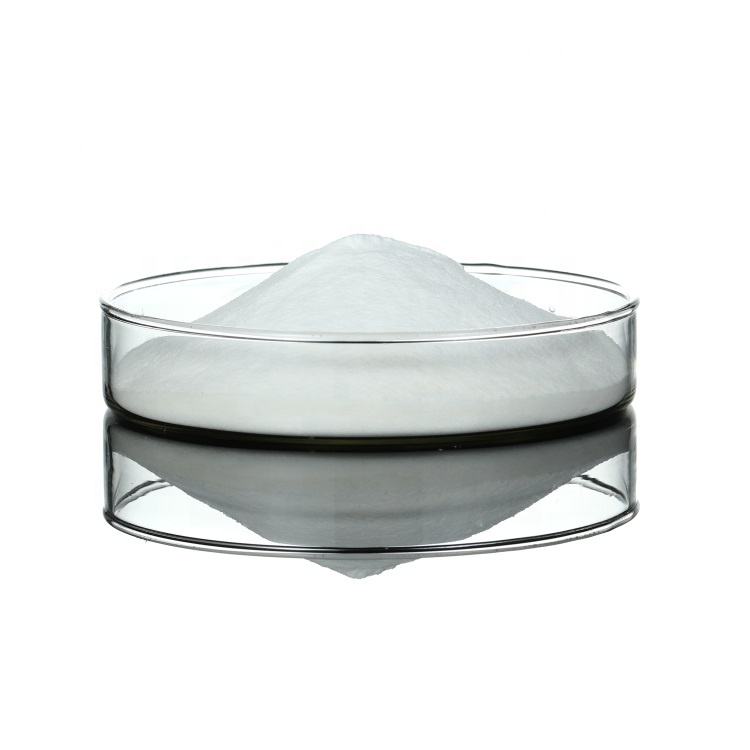
| Appearance | White to whitish powder |
| Hydroxypropyl Content | 13.0-19.0% |
| Solubility | Soluble in cold water |
| Fineness | 95% (80M) |
| Viscosity | 50-3000 mPa·s |
| Loss on Drying | ≤10% |
| Moisture | ≤10% |
| Recommended Dosage | 0.3-0.5% |
| Applications | Gypsum-based and cement-based mortar and wall putty |
Applications Across Industries
Construction Industry
Hydroxypropyl starch ether is widely used in the construction sector as an additive for wall putty and mortar. Its compatibility with cement, gypsum, and lime-calcium-based materials ensures improved workability and reduced cracking. It acts as a thickener and stabilizer, enhancing the suspension and emulsion properties of aqueous solutions. This makes it ideal for applications such as tile adhesives, decorative mortars, and plastering materials.
Textile Industry
In the textile industry, HPS serves as a warp size to increase wear resistance and weaving efficiency. Its high substitution degree also makes it a valuable thickener for various textile processes. This application highlights its versatility in industrial settings where performance and durability are critical.
Daily Chemical and Cosmetics Industry
The product functions as a binder, suspending agent, and thickener in daily chemical and cosmetic formulations. Its ability to stabilize suspensions and emulsions makes it suitable for use in lotions, creams, and other personal care products. Additionally, it is used in the oil drilling industry to stabilize boreholes and improve drilling conditions by preventing sloughing and flocculating cuttings.
Company Background: Pengze Technology (Shijiazhuang) Co., Ltd.
Pengze Technology (Shijiazhuang) Co., Ltd. is a leading manufacturer of specialty chemicals, including hydroxypropyl starch ether. With a commitment to innovation and quality, the company has established itself as a reliable supplier in the global market. Their products are designed to meet the evolving needs of industries such as construction, textiles, and cosmetics. Pengze Technology's focus on sustainable practices and advanced research ensures that their offerings remain at the forefront of technological advancements.
Industry Standards and Certifications
As a product developed by Pengze Technology, hydroxypropyl starch ether adheres to rigorous quality control standards. The company's commitment to excellence is reflected in its compliance with international regulations and certifications. For further information on the technical specifications and industry standards, visit the product page.
Conclusion
Hydroxypropyl starch ether is a multifunctional additive that offers significant advantages across various industries. Its ability to enhance the performance of construction materials, textiles, and cosmetics makes it a valuable asset for manufacturers and professionals. With the expertise of Pengze Technology (Shijiazhuang) Co., Ltd., this product continues to set new benchmarks in the field of specialty chemicals.
References
For authoritative information on material science and standards, refer to the National Institute of Standards and Technology (NIST). NIST provides critical research and guidelines that support the development and application of advanced materials. Visit the NIST website for more details.
Source: https://www.nist.gov
-
What Is VAE Powder? Complete Guide to Redispersible Polymer Powder (RDP) for ConstructionNewsApr.21,2026
-
HPMC Manufacturers in ChinaNewsApr.21,2026
-
What Is Redispersible Polymer Powder (RDP)? Complete Guide to VAE RDP for Mortar ApplicationsNewsApr.21,2026
-
Top Guide to Selecting Professional vae emulsion manufacturersNewsApr.16,2026
-
Viscosity of HPMCNewsApr.15,2026
-
HPMC Powder UsesNewsApr.15,2026