Hydroxy Ethyl Cellulose Uses in Industry | Expert Insights
Hydroxy Ethyl Cellulose Uses: A Veteran's Take on This Industrial Workhorse
After spending a good chunk of my career in the industrial equipment sector, I’ve seen lots of materials come and go, but hydroxy ethyl cellulose (HEC) has stuck around as a reliable MVP. Oddly enough, it’s one of those ingredients that quietly does its job without much fanfare, yet its versatility is impressive. From construction to cosmetics, if you peek behind the curtain, HEC is probably involved.
Here’s the thing about hydroxy ethyl cellulose—you really get an all-rounder. It’s a cellulose derivative known primarily for thickening, binding, and stabilizing. You can imagine how much that matters when you’re dealing with industrial sprays, adhesives, and even paints. It feels like the unsung hero for formulators who need consistency across wildly different applications. Many engineers I’ve worked alongside remark on how it lends that smooth, creamy texture that makes products easier to apply and more durable once set.
In real terms, the product’s water solubility makes it a superstar for aqueous systems. It’s compatible with an array of chemicals, so tweaking formulations is quite forgiving. This flexibility is why it’s prominent not only in construction mortars and tile adhesives but in personal care products too—imagine lotions and shampoos feeling just right without being sticky or runny. I remember a project where switching to a hydroxy ethyl cellulose-based thickener solved a persistent consistency issue with a cement slurry—simple tweak, big impact.
Key Specifications of Hydroxy Ethyl Cellulose
| Property | Typical Values |
|---|---|
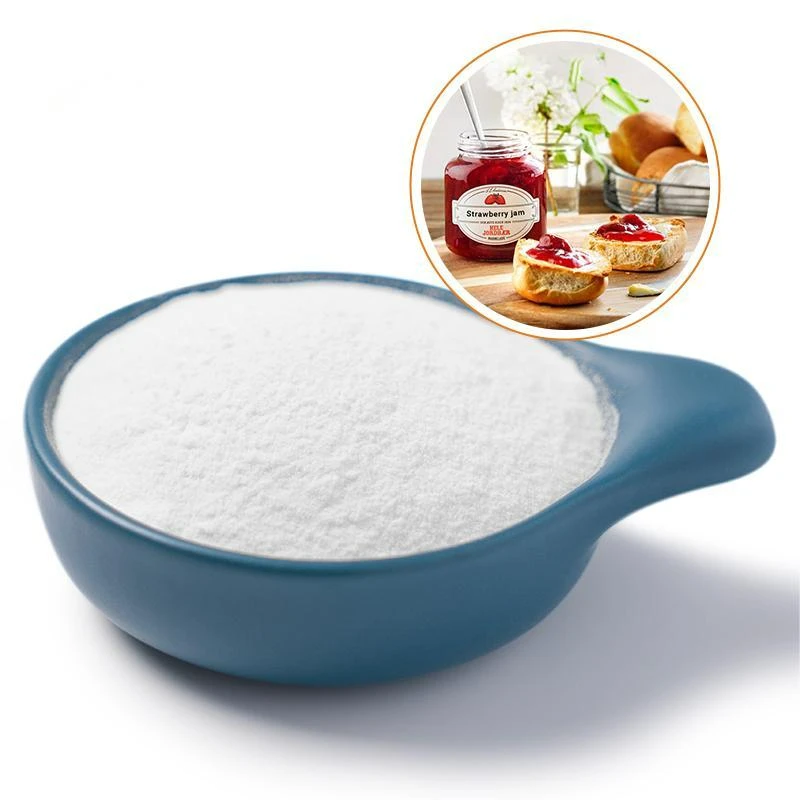
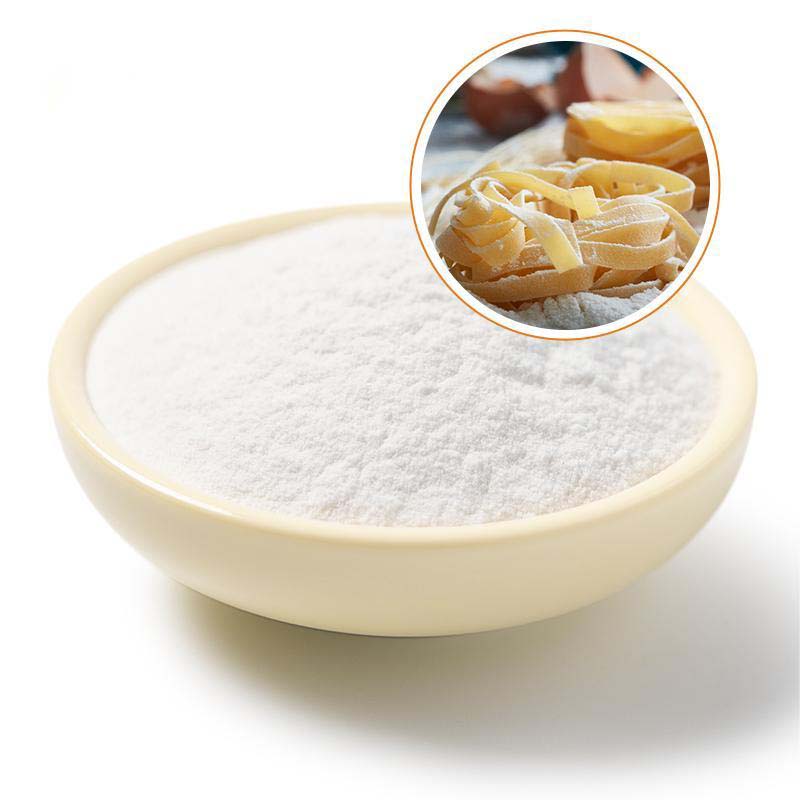
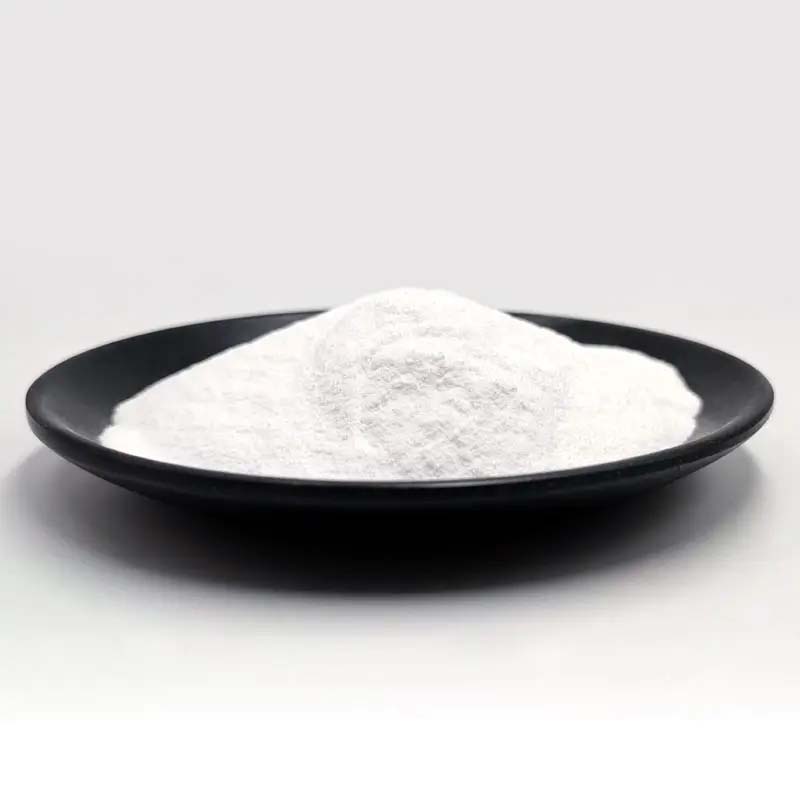
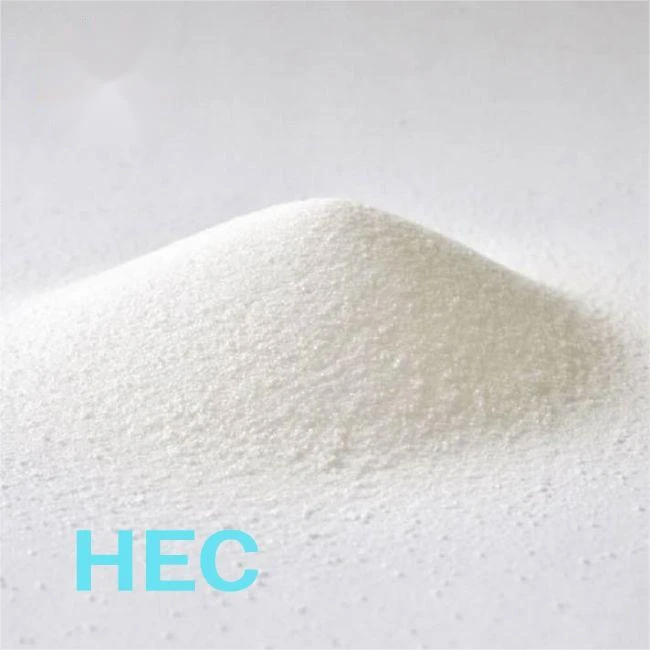
| Appearance | Fine white powder |
| Solubility | Water-soluble |
| Viscosity Range | 1,000 to 100,000 mPa·s (2% solution) |
| pH Stability | 4 to 12 |
| Moisture Content | ≤ 5% |
| Bulk Density | 350-440 kg/m³ |
Customizing hydroxy ethyl cellulose is pretty straightforward, too, which I suppose helps explain its sticky popularity (pun intended). Adjust the substitution degree or molecular weight, and you get differing viscosities or hydration rates. This means formulators can tailor the additive to match specific processing constraints or end-use properties. I often think of it like tuning a guitar; a slight twist yields a noticeably different sound.
Now, if you’re wondering how HEC stacks up against other cellulose ethers, here’s a quick vendor comparison from a few industry staples I’ve encountered. Keep in mind, the choice often depends on availability, cost, and batch-to-batch consistency—things not always neatly listed under “technical specs.”
| Vendor | Viscosity Range (mPa·s) | Substitution Degree | Typical Applications | Price Level |
|---|---|---|---|---|
| PezeTech | 1,000 – 80,000 | Medium | Adhesives, Paints, Cosmetics | Mid |
| CelluChem | 5,000 – 100,000 | High | Construction, Detergents | High |
| HydroWest | 2,000 – 50,000 | Low-Medium | Cosmetics, Pharmaceuticals | Low-Mid |
On a personal note — I noticed a pattern working alongside paint manufacturers: switching to PezeTech’s hydroxy ethyl cellulose meant faster dispersion, which cut mix times by around 10-15%. In production, that’s gold. Reduced downtime, plus smoother application on the job site, made quite a difference to their bottom line. It’s little things like that which highlight how integral HEC is, even if it’s out of the spotlight.
Overall, hydroxy ethyl cellulose remains a dependable ingredient in my mind—not flashy, but fundamental. It provides a rare balance of performance, adaptability, and affordability. For industrial pros searching for a stable, customizable additive, it’s hard to beat.
Honestly, I’d say if you’re curious to see how it might enhance your next formulation or process, don’t hesitate to explore PezeTech’s offering.
Takeaway: Hydroxy ethyl cellulose isn’t just a chemical — it’s a versatile partner in innovation across industries.
References:
1. Industry formulations and hands-on experience, 2010-2023.
2. PezeTech product brochures and technical sheets.
3. Conversations with formulation engineers in adhesives and coatings sectors.
-
What Is VAE Powder? Complete Guide to Redispersible Polymer Powder (RDP) for ConstructionNewsApr.21,2026
-
HPMC Manufacturers in ChinaNewsApr.21,2026
-
What Is Redispersible Polymer Powder (RDP)? Complete Guide to VAE RDP for Mortar ApplicationsNewsApr.21,2026
-
Top Guide to Selecting Professional vae emulsion manufacturersNewsApr.16,2026
-
Viscosity of HPMCNewsApr.15,2026
-
HPMC Powder UsesNewsApr.15,2026