Premier HEMC Manufacturer | Quality Hydroxyethyl Methyl Cellulose
Navigating the Advanced World of Cellulose Ethers: A Guide to Top Manufacturers
In the highly competitive landscape of construction chemicals, paints & coatings, and various industrial applications, the performance of end-products critically hinges on the quality of their raw materials. Among these, cellulose ethers like Hydroxyethyl Methyl Cellulose (HEMC), Methyl Hydroxyethyl Cellulose (MHEC), Hydroxyethyl Cellulose (HEC), and Hydroxypropyl Methyl Cellulose (HPMC) stand out as indispensable additives. These polymers are celebrated for their exceptional thickening, water retention, film-forming, and binding properties. Identifying a reliable and innovative hemc manufacturer is paramount for businesses seeking consistent performance and cost-effectiveness in their formulations. This comprehensive guide delves into the technical intricacies, market dynamics, and strategic considerations for procuring high-quality cellulose ether products.
Industry Trends Shaping the Cellulose Ether Market
The global market for cellulose ethers is experiencing robust growth, driven by escalating demand in the construction sector, increasing adoption in sustainable packaging, and advancements in pharmaceutical and food applications. Key trends include:
- Sustainability Focus: A growing emphasis on eco-friendly and bio-based materials is propelling the demand for cellulose ethers derived from renewable sources. Manufacturers are investing in greener production processes and developing low-VOC (Volatile Organic Compound) products.
- Specialization and Customization: The market is moving towards highly specialized grades tailored for specific applications. A leading hemc manufacturer now offers a wider range of viscosity and substitution degrees to meet precise performance requirements, such as extended open time for tile adhesives or enhanced sag resistance for renders.
- Regional Growth: Rapid urbanization and infrastructure development in emerging economies, particularly in Asia-Pacific, are fueling the consumption of building materials and, consequently, cellulose ethers.
- Price Volatility & Supply Chain Resilience: The global `methylcellulose price` remains sensitive to raw material costs (wood pulp, cotton linter) and energy prices. Establishing resilient supply chains and long-term partnerships with a reputable hemc manufacturer is crucial for stable procurement.
- Technological Advancements: Continuous R&D efforts are leading to cellulose ethers with improved dispersibility, delayed dissolution, and compatibility with various admixtures, enhancing their utility across diverse formulations.
Hydroxyethyl Methyl Cellulose (HEMC): Technical Specifications and Properties
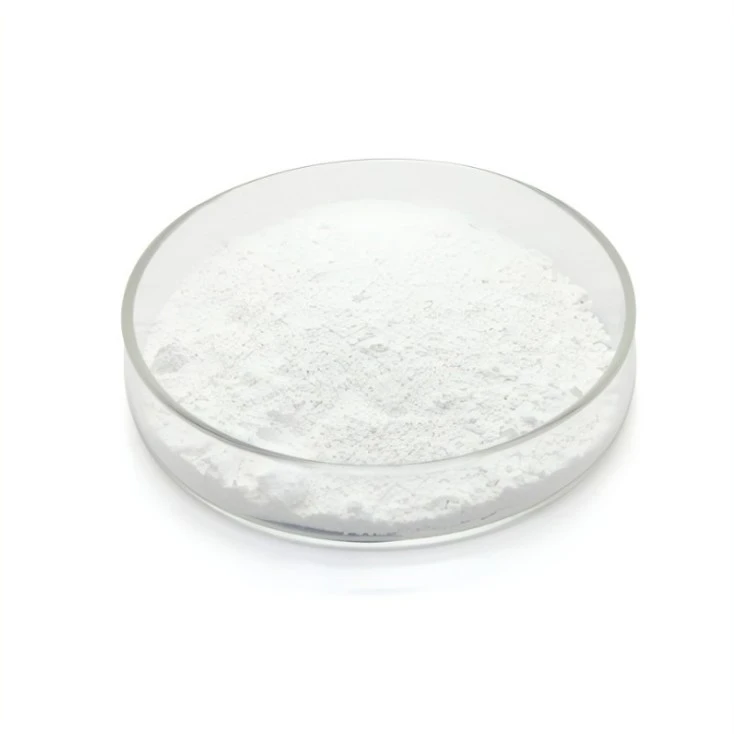
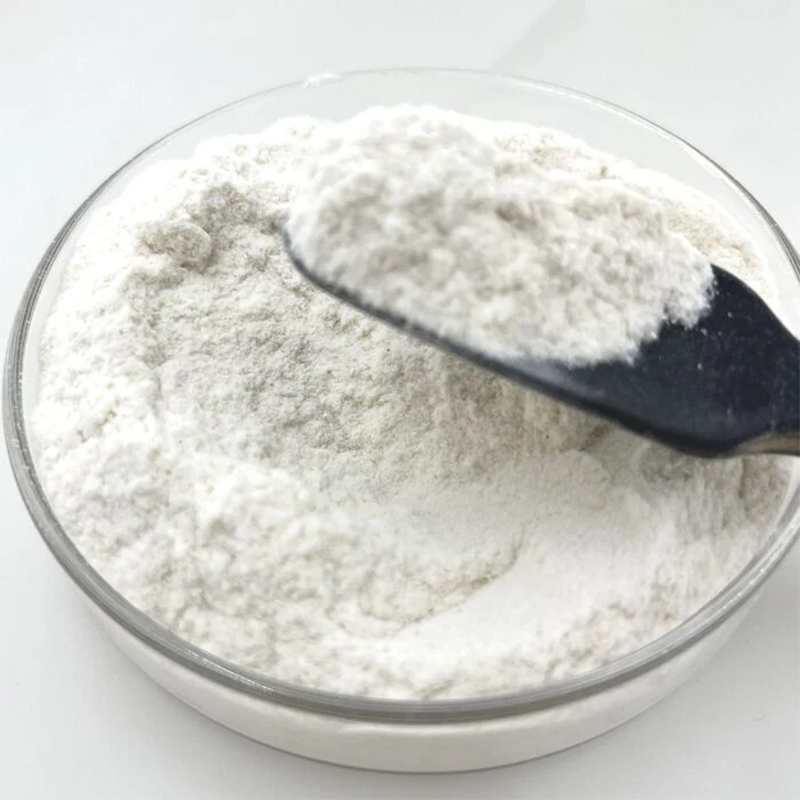
`Hydroxyethyl methyl cellulose` (HEMC), also known as `methyl 2 hydroxyethyl cellulose`, is a non-ionic cellulose ether derived from natural cellulose. Its unique properties are attributed to the controlled introduction of both methyl and hydroxyethyl groups into the cellulose backbone. This dual etherification provides a balance of hydrophilicity and hydrophobicity, leading to superior performance in aqueous solutions.
Key Characteristics:
- Excellent Water Retention: Significantly prolongs the setting time of cementitious materials, preventing premature drying and improving hydration efficiency.
- Thickening and Viscosity Control: Provides effective rheology modification, improving workability and anti-sag properties.
- Film-Forming Ability: Contributes to surface hardness and durability in coatings and renders.
- Pseudoplasticity: Exhibits shear-thinning behavior, facilitating easy application and excellent leveling, then recovering viscosity quickly.
- Adhesion Improvement: Enhances the bond strength between various substrates and construction materials.
- Good Dispersibility: Ensures uniform mixing and prevents lump formation.
Typical Product Specifications for HEMC
| Parameter | Unit | Typical Range (Standard Grade) | Performance Indicator |
|---|---|---|---|
| Viscosity (2% Solution, 20°C, NDJ-1) | mPa·s | 40,000 - 80,000 | Thickening efficiency, rheology control |
| Moisture Content | % | ≤ 5.0 | Product stability, storage life |
| Ash Content | % | ≤ 5.0 | Purity, non-active component |
| pH (1% Solution) | - | 6.0 - 8.0 | Compatibility with other additives |
| Methanol & Ethylene Glycol | mg/kg | ≤ 300 | Residual monomer safety |
| Particle Size (80 mesh sieve) | % | ≥ 98.0 | Dispersibility, lump avoidance |
These specifications represent typical values. Custom grades with optimized parameters for specific applications (e.g., high viscosity for thick renders or low viscosity for self-leveling compounds) are readily available from an experienced hemc manufacturer.
The Advanced Manufacturing Process of Hydroxyethyl Methyl Cellulose (HEMC)
The production of high-quality HEMC by a reputable hemc manufacturer involves a sophisticated chemical synthesis process, demanding stringent control over reaction parameters to ensure product consistency and desired properties. The general process flow is as follows:
- Raw Material Preparation: High-purity refined cotton linter or wood pulp is selected as the primary cellulose source. These raw materials undergo meticulous inspection to meet specified purity and moisture content levels.
- Alkalization: The cellulose is steeped in a highly concentrated caustic soda (NaOH) solution. This process activates the cellulose by swelling its structure and converting the hydroxyl groups into more reactive alkali cellulose, enhancing subsequent etherification.
- Etherification (Methylation & Hydroxyethylation): The activated alkali cellulose is then reacted with methyl chloride (CH3Cl) and ethylene oxide (C2H4O) in a precisely controlled reactor. The ratio and reaction conditions (temperature, pressure, time) are critical in determining the degree of substitution (DS) for methyl groups and the molar substitution (MS) for hydroxyethyl groups, which directly influence the final product's viscosity and solubility. This is a complex step where the expertise of the hemc manufacturer truly shines.
- Neutralization: After the etherification reaction, any unreacted alkali is neutralized with an acid (e.g., acetic acid) to achieve a stable pH.
- Washing: The neutralized crude HEMC is washed extensively with hot water to remove inorganic salts (by-products like NaCl) and unreacted reagents. Multiple washing stages ensure high product purity.
- Drying: The purified HEMC slurry is dewatered and then dried using specialized drying equipment (e.g., flash dryers or fluidized bed dryers) to achieve the desired low moisture content, which is crucial for product stability and shelf life.
- Grinding and Screening: The dried HEMC material is pulverized into a fine powder using mills and then passed through sieves to achieve precise particle size distribution. This ensures excellent dispersibility and consistent performance in formulations.
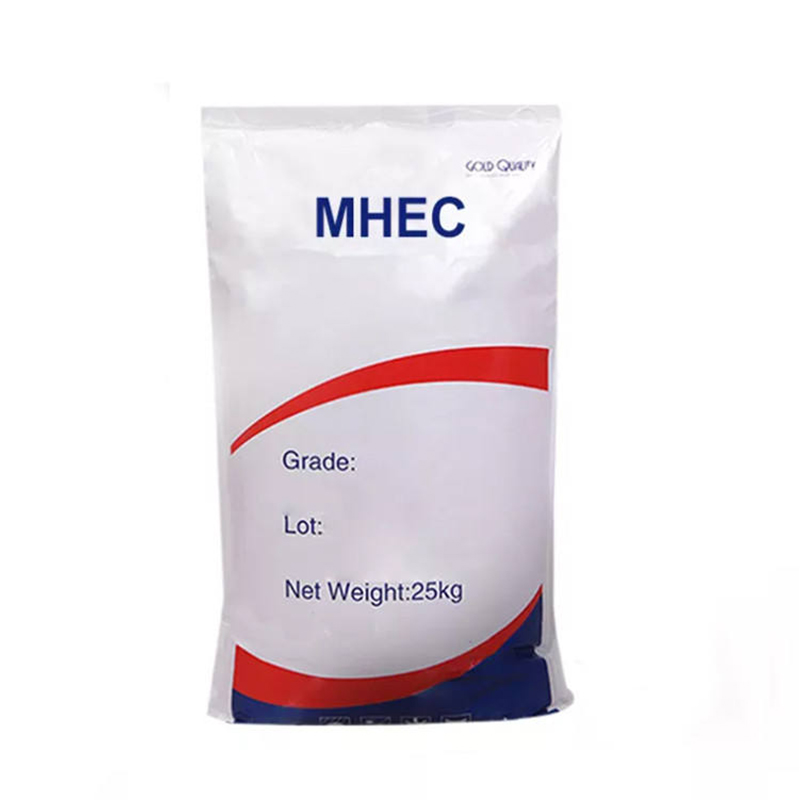
- Quality Control and Packaging: Throughout the entire process, samples are taken for rigorous testing against international standards (e.g., ISO, ANSI) for viscosity, moisture, ash content, pH, and particle size. Approved batches are then packaged into multi-ply paper bags or jumbo bags, often with an inner polyethylene liner, to protect against moisture and contamination.
Emphasizing robust testing protocols at each stage ensures that the final product adheres to the highest industry benchmarks for quality, consistency, and safety. This meticulous approach directly contributes to the predictable service life and high performance in target industries such as construction, paints, and detergents, offering advantages like energy saving (e.g., in advanced insulation renders) and corrosion resistance (in specialized coatings).
Key Application Scenarios and Technical Advantages
The versatility of `hydroxyethyl methyl cellulose hemc` makes it indispensable across numerous industries. Its primary advantages are evident in:
1. Construction Industry (Building Materials)
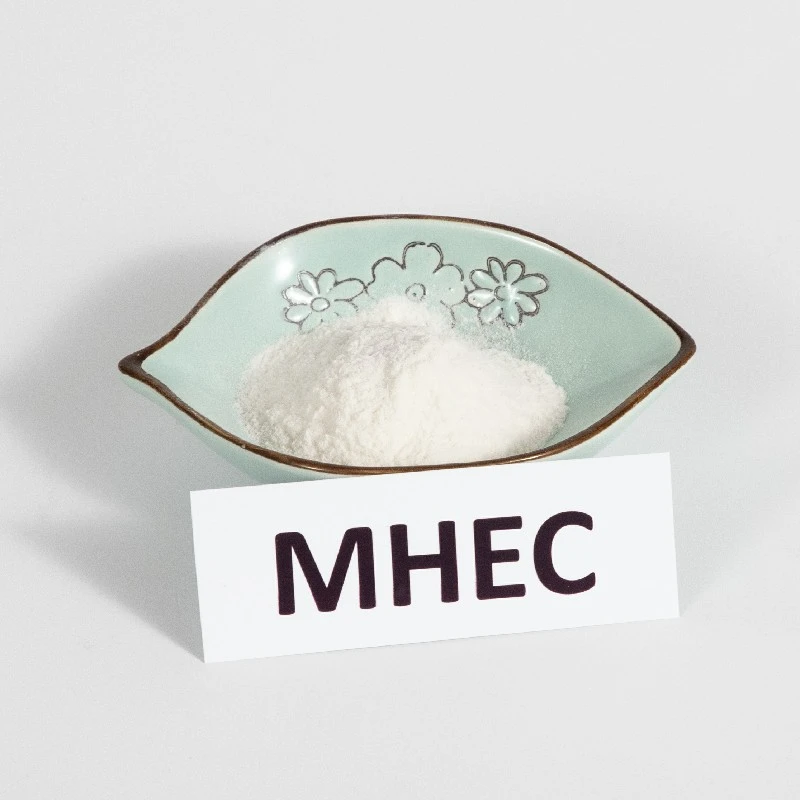
HEMC and `mhec powder uses` are most prominent in construction, where they enhance the performance of cement-based and gypsum-based dry-mix mortars.
- Wall Putty/Skim Coats: HEMC provides excellent workability, prevents cracking, and ensures a smooth, uniform surface. Its superior water retention prolongs open time, crucial for application quality.
- Tile Adhesives: Improves adhesion strength, anti-slip properties, and open time, allowing for longer working periods and better tile alignment. This is vital for modern large-format tiles.
- Renders and Plasters: Enhances consistency, sag resistance, and adhesion to various substrates. It also contributes to the material's durability and crack resistance, offering energy saving through improved insulation when incorporated into exterior insulation finish systems (EIFS).
- Self-Leveling Compounds: While HPMC is often preferred, specific low-viscosity HEMC grades can improve flowability and prevent segregation, leading to a perfectly level floor.
- Joint Fillers & Grouts: Improves consistency, reduces shrinkage, and enhances bond strength.
2. Paints and Coatings
HEMC acts as a thickener, rheology modifier, and protective colloid in water-based paints, improving brushability, leveling, and preventing pigment settling. Its film-forming properties also contribute to the final coating's durability and corrosion resistance on various surfaces.
3. Other Industrial Applications
- Detergents and Cleaners: Enhances viscosity and acts as a suspending agent for active ingredients.
- Personal Care Products: Used in shampoos, conditioners, and lotions as a thickener and stabilizer.
- Oil Drilling: Utilized in drilling fluids to control rheology and fluid loss.
Vendor Comparison: Selecting the Optimal HEMC Supplier
Choosing the right hemc manufacturer is a strategic decision that impacts product quality, operational efficiency, and overall cost. A thorough vendor comparison should consider more than just the `methylcellulose price`.
Key Criteria for Evaluation:
- Product Quality & Consistency: The ability to consistently deliver products meeting specified parameters (viscosity, water retention, purity).
- Technical Expertise & Support: Availability of experienced technical teams for formulation advice, troubleshooting, and application testing.
- R&D Capabilities: An active R&D department signals innovation and the capacity to develop customized solutions.
- Certifications: Adherence to international quality (ISO 9001), environmental (ISO 14001), and safety standards.
- Production Capacity & Lead Time: Ability to meet demand, especially for large orders, and reliable delivery schedules.
- Customization Options: Flexibility to produce tailored grades for specific client requirements.
- After-Sales Service: Responsiveness to inquiries, claims, and ongoing support.
HEMC Manufacturer Comparison Matrix (Illustrative)
| Feature/Criterion | Leading Manufacturer A | Leading Manufacturer B | Pezetech (Example) |
|---|---|---|---|
| Product Range | Broad (HEMC, HPMC, MHEC, HEC) | Medium (HEMC, HPMC focus) | Comprehensive (HEMC, MHEC, HEC, HPMC) |
| Quality Certifications | ISO 9001, REACH | ISO 9001, Halal | ISO 9001, ISO 14001, REACH, Kosher, Halal |
| Technical Support | Good, regional focus | Standard, online resources | Excellent, dedicated lab & field engineers |
| Customization Capability | Moderate | Limited to high-volume orders | High, tailored viscosity/properties |
| Lead Time (Typical) | 3-4 weeks | 4-6 weeks | 2-3 weeks (for standard grades) |
A comprehensive assessment based on these parameters enables businesses to forge partnerships with suppliers who truly align with their long-term strategic goals and specific product requirements.
Customized Solutions and Technical Collaboration
Leading hemc manufacturer understand that off-the-shelf products may not always meet the nuanced demands of every application. Customized solutions, developed through close technical collaboration, are increasingly vital.
This involves:
- Needs Assessment: Detailed understanding of the client's end-product, application conditions, and performance targets.
- Formulation Optimization: Recommending specific HEMC grades or developing new ones with tailored viscosity, dissolution characteristics, water retention, and compatibility with other admixtures.
- Application Testing: Conducting rigorous lab and field tests to validate the performance of customized solutions under real-world conditions.
- Ongoing Support: Providing continuous technical assistance, training, and troubleshooting to ensure optimal product integration and performance.
Real-World Application Case Studies
Case Study 1: High-Performance Wall Putty for a Premium Residential Project
A developer constructing high-end residential towers in a hot, arid climate faced challenges with standard wall putties drying too quickly, leading to cracks and poor adhesion. After consulting with a specialized hemc manufacturer, they opted for a custom HEMC grade with enhanced water retention and extended open time.
- Solution Implemented: HEMC with a specified viscosity of 75,000 mPa·s and optimized substitution pattern.
- Results: The new formulation achieved an open time increase of 40% (from 15 min to 21 min), drastically reduced micro-cracking, and improved the final surface smoothness by 25%. This led to significant savings in rework and a higher quality finish, showcasing the critical role of the hemc manufacturer in material innovation.
Case Study 2: Tile Adhesive for Challenging Substrates in a Commercial Space
A large commercial retail chain required a tile adhesive that could offer superior bond strength and flexibility for installing large porcelain tiles over various challenging substrates (e.g., old concrete, existing tiles) in a high-traffic environment prone to temperature fluctuations.
- Solution Implemented: A specific MHEC powder was recommended, known for its robust adhesion, high flexibility, and excellent resistance to shear forces. This grade also ensured superior sag resistance during vertical tile application.
- Results: The tile adhesive exhibited a 30% increase in tensile adhesion strength (after water immersion) compared to previous formulations, significantly reducing tile delamination. The improved rheology also sped up application by 15%, demonstrating the profound impact of high-performance `mhec powder uses` in demanding conditions.
Ensuring Trust and Authority: Pezetech's Commitment to Quality
At Pezetech, our commitment to excellence as a leading hemc manufacturer is underpinned by stringent adherence to global standards, robust quality control, and unparalleled customer support. We understand that trust is built on verifiable facts and consistent performance.
Certifications and Compliance:
Pezetech operates under a comprehensive quality management system, certified to ISO 9001:2015, ensuring consistent product quality and process efficiency. Our products also meet various international compliance standards such as REACH for European markets, and are certified Kosher and Halal, broadening their applicability in diverse industries. We conduct regular internal and third-party audits to maintain these high standards.
Partnerships and Client Testimonials:
Over two decades of experience have allowed us to build enduring partnerships with major players in construction chemicals, paints & coatings, and specialty additives globally. Our long-standing client relationships are a testament to our reliable product quality, technical acumen, and responsive service. Detailed client feedback and service case details are available upon request, showcasing our dedication to collaborative success.
Test Data and Analytical Prowess:
Each batch of HEMC, MHEC, HEC, and HPMC undergoes rigorous testing in our state-of-the-art laboratory. Key parameters like viscosity, water retention rate, film formation, and purity are verified against strict internal and international standards. We provide comprehensive Certificates of Analysis (CoA) with every shipment, ensuring transparency and verifiable product performance data.
Frequently Asked Questions (FAQ)
- Q1: What is the primary difference between HEMC and HPMC?
- A1: Both are cellulose ethers with methyl groups, but HEMC contains hydroxyethyl groups while HPMC contains hydroxypropyl groups. This difference in substitution groups leads to varying properties: HEMC generally offers higher water retention and better resistance to thermal gelling, making it particularly suitable for cement-based applications where long open times are critical. HPMC, meanwhile, often provides superior film formation and higher viscosity in some applications.
- Q2: How do I select the correct viscosity grade for my application?
- A2: The selection of viscosity grade depends entirely on the desired rheological properties of your end product. For example, high-viscosity HEMC (e.g., 60,000-80,000 mPa·s) is used for thick mortars and renders requiring excellent sag resistance and high water retention. Lower viscosity grades (e.g., 10,000-30,000 mPa·s) are preferred for self-leveling compounds or paints where flowability is paramount. Our technical team can provide detailed recommendations based on your specific formulation and performance requirements.
- Q3: What are the recommended storage conditions for HEMC powder?
- A3: HEMC powder should be stored in a cool, dry place, ideally below 30°C and at a relative humidity of less than 75%. It should be kept in its original, unopened packaging, away from direct sunlight and sources of heat or ignition. Under proper storage conditions, our HEMC products typically have a shelf life of 24 months from the date of manufacture. Prolonged exposure to moisture can lead to caking and reduced effectiveness.
- Q4: What is the typical lead time and warranty commitment?
- A4: For standard HEMC grades, our typical lead time is 2-3 weeks, depending on order volume and destination. For customized solutions, lead times may vary and will be communicated clearly during the order process. We offer a comprehensive product warranty covering manufacturing defects and adherence to agreed-upon specifications, ensuring peace of mind for our clients. Full warranty details are provided with each purchase agreement.
Conclusion: Partnering for Performance and Innovation
The dynamic nature of B2B industries, particularly in construction and specialty chemicals, necessitates a reliable partner capable of delivering consistent quality, technical expertise, and innovative solutions. A distinguished hemc manufacturer like Pezetech not only provides high-performance cellulose ethers but also acts as a strategic collaborator, ensuring that your formulations achieve optimal performance, efficiency, and cost-effectiveness.
By focusing on stringent quality control, robust R&D, and dedicated customer support, we empower our clients to excel in their respective markets, adapting to new trends and technical challenges with confidence. As the demand for advanced building materials and sustainable chemical solutions continues to grow, the role of a trusted cellulose ether supplier becomes increasingly critical for future success.
References
- Construction and Building Materials. Elsevier.
- Journal of Applied Polymer Science. Wiley Online Library.
- Chemical Engineering Journal. Elsevier.
- American Chemical Society (ACS) Publications.
- European Federation of Building Material Producers (CEMBUREAU) Reports.
-
What Is VAE Powder? Complete Guide to Redispersible Polymer Powder (RDP) for ConstructionNewsApr.21,2026
-
HPMC Manufacturers in ChinaNewsApr.21,2026
-
What Is Redispersible Polymer Powder (RDP)? Complete Guide to VAE RDP for Mortar ApplicationsNewsApr.21,2026
-
Top Guide to Selecting Professional vae emulsion manufacturersNewsApr.16,2026
-
Viscosity of HPMCNewsApr.15,2026
-
HPMC Powder UsesNewsApr.15,2026