Reactive Dyes: Chemistry & Mechanism in Textile Coloration
Reactive dyes are among the most widely used colorants in the textile industry due to their ability to form covalent bonds with fibers, ensuring excellent wash and light fastness. These dyes, also known as fiber reactive dyes, are particularly effective on cellulose-based materials like cotton, linen, and viscose. Understanding their chemistry and application mechanisms is crucial for achieving optimal dyeing results while minimizing environmental impact. Below, we explore the key aspects of reactive dyestuff, providing insights into their functionality and best practices.
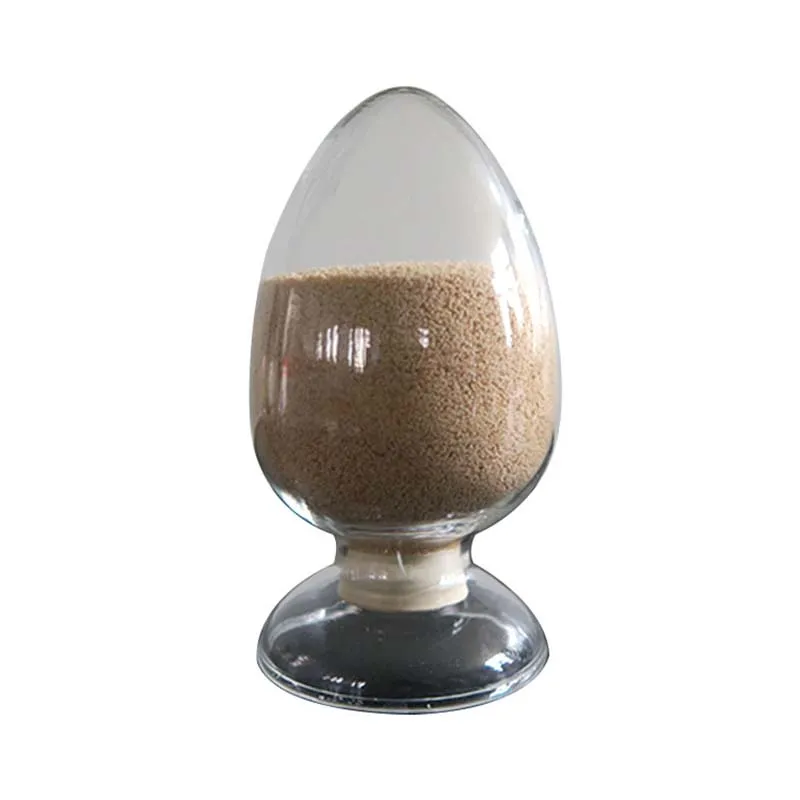
Key Factors in Reactive Dyes
The success of reactive dyeing depends on several critical parameters that influence dye exhaustion, fixation, and overall color quality. Proper control of these factors ensures efficient dye utilization and minimizes waste.
pH Control
Maintaining alkaline conditions (typically pH 10-11) is essential for activating the reaction between reactive dyes and cellulose fibers. Sodium carbonate (soda ash) is commonly used to create this environment. However, excessive alkalinity can lead to dye hydrolysis, where the dye reacts with water instead of the fiber, reducing color yield and increasing effluent pollution.
Temperature Influence
Temperature plays a dual role—it accelerates dye diffusion and fixation but also increases hydrolysis. While most fabric reactive dyes require 60-80°C for optimal fixation, cold-brand variants work efficiently at 30-40°C, reducing energy consumption. Selecting the right temperature profile is crucial for balancing dye uptake and minimizing waste.
Salt Concentration
Since cellulose fibers carry a negative charge in water, salt (NaCl or Na₂SO₄) is added to neutralize repulsion and improve dye exhaustion. Typical salt concentrations range from 50-100 g/L, but excessive use raises environmental concerns. Innovations in low-salt and salt-free reactive dyestuff formulations are gaining traction to address sustainability challenges.
Table 1: Optimal Conditions for Different Reactive Dye Types
|
Dye Type |
pH Range |
Temperature (°C) |
Salt Concentration (g/L) |
|
Hot Brand |
10-11 |
60-80 |
50-80 |
|
Cold Brand |
10-11 |
30-40 |
30-60 |
|
Low-Salt Dyes |
10-11 |
50-70 |
10-30 |
Reactive Dyes Chemical Structure and Bonding Mechanism
The unique chemistry of reactive dyes allows them to form permanent covalent bonds with fibers, distinguishing them from other dye classes. Understanding their molecular structure and reaction pathways is key to optimizing dyeing processes.
Reactive Groups
Fiber reactive dyes contain electrophilic groups (e.g., monochlorotriazine, vinyl sulfone) that react with nucleophilic sites (-OH in cellulose or -NH₂ in wool). The choice of reactive group influences dye reactivity, stability, and fixation efficiency.
Nucleophilic Substitution vs. Addition
Most reactive dyestuff bonds form via nucleophilic substitution (e.g., triazine-based dyes) or Michael addition (e.g., vinyl sulfone dyes). The former involves replacing a leaving group (e.g., chlorine) with a fiber hydroxyl group, while the latter adds the fiber nucleophile to an activated double bond.
Fixation and Wash-Off
After dyeing, unfixed dyes must be thoroughly washed off to prevent poor fastness. Hot soaping removes hydrolyzed dyes, ensuring bright and stable coloration. Proper wash-off protocols are critical for achieving high-quality, long-lasting results.
Reactive Dyes Environmental and Industrial Considerations
The textile industry faces increasing pressure to adopt sustainable practices, and reactive dyeing is no exception. Innovations aim to reduce water, energy, and chemical consumption while maintaining dye performance.
Water and Effluent Management
Reactive dyes have a relatively low fixation rate (50-80%), meaning significant amounts end up in wastewater. Advanced treatment methods (e.g., ozonation, membrane filtration) are being explored to decolorize effluents and recover salts.
Eco-Friendly Dye Alternatives
Research into biodegradable fabric reactive dyes and non-toxic auxiliaries is growing. Plant-derived reactive dyes and enzyme-assisted dyeing processes are emerging as sustainable alternatives.
Energy-Efficient Techniques
Cold dyeing processes, ultrasonic-assisted dyeing, and microwave fixation reduce energy consumption. These methods enhance dye penetration while lowering the carbon footprint of textile production.
Reactive Dyes FAQs
What makes reactive dyes different from other dye types?
Unlike direct or vat dyes, reactive dyes form covalent bonds with fibers, ensuring superior wash fastness. This chemical bonding makes them ideal for cotton and other cellulose-based fabrics.
Why is pH control crucial in reactive dyes?
Alkaline conditions (pH 10-11) activate the dye’s reactive groups, enabling bonding with fibers. Incorrect pH leads to excessive hydrolysis, reducing dye efficiency and increasing waste.
Can reactive dyes be used on synthetic fibers?
While primarily designed for cellulose, some reactive dyestuff variants can dye wool and nylon due to their amino groups. However, polyester and acrylic require disperse dyes instead.
How can I reduce salt usage in reactive dyes?
Low-salt fabric reactive dyes and cationized cotton (pre-treated to reduce negative charge) allow reduced or salt-free dyeing, minimizing environmental impact.
What are the best practices for storing reactive dyes?
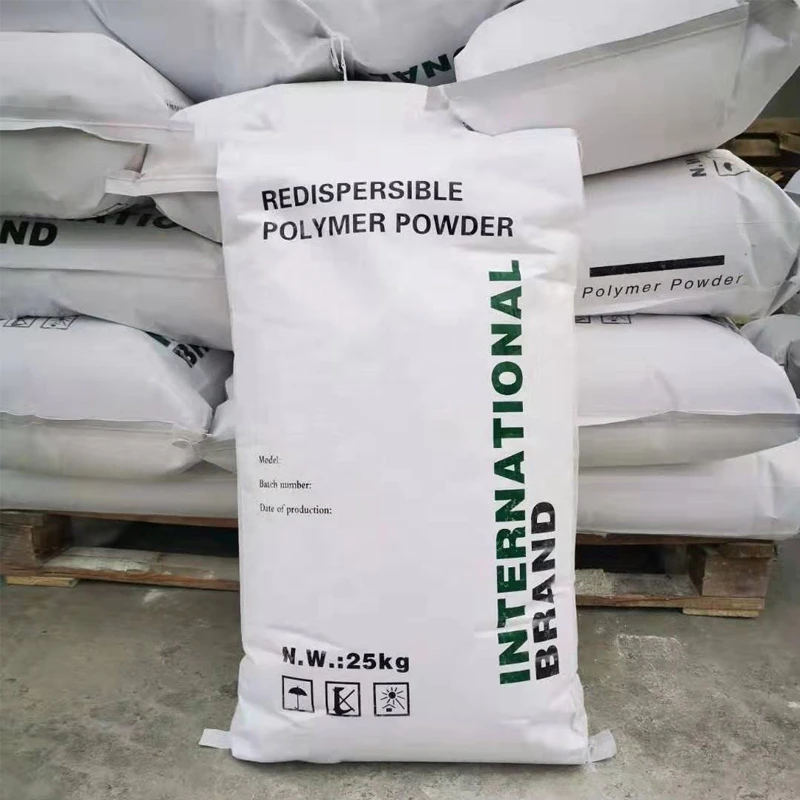
Store in a cool, dry place away from moisture and direct sunlight. Proper sealing prevents humidity absorption, which can degrade dye reactivity over time.Whether you’re a wholesaler, manufacturer, or textile artist, selecting high-performance reactive dyes ensures vibrant, long-lasting colors with minimal environmental impact. Our company offers premium fiber reactive dyes tailored for efficiency and sustainability. Peze Technology (Shijiazhuang) Co., Ltd is a manufacturer of non-ionic cellulose ether and re-dispersible polymer powder(RDP) on supplying comprehensive product solutions to the global construction industry , textile industry, detergent industry, printing industryetc. We have a professional technical research and development and service team, with which could customize our products to meet different customers’request. In 2022, the yearly output reaches 40,000 metric tons.Place your order today and experience the difference in quality and reliability!By understanding the chemistry and best practices of reactive dyeing, you can optimize your processes, reduce waste, and achieve exceptional results. Partner with us for cutting-edge dye solutions that meet industry demands while supporting eco-friendly practices.
-
Top Guide to Selecting Professional vae emulsion manufacturersNewsApr.16,2026
-
Viscosity of HPMCNewsApr.15,2026
-
HPMC Powder UsesNewsApr.15,2026
-
Understanding VAE Emulsion for Modern Industrial CoatingsNewsApr.09,2026
-
Comprehensive Guide to Redispersible Emulsion Powder and its ApplicationsNewsApr.07,2026
-
Comprehensive Guide to Redispersible Latex Powder for Construction ApplicationsNewsApr.04,2026