Redispersible Polymer Powder RDP: Bond, Flex, Durability
RDP in real jobsites: the quiet upgrade behind durable mortars
If you’ve watched a tile crew tear through a lobby or seen an EIFS facade ride out a nasty freeze-thaw cycle, there’s a good chance a little chemistry is doing the heavy lifting. I’m talking about redispersible polymer powder rdp—the dry, flowable polymer that snaps back into a stable emulsion when mixed with water and mortar. To be honest, it’s the kind of product contractors underestimate until they compare pull-off values.
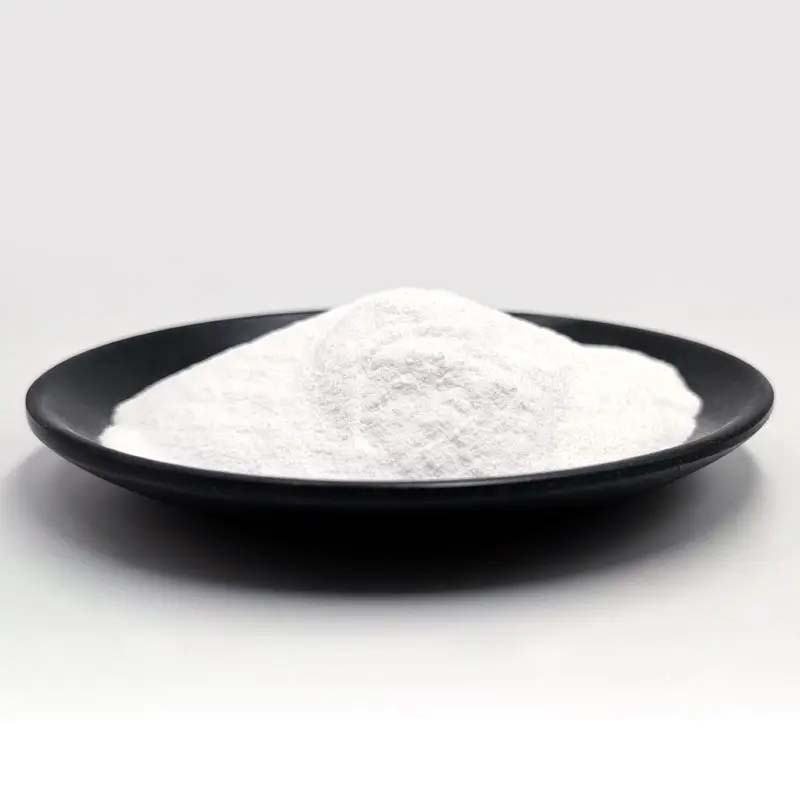
What’s on the table: product snapshot and industry trend
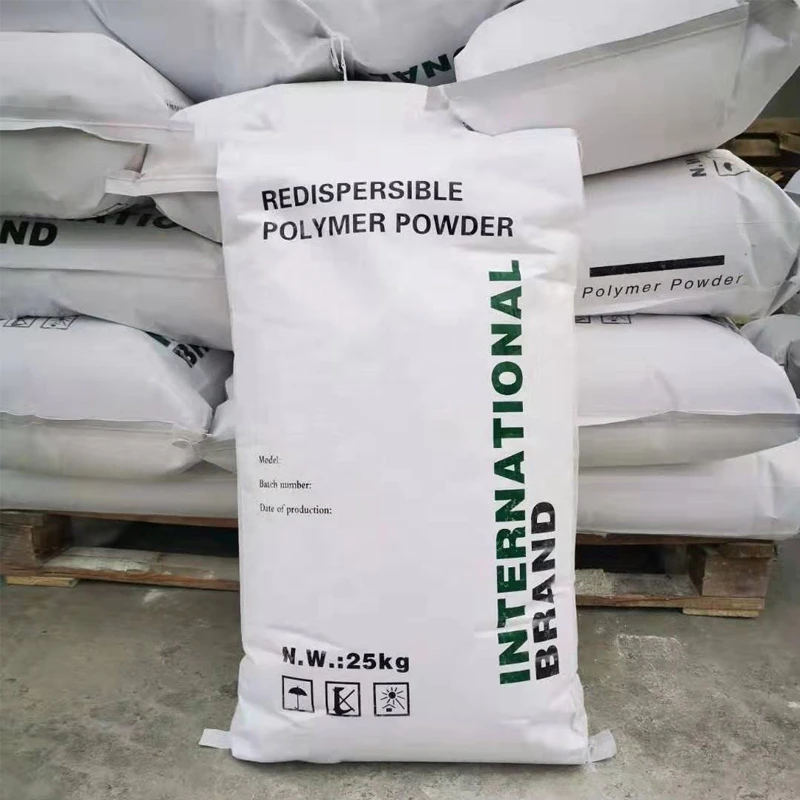
Product: VAE RDP emulsion powder – “VAE RDP emulsion powder Redispersible acrylic polymer powder.” Origin: 1601, Block B, New Century Diamond Plaza, No. 466 Zhongshan East Road, Chang'an District, Shijiazhuang City, Hebei Province. In fact, demand for redispersible polymer powder rdp has surged with stricter adhesion classes (EN 12004-2) and the shift to thin-set mortars, self-levelers, and ETICS systems. Many customers say they’re speccing RDP earlier to hedge against substrate variability.
| Parameter | Typical value (≈) | Method / standard |
|---|---|---|
| Base polymer | VAE (vinyl acetate–ethylene) | Manufacturer spec |
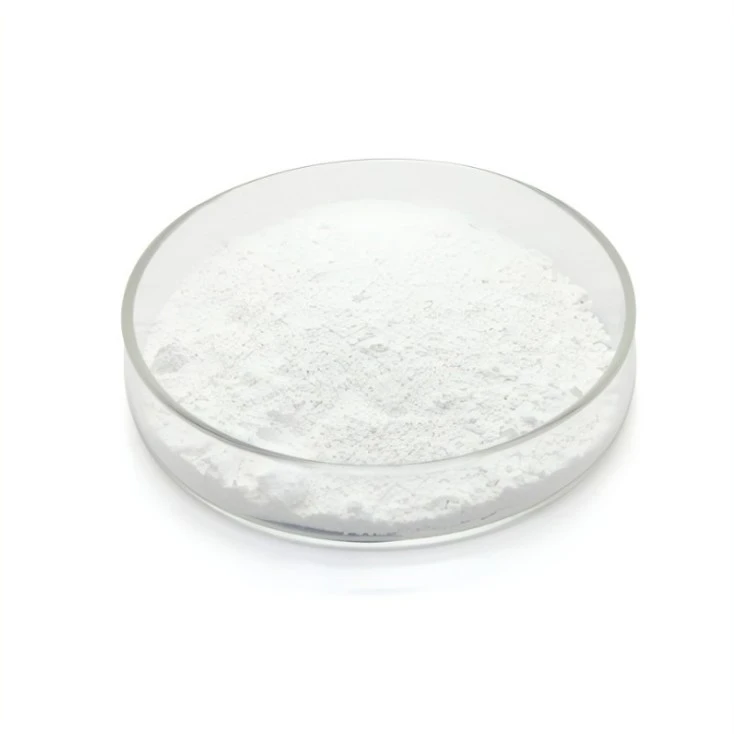
| Appearance | White, free-flowing powder | Visual |
| Residue (ash) | 10–14% | ISO 1762 (≈) |
| Residual moisture | ≤1.5% | ISO 12570 |
| Tg / MFFT | Tg ≈ 0–10°C; MFFT ≈ 2–5°C | DSC / film test |
| Bulk density | 350–550 g/L | EN ISO 60 (≈) |
| Redispersion time | ≤2 min | Internal QC |
| Recommended dosage | 2–6% vs. binder (cement) | Application note |
| Performance gain | Tensile adhesion +40–100% vs. control | EN 12004-2 / ASTM C1583 |
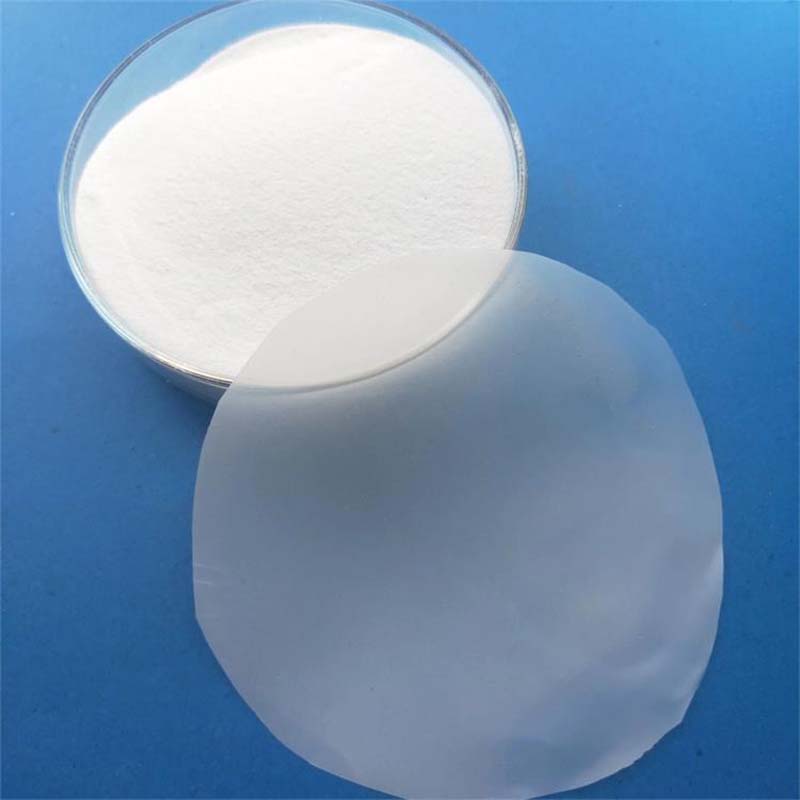
How it’s made (short version) and why it matters
Materials: VAE latex + protective colloid (usually PVOH) + mineral anti-caking agent. Method: high-shear mixing → spray drying → screening → bagging (25 kg). The powder re-emulsifies in the mortar, coalesces into a flexible polymer film, and—here’s the magic—bridges microcracks, improves adhesion, and boosts abrasion resistance. Real-world use may vary, but we’ve seen cementitious tile adhesives move from C1 to C2 with a smart tweak of redispersible polymer powder rdp and cellulose ether.
Applications and service life
Use cases: ETICS/EIFS basecoats, ceramic tile adhesives and grouts, bonding and plastering mortars, skim coat/putty, self-leveling compounds, repair mortars. Service life: ≈10–25 years depending on UV, moisture, and substrate prep (validated by EN 13687 freeze–thaw and pull-off tests).
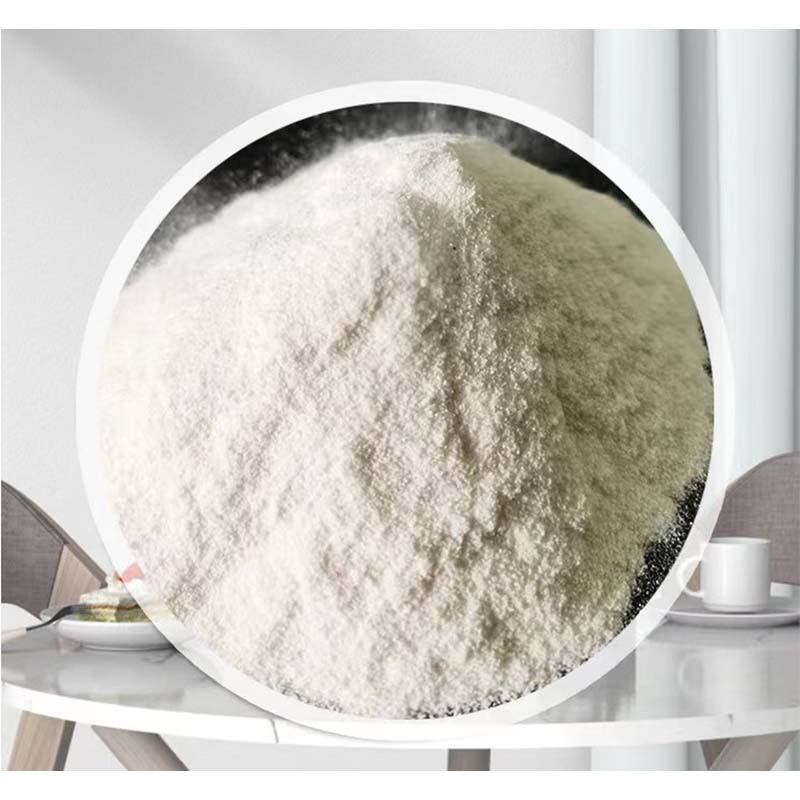
Vendor snapshot and customization
| Vendor | Polymer / Tg | Ash | Certs | Lead time | Indicative price |
|---|---|---|---|---|---|
| PEZETECH VAE RDP | VAE / ≈0–10°C | 10–14% | ISO 9001, CE (where applicable) | 7–14 days | $2.0–3.2/kg |
| Vendor A (generic) | VAE / ≈5–15°C | 12–16% | ISO 9001 | 2–4 weeks | $1.8–2.8/kg |
| Vendor B (premium) | VAE / ≈0–5°C | 9–12% | ISO 9001, REACH | 10–20 days | $2.8–3.8/kg |
Customization knobs: Tg (cold flexibility), ash/anti-caking profile, particle size (flow), and synergy with HPMC grade. I guess the smart move is lab-screening 3–4 variants against your cement/aggregate.
Case notes, tests, and feedback
- ETICS basecoat (north China, freeze–thaw): dosage 4.5% RDP + 0.3% HPMC; pull-off after cycles ≈1.1–1.4 MPa (EN 1348/EN 13687). Cracking noticeably reduced.
- Tile adhesive (coastal, high humidity): 3% RDP moved mix from C1T to C2TE; water immersion adhesion ≈1.0 MPa (EN 12004-2). Installer said “butterier spread, less slip.”
- Self-leveler (retail floor): 2% RDP improved flexural strength ≈+25% (ASTM C348) with negligible set delay.
Testing standards to cite in submittals: EN 12004-2 (tile adhesives), ASTM C1583 (pull-off), ASTM C109/C348 (strength), EN 13687 (thermal cycling). Certifications typically include ISO 9001; REACH compliance on request. And yes, store redispersible polymer powder rdp cool and dry—sealed bags, 25 kg, 12-month shelf life is common.
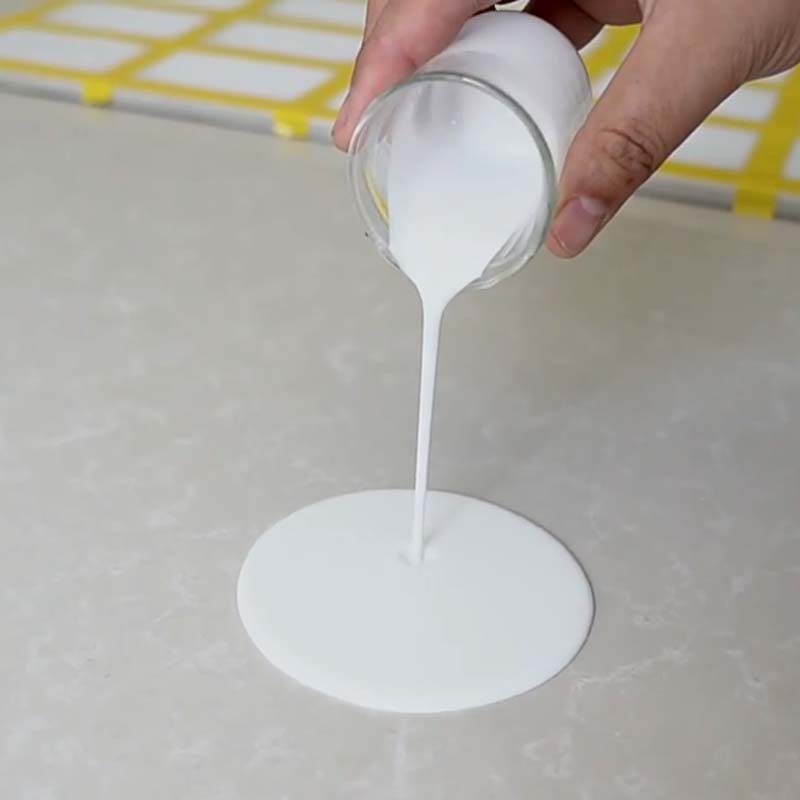
Bottom line
Whether you’re chasing C2TE or just more forgiving mortars, a fit-for-purpose redispersible polymer powder rdp can be the cleanest lever. Surprisingly, small tweaks (0.5–1% steps) make outsized differences—so pilot, measure, then scale.
- EN 12004-2:2017. Adhesives for tiles – Requirements, evaluation of conformity, classification.
- ASTM C1583/C1583M-20. Tensile strength of concrete surfaces by pull-off.
- ASTM C109/C109M-21. Compressive strength of hydraulic cement mortars.
- EN 13687-1/2. Products and systems for protection and repair of concrete structures – Thermal compatibility.
- ISO 9001:2015. Quality management systems – Requirements.
-
Top Guide to Selecting Professional vae emulsion manufacturersNewsApr.16,2026
-
Viscosity of HPMCNewsApr.15,2026
-
HPMC Powder UsesNewsApr.15,2026
-
Understanding VAE Emulsion for Modern Industrial CoatingsNewsApr.09,2026
-
Comprehensive Guide to Redispersible Emulsion Powder and its ApplicationsNewsApr.07,2026
-
Comprehensive Guide to Redispersible Latex Powder for Construction ApplicationsNewsApr.04,2026